Camping in Ohio: Where to Camp, Costs, Sites and Trip Tips
Ohio has many camping options. You can pick from different options: wooded tent sites, lakeside spots, developed RV resorts, and campgrounds near Hocking Hills' trails and rock formations. Camping in Ohio suits both first-time campers and seasoned adventurers.
The type of camping spot in Ohio you choose can change the whole experience. A basic tent site is very different from a full-hookup RV site, while places without convenient electrical hookups may benefit from a portable power station like the EcoFlow DELTA 3 Classic for keeping phones, lights, fans, and other camping gear powered. If you're looking for the best camping in Ohio, this guide covers popular options, what they offer, and what to check before booking.
What Are Popular Campground Options for Different Camping Styles?
Not every camping spot in Ohio gives you the same kind of trip. A quiet state park can be perfect if you mostly want trails and trees around you, while a private resort makes more sense if you want hookups, activities, and more campground facilities. Some places also give you a mix of both, which can be useful for families or groups with different camping preferences.
Hocking Hills State Park Campground for Nature-Focused Trips
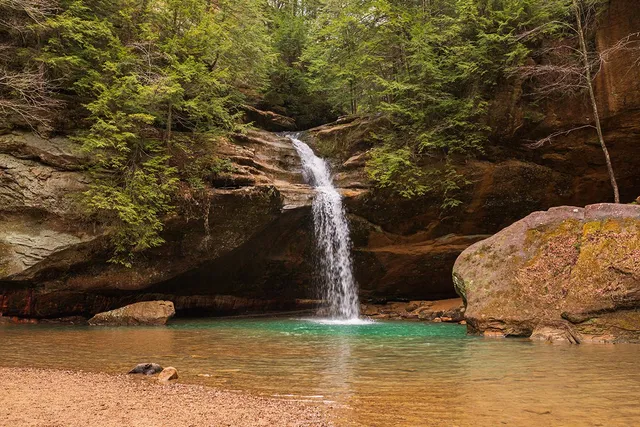

Hocking Hills is a strong choice if you want your camping trip to revolve around nature. The area is known for its wooded scenery, hiking trails, rock formations, and other natural attractions, so you won’t have to spend much time looking for things to do once you arrive.
The campground offers several camping options, including electric and tent sites, while nearby campgrounds in the Hocking Hills area provide additional choices such as full-hookup RV sites and cabins. Restrooms, showers, and campground amenities make it easier to settle in for a few days, especially if you’re camping with family rather than looking for a completely primitive experience.
The location is another big plus. You can use the campground as a base for exploring the surrounding Hocking Hills area, with hiking and sightseeing close by. For anyone searching for camping sites in Hocking Hills, Ohio, it’s a practical option when trails and outdoor attractions are more important than resort-style amenities.
It also works well for campers who want a little flexibility. You can bring a tent and keep things simple, or choose a site with electricity if you’d rather have some of the comforts you’re used to at home.
Cross Creek Camping Resort in Ohio for a Resort-Style Stay
Not everyone wants their camping trip to mean roughing it. Cross Creek Camping Resort in Ohio is aimed more at campers who want the outdoor experience along with plenty of conveniences around the campground.
The resort offers RV and camping accommodation, with specific site types and amenities varying by option, making it a good choice for travelers looking for a more developed camping setup. Families can also take advantage of the campground’s facilities and organized recreation, so there’s more to do without having to leave the property every day.
That’s what separates a developed camping resort from a state park or primitive campground. Instead of making hiking and sightseeing the main focus of your trip, you can have a more relaxed stay where the campground itself is part of the experience.
For RV travelers especially, this type of camping in Ohio can be a good fit when comfort matters. You still get to sleep outdoors and enjoy the campground atmosphere, but you have easier access to hookups, recreation, and other useful facilities.
Campbell Cove Campground for Lake and Hocking Hills Access
Campbell Cove is a nice option if you don’t want to choose between a lakeside trip and exploring Hocking Hills. The campground sits in a wooded setting near Lake Logan, giving campers easy access to nearby water activities while keeping the area’s hiking and attractions within reach.
There are full-hookup RV sites, tent sites, powered tent options, and camping cabins, so you can choose how basic or comfortable you want your stay to be. The availability of different site types also makes it easier for families or groups traveling together with different camping preferences.
During the day, Lake Logan gives you options for fishing and boating, while swimming is available at designated swimming areas, including the campground's swimming hole and the public beach at Lake Logan State Park. Big rigs and larger RVs can also be accommodated, making the campground a practical option for travelers bringing larger RV setups.
If you’re comparing the best camping in Ohio for a trip that mixes outdoor activities with a comfortable campsite, Campbell Cove gives you a little bit of both. You can spend the morning on the water, head out to explore Hocking Hills, and still come back to a developed campsite at the end of the day.
Planning Power for Your Ohio Camping Trip
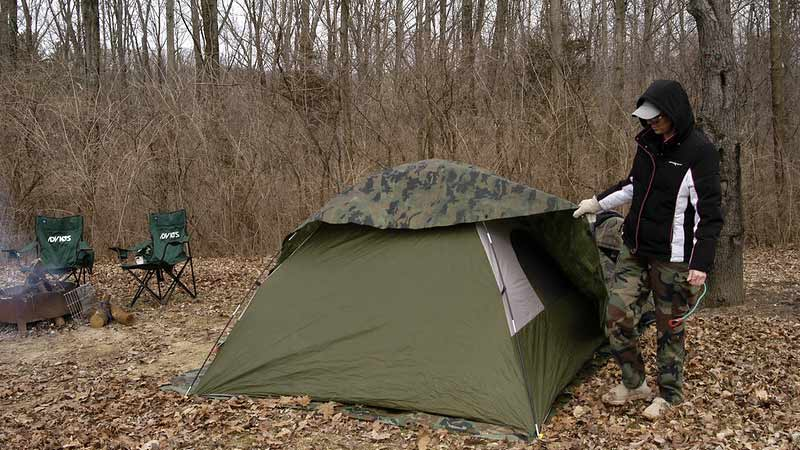
Your power needs will depend on the type of camping in Ohio you choose. A tent site without electricity needs a very different setup from a full-hookup RV site.
EcoFlow DELTA 3 Classic for Tent and Developed Campgrounds
For tent camping or developed campsites without convenient electrical hookups, the EcoFlow DELTA 3 Classic is a practical option for powering everyday essentials such as phones, lights, fans, and small appliances.
EcoFlow DELTA 3 Plus for More Flexible Camping Power
For longer off-grid stays or camping setups with higher or more flexible power needs, the EcoFlow DELTA 3 Plus provides 1,800W of AC output, expandable capacity, and higher solar input to support a wider range of camping equipment.
Using compatible solar panels while camping can help recharge the power station during longer off-grid stays.
If you’re staying at a full-hookup RV site such as Cross Creek or Campbell Cove, you can use the site's utility hookups for your main power needs. A portable power station can still provide backup power for essential devices when you are away from hookups or need power in areas without convenient access to an outlet.
How Much Does Camping in Ohio Cost?
Camping costs in Ohio vary significantly by campground, site type, season, and amenities. A basic tent site may cost less than a private campground with full hookups, while cabins and resort-style stays can cost considerably more. Check the campground's current rate and any additional fees before booking.
Primitive tent camping is usually the simplest option if you’re trying to keep the trip affordable. You’re paying mainly for the campsite itself and may have limited access to electricity or other conveniences. Electric tent sites cost more, but they can be worth it if you want to keep devices charged or bring small appliances.
RV camping has a wider range. A basic site with electricity and water will generally cost less than a full-hookup site with sewer access. Private campgrounds and resorts may charge more, but they often include additional facilities, recreation, and conveniences that aren’t available at a more basic campground.
You may also see extra charges for things such as reservations, additional guests, pets, premium sites, or certain campground amenities. Prices can also increase during popular weekends and peak camping periods.
So, when comparing a camping spot in Ohio, don’t look at the nightly rate alone. Check exactly what comes with the site. A slightly more expensive campsite with electricity, showers, and convenient facilities may actually work out better than a cheaper site where you need to bring everything yourself.
If you’re bringing your own power setup, knowing about portable power stations for camping can help you figure out what capacity and features you’ll actually need.
What Should You Check Before Booking an Ohio Campsite?


Before booking a camping spot in Ohio, check the details that could affect how comfortable and practical the trip will be.
Campsite type and size: Make sure the site matches your setup, especially if you’re bringing an RV. Check the maximum RV length and whether the site is meant for tents, RVs, or both.
Electricity and hookups: Confirm whether the site has no electricity, electric hookups, or full hookups. This can also help you decide whether you need a portable power station.
Restrooms and showers: If these matter to you, check what facilities are available and how close they are to your site.
Pets: Campground pet rules can vary, so check the policy before bringing your dog.
Season and opening dates: Some campgrounds operate seasonally, while others have different availability throughout the year.
Nearby activities: Look at what you actually want to do during the trip, whether that’s hiking around Hocking Hills, spending time at a lake, or simply relaxing at the campground.
Reservations and cancellation rules: Popular camping sites in Hocking Hills, Ohio, and private campgrounds can fill up during busy periods. Check reservation requirements, fees, and cancellation policies before booking.
Conclusion
Camping in Ohio gives you plenty of options, whether you want a quiet tent site, a comfortable RV resort, or a campground close to Hocking Hills and the lake. Start by choosing the campsite style that fits your trip, then check hookups, facilities, costs, and nearby activities before booking. With a little planning, it’s easier to find the best camping in Ohio for the kind of weekend you actually want.
Ready for your next camping trip in Ohio? Choose the EcoFlow DELTA 3 Classic for everyday camping essentials and moderate power needs, or step up to the EcoFlow DELTA 3 Plus when you need more capacity and flexibility for longer or more power-intensive stays.
FAQs
What is the best place to go camping in Ohio?
Hocking Hills, lake campgrounds, and developed RV resorts are all popular choices, depending on your preferred camping style.
Is camping in Ohio free?
Most established campgrounds charge a fee, although the amount and payment rules vary by campground. Some public-land or primitive camping opportunities may have different rules or lower costs, so check the regulations for the specific area before camping.
Can you legally camp anywhere in Ohio?
No. You generally need to camp in an area where camping is permitted, such as a designated campground or other public land that allows camping, or on private property with the landowner's permission. Rules vary by park and land-management agency, so check the regulations for the specific area before setting up camp.
What is the 200 rule for camping?
The “200-foot rule” is a common backcountry camping guideline that recommends setting up camp at least 200 feet from water sources and trails in areas where the guideline applies. It is not a universal rule for every campground, so always follow the specific regulations for the park or land you are visiting.
For press requests or interview opportunities, reach out to our media team
media.na@ecoflow.com