EV Tax Credit Eligibility: How Incentives Support EV Owners With EcoFlow Power
Buying an electric vehicle used to come with clear federal incentives of up to $7,500 at tax time. However, that credit expired September 30th, 2025.
Thankfully, savings on EV ownership haven't disappeared entirely. There are still state rebates, utility programs, a new loan interest deduction, and a home charger tax credit that can cut costs for the right buyer.
Here’s a breakdown of what's changed, what remains, and who still qualifies, plus learn how using EcoFlow power solutions can help these savings add up faster.
Who Qualifies for the EV Tax Credit in 2026?
The federal Clean Vehicle Credit, which was part of the Inflation Reduction Act and provided tax credits on EVs, expired on September 30, 2025, under the One Big Beautiful Bill Act, so it’s no longer available for vehicles acquired after that date.
The only exception is for buyers who signed a binding written purchase contract and made a qualifying payment on or before this date.
The IRS says that when you take possession of an eligible new or previously owned clean vehicle, the seller must give you information about the vehicle’s qualifications and report the same information to the IRS. The page doesn’t frame the report primarily as “documenting acquisition date”; it’s broader seller-reporting tied to eligibility.
Separately, a federal loan interest deduction is still available for new U.S. assembled vehicles (including EVs) financed after December 31, 2024, providing up to $10,000 per year in deductible interest through 2028.
The full deduction is available for those with up to $100,000–$150,000 AGI if single, $200,000–$250,000 AGI if married and filing jointly.
To receive this deduction, your EV purchase must be new and have final assembly in the U.S.
The charger credit can also include certain charger-related installation costs, such as dedicated wiring, conduit, or panel work directly attributable to the charger, and is placed in service before July 1, 2026. For individuals, the credit is 30% of eligible costs, up to $1,000 per charging port.
What Factors Affect Eligibility Requirements?
System Type: The remaining federal benefit is a loan interest deduction. It's not a purchase credit. It applies only to financed new U.S.-assembled vehicles.
Capacity Threshold: For any vehicle that still qualifies under the old credit (if you were a pre-October 2025 buyer), the vehicle's battery capacity must be at least 7 kWh. There's no capacity floor for the loan interest deduction.
Installation Location: The Home EV Charger Credit (30C) applies to equipment installed at your primary residence in a qualifying census tract. Verify via IRS Form 8911 or use the eligibility map to see if your address qualifies.
New Property Only: The 30C charger credit applies only to new equipment. The loan interest deduction applies only to new vehicles.
Who Claims It: The loan interest deduction can be claimed by the individual taxpayer on their federal return. The charger credit can be claimed via IRS Form 8911.
Income Level: Loan interest deductions begin phasing out at $100,000–$150,000 AGI (single) and $200,000–$250,000 (joint). There's no income limit for the 30C charger credit.
Filing Status: Those married filing jointly have double the income threshold, compared to single filers, for the deduction.
Year of Installation/Origination: The loan must have originated after December 31st, 2024. For the EV charger tax credit, it must be placed in service before July 1, 2026.
How Do Incentives Reduce EV Ownership Costs?
Federal Tax Credit: Buyers who locked in an EV purchase contract before October 1, 2025, may still claim the old $7,500 purchase credit when filing.
Used EV Credit: Used EVs purchased before September 30, 2025, may still qualify for the federal $4,000 used EV credit.
State-Level Rebates: Many states still offer substantial incentives, including tax credits and rebates. Use the DOE incentives database to find programs available near you.
Reduced Fuel Costs: Home charging costs a fraction of gas per mile.
Lower Maintenance Costs: Because EVs have fewer moving parts, studies estimate 40% lower lifetime maintenance costs versus gas vehicles.
Utility Off-Peak Rates: Utilities may offer time-of-use plans with lower overnight rates for EV charging.
Tax and Registration Savings: State rules vary widely — some states offer rebates, credits, or tax exemptions, while others impose additional EV registration fees.
How Does Home Charging Support EV Savings?
Because home charging costs significantly less per mile than public stations, the economics of home versus public charging favor drivers who charge regularly at home.
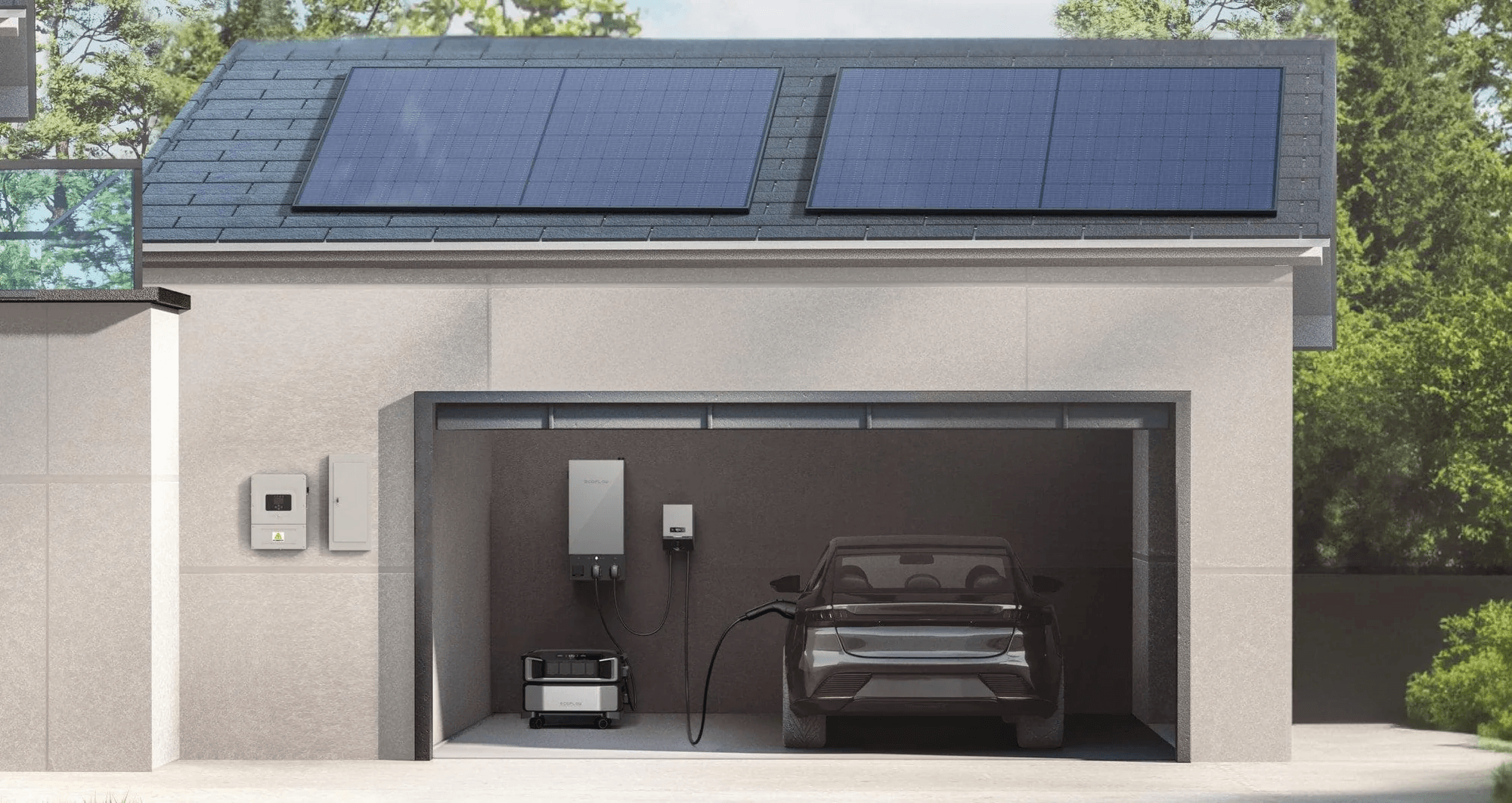
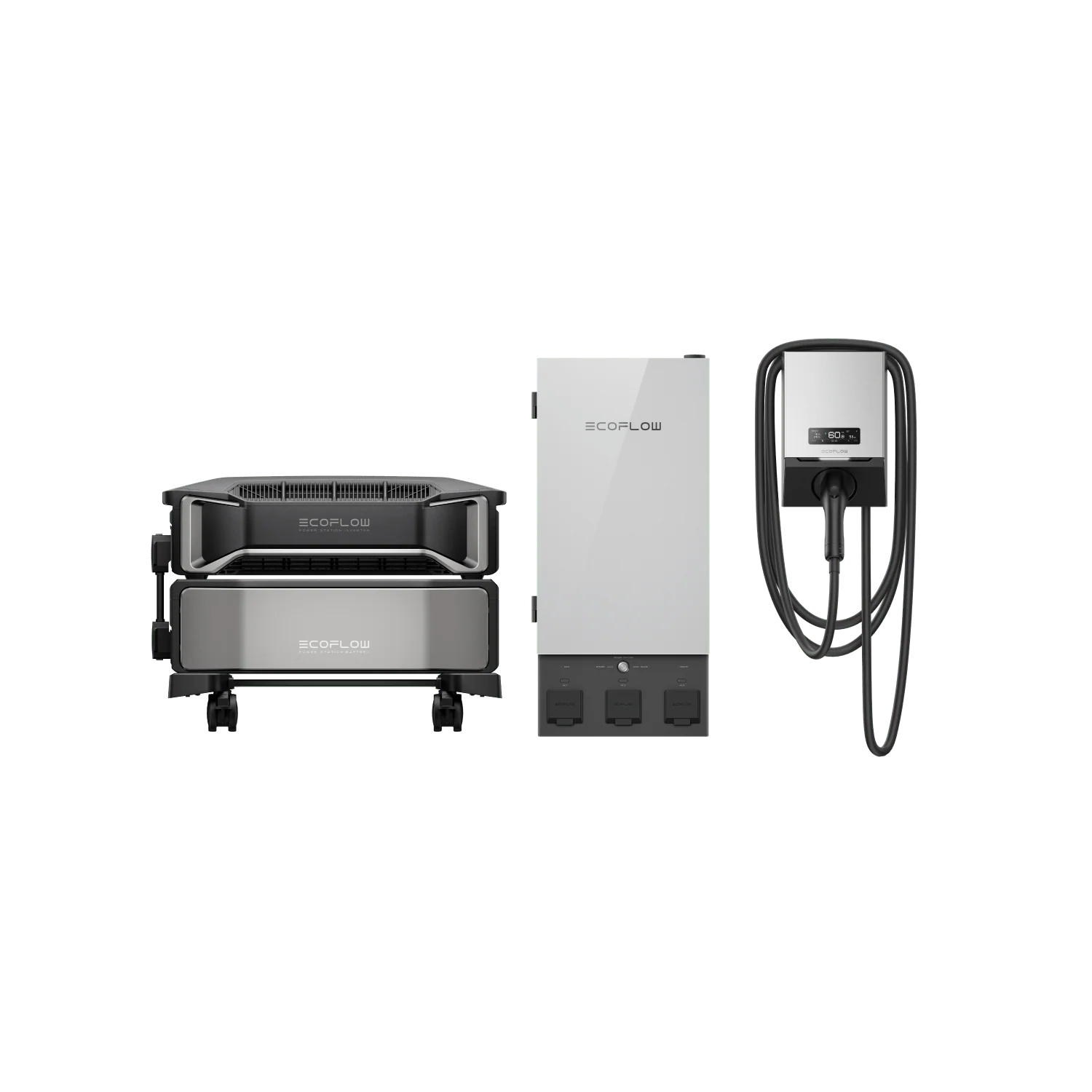
Home charging stations like the EcoFlow PowerPulse deliver up to 9.6 kW (40A), adding roughly 35 miles of range per hour. It connects to a NEMA 14-50P outlet and requires no professional installation or permits.
When paired with the EcoFlow DELTA Pro Ultra and Smart Home Panel 2, the EcoFlow PowerPulse can automate your charging around solar surplus and off-peak grid rates, cutting costs even further. Full home backup systems can support EV charging and energy savings, too.
Frequently Asked Questions
Do Income Limits Affect EV Tax Credit Eligibility?
If you signed a purchase contract for your EV before October 1st, 2025, the income limits still apply: MAGI must be under $150,000 if single or under $300,000 if married filing jointly for new EVs. There are lower thresholds for use. The new loan interest deduction phases out between $100,000–$150,000 (single) and $200,000–$250,000 (joint).
How Do You Claim EV Tax Credits?
To claim the old purchase credit, file IRS Form 8936 with your tax return and include your dealer's time-of-sale report. As for the loan interest deduction, you'll claim it as an "above the line" deduction on your federal return. The EV charger credit can be filed using IRS Form 8911.
EV Incentives and Smart Energy Solutions Make EV Ownership More Affordable
While the federal EV purchase credits are gone for most 2026 buyers, the total cost of EV ownership is still competitive. The loan interest deduction, state rebates, utility programs, and smarter home charging have taken over where the federal credit left off.
Don't forget the Home EV Charger Credit is still on the table through July 1, 2026, so act now before it closes.
You can stack your savings most reliably through your home charging setup, getting lower per-mile costs, using solar integration instead of grid power, and scheduling off-peak charging to compound your savings over time.
If you're ready to set up a home charging station, the EcoFlow DELTA Pro Ultra + PowerPulse EV Charger (9.6kW) +Smart Home Panel 2 can handle the energy management side. It automates when and how your car charges to keep the total cost down without manual effort.
For press requests or interview opportunities, reach out to our media team
media.na@ecoflow.com