How Many Amps Does a Garage Door Opener Use?
A typical garage door opener draws about 2–3 amps on a standard 120 V (60 Hz) circuit in the U.S., which translates to roughly 240–360 watts. Most home circuits are rated for 15–20 amps, so a standard opener uses only a fraction of that capacity.
While many openers operate safely on shared circuits, some building codes and manufacturer guidelines recommend a dedicated circuit to prevent overloads.
Understanding these requirements helps ensure safe installation, efficient operation, and compliance with local electrical standards.
Understanding the Amperage Basics for Garage Doors
Amperage, measured in amps (A), indicates the flow of electrical current through a device or circuit. For garage door openers, it reflects how much electricity the motor draws while operating.
Knowing the amperage is important because it directly impacts both safety and efficiency: circuits have limits, and exceeding them can cause overheating or tripped breakers.
Compared with heavy household appliances like ovens or air conditioners, garage door openers typically use relatively low current — usually just a few amps — which makes them easy to accommodate on standard residential circuits when installed correctly.
Load, Components, and Typical Amp Draw
A garage door opener’s electrical load is determined primarily by:
The motor
The control board
Additional features like lights or sensors
Most residential openers draw approximately 2–3 amps (240–360 W) on a standard 120 V (60 Hz) circuit.
While typical household circuits are rated 15–20 amps, many installers use a dedicated 15 A circuit with 14 AWG wire to ensure consistent performance and avoid overloading.
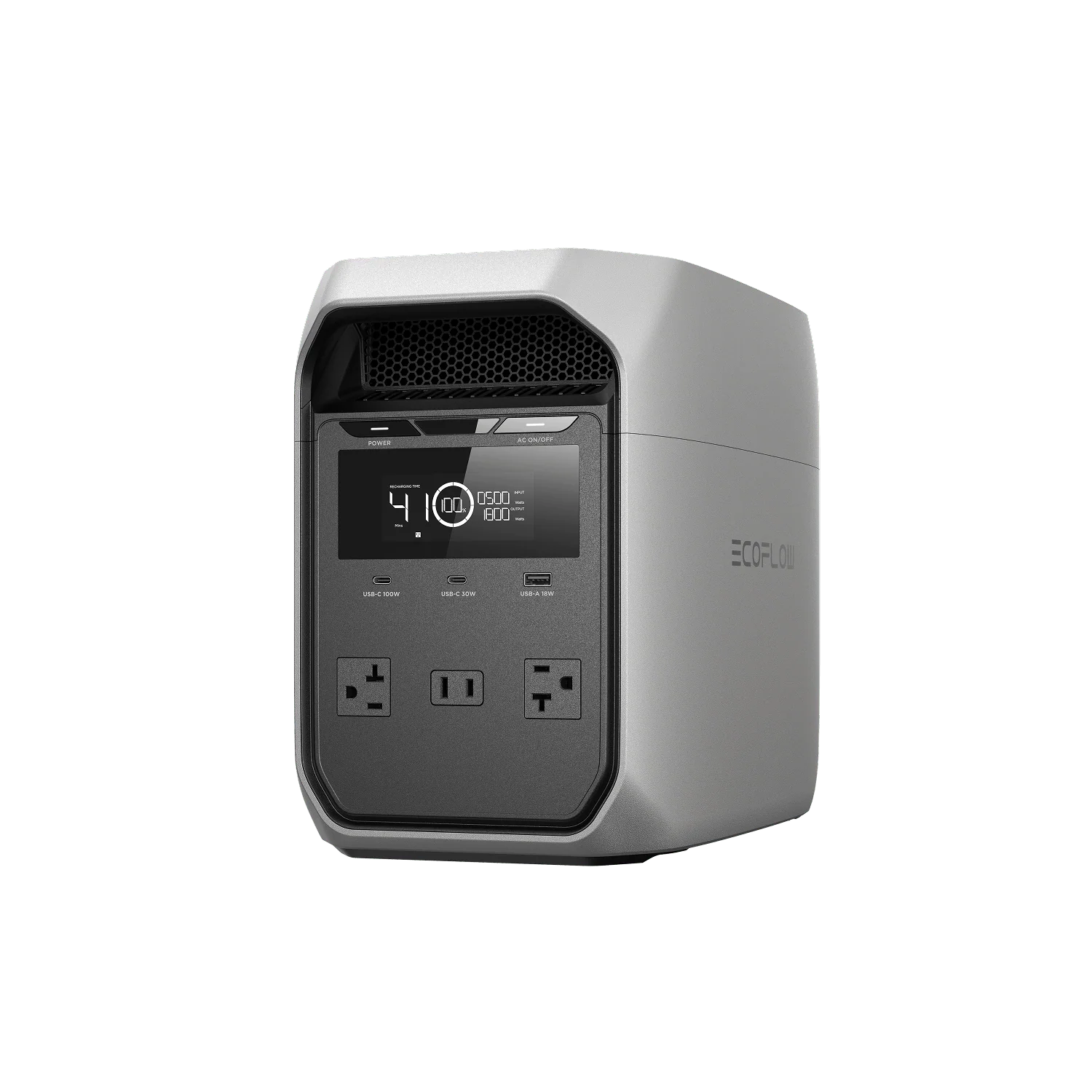
Having a relatively low power requirement means most garage door openers can be easily supported by portable power stations during outages. For example, compact units like the EcoFlow DELTA 3 Classic can provide enough backup power to keep your opener functioning when the grid goes down.
For more detailed planning, refer to our Electrical Calculations Guide to evaluate circuit requirements and load capacity.
Circuits, Codes, and Powering Two Devices
Garage door openers are relatively low-power devices, but understanding circuit capacity is important for safe operation.
Standard household circuits are typically 15 A or 20 A, with 14 AWG wire rated for 15 A and 12 AWG wire for 20 A.
Using a dedicated circuit helps ensure consistent performance and reduces the risk of tripped breakers, particularly when multiple devices share a line. Local electrical codes often recommend (or rather, require) dedicated circuits for openers to prevent overloads.
Outcomes of Proper Amperage Management
Proper amperage management improves both safety and performance.
Matching circuits correctly helps prevent overloaded wiring, tripped breakers, and electrical hazards, while also extending the lifespan of your opener’s motor and components.
This becomes especially important when planning for backup power during outages. Integrating your garage door opener with a dedicated backup solution ensures it continues operating during outages without overloading your power supply.
Proper amperage management allows multiple devices to run safely on the same circuit or backup supply. It supports both convenience and peace of mind. So, attention to amperage safeguards performance, reduces maintenance costs, and ensures your garage remains accessible and secure under all conditions.
A Modern Load-Management Approach for Garage Power
Modern garages often include lighting, smart sensors, electric vehicle chargers, and other devices that compete for power. Managing electrical loads helps your garage door opener and other equipment run safely without overloading circuits or causing nuisance trips.
This management is especially important in homes with older wiring, shared circuits, or multiple high-demand devices, where traditional approaches may not provide enough oversight.
A modern load-management strategy monitors electrical draw and balances power among devices, while optimizing performance and protecting wiring and breakers.
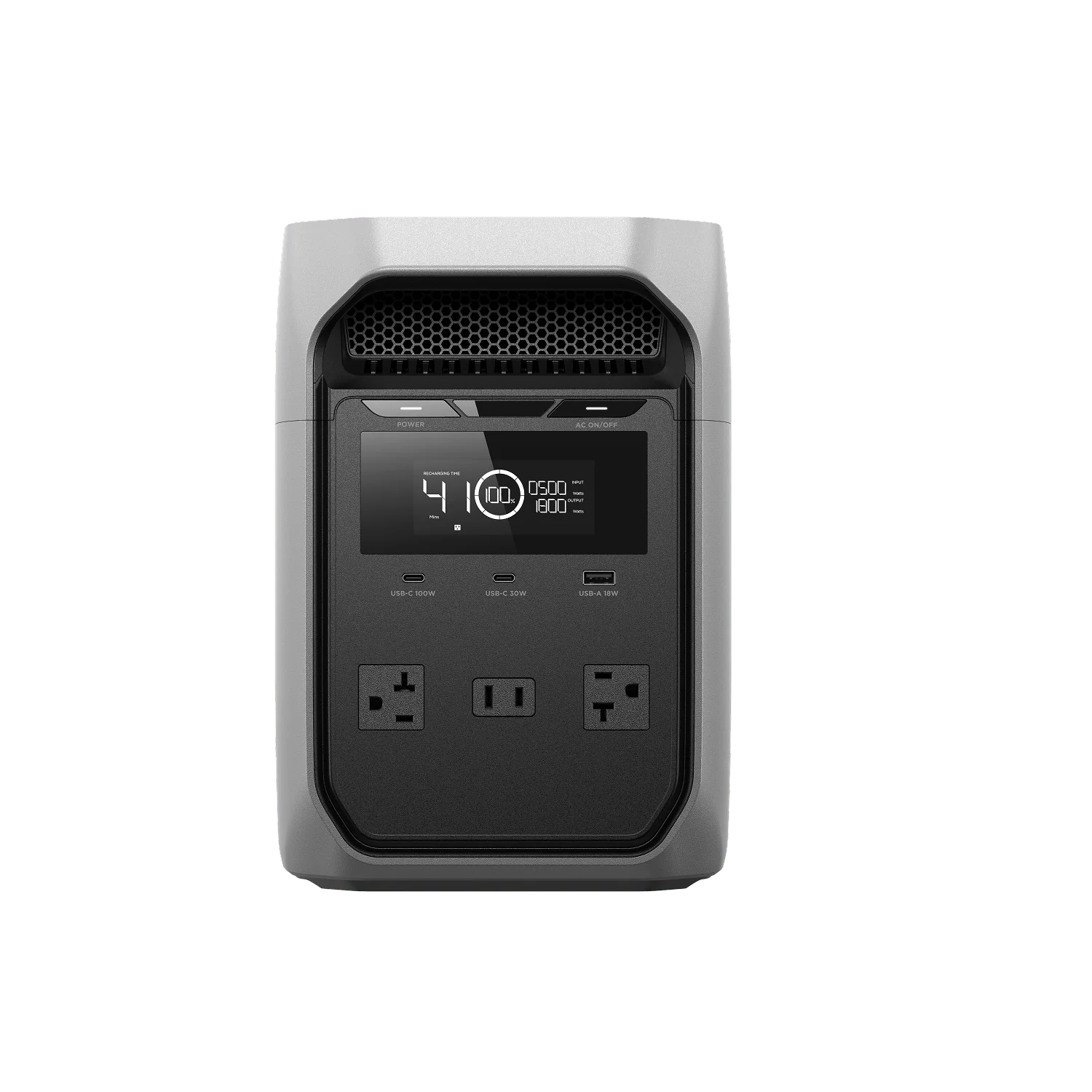
For instance, pairing your garage door opener with an automatic backup solution, such as the EcoFlow DELTA 3 Classic, allows the opener to operate seamlessly even during power outages. These systems help supply stable power to connected devices without placing additional strain on your home’s circuits.
Doing this can help to extend the lifespan of motors, sensors, and electronics by avoiding unnecessary surges or high-current spikes.
It also enables homeowners to add new devices safely over time without needing to reconfigure circuits.
Frequently Asked Questions
Does a Garage Door Opener Need a 20 Amp Circuit?
Most residential garage door openers draw only 2–3 amps on a standard 120 V circuit, which is well below the capacity of a typical 15 A or 20 A circuit. A 20 A circuit generally isn’t required for a standard opener unless the garage also powers multiple high-demand devices. Many local codes and manufacturers recommend a dedicated 15 A circuit with 14 AWG wire for safety and consistent performance.
Do I Need an Electrician to Install a Garage Door Opener?
While some handy homeowners can safely install a garage door opener, using a licensed electrician is recommended if the installation involves new wiring, dedicated circuits, or compliance with local electrical codes. An electrician ensures proper wire gauge, circuit protection, and adherence to safety standards, which reduces the risk of overloads or code violations.
Which Is Better: Wired or Wireless Garage Door Openers?
Wired garage door openers generally provide a consistent, uninterrupted connection, which can be more reliable in environments with interference or long distances. Wireless openers offer convenience, flexible installation, and integration with smart home systems, but may be subject to signal disruptions. The “better” choice depends on your priorities: wired systems excel in stability, while wireless systems offer flexibility and remote control features.
Final Thoughts
Understanding how much power your garage door opener uses is key to keeping it running safely and reliably. Since most units draw only 2–3 amps, they’re easy to support on standard household circuits when properly installed and managed.
Planning ahead also makes a difference during outages. With the right setup, you can avoid disruptions and make sure your garage is accessible at all times.
For added peace of mind, a compact backup solution like the EcoFlow DELTA 3 Classic can keep your garage door functioning during power outages, offering a simple and dependable way to maintain access without overcomplicating your setup.
For press requests or interview opportunities, reach out to our media team
media.na@ecoflow.com