The Economics of Charging an EV at Home vs. Public Stations
- Why EV Charging Costs Matter
- The Two Main Ways to Charge an EV
- How Home EV Charging Costs Work
- How Public EV Charging Costs Work
- Comparing the Cost of Charging at Home vs Public Stations
- How Smart Home Energy Systems Can Improve EV Charging Costs
- Frequently Asked Questions
- Home EV Charging Reduces Long-Term Electricity Costs
As electric vehicles (EVs) become increasingly popular, one key question for owners is where to charge: at home or at public stations. While the convenience of plugging in at a nearby charging hub may seem appealing, the costs can vary widely depending on electricity rates, time of use, and potential fees.
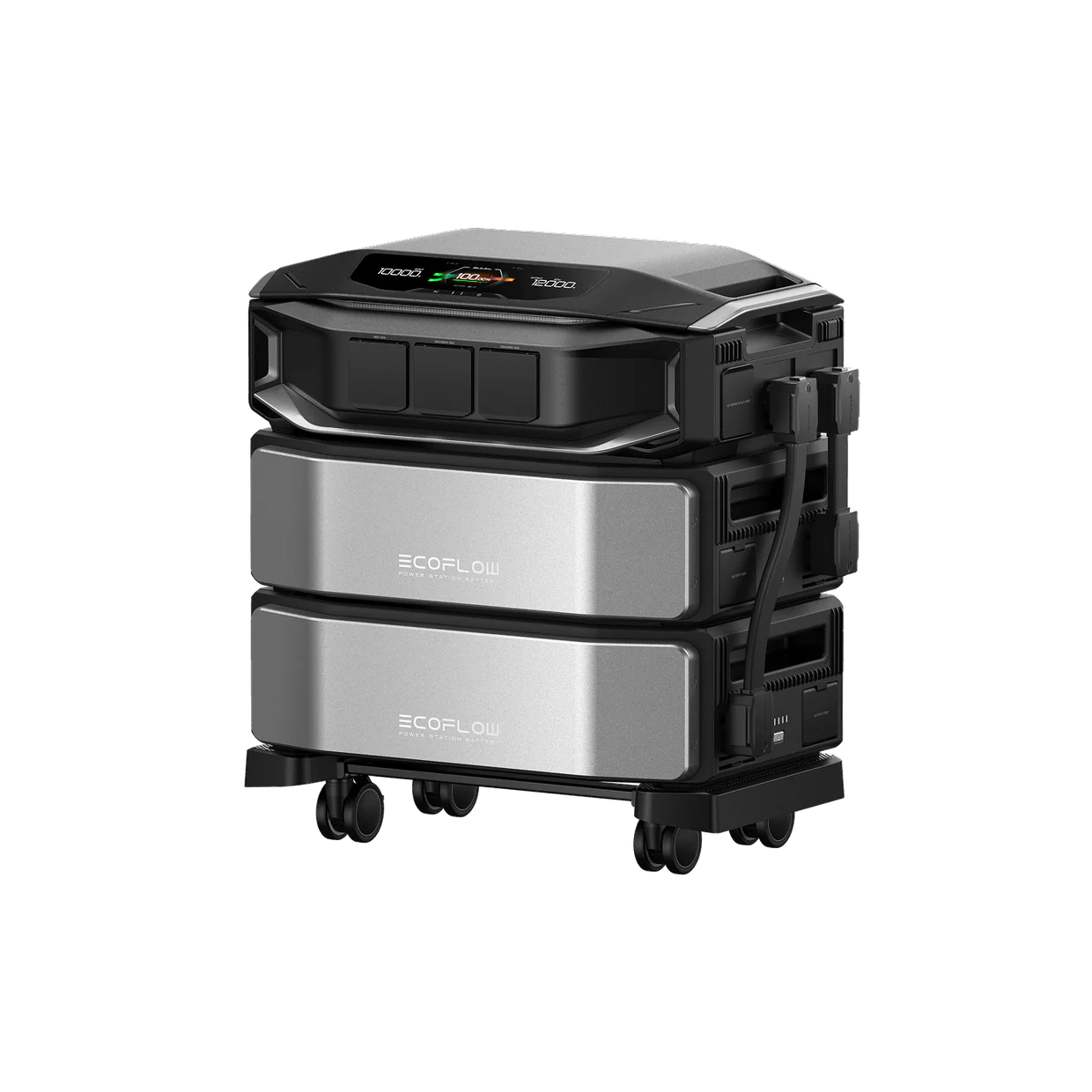
Understanding the economics behind each option is essential not just for saving money, but also for planning your daily routine and long-term EV ownership expenses. We’ll also take a look at how innovative solutions like the EcoFlow DELTA Pro Ultra X can help cut costs.
Why EV Charging Costs Matter
Charging an electric vehicle is one of the biggest ongoing expenses for EV owners. Unlike gasoline cars, where fuel prices are relatively straightforward, EV charging costs can fluctuate based on where and when you charge, the type of charger used, and local electricity rates. Over time, these differences add up.
The Two Main Ways to Charge an EV
Electric vehicle owners typically rely on two primary charging methods: charging at home and using public charging stations. Each comes with its own costs, convenience factors, and considerations, and understanding how much it costs to charge an EV can help you make smarter decisions for your daily routine and long-term savings.
Charging at Home
Charging at home is often the most convenient and cost-effective option for EV owners. Most people use a standard Level 2 home charger, which can fully charge a typical EV overnight. Home charging allows you to take advantage of lower residential electricity rates, especially if your utility offers off-peak pricing.
The upfront cost of installing a home charging station can vary from a few hundred to a couple of thousand dollars depending on your electrical setup. However, over time, the lower per-kilowatt-hour cost of home electricity usually makes this the cheapest way to keep your EV charged. Additionally, home charging provides flexibility: you can plug in whenever it’s convenient, so you don’t have to worry about EV charging times.
Charging at Public Stations
Public charging stations are essential for drivers who need a quick top-up, are on the road, or don’t have access to home charging. Public chargers come in different speeds, from standard Level 2 stations to ultra-fast DC fast chargers that can recharge an EV in under an hour.
While public charging offers convenience, it usually comes at a higher price per kilowatt-hour. Some stations also charge additional fees, such as session or idle fees if you occupy the charger too long. On the other hand, public charging is indispensable for long trips and urban dwellers without home charging options. You should learn how to charge an electric car at public stations even if you have a home setup.
How Home EV Charging Costs Work
The main factors influencing home charging expenses include your local electricity rates, the efficiency of your EV, and the type of charger you use. Most homeowners rely on Level 2 chargers, which draw more power than a standard outlet but significantly reduce charging time.
Electricity prices can vary depending on the time of day, with many utilities offering lower rates during off-peak hours. By charging overnight, you can take advantage of these cheaper rates. Additionally, the efficiency of your EV affects how far each dollar of electricity will take you.
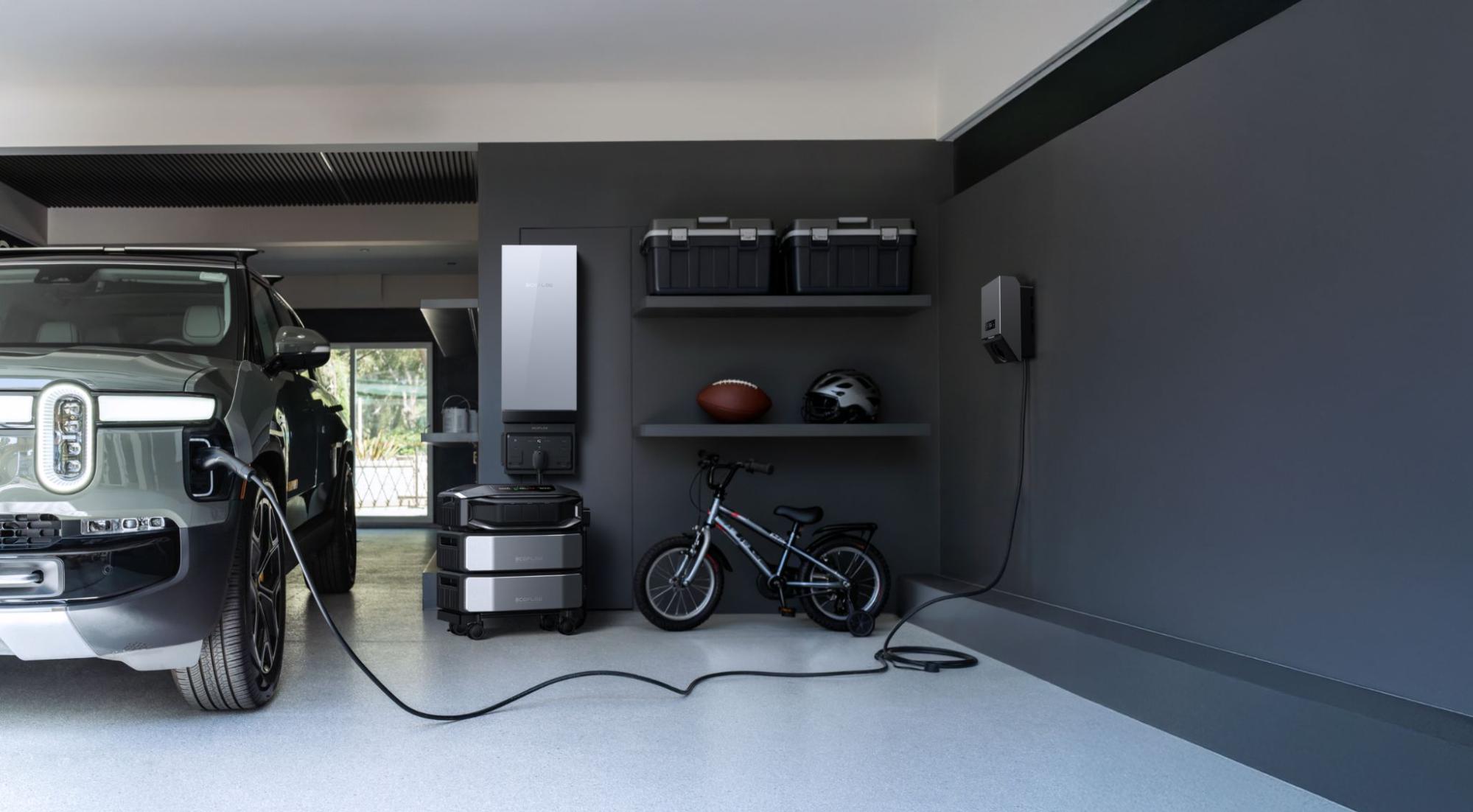
For households with higher energy needs, pairing your EV charger with a whole-home generator can provide backup power during outages while also potentially balancing electricity use more efficiently.
How Public EV Charging Costs Work
Public EV charging provides flexibility and convenience. However, these chargers often come with a more complex pricing structure compared to home electricity. Costs can vary by station, location, network, and charging speed.
Most public chargers charge either per kilowatt-hour (kWh) or per session, and some also include additional fees, such as idle fees if your vehicle remains connected after charging completes. Fast chargers deliver power much more quickly but typically cost more per kWh than slower Level 2 chargers.
Location also matters: urban areas or highway stations often have higher rates due to demand.
Comparing the Cost of Charging at Home vs Public Stations
Home charging is usually cheaper, thanks to lower electricity rates and off-peak scheduling, while public stations charge more (especially fast chargers) and may include extra fees.
Over time, home charging can save hundreds of dollars annually. Public charging is essential for long trips or urban drivers without home access, but frequent use can get costly.
Tools like AI optimized EV charging can help schedule charges for the lowest rates at home.
How Smart Home Energy Systems Can Improve EV Charging Costs
Smart home energy systems can significantly reduce the cost of charging an EV by optimizing when and how electricity is used. These systems monitor energy demand, electricity rates, and your EV’s charging needs to schedule charging during off-peak hours when electricity is cheapest. Some setups can even integrate solar panels or a whole-home backup power solution like the EcoFlow DELTA Pro Ultra X, which can lower reliance on grid power and cut costs.
Advanced systems can also manage multiple home appliances alongside EV charging, which prevents energy spikes and avoids higher utility rates.
Frequently Asked Questions
Is It Cheaper To Charge an EV at Home or at a Public Station?
In most cases, charging an EV at home is cheaper. Residential electricity rates are generally lower than public charging fees, and you can save even more by charging during off-peak hours. While public stations are convenient especially for long trips or urban drivers without home access, they often charge higher rates.
Why Do Public EV Fast Chargers Cost More?
Public fast chargers deliver electricity at much higher speeds than standard chargers, which requires more advanced equipment and infrastructure. The faster charging capability often comes with higher electricity costs per kilowatt-hour, plus network fees or additional session charges.
Home EV Charging Reduces Long-Term Electricity Costs
Choosing where to charge your EV has a real impact on both convenience and cost. Home charging is generally the most affordable option, especially when paired with smart home energy systems or off-peak electricity rates. Public stations often come with higher fees.
By understanding the economics of each option and using tools like EcoFlow DELTA Pro Ultra X for reliable home power and backup, EV owners can maximize savings, plan efficiently, and enjoy the flexibility of charging whenever and wherever it’s needed.
For press requests or interview opportunities, reach out to our media team
media.na@ecoflow.com