Extreme Weather Events: Which Are the Most Deadly?
There’s no question that extreme weather events can be destructive. Around the world, weather events like hurricanes, typhoons, and tsunamis cause billions of dollars worth of damage every year. Sadly, they also cause loss of life.
The deadliest weather events are not those that cause the most destruction, but rather those that result in the largest number of fatalities. In the US, detailed statistics are kept by the likes of FEMA to help authorities understand what causes loss of life in extreme weather and how these events can be made less deadly in the future.
Let's take a look at the deadliest types of weather events in the United States. We’ll also dive into how you can stay prepared and protect your family from these devastating tragedies.
How Deadly Weather is Measured
In the US, deadly weather is tracked through official death records and detailed event logs maintained by federal agencies. A fatality is counted when exposure to a hazard like extreme heat, cold, flooding, or storms is listed as an underlying or contributing cause of death on a death certificate.
The National Weather Service, part of the National Oceanic and Atmospheric Administration (NOAA), collects this information in its Storm Data system and publishes annual "Weather-Related Fatality and Injury Statistics." There is also the Storm Events Database, maintained by the National Centres for Environmental Information (NCEI). The Centers for Disease Control and Prevention (CDC) also uses national death certificate data to estimate weather event fatalities.
The Deadliest Extreme Weather Events in the US
Heat Waves
Proving that it's not always the most dramatic events that cause the most fatalities, extreme heat causes more deaths on average than any other type of extreme weather. Heat deaths average 238 over the past 10 years and 199 over the last 30 years, which is more than any other kind of extreme weather.
Many areas of the US are prone to extreme heatwaves in the summer, and the Environmental Protection Agency (EPA) predicts that such events will become more frequent. For example, back in the 1960s, major cities in the US experienced heatwaves on average twice per year. These days, they experience six heat waves per year.
Hurricanes and Tropical Storms
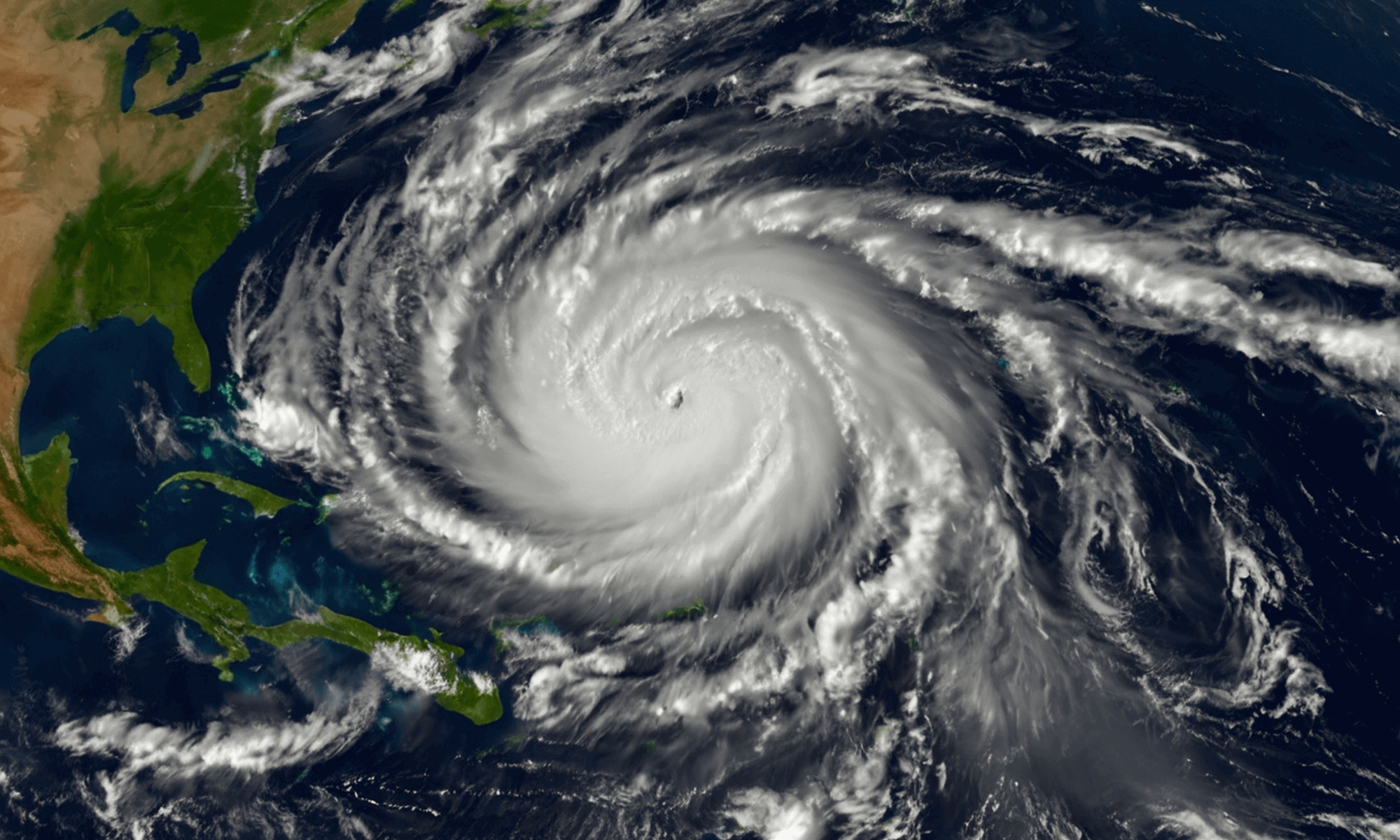
Hurricanes are among the most dramatic weather events, and they often make big headlines when they occur in or near the US. Fortunately, severe hurricanes are relatively predictable, and areas that experience them can take steps to prepare.
Still, these powerful storms kill people every year. Around 3500 people have been killed in the US by hurricanes since 1940, which gives a 10-year average of 27 per year, and 51 per year over the last 30 years.
Floods
Floods are another extreme weather phenomenon that is becoming more common. Coastal flooding has increased steadily over the past few decades, with floods occurring at least five times more frequently in coastal areas than they did in the 1950s. However, you don't need to live near the coast to be vulnerable to flooding. Lakes and rivers can also burst their banks, causing immense damage and fatalities.
Over the last 10 years, floods have killed, on average, 113 people a year. That makes them the second most deadly natural disaster after extreme heat.
Winter Storms
Winter storms can occur anywhere, although certain areas are more susceptible to them than others. High winds, heavy rain, snowfall, and cold temperatures combine to create a potentially deadly event. Even worse, these events often cause power outages, which can contribute to the death toll as vital life-support systems shut down.
That's why it's a good idea to protect your home's power supply with a backup power system. Winter fatalities claim lives every year in the US, so these storms are not to be taken lightly.
Tornadoes
Like hurricanes, tornadoes often attract a lot of press coverage. However, in many parts of the United States, they are an expected part of the seasonal cycle.
That doesn't mean they can’t be deadly, though. In 2024, 52 fatalities occurred due to tornadoes. Like hurricanes, they can also cause massive property damage and further injury or loss of life through power outages.
The Danger of Power Outages and How to Prepare
A loss of power can easily turn a weather event into a life-threatening situation. Losing electricity can disable heating and cooling systems, interrupt medical devices, spoil food, and disrupt communication when you need it the most.
Being properly prepared can help reduce this risk so you can stay safe in any weather. Here's how:
Plan for multi-day outages, not just short interruptions.
Keep backup power available for critical appliances and medical needs.
Consider modular systems that can keep your whole house powered in the event of an emergency.
Frequently Asked Questions
What Is the Deadliest Type of Extreme Weather in the US?
According to statistics kept by the National Weather Service over the last 80 years, extreme heat has been responsible for more fatalities in the United States than any other kind of extreme weather.
Are Extreme Weather Events Becoming More Deadly?
Yes. Studies conducted by the Environmental Protection Agency indicate that extreme heat, flooding, and wildfires are all more prevalent than they were in the past. Higher sea temperatures also contribute to more frequent and more powerful hurricanes.
Why Do Heat Waves Cause So Many Fatalities?
Extreme heat puts stress on the body, especially if cooling systems fail. Dehydration, heatstroke, and heart strain escalate quickly, particularly among older adults, outdoor workers, and people with medical conditions. Plus, heat-related illness can creep up on people without them realizing it's happening.
How Do Power Outages Increase Weather-Related Deaths?
Power outages cause food to spoil, shut down heating and cooling systems that protect people from the weather, and can shut off essential lifesaving medical equipment. Power outages often significantly contribute to the death toll of extreme weather events.
Staying Safe in Extreme Weather
Many areas of the US are prone to extreme weather. Staying prepared is the best way to protect your family. Having an escape plan, creating an emergency supply kit, and planning for power outages can help you stay safe in any situation. Often, surviving these dramatic weather events comes down to the preparation you do before they happen.
If you're interested in essential home backup power for blackouts and power outages, check out EcoFlow's DELTA 3 Series.
EcoFlow makes portable power solutions for every kind of home and outdoor adventure. Check out our selection today.
For press requests or interview opportunities, reach out to our media team
media.na@ecoflow.com