What’s the Difference Between UPS Systems and Generator Backup?
- UPS vs Generator Backup: The Difference That Matters in an Outage
- What a UPS System Does and When It’s the Right Fit
- What Generator Backup Does and When It’s the Right Fit
- How UPS and Generator Backup Work Better Together
- How to Choose Between a UPS, a Generator, or a Hybrid Backup Setup
- Frequently Asked Questions
- Build a Backup Plan That Protects Your Devices and Your Routine
If you're in the market for a backup power solution, you've likely found yourself comparing UPS and generator backup. If you're confused between these terms, the key difference is its failure mode: UPS delivers near-instant production for sensitive electronics, and a generator provides sustained power for larger loads over extended outages.
Which one is right for you depends on what you need to protect, how long the outages typically last, and how quickly you need the power to turn back on.
UPS vs Generator Backup: The Difference That Matters in an Outage
The core difference between a UPS and a generator backup is the response time and duration. A UPS is built to protect sensitive electronics the instant grid power drops, whereas a generator is built to sustain a household or a few essential circuits once it's up and running.
These aren't competing products, though. They can be used in tandem to address different phases of an outage.
A standby UPS switches its connected equipment to its own inverter when the incoming voltage drops in as little as 2–25 ms, fast enough that most devices don’t register an interruption.
Generators typically start within 2–10 seconds, following the signal from an automatic transfer switch. The full delivery window can run 10–20 seconds, which can be long enough for certain electronics to shut down.
Think of the standby UPS as protecting your computers, drives, servers, and networking gear. And your generator as a sustaining power source for larger loads like refrigerators, HVAC, and other high-draw appliances.
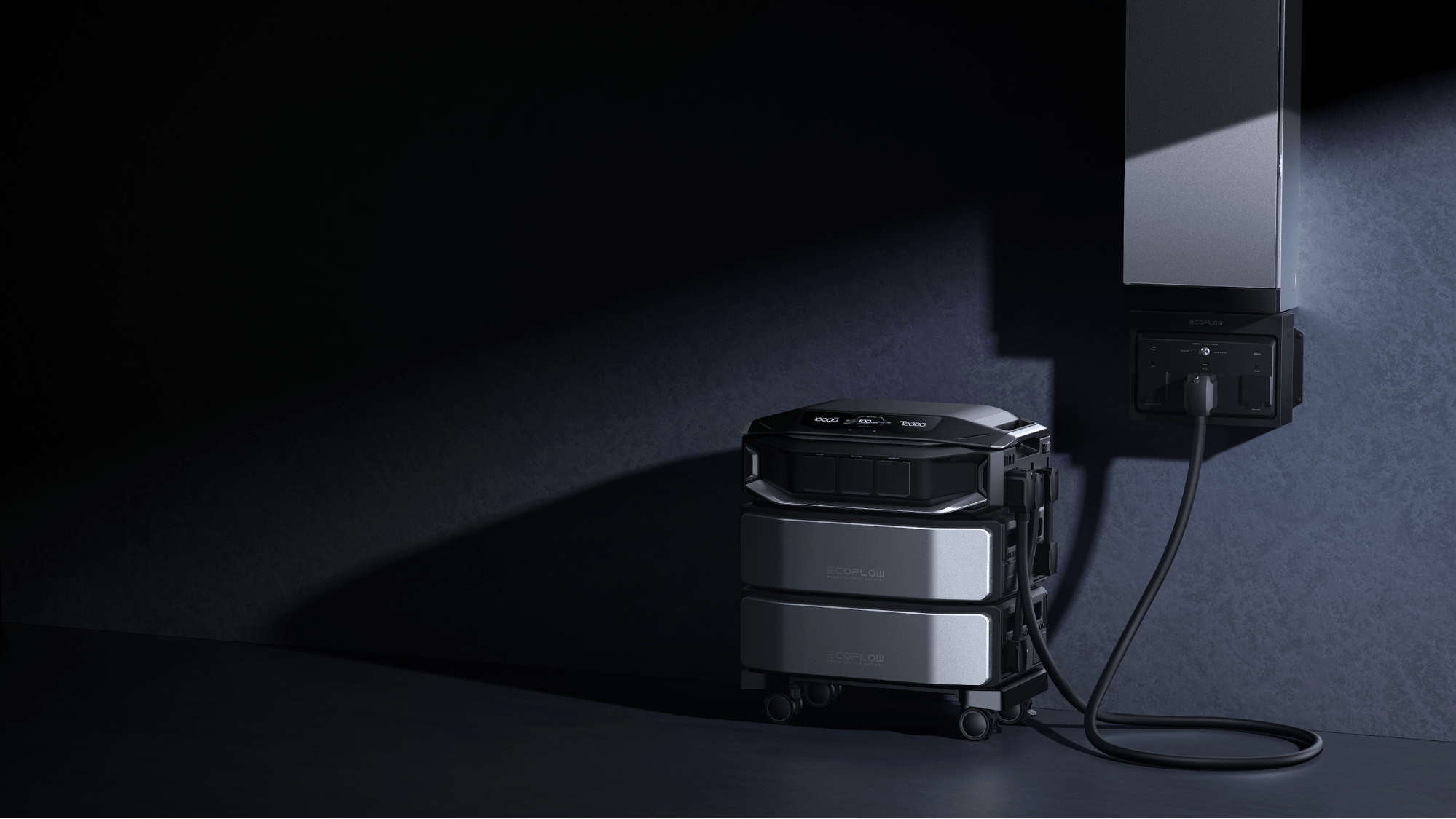
If you want a single system that handles both roles, a whole-home battery backup solution like the EcoFlow DELTA Pro Ultra X + Smart Home Panel 3 combines instant switchover (under 30ms) with scalable capacity, so you get the fast response of a UPS and the sustained runtime of a generator in one integrated system.
What a UPS System Does and When It’s the Right Fit
Power Conditioning, Surge Protection, and Short Runtime to Prevent Data Loss and Downtime
A UPS is the intermediary between a wall outlet and your sensitive equipment. It constantly monitors the incoming power quality and switches to battery backup the moment that quality drops, protecting against outages, voltage sags, surges, or line noise.
A UPS is an appropriate option for your home office, your workstation, or security system, or devices that would shut down and lose data or damage hardware if the power drops.
It has specific features to avoid that:
Power conditioning – filters out electrical motors and minor voltage fluctuations, before reaching connected equipment.
Surge protection – absorbs the voltage spikes from grid events or lightning to protect motherboards, drives, and network hardware.
Automatic Voltage Regulation (AVR) – available in line-interactive UPS systems to correct minor voltage fluctuations without drawing on battery power.
Short runtime – provides enough time to save your work and shut down safely, or hold the power steady while a generator has time to start.
What Generator Backup Does and When It’s the Right Fit
Longer Runtime for Essential Circuits, but With Startup Delay, Maintenance, and Fuel Planning
A home backup generator is worth it when outages tend to last hours or days, your household has high outage essential loads, and long run time is your priority.
However, you'll need to plan for a startup delay, regular maintenance, and fuel supply. Maintenance includes regular oil changes, load testing, and battery checks for the starter.
You may also want to pair it with the UPS, because a generator's automatic transfer switch will still have a gap between the outage detection and creating a stable output.
How UPS and Generator Backup Work Better Together
To get the best of both worlds, combine a UPS with a whole-home generator. The UPS will get to work immediately when an outage happens, bridging the gap until the generator can turn on and create a stable power supply for continuous backup.
Together, they'll provide both immediate protection and extended run time, providing a more comprehensive, layered approach.
How to Choose Between a UPS, a Generator, or a Hybrid Backup Setup
Making the right decision comes down to understanding:
Which devices you need to protect
The total wattage of those devices
how long you need backup power
How quickly you need the power to be restored when an outage hits
When choosing a UPS, battery backup, or hybrid solution, start with what you're protecting: a UPS can sufficiently cover sensitive electronics with short outage exposure and low wattage.
If you have whole-house loads or outages tend to be prolonged in your area, a generator or capable battery backup system makes more sense.
But if both concerns are present, a layered setup is the most comprehensive.
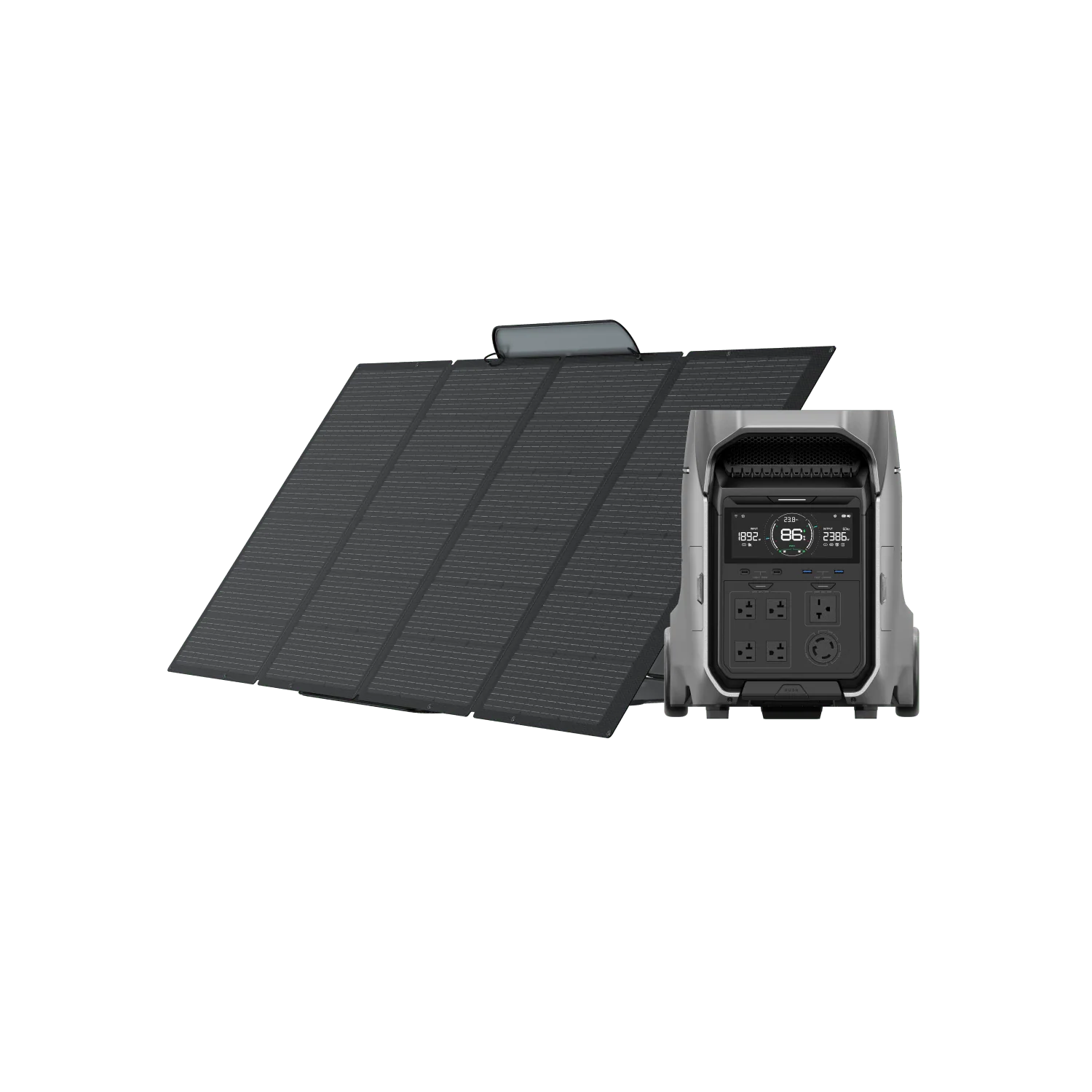
To get both functions, consider something like the EcoFlow DELTA Pro 3 + 400W Solar Panel, which offers a 10ms UPS mode switchover, and a base capacity of 4kWh (expandable up to 48kWh with extra batteries) to cover both your instant transfer need and sustained runtime needs.
For whole-home coverage, the EcoFlow DELTA Pro Ultra X + Smart Home Panel 3 takes this further, pairing scalable battery capacity with automatic transfer and solar compatibility for a fully integrated home energy backup system.
Frequently Asked Questions
Do I Need a UPS if I Already Have a Generator?
A generator likely leaves a startup gap of 10–20 seconds, creating a gap when sensitive devices are unprotected and might shut down. A UPS protects your computer's networking gear and sensitive devices to fill that gap, and adds meaningful protection that your generator can’t provide.
How Long Can a UPS Run Compared to a Generator?
Standard UPS battery run time is about 5–10 minutes under a full load, whereas a generator is built for longevity. Natural gas generators can run indefinitely, while propane models depend on the size of the tank. For battery backup generators, runtime depends on the capacity and load.
Is a Portable Power Station the Same as a UPS or a Generator?
A portable power station is in its own category. It has more battery capacity than a UPS. But unlike a traditional generator, it does not require fuel or produce emissions, so you can operate it safely indoors.
Build a Backup Plan That Protects Your Devices and Your Routine
The functional difference between a UPS and a generator backup is how quickly they protect your devices and how long they can sustain them. The UPS provides instant protection, while a generator is ideal for sustained runtime across larger looms.
But the right choice depends on what you need to protect and for how long. And if both concerns apply, a layered or all-in-one approach gives you the most complete coverage.
To explore solutions that provide the benefits of both in one system, browse EcoFlow's whole-home backup power solutions.
For press requests or interview opportunities, reach out to our media team
media.na@ecoflow.com