Deep-Sea Fishing Checklist: What to Pack for a Charter Trip
- Key Preparation Steps Before Your Deep Sea Fishing Charter
- Essential Personal Gear: What to Pack for Comfort and Safety
- Charter-Provided Equipment vs. Your Must-Haves: A Quick Comparison
- Step-By-Step Packing Guide for the Night Before a Deep Sea Charter
- Your Next Step for a Successful Deep Sea Fishing Adventure
- Frequently Asked Questions
Deep sea fishing takes you miles offshore into waters deeper than 100 feet, and one forgotten item can turn the trip into a sufferfest. This checklist strips away every non-essential and gives you only the exact packing steps, gear, and prep that keep you safe, legal, and focused on fish. Nothing is here by accident.
Key Preparation Steps Before Your Deep Sea Fishing Charter
Preparation determines whether you land fish or battle preventable problems. Address these three areas before the dock and you remove the most common trip-wreckers.
Booking Confirmation and License Requirements
Call the charter office 48 hours before departure to confirm time, dock location, and any schedule changes; noshow disasters almost always trace back to a missed confirmation. Verify saltwater fishing license requirements for your specific departure port, because some charters cover you under a blanket permit while others demand you hold your own. Screenshot the captain's number, the license QR code, and any email confirmation so you are never stuck searching for a signal at the marina.
Physical Readiness and Motion Sickness Prevention
Hydrate aggressively the night before and avoid alcohol entirely, because dehydration and hangovers amplify seasickness dramatically.
Start overthecounter motion sickness medication the night before, not on the dock; most prophylactic regimens require a dose 812 hours ahead plus a second dose one hour before boarding.
Pair medication with acupressure wristbands and pack plain crackers, because an empty stomach worsens nausea while greasy food triggers it.
Once underway, staying lowcenter, eyes on the horizon, and breathing fresh air remain the crew's goto realtime relief commands.
Weather Forecast and Tidal Checks
Check wind speed, gust forecasts, swell height, and tide times through a marine weather app the evening before. Gusts above 15 knots or swells exceeding 4 feet turn a comfortable trip into a rough, gearspilling ordeal, so these numbers directly dictate whether you need extra layers and full rain gear. Tide swings also concentrate bait and game activity, and knowing the tide shift windows helps you mentally prepare for the most productive fishing blocks.
Nailing these pre-trip logistics eliminates the most common on-water problems before you even leave the dock.
Essential Personal Gear: What to Pack for Comfort and Safety
Charter services cover rods and bait, but personal items separate an enjoyable adventure from a 10hour endurance test. Each piece below solves a specific threat to your body and focus.
Polarized sunglasses cut surface glare and let you see bait balls and color changes that signal game fish, giving you a visual edge before the bite starts.
SPF 50+ sunscreen, SPF lip balm, and a UV neck gaiter prevent burn from waterreflected sunlight, which doubles UV exposure and torches skin within two hours.
A lightweight, quickdry longsleeve shirt and board shorts reduce chafing, block sun damage, and thermoregulate without overheating.
Nonmarking, closedtoe deck shoes with siped soles keep you stable on wet fiberglass and comply with most boat footwear rules.
An insulated water bottle loaded with electrolyte packets fights dehydration, the primary trigger for fatigue and motion sickness.
Fingerless sun gloves provide grip on the rod, protect hands from braided line cuts, and prevent sunbaked skin on exposed knuckles.
A compact dry bag stores your phone, wallet, spare layer, and medication in one splashproof container you can clip to the boat.
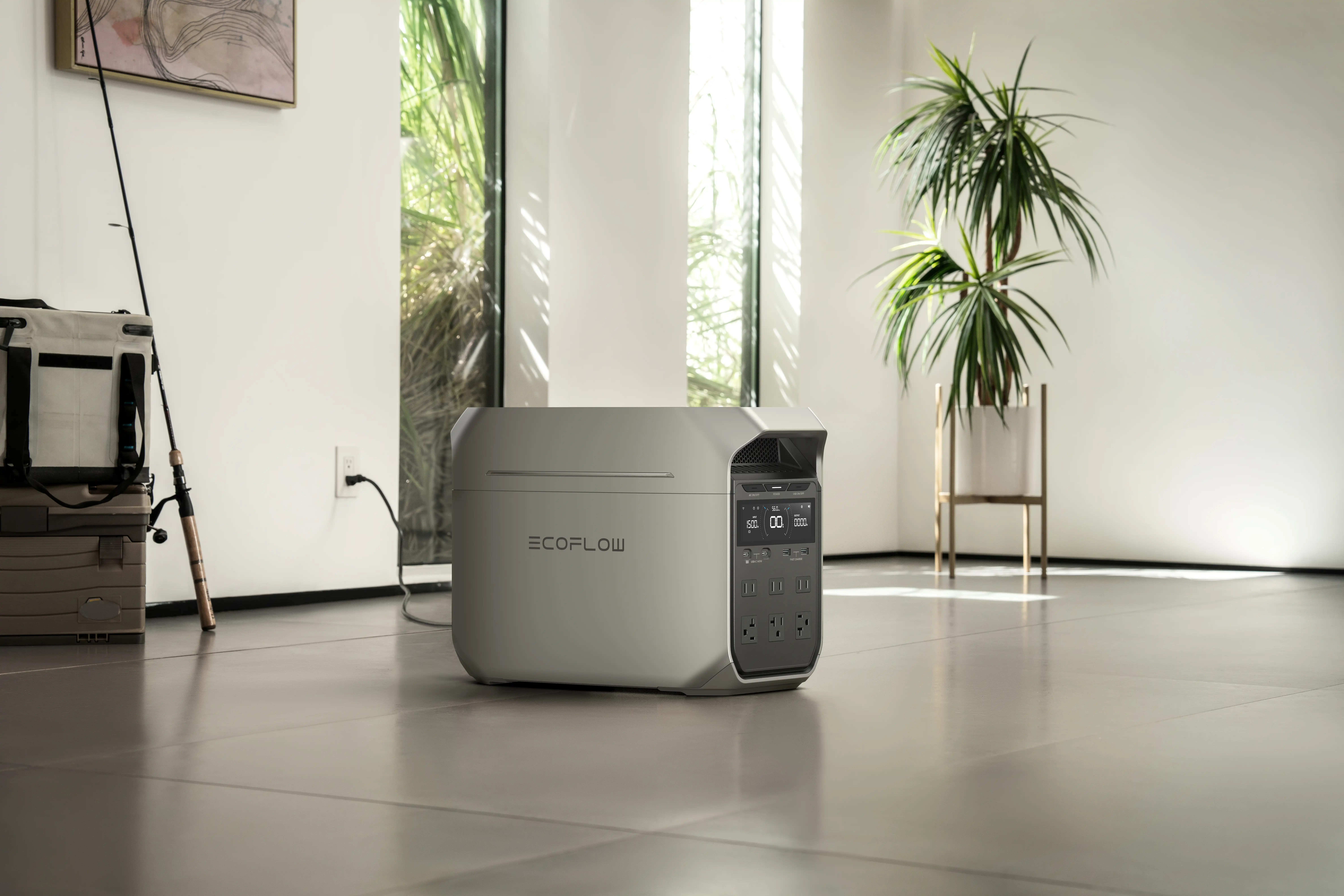
A portable power station like the EcoFlow DELTA 3 Plus with 220W Portable Solar Panel keeps phones, cameras, and devices charged. Expandable 1–5kWh capacity, 1800W AC output (2200W surge with X-Boost), and 5 recharging methods including solar and alternator charging support offgrid reliability. Covered by a 5year warranty.
Personal items protect your skin, balance, and energy reserves - variables no charter can control.
Charter-Provided Equipment vs. Your Must-Haves: A Quick Comparison
Confusion about who supplies what leads to costly overpacking or dangerous gaps. This table clarifies standard charter provisions so you never carry duplicate gear yet never miss a critical personal item.
Item Category | Typically Provided by Charter | What You Should Bring |
|---|---|---|
Fishing Rods and Reels | Heavy trolling setups and spinning combos matched to target species | Nothing unless the crew approves a specialty personal rod |
Bait and Lures | Fresh dead bait, artificial lures, and rigs suited for local deep sea fish | Do not bring your own; boat hygiene rules prohibit outside bait |
Tackle and Terminal Gear | Hooks, sinkers, leaders, swivels | Pocket pliers and a line cutter in your personal bag are useful |
Deep Sea Fish Handling | Gaffs, landing nets, release tools | Your own gloves if you prefer a specific grip style |
Safety Equipment | Life jackets, fire extinguishers, first aid, VHF radio | Prescription medications, EPI pens, and a seasickness remedy that works for you |
Food and Drinks | Often limited to water; some boats offer snacks | Pack your own lunch, highprotein snacks, and at least two liters of water |
Storage and Seating | Limited deck space, fighting chair if available | A small, softsided cooler/stool hybrid and a small waterproof backpack |
Erring on the side of personal essentials while trusting the boat for specialized gear cuts bulk and keeps you prepared.
Step-By-Step Packing Guide for the Night Before a Deep Sea Charter
A rushed morning leads to forgotten essentials. Follow this sequence the night before departure to lock in a stressfree launch.
Confirm the charter's departure time, marina address, and parking situation; screenshot the captain's contact number and save it offline.
Check the ocean forecast again; adjust clothing layers and rain gear based on wind and swell predictions.
Lay out all clothing and personal gear items visibly on a flat surface, checking each against the personal gear checklist above.
Pack the dry bag with your phone inside a waterproof case, wallet, keys, medications, and a spare insulating layer.
Fill the insulated water bottle halfway, freeze it, then top off in the morning so the water stays cold for eight hours.
Prepare a lunch box with simple, highprotein food: a sandwich, jerky, trail mix, and fruit; avoid greasy or spicy meals that upset your stomach on moving decks.
Take seasickness medication exactly according to the prophylactic schedule (nightbefore dose plus morning dose if required by the product instructions).
Set two alarms 15 minutes apart, and place a backup alarm across the room; adequate sleep is non-negotiable for balance and reaction time.
This sequence eliminates decision fatigue and prevents any single missing item from wrecking the trip. Pour all information into action: lay everything out now.
Your Next Step for a Successful Deep Sea Fishing Adventure
Deep sea fishing success starts long before you board. Pre-trip logistics, the right personal gear, knowing what the boat provides, and following a night-before packing routine keep you safe and focused on the water. Print or screenshot this checklist, run through each step, and don't forget power essentials like the EcoFlow DELTA 3 Plus to keep your devices charged all day. Arrive on deck calm, equipped, and ready to focus on the fish. No filler, just go.
Frequently Asked Questions
Q1. What Are the Most Common Deep Sea Fish Caught on Charter Trips?
Anglers typically land tuna, mahi-mahi, wahoo, marlin, sailfish, and various grouper and snapper species depending on the region and season. Deep sea fish targets vary, so captains choose fishing locations based on active migration patterns, water temperature breaks, and local bottom structure.
Q2. How Early Should You Arrive for a Deep Sea Fishing Charter?
Arrive at the marina at least 30 minutes before your scheduled departure time. This window gives you enough time to park, use the restroom, load your personal gear, review boat safety instructions, and let any last-minute motion sickness medication settle in your system without delaying the crew or cutting into your actual fishing time.
Q3. Can I Go Deep Sea Fishing Without Prior Experience?
Yes, most charter captains and deckhands welcome complete beginners. You do not need prior fishing knowledge because the crew handles the rigging, baiting, and overall strategy. Focus on following safety commands, learning basic reel operation, and maintaining your balance—physical stamina and a good attitude matter far more than past experience.
Q4. What Should I Do if I Get Seasick During Deep Sea Fishing?
Tell the crew immediately, then head to the middle of the boat, fix your eyes on the horizon, and stay out in the fresh air. Take any backup medication you brought, sip cold water, and nibble on plain crackers to settle your stomach. Because real-time relief offshore can be tough, aggressive prevention before leaving the dock remains your best defense.
Q5. Why Do Deep Sea Fishing Charters Leave So Early in the Morning?
Dawn departures capitalize on reduced wind, calmer sea conditions, and heightened fish feeding activity during low-light hours. Starting early also ensures you return to the dock before afternoon thermal winds pick up rough seas, maximizing your time spent actively fishing.
For press requests or interview opportunities, reach out to our media team
media.na@ecoflow.com