Outdoor Adventure Activities for Adults, Sorted by Intensity
Outdoor adventure activities for adults do not have to mean extreme. There is a wide range between a relaxed hike on a well-marked trail and a whitewater rafting trip through Class IV rapids, and most people find their favorite version of adventure somewhere in between rather than at either extreme. The trick is figuring out where on that spectrum you actually want to be before browsing a long list of options that were never sorted by intensity in the first place.
Longer or more remote adventures often mean bringing your own power along, since outlets get scarce the further you get from a trailhead parking lot. A portable power station is worth having on hand once a trip stretches beyond a single day, and full specs and use cases for that come later in the "Multi-Day Adventure Trips" section.
This guide covers adrenaline-driven adventures, water-based activities, lower-key options, and what changes once an adventure stretches across multiple days.
Outdoor Adventure Activities for Adults: Where to Start
Intensity level, not age or experience, should drive the choice when picking from the wide range of outdoor adventure activities for adults available today. The National Park Service's camping safety guidance recommends matching activities to your group's abilities and experience and knowing your limits before heading out.
Picking a Comfort Level Before You Pick an Activity
It helps to think in terms of adrenaline, water, or low-key before browsing specific activities, since that framing narrows down a long list fast. Most of these activities scale from beginner-friendly guided versions to advanced independent versions, so a comfort level today does not lock anyone into that same level forever. For readers who want to browse a wider range of outdoor and recreational content, EcoFlow's recreational activities hub covers plenty of ground beyond what fits in a single guide.
Adrenaline-Driven Adventures
For readers chasing more of a rush, these activities sit at the higher-intensity end of the spectrum.
Ziplining
Most commercial zipline courses require no prior experience and provide full gear and instruction, which makes this one of the more approachable adrenaline activities on the list. A typical first-timer session starts with a short briefing on harness fit and braking, then moves straight into the course itself. Course length and height vary widely between outfitters, so it is worth checking reviews before booking a specific course rather than assuming they are all the same experience.
Whitewater Rafting
Rapid classifications range from Class I-II for beginners up to Class III and above for more experienced rafters or a more demanding guided trip. The classification system generally reflects wave size, obstacle frequency, and how much technical maneuvering a raft needs to get through cleanly. American Whitewater's river difficulty guide explains how these ratings work and why conditions can change the difficulty of a run. First-timers should book a guided trip, since a licensed guide handles route selection and the safety briefing that makes the difference between an exciting day and a dangerous one.
Rock Climbing
Most adults start at an indoor climbing gym before moving to outdoor top-rope climbing or bouldering, which gives a controlled environment to build technique first. A gym also strips away the variables that make outdoor climbing harder to learn on day one, like unpredictable rock quality and route-reading without pre-marked holds. Outdoor climbing adds route-finding and gear considerations well beyond what a gym teaches, so that transition is worth taking seriously rather than rushing.
Water-Based Adventures
These activities center on lakes, rivers, or coastline, and most scale comfortably from a first try to a full hobby.
Kayaking and Paddleboarding
Both are approachable for beginners on calm water and scale up to whitewater or coastal touring as skills build. The basic gear difference comes down to balance and stability: a paddleboard demands more balance to stay upright, while a kayak offers more stability for new paddlers still finding their footing, so to speak, on the water.
Boating
Boating covers a wide range, from a rented pontoon for a relaxed day on the water to sailing or powerboating for a more hands-on adventure. Many lakes and marinas offer rentals, which gives a low-commitment way to try boating before buying any gear of your own, and most rental outfits include a basic safety orientation before handing over the keys.
Lower-Key Outdoor Adventures
For readers who want time outside without chasing adrenaline, these options fit just as well under the outdoor adventure activities for adults umbrella.
Hiking
Picking a trail by distance and elevation gain tends to work better than relying on difficulty labels alone, since those labels vary considerably by region and by the person who wrote them. A trail marked "moderate" in one park guide might match an "easy" rating somewhere else entirely, which is why raw numbers tend to be more reliable than a subjective label. Starting with a well-trafficked local trail before attempting a longer or more remote route is the safer way to build up mileage and confidence.
Mountain Biking and Horseback Riding
Many mountain biking trail systems grade routes similarly to ski runs, from green to black, which makes it easy to find an appropriate starting point. Horseback riding works as a guided-trail option for most adults, with no ownership or prior riding experience required at most outfitters that offer trail rides.
Multi-Day Adventure Trips
Once an adventure stretches across multiple days, the gear list and the planning around it both change.
Combining Camping With an Activity
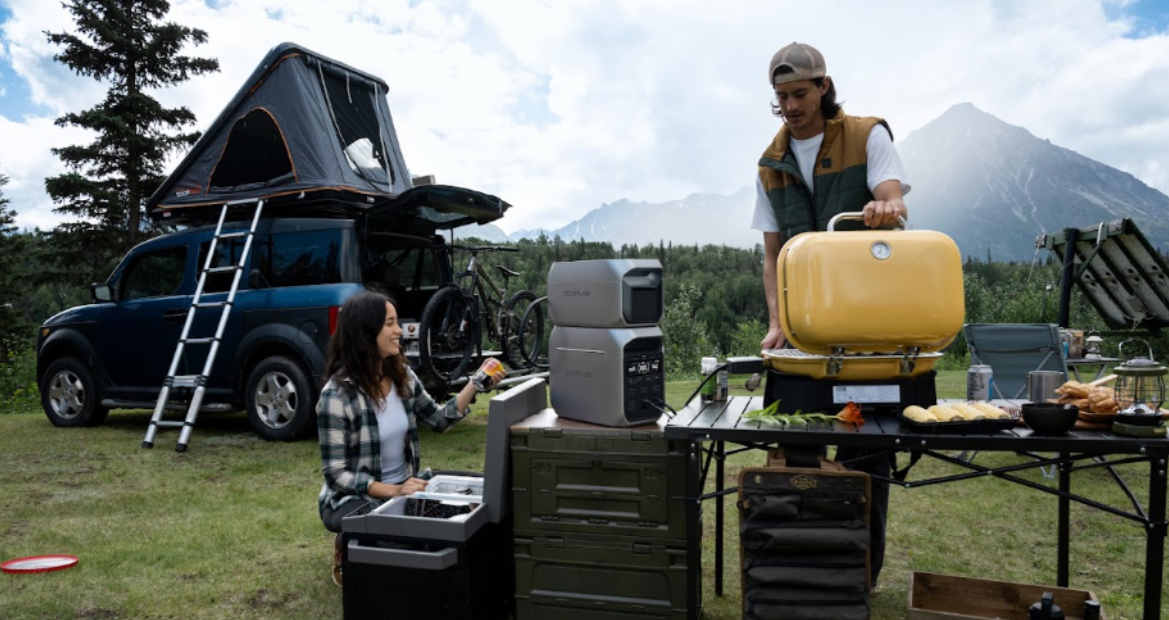
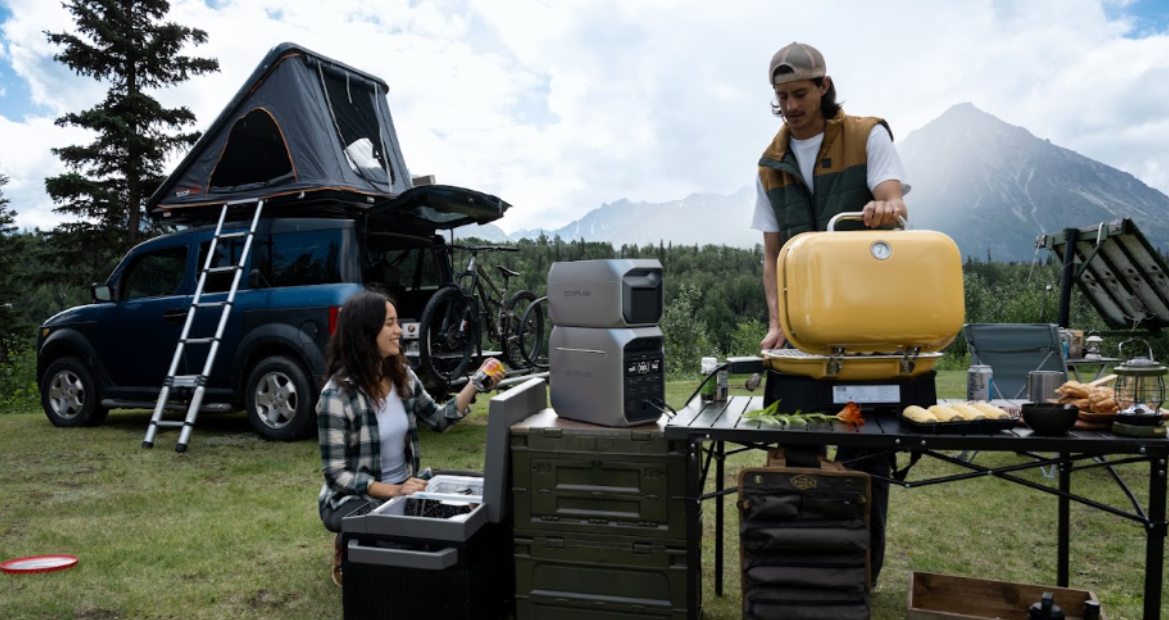
Pairing camping with rafting, backcountry hiking, or a multi-day paddle turns a single activity into a full trip rather than a day out. Multi-day trips require more self-sufficient gear overall, since resupply and charging options are limited once you are away from civilization for more than a day or two, and a single missed resupply point can mean rationing food or backtracking miles out of the way.
Powering a Multi-Day Trip Away From Civilization
Phones, GPS devices, cameras, and camp lighting all need charging over several days with no outlet nearby, which makes power planning as important as food and water planning for a longer trip. Running out of GPS battery a day into a backcountry route is a far bigger problem than running out on a short hike close to the trailhead.
D3P + 220W is a compact solar and power station combo suited to weekend-length trips.
D3M + 400W steps up to a larger-capacity and higher-wattage solar combo built for longer stretches or bigger power draws.
If you're comparing options beyond these two combos, browsing the full solar generator collection is a good next step.
Getting Started Without Overcommitting
For readers new to this whole category, a few habits keep the early stages from feeling overwhelming.
Renting or Booking a Guided First Trip
Renting gear or booking a guided outing before buying anything makes sense for most activities on this list, since nearly all of them have low-commitment entry points built for first-timers. A guided first trip also teaches safety basics that are harder to pick up from an article alone, no matter how thorough the article tries to be.
Building Up to Bigger Adventures
Once a reader has a few activities under their belt, stacking smaller adventures into one trip, a weekend that combines hiking and kayaking, for example, is a natural next step. For more on combining multiple outdoor interests into one trip, hobby stacking outdoors covers how to build that kind of weekend. For readers who want to keep exploring once the weather turns, winter indoor and outdoor activity ideas pick up where warm-weather adventures leave off.
Conclusion
The best outdoor adventure activity for an adult is whichever one matches their current comfort level, with plenty of room to build from there as skills and confidence grow. Having reliable power on hand becomes worth planning around once a weekend trip turns into a multi-day one, so the adventure stays the focus instead of a dead phone or an empty camera battery.
Frequently Asked Questions
What outdoor adventure activities are good for beginners?
Guided options like a beginner zipline course, calm-water kayaking, a well-trafficked hiking trail, or a guided horseback trail ride all work well for someone new to outdoor adventure, since they come with instruction and low-commitment entry points.
What gear do I need for a multi-day outdoor adventure trip?
Beyond activity-specific gear, multi-day trips need more self-sufficient supplies overall, including a way to charge phones, GPS devices, and camera batteries, since resupply and outlets are limited once you are away from civilization.
Is whitewater rafting safe for beginners?
Yes, especially on Class I-II rapids and with a guided trip, where a licensed guide handles route selection and safety briefing. Beginners should avoid Class III and above without prior experience or a highly experienced guide.
What is the difference between kayaking and paddleboarding?
A paddleboard demands more balance to stay upright, while a kayak offers more stability for new paddlers, though both are approachable for beginners on calm water and scale up to more advanced conditions with experience.
How do I stay powered on a multi-day camping and adventure trip?
A portable power station paired with a solar panel lets you charge phones, GPS devices, and camp lighting without needing an outlet, with larger capacity options available for longer trips or bigger power draws.
For press requests or interview opportunities, reach out to our media team
media.na@ecoflow.com