Bass Fishing in Summer: Where They Go and How to Catch Them
Bass fishing in summer comes with a challenge spring anglers rarely have to think about: heat. As water temperatures climb, bass shift where they hold, how aggressively they feed, and what time of day they are even worth targeting. Tactics that worked reliably a few months earlier can go quiet almost overnight once the heat sets in, which leaves a lot of anglers fishing the wrong water at the wrong time without realizing why the bite dried up.
Long, hot days on the water also put more strain on gear than most trips earlier in the year. Two power stations anglers are increasingly pairing with summer trips are the DELTA 3 Plus, useful for running an aerator and electronics through a full day, and the DELTA 3 Classic, a lighter, more budget-friendly option for shorter trips.
This guide covers how bass behavior shifts with the heat, the best times to fish, how to match bait to water temperature, and how to keep fish healthy if you plan on releasing them.
Why Bass Fishing in Summer Requires a Different Approach
Warm water changes nearly everything about where bass sit and how aggressively they feed, which is why bass fishing in summer calls for a different playbook than spring or fall.
How Rising Water Temperatures Change Bass Behavior
Warmer water can make oxygen management especially important when bass are held in a livewell. Texas Parks & Wildlife's Livewell Management guide explains how dissolved oxygen levels decline as water temperatures rise and provides practical guidance for reducing stress and mortality in summer conditions.
As water temperature climbs through summer, bass become less active and far more sensitive to oxygen levels. Warm water simply holds less dissolved oxygen than cool water, so bass conserve energy and avoid the warmest, most oxygen-poor zones whenever they can.
That drop in activity does not mean bass stop needing to eat. Their metabolism actually stays high in warm water, so they still need to feed, just more efficiently and with less wasted movement chasing bait around open water.
Where Bass Move as the Day Heats Up
As the sun climbs, bass push toward shaded structure: docks, lily pads, and overhanging trees that block direct light and hold slightly cooler water underneath. These shaded pockets become magnets for fish trying to avoid the worst of the afternoon heat, and they often hold multiple fish stacked together rather than spread out the way they might be in spring.
As surface temperatures keep rising through the afternoon, bass often move deeper, seeking the thermocline where oxygen levels and temperature stay more stable than they are near the surface. This is often the layer where a graph or fish finder starts showing bait balls and bass suspended together, well below where a topwater lure would ever reach them. Early in the day, before the heat fully sets in, bass may still be shallow and feeding aggressively, which is exactly why timing matters as much as location.
Best Times to Fish for Bass in Summer
Knowing where bass go is only half the picture; when you fish matters just as much during the hottest months.
Early Morning and Late Evening Windows
Low light and cooler water in the first and last hours of the day trigger more aggressive feeding, since bass are more comfortable moving and chasing bait when the heat and glare are at their lowest. Midday heat, on the other hand, often pushes the bite deeper and slower. Rather than fighting that pattern, it is usually more productive to adjust expectations and slow down once the sun is high.
For more guidance on seasonal patterns, Take Me Fishing's Seasonal Fishing Strategies for Largemouth Bass covers where bass tend to move in summer and why early morning, late evening, shade, and deeper water can be productive.
Fishing After a Light Rain
A light summer rain can cool surface water just enough to trigger a short but noticeable feeding window. The drop in barometric pressure that often comes before a storm can also spark activity, though safety on the water always comes first when weather is moving in. If conditions look unstable, getting off the water outweighs any bite window.
Matching Bait and Technique to Water Temperature
Once you understand how bass are behaving, the next step is translating that into the right tackle for the moment.
Topwater Lures for Cooler, Active Periods
Topwater lures shine during early morning, late evening, or right after a rain, when bass are shallow and feeding aggressively. Poppers and walking baits work especially well around shaded structure, since they can be worked slowly and precisely without spooking fish holding tight to cover.
Slower, Deeper Presentations Once Bass Go Deep
Once bass push into deeper water during peak heat, jigs and deep-diving crankbaits tend to outperform anything worked near the surface. Sluggish bass in warm water often need more time to commit to a strike, so slowing down the retrieve matters more in summer than in almost any other season. For a deeper breakdown of technique by season, How to Catch Bass Guide covers the full range of approaches beyond summer conditions.
Gear and Power for a Full Day on the Water
Summer trips tend to run longer and put more demand on gear than trips earlier in the year, which makes power planning part of the equation.
Keeping Electronics and Aerators Running All Day
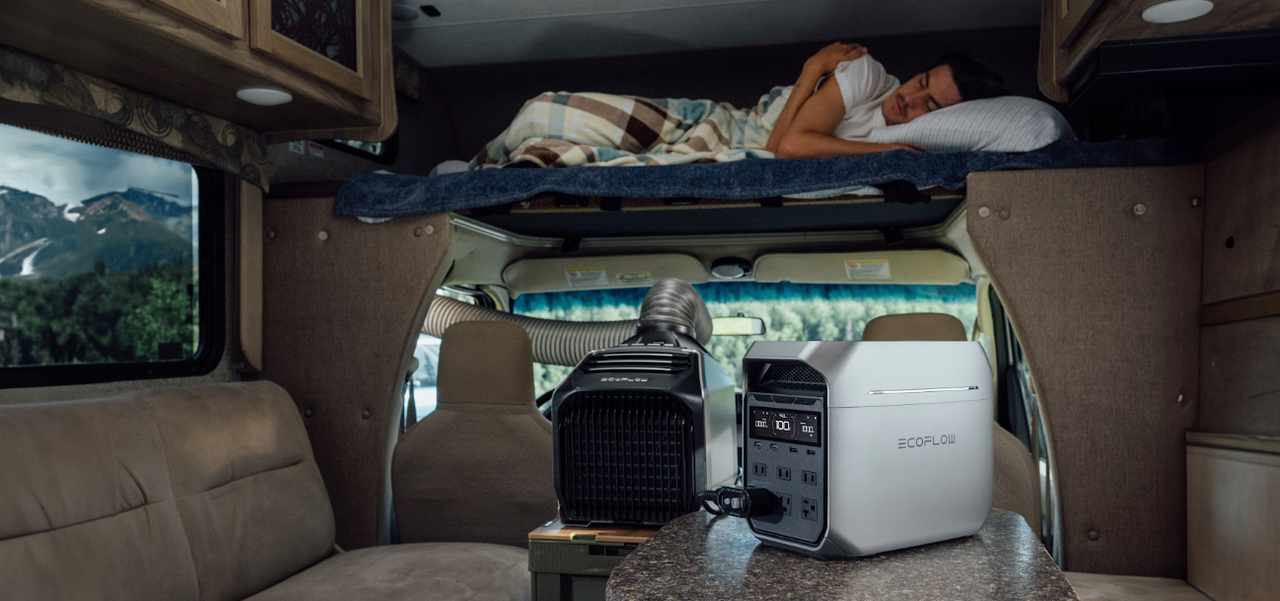
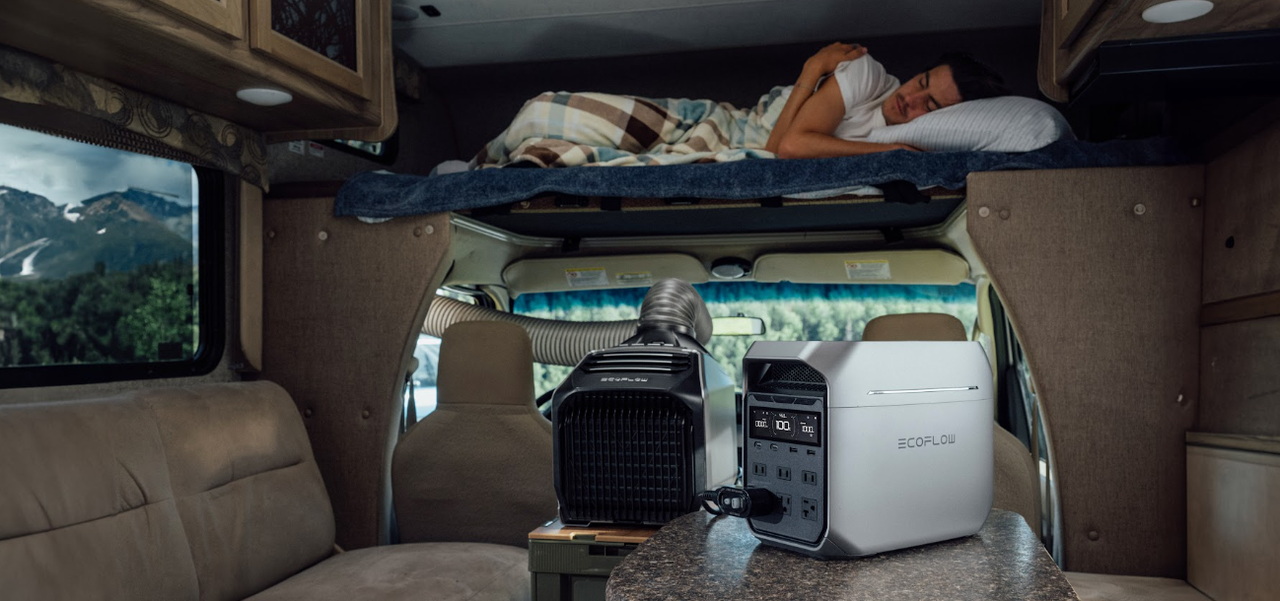
A full summer day on the water usually means a livewell aerator running continuously, a fish finder pulling power for hours, occasional trolling motor top-offs, and phone or camera charging on top of all of it. A portable power station keeps all of that running without draining the boat's starting battery, which matters most on the long, hot days when an aerator cannot afford to cut out. Losing power to the livewell for even a short stretch in high heat can undo an entire day of careful catch-and-release handling, which is part of why more anglers plan power the same way they plan bait and tackle.
Recommended Power Setup for Bass Fishing Trips
A few options cover most summer fishing scenarios, depending on trip length and what you are running.
DELTA 3 Plus offers enough capacity for a livewell aerator, fish finder, and charging gear through a full day trip.
DELTA 3 Classic (1024Wh) is a lighter and more affordable option for shorter trips or as backup power.
DELTA 3 Plus + 220W solar panel bundle is worth considering for multi-day trips or off-grid camping alongside the fishing.
For anglers who want to recharge on longer trips without returning to shore, browsing the solar panel collection is worth a look as an add-on. If you want the full packing list beyond power, the pro fishing gear checklist rounds out everything else worth bringing.
Keeping Caught Fish Healthy in Hot Conditions
Summer heat raises the stakes for anglers planning to release fish, since warm water is far less forgiving than cooler spring conditions.
Using an Aerated Livewell
Warm water holds less oxygen than cool water, which makes a running aerator essential rather than optional once summer temperatures set in. Adding ice to the livewell in short bursts can help regulate temperature without shocking the fish, as long as it is done gradually rather than all at once.
Using a Cooler for Catch and Release
An insulated cooler with aeration works as a solid alternative to a built-in livewell on smaller boats or when fishing from shore. Whatever the setup, minimizing air exposure and handling time before release goes a long way toward improving survival odds in hot weather.
Extending Your Time on the Water
A few adjustments can stretch a summer trip well past the hours most anglers assume are worth fishing.
Fishing Into the Evening or Night
The bite often picks back up after sunset once water starts to cool from the day's heat. For lighting and electronics tips specific to fishing after dark, the night fishing guide for staying powered after dark covers what to bring, so a low battery does not cut the trip short.
Staying Comfortable and Prepared in Summer Heat
Sun protection, hydration, and pacing a trip around the hottest hours of the day matter as much for the angler as the tactics matter for the fish. For anglers planning a summer trip beyond home waters, fishing in Colorado is a related read worth checking out.
Conclusion
Bass fishing in summer comes down to reading water temperature and adjusting location, timing, and bait accordingly. Fish do not disappear once the heat sets in; they simply move, slow down, and become choosier about when and where they feed. Having reliable power on board for the aerator, electronics, and everything else keeps the focus where it belongs: on reading the water and finding the fish, not on watching the boat's battery.
Frequently Asked Questions
Where do bass go in the summer heat?
Bass typically move toward shaded structure like docks, lily pads, and overhanging trees during the day, then push into deeper water near the thermocline as surface temperatures climb through the afternoon.
What time of day is best for bass fishing in summer?
Early morning and late evening tend to produce the most aggressive feeding, since low light and cooler water encourage bass to move and chase bait more actively than they will during the heat of midday.
What lures work best for bass fishing in summer?
Topwater lures like poppers and walking baits work well during cooler, active periods such as early morning or after rain, while jigs and deep-diving crankbaits perform better once bass push into deeper water during peak heat.
Do bass bite better after it rains in summer?
Yes. A light rain can cool surface water enough to trigger a short feeding window, and the pressure drop before a storm can also spark activity, though safety on the water should always come first.
How do you keep bass alive in a livewell during hot weather?
In hot weather, keep the livewell adequately oxygenated, maintain suitable water conditions, and minimize handling and air exposure. Follow your boat or livewell manufacturer's guidance for water exchange and temperature management.
For press requests or interview opportunities, reach out to our media team
media.na@ecoflow.com