Is It Illegal to Sleep in Your Car in the U.S.? (Where It's Safe & Legal)
Spend enough hours behind the wheel and eventually your eyes start to feel heavy. You need to pull over, and the question inevitably comes up: is sleeping in your car illegal? While there is no federal law forbidding it, the reality is more complicated: legality depends entirely on where you park. This guide gives you a straightforward look at the parking rules, points out the common pitfalls, and offers practical tips for overnight stops that will not create problems. No matter if you’re traveling across the country, taking a weekend getaway, or just need to rest for a couple of hours along the way, a bit of awareness of local rules can go a long way in keeping you out of trouble.
Is It Illegal to Sleep in Your Car in the U.S.?
Can you sleep in your car? That depends. Where you park, who owns the land, and what the local rules are all play a part. States run the rest areas, but cities set the rules for their own streets. The most important rule is, you need to understand all those layers in order to have a smooth ride and remain ticket free.
Legality Depends on Location
The U.S. legal system leaves property and traffic rules to states and cities. A spot that’s fine at a Texas rest stop could get you a ticket or a knock on the window in a California suburb.
Local Parking Ordinances
Overnight street parking is restricted in many cities, this is done due to the reason for long term street camping events. Some enforce bans during set hours, for instance, 2:00 AM to 6:00 AM, even with someone inside the vehicle. These rules help manage street use and prevent extended stays.
Public vs. Private Property
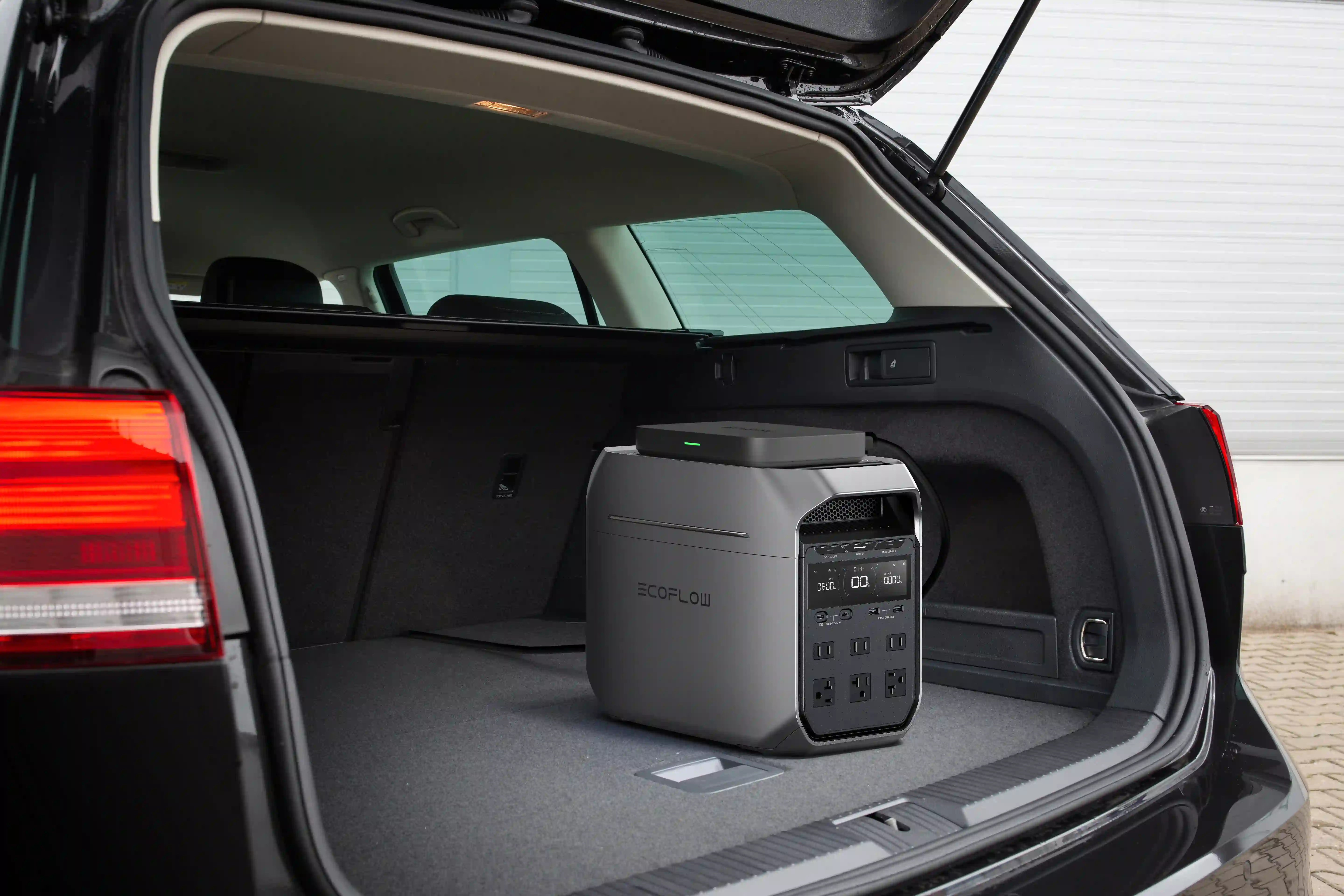
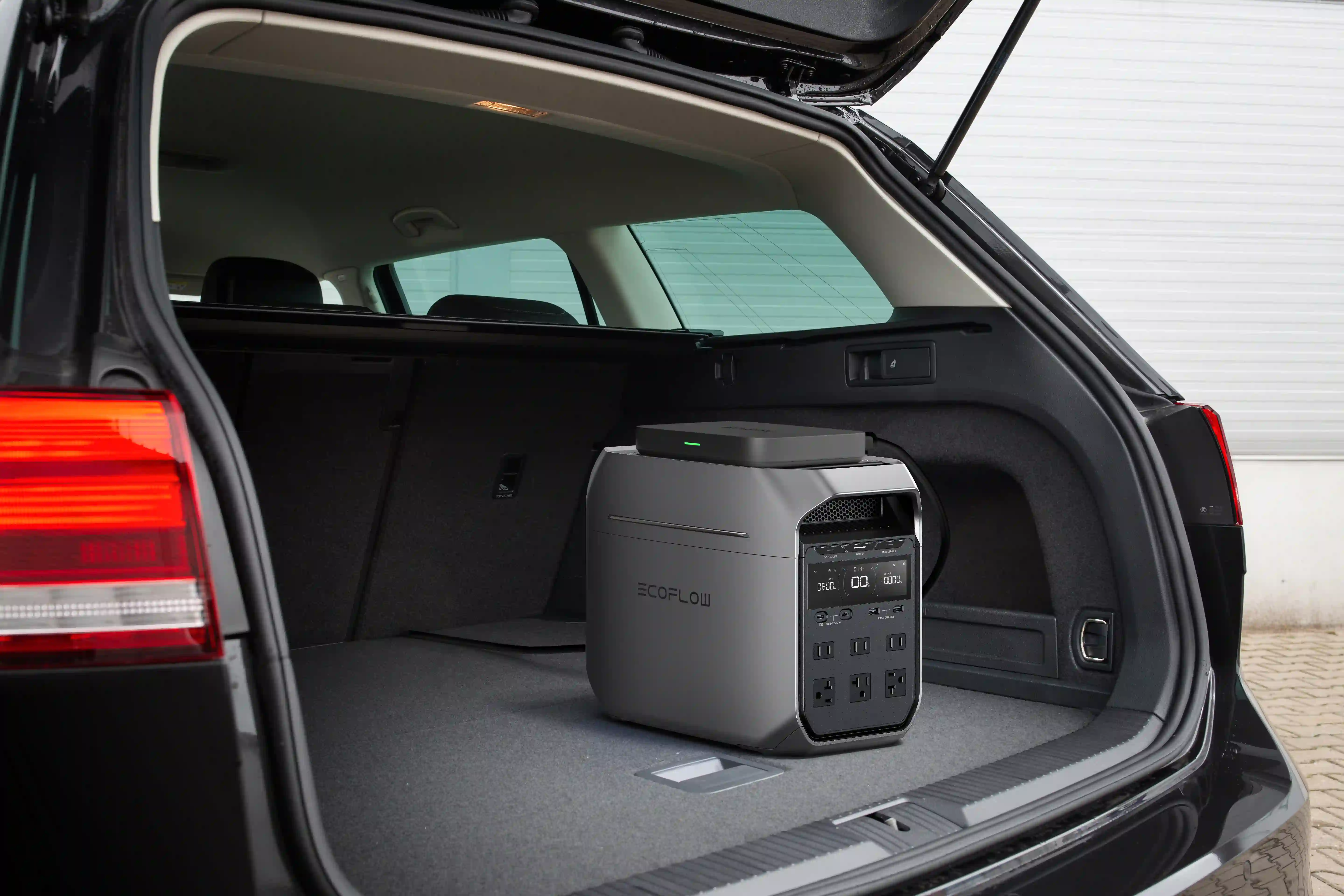
The rules change dramatically depending on whether you’re parked on public or private land. On private property, parking lots, garages, driveways, you need the owner’s permission. Unauthorized parking may result in vehicle towing or trespassing penalties. Also keep in mind that property owners have every right to call a tow truck, and having your consent done prior can save you lots of headaches. If you do have permission to stay overnight, a portable power station can help you run small devices without idling your vehicle for power or creating unnecessary noise.
The Crucial "Sleeping vs. Camping" Distinction
There’s a clear line between sleeping in a vehicle and camping in it:
Sleeping: Reclining your seat briefly to recover from driving fatigue before continuing your trip. You keep your belongings stowed, windows clear, and create zero setup outside the vehicle.
Camping: Setting up a tent, rolling out awnings, putting out chairs, cooking on the pavement, or staying in one spot for days, that’s camping, not just sleeping. In cities with anti-camping rules, any external gear or a stay over 24 hours can mark your vehicle as a temporary dwelling and trigger enforcement.
Where Can You Legally Sleep in Your Car?
Finding a place to park overnight doesn’t have to be a guessing game. There are plenty of legal options across the country, you just need to know which ones work and what each requires.
| Location Type | General Legality | Typical Time Limit | Key Requirement |
|---|---|---|---|
| Designated Campgrounds | Legal | Per Reservation / Fee | Paid receipt; must obey campsite rules & quiet hours |
| BLM Public Lands | Legal (Most open dispersed zones) | 14 Days per 28-day window | Leave No Trace practices |
| National Forests | Legal in designated/dispersed zones | 14 Days per 28/30-day window | Must check Motor Vehicle Use Maps (MVUM) for legal corridors & fire bans |
| Highway Rest Areas | State-dependent (Varies widely) | 2 to 24 Hours | Resting ONLY (Preventing fatigue); strictly NO external gear/camping setup |
| Walmart & Retail Lots | Conditional (Store & City dependent) | 1 Night (Overnight) | Must check local city ordinances (City bans override store permission) + Manager approval |
Designated Campgrounds
For a stress-free night, a designated campground is hard to beat. State parks, RV parks, and private spots like KOAs give you security, restrooms, and sometimes power for a small fee. No surprises, no wake-up calls. Researching campgrounds in advance ensures a hassle-free night.
BLM Land
Out west, the Bureau of Land Management oversees millions of acres of public land where free dispersed camping is allowed. In many locations, visitors can stay for up to 14 days within a 28-day period, though rules vary by location. Bring your own water, follow Leave No Trace principles, and pack out everything you bring in.
National Forests
Forest roads often permit dispersed camping unless posted otherwise, just like BLM land. Check with the ranger station or consult the Motor Vehicle Use Map before you go, to have a clear plan of knowing where to go and where to stay.
Highway Rest Areas
Rest stops are meant for short breaks, not camping. Even where overnight stays are allowed, you must remain inside your vehicle and follow the posted limits. For example, California rest areas generally allow stays of up to 8 hours, while Texas allows up to 24 hours at designated rest areas. Setting up any gear outside can turn a legal rest into a camping violation.
Private Parking Lots
Large commercial lots can work in a pinch, they only serve as emergency stops, but permission is never guaranteed. It’s up to the business owner or manager’s permission for your overnight stay.
Walmart and Other Private Retail Lots
Retailers like Walmart have a reputation for being traveler-friendly, but a manager’s OK doesn’t trump city law. Many cities ban overnight parking on private lots altogether. So even with permission, you could still get ticketed or towed if local rules are stricter. These laws are usually about traffic control or neighborhood standards. Before parking at a store parking lot, check local rules online and get approval from the manager in person. Doing both can save you from an unpleasant wake-up call.
Where Is Sleeping in Your Car Illegal or Risky?
Not every spot you park in is a safe choice. Some spots come with real consequences, such as fines, police knocks, or a tow truck pulling up before you’ve even had a chance to stretch. Essentially, you need to know what to look out for, this will save you a ton of hassle.
No Overnight Parking or No Camping Areas
Take the signs seriously. “No Overnight Parking” or “No Camping” means exactly that. Parking enforcement knows these spots well. You might pull in, close your eyes, and wake up to a ticket already printed and waiting on your windshield, or even worse, a tow truck driver who’s already hooked up and ready to roll.
Residential Streets With Parking Restrictions
A residential street might look like a reasonable option, especially when you’re running low on energy, but locals easily notice cars that stand out. Many neighborhoods require permits for street parking, and some have strict rules against sleeping in vehicles. Parking on a quiet neighborhood street often leads to a quick call from watchful residents, resulting in an unexpected and rude awakening from an officer knocking on your window.
Private Property Without Permission
A business lot might look inviting, but without permission, you’re taking a risk. Property owners have every right to have you towed. Even if the lot is half-empty, that doesn’t mean you’re welcome. A quick heads-up to the manager can save you a lot of trouble.
Tow-Away Zones
Red curbs, fire lanes, street-sweeping routes, these are enforced around the clock. Being asleep inside your vehicle doesn’t stop a tow. In some areas, the driver won’t even check to see if anyone’s inside. They just hook, lift, and go. That’s a wake-up call you definitely don’t want.
Parks and Beaches With After-Hours Restrictions
Most public parks and beaches close at sunset. Law enforcement checks through these lots after dawn, and “I was just resting” usually doesn’t get you out of a ticket.
Cities With Vehicle-Sleeping or Anti-Camping Ordinances
You don’t want to be that person who wakes up to a ticket that costs more than a night at a cheap hotel. Before you head out to cities like Los Angeles or Miami, it’s worth spending a few minutes looking into their overnight parking rules. The information isn’t hard to come by, a quick search on your phone can save you from a frustrating and costly experience later on.
How to Check If It Is Legal to Sleep in Your Car
Before you make a stop for the evening, take some time to check the local parking rules. A little advance research prevents costly parking tickets and unexpected midnight wake-up calls from law enforcement.
1. Check Local and City Ordinances
If you find yourself in a new city, a quick online search can give you the answers you need. Try searching for something like “overnight parking rules in Flagstaff” or “street sweeping schedule”, this will usually bring up the most helpful information. Pay close attention to any rules that prohibit overnight vehicle stays or restrict parking to certain hours.
2. Read the Parking Signs
Don’t just assume a safe guarantee on any spots, just because you are seeing other cars at the lot. Get out, walk for a bit, and read the signs closely. Look for time limits, street cleaning hours, or permit requirements that could turn your stay into a problem.
3. Check State Rules for Rest Areas and Public Lands
Note that rest area rules vary by state, most of them are available on the state DOT website. The iOverlander app and official BLM or USFS websites are also useful online tools for checking whether dispersed camping is allowed on public lands.
4. Ask for Permission on Private Property
If you’re planning to stay in a store parking lot like Walmart or a 24-hour gym, don’t just assume it’s allowed. Go inside, talk to the manager, and ask directly. Be honest about your situation, that you’re traveling, you need a place to park, and you’d like to know if it’s okay and where they’d prefer you to be.
5. When in Doubt, Choose a Designated Campground
If you’re still unsure, don’t take the risk. Just head to a state park or a private campground. The small fee is worth your peace of mind, no anxiety, no surprises, and no unexpected knocks on your window in the middle of the night.
How to Sleep Safely and Legally in Your Car
Learning how to sleep in car setups safely doesn’t have to be uncomfortable or complicated. With a bit of planning and some basic gear, you can turn your vehicle into a decent place to rest for the night.
Avoid Running the Engine While Sleeping
Idling the engine for warmth or air conditioning might seem like an easy fix, but it comes with downsides, wasted fuel, carbon monoxide concerns, and noise that can bother people nearby. A portable power station is a cleaner and quieter alternative.
If you’re planning a long road trip or heading off-grid, the EcoFlow DELTA 3 Max Plus (2048Wh) + 800W Alternator Charger is worth considering. It lets you run things like a small fridge, an electric blanket, or lights without tapping into your vehicle’s battery. The alternator charger does its job while you’re driving, so you’re not scrambling to find a plug when you stop.
Keep Valuables Out of Sight
Keeping a low profile is key when you’re sleeping in your car. Tuck electronics, wallets, cameras, and bags out of sight, under a cover or in the trunk works well. Window shades or privacy curtains can also help. They block outside views and cut down on streetlight glare that might keep you awake. Equipping your setup with a quiet solar generator lets you keep essential devices powered overnight without making noise or drawing unwanted attention.
Power Your Devices Safely Without Draining Your Car Battery
One thing to keep in mind: leaving devices plugged into the 12V outlet for hours can drain your battery. It’s not a fun way to start the morning, especially when you’re miles from the nearest jump-start or repair shop. Even small draws, like a phone charger or a USB fan, can add up over several hours and leave you with a battery that’s too weak to turn the engine over.
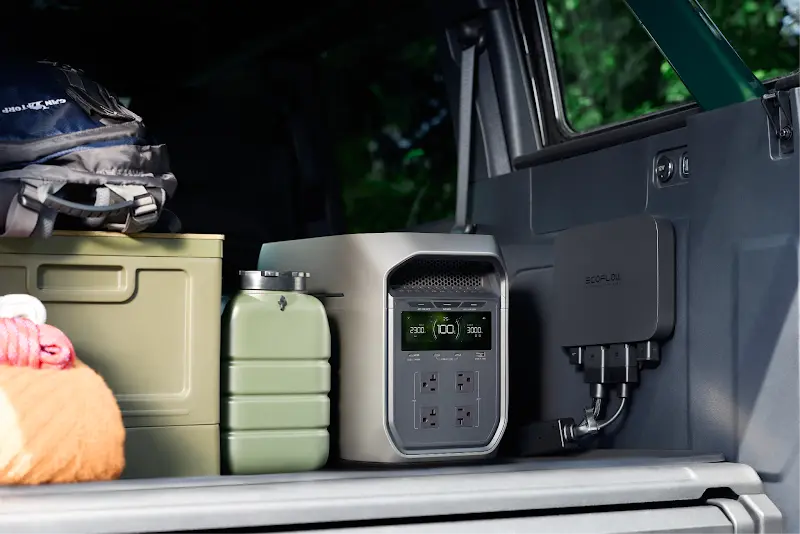
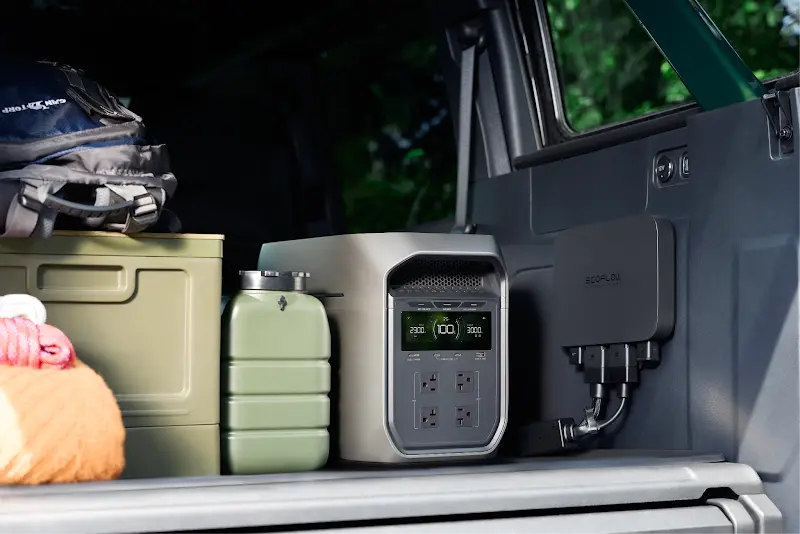
That’s where a portable power station comes in handy. It gives you a dedicated power source for your devices without putting any strain on your vehicle’s electrical system. For shorter stays, the EcoFlow DELTA 3 Plus Portable Power Station is a more practical choice. It takes care of your charging needs and leaves your car’s battery out of the picture entirely. You can charge phones, run a fan, power a laptop, or keep a small light on, all without worrying about whether your car will start in the morning.
Keep Your Vehicle Legal and Secure
Before you leave, make sure your registration and insurance are current. When you park for the night, lock up, keep your keys stored away in the glovebox, and leave the driver’s seat accessible.
Respect Noise, Waste, and Local Rules
Treat the place you’re staying like you would a campground. Don’t blast music. Don’t leave trash. And leave it cleaner than you found it, it’s a simple thing, but it matters.
Conclusion
Sleeping in your car on a U.S. road trip is perfectly doable as long as you’re mindful of where you park and what the local rules are. There are plenty of reliable options out there, campgrounds, BLM public lands, rest areas, and certain private lots that welcome overnight travelers. You don’t need much to make the experience comfortable. A few simple touches can make a real difference, window shades for privacy, a handful of sensible safety habits, and a portable power station like the EcoFlow DELTA series will keep your devices charged and your night running smoothly.
FAQ
Do You Have to Crack a Window When Sleeping in Your Car?
It’s a smart habit to leave a window slightly open, even half an inch does the job. That little gap lets fresh air in, reduces moisture buildup, and stops your windows from fogging up. You’re not compromising security or letting rain in either.
Can You Sleep in Your Car at a Rest Stop?
It depends on the state. Some states allow overnight stays for driver rest, while others restrict parking duration. Remember, rest stops are meant for temporary resting, not camping. The posted signs at the entrance are always your best guide.
Can you sleep in your car at Walmart?
Walmart’s corporate policy is generally open to overnight travelers, but individual stores may say no based on local laws or property rules. One location might welcome you, another might not. The best approach is to go in and ask the manager.
Can the Police Wake You up for Sleeping in Your Car?
Yes, they can. If you’re parked on private property, in a restricted zone, or if a resident reports your vehicle, an officer may check on you. If approached, stay calm, keep your hands visible on the steering wheel or dashboard, and stay polite. Never sleep in the driver’s seat, and keep your keys in the glovebox or trunk so there’s no question about vehicle control. Usually, the officer will just ask you to move along or let you know if you’re fine to stay.
Which States Allow Overnight Sleeping in Rest Areas?
A number of states, such as California, Texas, Washington, Oregon, Arizona, Nevada, and New Mexico, do permit overnight stays at rest stops, but each one sets its own time limits. Some allow just a couple of hours, others up to a full day. Before you commit to a stop, check the DOT website for that state to know exactly what’s allowed.
For press requests or interview opportunities, reach out to our media team
media.na@ecoflow.com