Cost of Living in Florida Breakdown: Housing, Tax & Utilities
- What Is the Average Cost of Living in Florida?
- Hurricane Season and the Rising Cost of Losing Power
- How the EcoFlow DELTA Fits Florida's Storm Season and Everyday Bills
- Breakdown of Key Expenses for Florida Residents
- Cost Variations Across Major Florida Metro Regions
- Managing Hidden Household Costs: Insurance and Storm Season Readiness
- Conclusion
- FAQs
Florida keeps landing on relocation shortlists, and it is easy to see why: no state income tax, plenty of sunshine, and a lower overall tax burden than many states charge. But moving here comes with financial fine print. Housing costs have climbed in popular metro areas, home insurance premiums run well above the national average, and summer air conditioning bills can catch new residents off guard.
Add in hurricane season, when a single storm can knock out power for days, and the cost of living in Florida starts to include more than rent and groceries. A growing number of homeowners now pair that budget planning with a whole-home battery with the DELTA range of products, so a summer storm does not turn into a spoiled fridge and a hotel bill. Here is what the cost of living in Florida actually looks like, region by region and expense by expense.
What Is the Average Cost of Living in Florida?
Overall, the cost of living in Florida sits roughly in line with the national average, about 1% above, though the overall figure swings significantly depending on where you land. Miami and the southeast coast run well above that baseline, while Panhandle and North Florida cities stay close to it or even fall below.
The main economic trade-off is straightforward. Florida charges no personal state income tax, saving households thousands of dollars annually compared to states with income tax brackets. However, those tax savings are often offset by higher home insurance premiums, elevated property values, and electricity bills that spike during hot summer months when air conditioning runs continuously. A single individual can manage on a modest budget in a smaller inland city, whereas a family residing in a coastal metro should prepare for a noticeably higher monthly outlay.
Budget Category | Florida Index | National Average | Key Impact / Financial Notes |
|---|---|---|---|
Overall Cost of Living | 100.7 | 100.0 (Baseline) | About 0.7% above the national average overall, though coastal metros like Miami swing much higher. |
Housing & Real Estate | 101.1 | 100.0 (Baseline) | Close to the national average statewide, but rising home prices and insurance premiums push coastal metros well above it. |
Utilities | 94.6 | 100.0 (Baseline) | Below the national average overall. Mild winters offset summer air conditioning demand in the blended index, though electric bills still spike locally during peak cooling months. |
Groceries | 105.7 | 100.0 (Baseline) | Above average, driven by coastal logistics and tourist-area retail pricing. |
Transportation | 99.5 | 100.0 (Baseline) | Tracks close to the national average; toll roads are common in major metros. |
State Income Tax | 0.0% (none) | Varies (approx. 4% to 7%) | A major benefit that helps offset higher housing and insurance costs. |
That baseline comparison shows what Florida costs on paper. The bigger financial risk shows up when a hurricane knocks the grid out for days at a time, and that is where the real budgeting starts.
Hurricane Season and the Rising Cost of Losing Power
%20(8).png)
%20(8).png)
August through October is peak hurricane season in Florida, with September typically bringing the highest activity. When a storm knocks out the grid, the costs pile up fast: spoiled groceries, a hotel stay if the house gets too hot to sleep in safely, and lost income for anyone who works from home. Running a gas generator through a multi-day outage adds its own expenses too, including fuel runs, noise complaints from neighbors, and upkeep on a small engine that sits idle most of the year.
None of this shows up in a typical cost-of-living calculator, but it is a real part of budgeting for life in Florida, especially in hurricane-prone coastal counties. Tracking real-time outage patterns in your area is a useful first step before deciding how much backup power actually makes sense for your household.
A home battery system does more than sit in a closet waiting for the next storm. Here is how the DELTA Pro Ultra X lineup fits into both the hurricane season budget and the everyday bill.
How the EcoFlow DELTA Fits Florida's Storm Season and Everyday Bills
Florida homeowners weighing backup power have two solid entry points here, depending on how much of the house needs to stay powered and how big a role solar plays in the plan.
Pair the unit with the EcoFlow Smart Home Panel 10, which handles automatic switchover to backup power during an outage and lets you manage up to 10 individual circuits from the EcoFlow app, so the refrigerator and air conditioning stay a priority even if part of the house goes without power. The app's Intelligent Mode can also automatically shift battery charging to off-peak utility hours, which directly helps lower the summer electric bill discussed in the next section.
Backup power is only one piece of the larger Florida cost-of-living picture. Housing, taxes, and groceries still make up the bulk of a typical household budget.
Breakdown of Key Expenses for Florida Residents
Beyond the headline index, a handful of categories do most of the work in a Florida budget. Housing, taxes, utilities, and groceries each pull the total in a different direction.
Housing and renting costs. Median home prices and rents vary widely across urban, suburban, and coastal areas, and homeowners in hurricane zones should budget for insurance challenges on top of the mortgage or rent itself.
Taxes and income savings. Florida's zero state income tax is a real benefit, but sales tax and local property tax assessments still shape the total cost of living here. Homeowners adding solar as part of a backup power plan should also check current state and federal solar incentives before budgeting a system.
Utilities, electricity, and air conditioning. Air conditioning drives most of a Florida electric bill, especially from June through September. Comparing your usage against the average electricity bill in Florida is a quick way to see whether your household is running above or below typical costs for your area.
Groceries, healthcare, and everyday life. Food and transportation costs track close to national averages in most of the state, though healthcare and insurance costs can run higher depending on age, coverage, and location.
Those categories look different depending on which part of the state you call home.
Cost Variations Across Major Florida Metro Regions
The statewide average hides sharp differences by region. South Florida, Central Florida, and the Panhandle each carry a very different price tag.
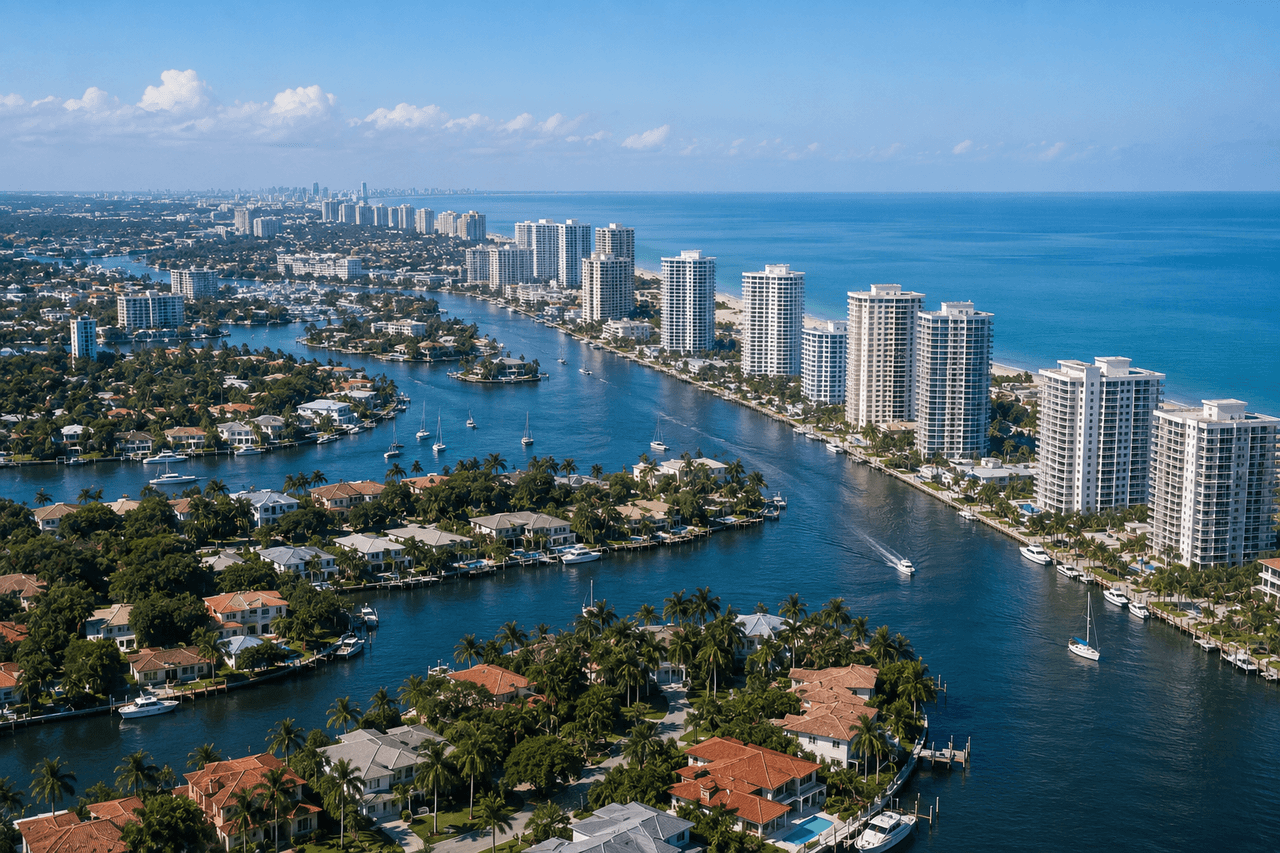
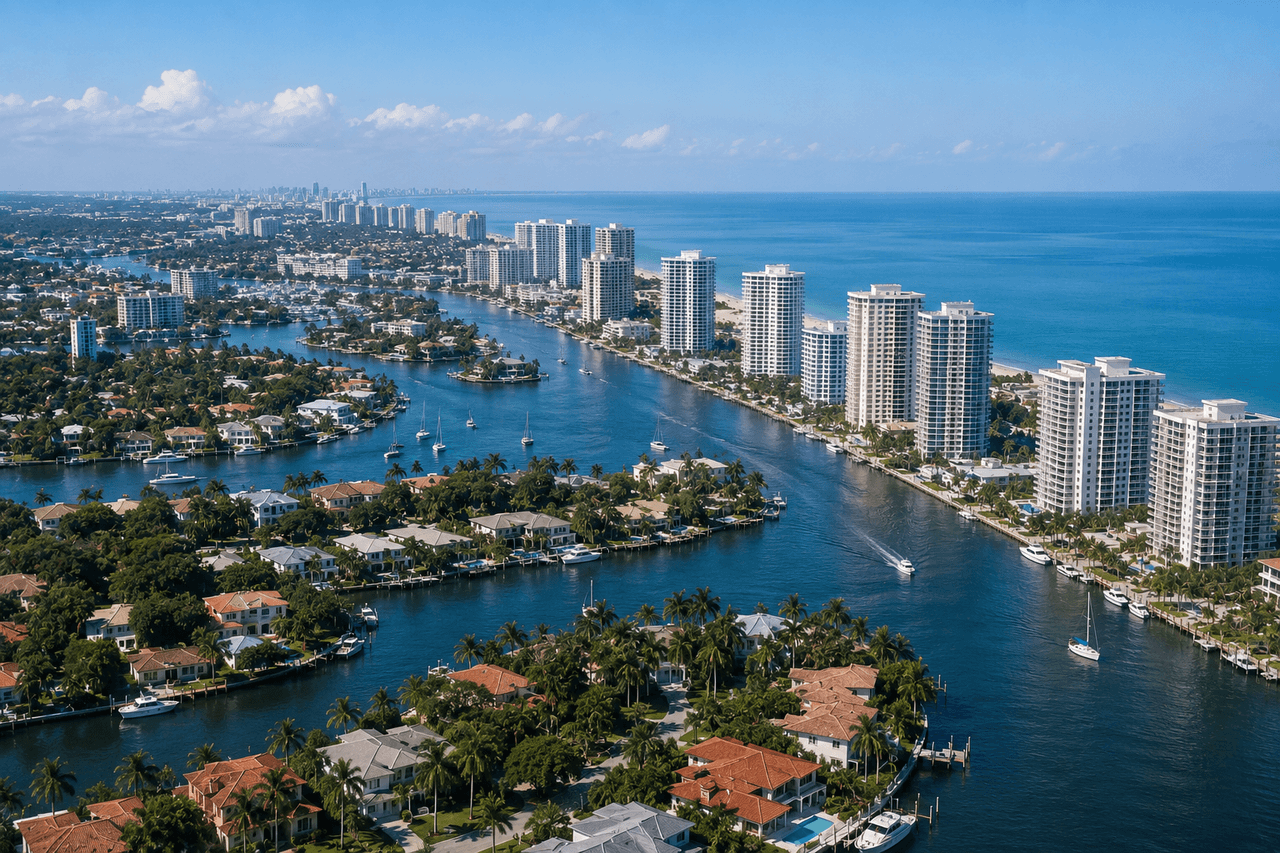
South Florida (Miami, Fort Lauderdale, West Palm Beach): High housing costs, premium insurance rates, and elevated lifestyle expenses push the overall cost of living well above the state average.
Central Florida (Orlando, Tampa, St. Petersburg): Moderate housing costs with rapid suburban growth, higher summer utility demand, and a mix of family-oriented amenities.
North and Panhandle Florida (Jacksonville, Tallahassee, Pensacola): More affordable housing that sits closer to the national average, though these areas remain exposed to coastal storm risk.
Wherever you land in the state, a few costs are easy to underestimate until the first named storm rolls through.
Managing Hidden Household Costs: Insurance and Storm Season Readiness
Home insurance in Florida's hurricane zones runs higher than almost anywhere else in the country, and premiums have continued climbing in coastal and flood-prone counties. A hurricane preparedness plan built before storm season starts, covering supplies, evacuation routes, and backup power, tends to cost far less than dealing with damage or a multi-day outage after the fact.
This is where a home battery earns its place in the budget rather than sitting as an extra expense. Keeping the refrigerator, medical equipment, and a few essential circuits running during an outage protects both comfort and the food and medication that would otherwise go to waste, while everyday time-of-use scheduling helps offset some of that upfront cost across the rest of the year.
Conclusion
The average cost of living in Florida runs slightly above the national average, offset by no state income tax, though housing, home insurance, and summer utility bills all require careful planning. Build a monthly budget that accounts for regional housing differences, higher cooling costs, and hurricane season readiness, including a plan for backup power before storm season arrives.
Explore EcoFlow's whole-home backup power solutions to protect your home against hurricane outages and reduce peak utility expenses year-round.
FAQs
Is the cost of living in Florida higher than the national average?
Slightly. Florida runs roughly in line with the national average, sitting about 1% above overall. While housing and insurance costs push regional expenses higher, the lack of state income tax helps offset that gap for most households.
How much money do I need to live comfortably in Florida?
It depends on the city, but a single person typically needs around $3,000 to $3,800 a month for a modest lifestyle in most metro areas, while a family of four should plan for $5,500 to $7,500 a month including housing.
Why are Florida utility bills and home insurance so expensive?
Utility bills climb because air conditioning runs nearly year round, and home insurance is priced for hurricane and flood risk, especially in coastal counties where storm claims are more frequent.
Does Florida have a state income tax?
No. Florida is one of a handful of states with no personal state income tax, which can save a household several thousand dollars a year compared with high-tax states.
Can a home battery reduce hurricane season power outage costs in Florida?
Yes. A whole-home battery like the DELTA Pro Ultra X keeps the refrigerator, lighting, and air conditioning running during an outage, cutting the risk of spoiled food and unplanned hotel stays during a storm.
Which Florida cities offer the most affordable cost of living?
Panhandle and North Florida cities such as Pensacola, Tallahassee, and Jacksonville tend to run closer to the national average, with lower home prices than Miami, Tampa, or Orlando.
For press requests or interview opportunities, reach out to our media team
media.na@ecoflow.com