Cold-Weather Essentials for a Christmas Cabin Getaway in the US
- What Makes a Remote Christmas Cabin Stay Different from a City Holiday?
- Warmth and Power: Core Gear for Any Christmas Cabin Trip
- Food and Water: What to Bring for Snowy Christmas Cabins
- Winter Driving: Safety Essentials on the Way to Your Christmas Cabin
- Cabin Christmas Decor: Simple Touches That Make the Cabin Feel Like Home
- Pack Smart Now and Enjoy a Safer, Cozier Christmas Cabin Getaway
- FAQs
A Christmas cabin getaway looks peaceful from the outside: snow on the roof, warm light in the window, and a quiet forest all around. The reality behind that postcard scene is very different from a downtown hotel. Many cabins sit at the end of long mountain roads where power lines freeze, plows arrive late, and stores are far away. Good planning lets you enjoy that cozy setting without feeling nervous every time the weather forecast changes.
What Makes a Remote Christmas Cabin Stay Different from a City Holiday?
A remote Christmas cabin stay changes the rules for basic comfort. In a city, heat, lights, groceries, and cell service feel almost guaranteed. Up in the hills, a winter storm can cut electricity, block roads, and weaken phone signal all on the same day. US outage data and emergency guidance frequently list winter storms as a major trigger for long power cuts and risky driving conditions.
Services that usually save the day also sit farther away. The nearest gas station may be half an hour from the cabin. The closest clinic could be in the next town. Tow trucks and snowplows often focus on main highways first. That gap between what you expect and what you actually get is where trouble usually starts.
Treating a remote Christmas cabin holiday as a small self-reliance project changes your mindset. You bring what you need for warmth and power, plan simple meals and safe water, prepare the car for real winter roads, then add a few comfort touches so the place still feels like home.
Warmth and Power: Core Gear for Any Christmas Cabin Trip
In an enclosed space, the sensation of cold and darkness actually combines as the major factor that reduces comfort most significantly. Various health institutions from the United States provide information regarding proper cold-weather conditions, such as dressing up appropriately, covering the head and hands, and avoiding getting wet.
Clothing That Actually Keeps You Warm
A good clothing system for a Christmas cabin weekend usually has three parts:
Base layer: Long underwear in wool or synthetic fabric that pulls sweat away from the skin.
Middle layer: Fleece, wool sweaters, or lightweight insulated jackets that trap air.
Outer shell: A windproof, water-resistant coat and snow pants to block snow, sleet, and strong gusts.
Add warm hats, waterproof gloves or mittens, thermal socks, and indoor slippers for cold floors. Pack at least one extra full set of dry clothes in case someone soaks their outfit while playing in the snow.
Heat Sources and a Simple Power Backup
Many Christmas cabins rely on fireplaces, wood stoves, or gas heaters. These can be safe and effective if you keep a few habits in mind:
Ask the owner how the stove or heater works and where the fire extinguisher is.
Keep stockings, gift wrap, and soft decor away from open flame.
Use a carbon monoxide detector if you bring any fuel-burning heater or if the cabin seems older or poorly ventilated.
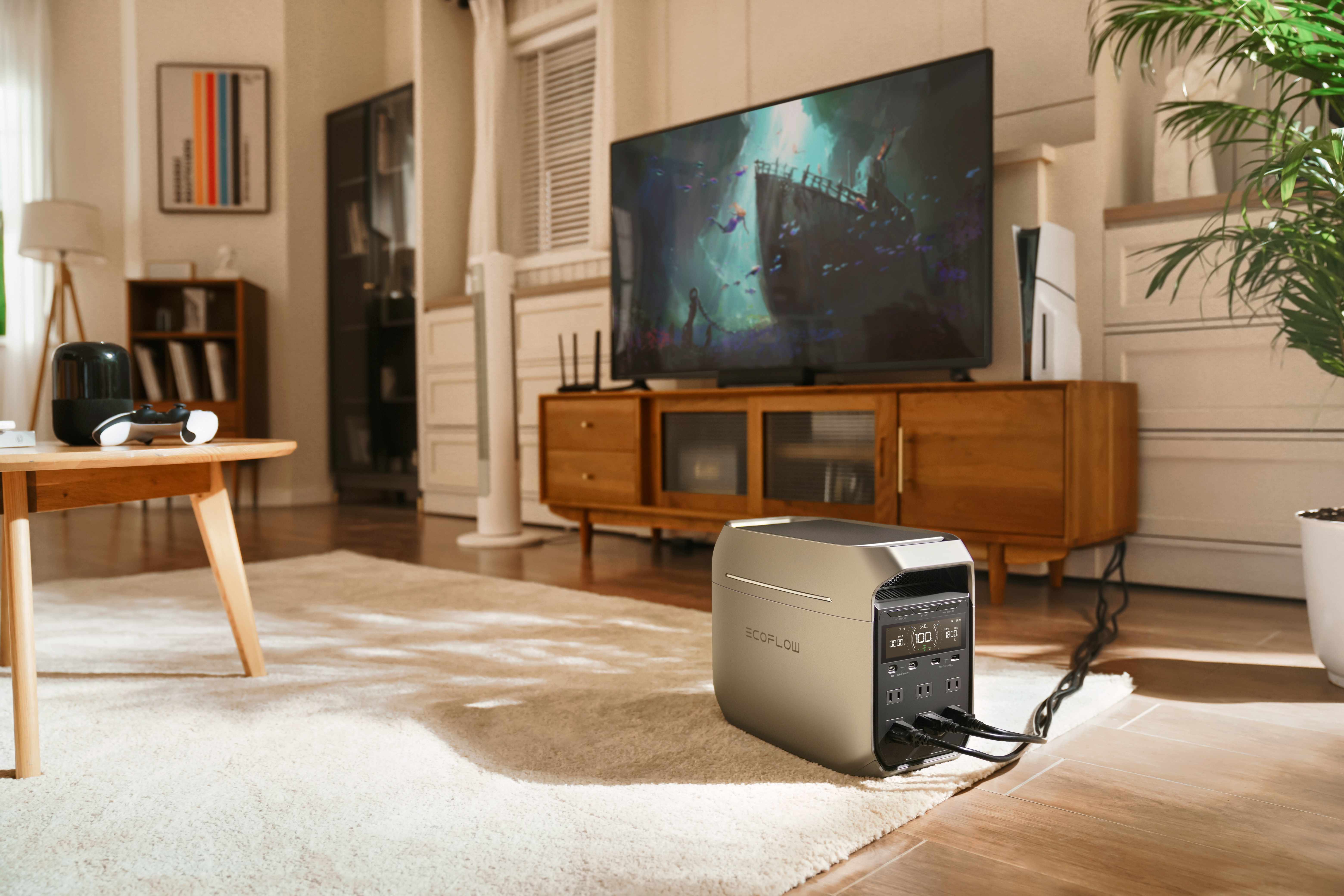
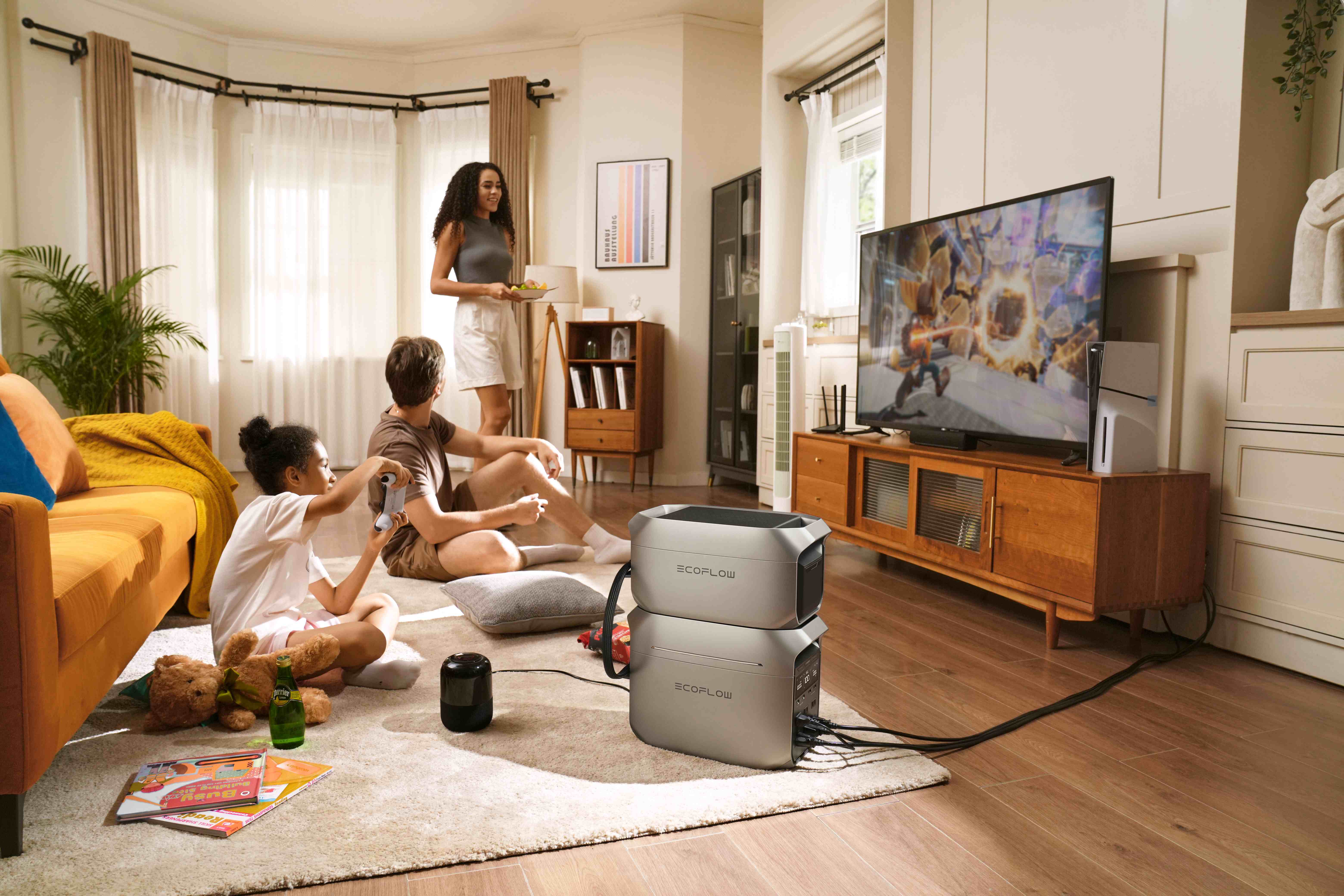
For light and basic electricity, a small portable power station adds a quiet safety net. During an outage, it can:
Run a couple of LED lamps in the living room.
Charge phones, tablets, or radios for weather alerts.
Power a Wi-Fi router if the internet line still works.
Support a low-watt heated blanket for short periods, according to the unit’s rating.
A unit like EcoFlow DELTA 3 Plus Portable Power Station quietly powers lights, devices, and short bursts of heat without the noise and fumes of a gas generator.
Emergency planners in the US often encourage families to keep extra charging options for phones and small electronics, since reliable communication is a key part of staying safe.
Cold affects batteries, so store any portable power station inside the heated part of the Christmas cabin, away from drafty doors and windows, and follow the temperature limits in the manual. Defrosted snow boots can sit by the door. Your backup power should not.
Food and Water: What to Bring for Snowy Christmas Cabins
Food turns a snowy stay into a holiday instead of a survival drill. At the same time, a storm can close the road to town or cut electricity right before dinner. Federal emergency agencies usually recommend at least a three-day supply of non-perishable food and safe water for every person, with roughly one gallon of water per person per day as a baseline.
Planning Easy Cabin Meals
For a Christmas cabin weekend, build your menu around simple hot meals plus a backup plan that works without an oven:
Shelf-stable soups, stews, and chilis
Canned beans and vegetables
Pasta, instant rice, and grain pouches
Nut butters, crackers, and bread that can handle a few days in a cold pantry
High-calorie snacks such as trail mix and energy bars
Bring at least one sturdy pot and pan that can sit on a wood stove or on a camp stove used outdoors. That way, you still have hot food even if the cabin’s electric range shuts off with the grid.
Keeping Drinking Water Safe
Water can be trickier than food. Some Christmas cabins draw water from private wells or seasonal systems. Ask the host before the trip how the water supply works and if guests usually drink from the tap.
To stay on the safe side:
Pack bottled water for drinking and cooking.
Add a compact filter bottle or purification tablets as a backup.
Hot drinks help too. Warm tea, hot chocolate, or broth can gently raise core temperature after time in the snow, which matches first aid advice for mild hypothermia.
Winter Driving: Safety Essentials on the Way to Your Christmas Cabin
Reaching the Christmas cabin can be the riskiest part of the whole plan. State transport departments and groups such as AAA keep reminding drivers that winter crashes often involve speed that fits dry pavement, not icy curves.
Preparing the Car for Real Winter Roads
Before you leave town:
Mount winter or all-weather tires with solid tread depth.
Check antifreeze, battery, wipers, and cold-rated washer fluid.
Fill the gas tank and top off engine oil.
In mountain states, chain laws may apply on certain passes during storms. Look up those rules ahead of time, carry chains if your vehicle allows them, and learn how to fit them while still at home, not in a dark parking lot during sleet.
Packing a Winter Roadside Kit
Even a short drive between town and a Christmas cabin can stretch into hours if a crash or closure blocks the road. Many safety agencies recommend a basic winter kit that lives in the trunk:
Blankets or compact sleeping bags
Extra gloves, hats, socks, and a spare coat
Non-perishable snacks and water
Ice scraper and a small shovel
Flashlight with spare batteries
Reflective triangles or LED flares
A power bank or small portable power station for phones and emergency lights
If the forecast turns ugly faster than expected, choosing to delay the drive is sometimes the smartest safety move. A mountain cabin still feels special when you arrive one day later.
Cabin Christmas Decor: Simple Touches That Make the Cabin Feel Like Home
After the serious planning comes the fun layer. A few pieces of cabin Christmas decor can change a plain rental into a warm gathering place without filling your entire trunk.
Think compact and flexible:
A tiny tabletop tree that folds down for travel
Battery-powered or USB string lights for windows or headboards
A holiday table runner that covers a worn dining table
One or two fabric stockings for children or guests
These items hardly weigh anything and work especially well in Christmas cabins where storage is limited. Soft blankets, throw pillow covers, a favorite board game, and a deck of cards finish the mood.
Open flame needs special care in a wooden interior. Fire departments in the US often note how many holiday fires start with candles left too close to curtains or decorations. To enjoy the glow without extra risk, keep real candles in sturdy holders on cleared surfaces, or bring LED candles for a similar look with less stress.
Pack Smart Now and Enjoy a Safer, Cozier Christmas Cabin Getaway
A Christmas cabin holiday runs smoothly when you think through a few basics in advance: layers that keep everyone warm, safe ways to heat and light the space, food and water that last through a storm, a car that can handle snow, and a small stash of cabin Christmas decor and games that make the place feel lived in. Once you build a solid packing list for one snowy getaway, you can reuse and adjust it every year so each trip to a remote Christmas cabin feels calmer, safer, and easier to enjoy.
FAQs
Q1. What Size Portable Power Station Would Adequately Service the Christmas Cabin Weekend?
In fact, most people would find that for the average small family, 1-2 kWh of power would be adequate for the length of their Christmas cabin weekend. This would be enough for the charging of cellular phones, the use of the router, the use of light, the use of one to two computers, and some use of low-watt appliances. While it would be considered an auxiliary power source, it would not be enough for the warming of the cabin.
Q2. Must Four-Wheel-Drive Be Part of the Christmas Cabin Vacation?
Four-wheel drive capability is not always necessary but it often provides an advantage concerning winter travel to the cabin. Front-wheel-drive cars equipped for winter driving can handle most plowed roads. For uphill roads and gravel roads leading to the cabin, the advantage of four-wheel drive and snow tires for ascending steep hills, unpacking snow from deep driveways, and dealing with unplowed morning roads stands out.
Q3. Are Dogs Allowed During the Winter Christmas Cabins?
In general, dogs are allowed if there are no prohibitions in the rental agreement regarding pets, and their owners prepare for the cold environment. Check the pet policy, present vaccination records, and bring a warm sleeping place, some towels, and extra food. Applying paw balms or using pet booties shields pets against ice-melts and packed snow. Also, it would be wise to find the closest 24-hour animal hospital before heading into the mountainous area.
Q4. How Can One Verify the Reliability of Internet and Cellular Service at a Christmas Cabin?
Straight questioning of the host regarding the services and information, rather than a yes or no question, would be advisable. Information such as the service provider, normal internet speeds, and available contingency options provides far more information than broad listing. Customer reviews, especially during the winter months, are also helpful. In the canyon region, the portable power station would keep the router running if the service line stays functional during an outage.
For press requests or interview opportunities, reach out to our media team
media.na@ecoflow.com