LiFePO4 Vs Lithium Ion Batteries
- Key Differences Between LiFePO4 and Lithium-Ion Batteries
- Pros and Cons of LiFePO4 Batteries
- Pros and Cons of Lithium-Ion Batteries
- Best Use Cases for Each Battery Type
- Why LiFePO4 Batteries Are Popular in Modern Power Stations
- EcoFlow Power Solutions Using Advanced Battery Technology
- Frequently Asked Questions
- LiFePO4 Batteries Support Safer, Longer-Lasting Energy Storage
Many of us have heard about lithium iron phosphate, or LiFePO4 (also called "LFP"), batteries and are wondering how they differ from traditional lithium-ion models. Each battery offers pros and cons that make each more suitable for specific use cases.
This guide explains how they differ, what each is best used for, and why LiFePO4 is the preferred choice in home solar and battery systems.
Key Differences Between LiFePO4 and Lithium-Ion Batteries
Both LiFePO4 and lithium-ion (Li-ion) are types of lithium batteries that are rechargeable and use lithium ions to store and transfer energy within an electrolyte solution.
They differ primarily in the chemical compounds used in their cathodes.
With LiFePO4, the cathode is made from iron, phosphorus, and oxygen, forming a stable and non-toxic compound.
Li-ion models use a variety of different chemicals, with a popular one being the lithium cobalt oxide (LiCoO2), which uses cobalt, while others may use nickel and manganese.
Pros and Cons of LiFePO4 Batteries
The LiFePO4 battery offers numerous advantages:
The use of non-toxic metals like iron and phosphate is a huge benefit since metals like cobalt and nickel can cause serious environmental and health concerns during mining and manufacturing.
The bond is much stronger than the chemistries used in other Li-ion models, which is what helps give them a much longer lifespan (10+ years) and more charge cycles (3000+).
They’re safer because they’re far less prone to overheating and potentially dangerous thermal runaway than traditional Li-ion.
They offer a wider operating range, from -4°F (-20°C) to 140°F (60°C).
The voltage of LiFePO4 is also a bit lower, which actually helps extend its lifespan because they discharge at a slower and steadier rate.
However:
They have slightly lower energy density, which means you need a slightly larger battery to achieve the same capacity.
They’re a bit more expensive upfront, but thanks to their superior longevity, they’re more cost-effective over time.
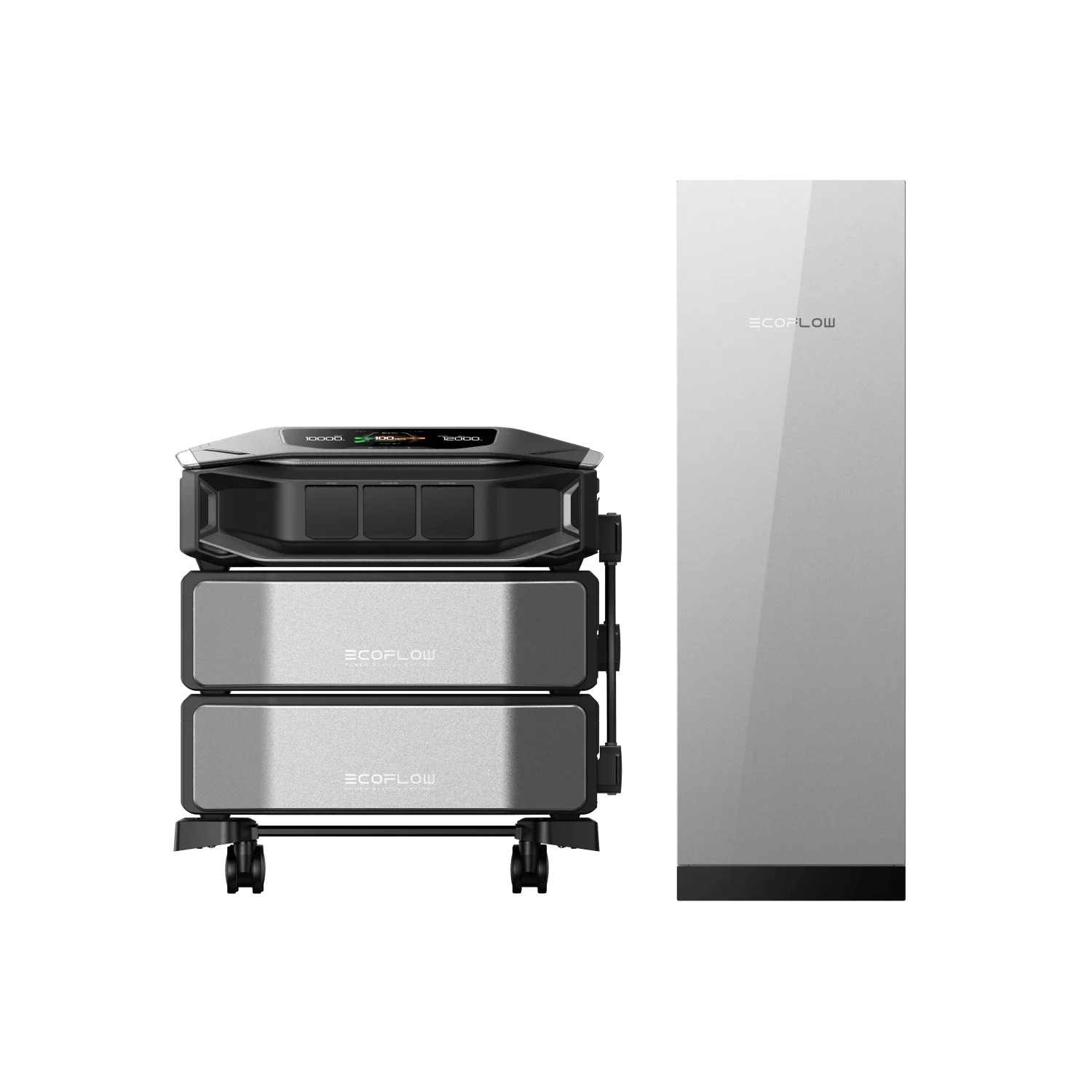
This is why systems like the EcoFlow DELTA Pro Ultra X + Smart Home Panel 3 are designed with LiFePO4 battery chemistry.
Pros and Cons of Lithium-Ion Batteries
Consumer electronics have been using lithium-ion batteries for many years due to:
Higher energy density.
Smaller size.
Lower upfront cost.
However:
They typically offer fewer charge cycles and a shorter life compared to LiFePO4, because the chemistry is less stable.
That also makes them more susceptible to thermal runaway if damaged or handled improperly, where they may catch fire.
They have a narrower operating range of 32°F (0°C) to 113°F (45°C), so their performance can decline in colder temperatures.
These are the reasons they’re not preferred in things like whole-home backup solutions, where safety and longevity are prioritized over energy density and weight.
Best Use Cases for Each Battery Type
Consumer Electronics
For small consumer electronics like smartphones, watches, toys, and tablets, the higher energy density and compact size of a Li-ion battery are preferred.
Solar and Battery Storage Systems
When it comes to solar arrays and a home backup system or solar generator setup, LiFePO4 is often preferred due to improved safety and longevity.
Electric Vehicles
Electric vehicles used to rely heavily on nickel-based Li-ion batteries due to their high energy density.
However, safety and performance issues in cold weather have resulted in LiFePO4 chemistries becoming increasingly common in EVs, especially in standard-range models, while nickel-based models are now used mostly in high-performance cars.
Why LiFePO4 Batteries Are Popular in Modern Power Stations
LiFePO4 is commonly chosen for modern power stations for its longevity.
They often come with 5-year warranties and typically last 10+ years. This means you may only have to change the battery once during the lifespan of your solar array, compared to replacing shorter-lifespan batteries more frequently.
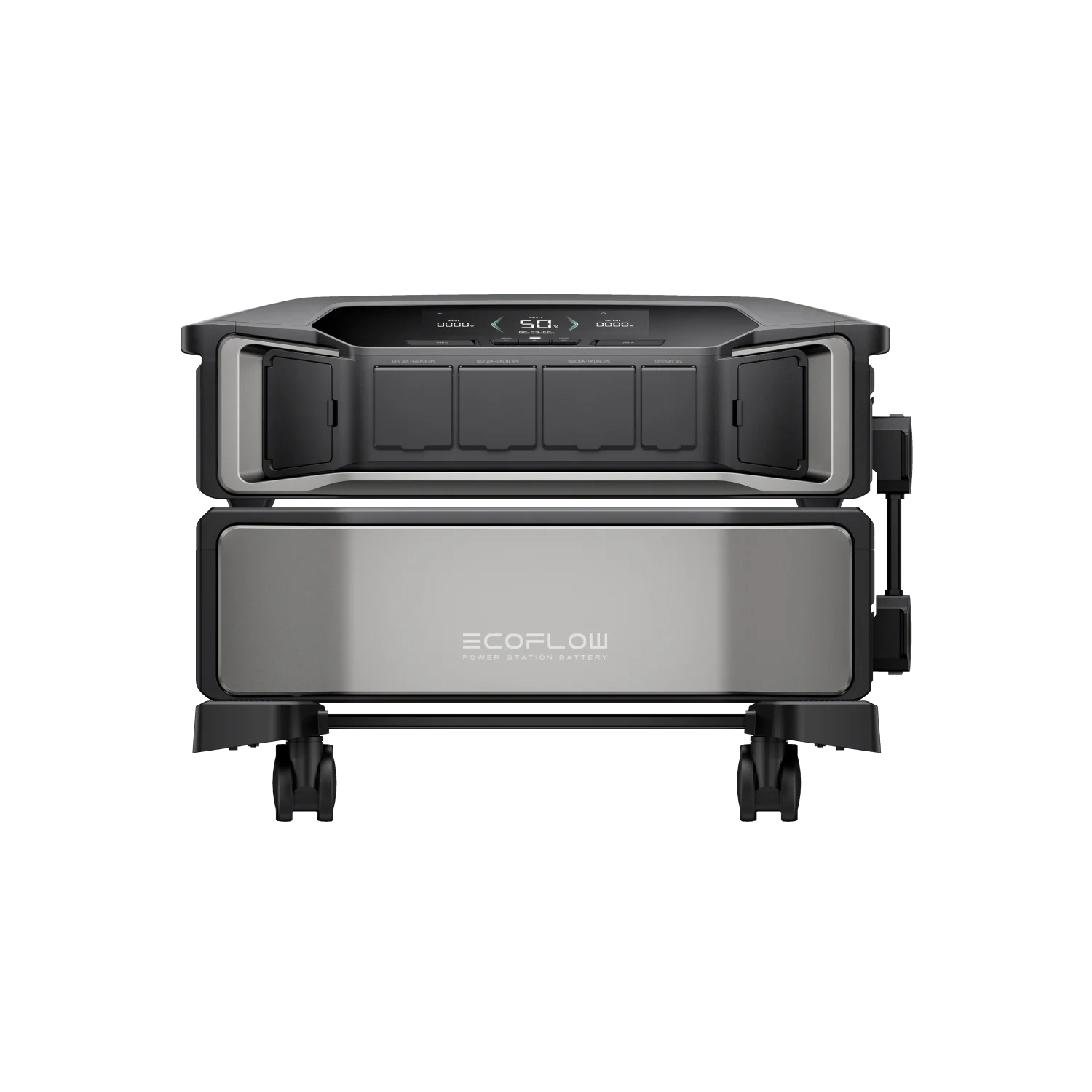
The other reason they are so popular is their safety and reliability, which is why the EcoFlow DELTA Pro Ultra home backup system uses them.
EcoFlow Power Solutions Using Advanced Battery Technology
All EcoFlow DELTA Series portable power solutions use advanced LiFePO4 battery chemistry for safety, reliability, and longevity.
They can be used in a wide range of conditions when operated within recommended temperature ranges. And with a minimum of 3000+ charging cycles, they last 10+ years and come with a 5-year warranty.
They also come in a wide range of expandable capacities to suit any size home in a plug-and-play setup that remains portable enough to move with you.
Frequently Asked Questions
Is LiFePO4 Better Than Lithium-ion Batteries?
LiFePO4 offers better safety, a longer lifespan, and uses no toxic metals compared to lithium-ion batteries. However, they have a slightly lower energy density, which is why they are used in home backups, while lithium-ion is still used in smartphones and small consumer electronics.
How Long Do LiFePO4 Batteries Last Compared to Lithium-ion?
Lithium-iron-phosphate batteries typically offer 3000 or more charging cycles, allowing them to last 10 years or more. Most lithium-ion models only offer up to 1000 charging cycles, often 300–500, so they only last a few years.
Are LiFePO4 Batteries Safe for Indoor Use?
LiFePO4 batteries are considered one of the safest for indoor use since their more stable battery chemistry makes them less prone to thermal runaway than other lithium models, and because they do not off-gas or leak like lead-acid can.
Which Battery Type Is Better for Solar Energy Storage?
For solar energy storage, lithium-iron-phosphate batteries are always the preferred choice due to their superior longevity and safety.
LiFePO4 Batteries Support Safer, Longer-Lasting Energy Storage
Older Li-ion batteries, with their compact size, still have their place in small devices like consumer electronics. However, the strong reliability and safety of LiFePO4 make them the preferred choice in any application where a highly compact size isn’t required.
This more modern battery chemistry also offers superior longevity, lasting five times as long or more than most others, which is why they’re used in EcoFlow DELTA Series portable power stations.
For press requests or interview opportunities, reach out to our media team
media.na@ecoflow.com