Camping in Wisconsin 2026: Best Sites and Off-Grid Power
- Why Is Wisconsin One of the Best States for Camping in 2026?
- The Best Campsites in Wisconsin in 2026
- How Do You Book a Campsite in Wisconsin Before It Sells Out?
- What Power Challenges Do Wisconsin Campers Face?
- What Devices Do You Need to Power at Your Campsite?
- How Portable Power Stations Help at Rustic or Off-Grid Sites
- How Can Solar Panels Extend Your Off-Grid Camping Trip?
- Frequently Asked Questions
- Off-Grid Power Keeps Your Wisconsin Camping Trip Comfortable and Uninterrupted
Wisconsin's mix of glacial lakes, dense forests, and quiet backroads makes it one of the Midwest's most rewarding places to pitch a tent. Whether you're chasing lakefront views, bluff-top trails, or a rustic site with no hookups in sight, planning ahead matters just as much as picking the right park.
Here's what to know before you go in 2026.
Why Is Wisconsin One of the Best States for Camping in 2026?
Wisconsin packs unusual variety into one state: paddle Apostle Islands sea caves in the morning and camp beside a kettle lake by evening. The state maintains 50 state parks and 15 forests, many with reservable campsites that book up fast each spring.
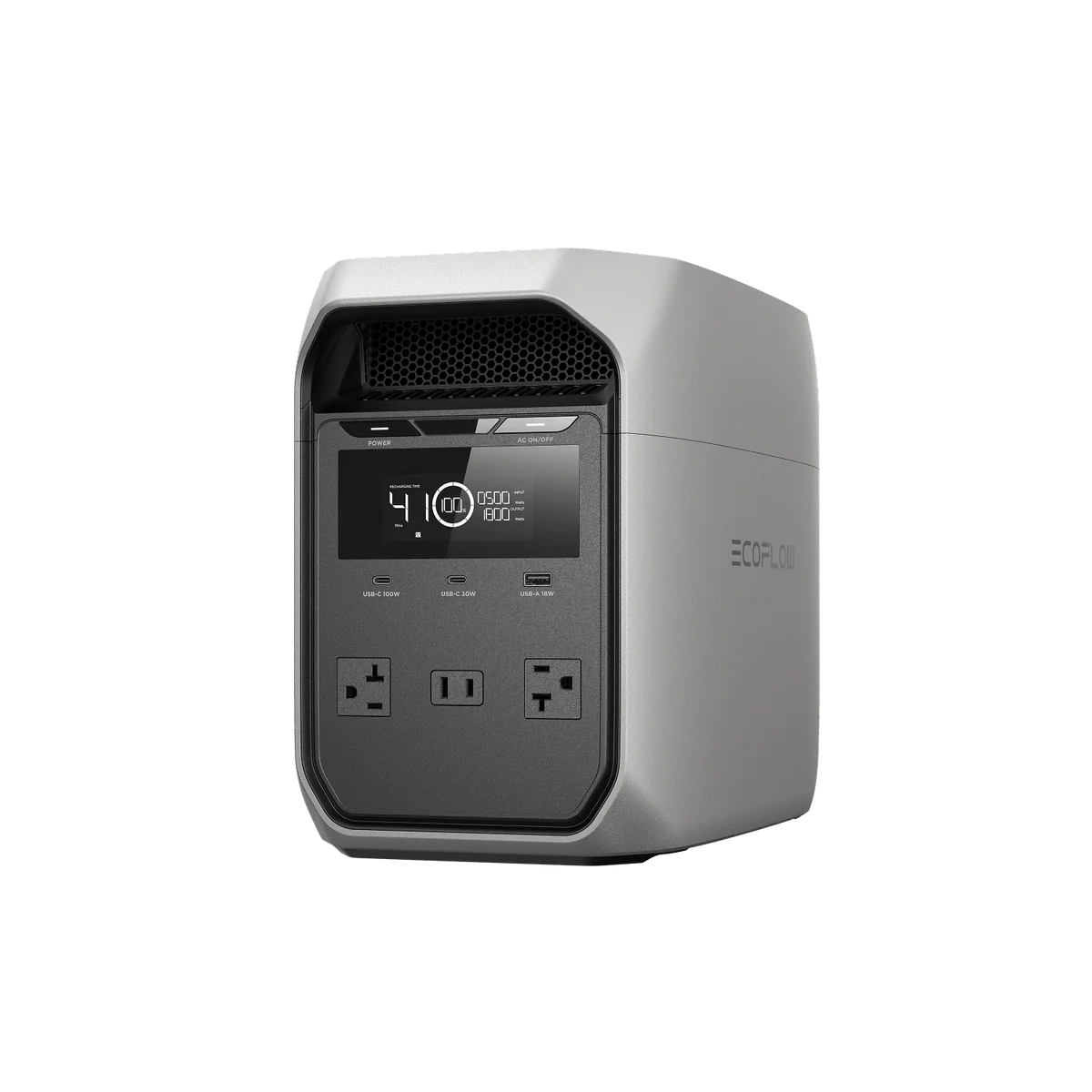
The appeal isn't just scenery. Spring and fall bring cooler temperatures and thinner crowds, while summer weekends draw families to the Dells and Door County. Expect a mix of electric campgrounds and rustic sites where you're on your own for power. A portable power station like the EcoFlow DELTA 3 Classic (1024Wh) closes that gap, keeping your phone, lantern, and cooler running at either site type.
The Best Campsites in Wisconsin in 2026
Devil's Lake State Park
Wisconsin's most visited state park sits inside a 500-foot quartzite gorge near Baraboo. Its two campgrounds, Northern Lights and Ice Age, mix electric and non-electric sites, both filling months ahead for summer weekends.
Peninsula State Park (Door County)
Perched on Green Bay in Door County, this park combines lighthouse views, biking trails, and over 450 campsites. It holds more availability than Devil's Lake, though waterfront loops sell out early.
Kettle Moraine State Forest
Split into northern and southern units, Kettle Moraine suits hikers and mountain bikers navigating glacial hills and kettle lakes. Several campgrounds are rustic, with no hookups, making them a common testing ground for off-grid power.
Apostle Islands National Lakeshore
For a more remote trip, the Apostle Islands offer backcountry camping on Lake Superior's shoreline, reachable only by boat. With no power infrastructure, anything you bring must run on what you packed in.
Wisconsin Dells Area Campgrounds
The Dells region trades solitude for convenience: private campgrounds offer full hookups and water park access, making it the easiest option for reliable power without planning.
How Do You Book a Campsite in Wisconsin Before It Sells Out?
Wisconsin state park reservations open on a rolling window, and popular sites at Devil's Lake and Peninsula book out within hours. Set a reminder for your target site's release date. Weekday and shoulder-season stays land easier last-minute than summer weekends.
What Power Challenges Do Wisconsin Campers Face?
Rustic sites at Kettle Moraine and the Apostle Islands have no electric hookups, and even electric sites can mean sharing limited circuit capacity with fellow campers. Add cell service gaps common in Wisconsin's northern forests, and a dead battery becomes a problem fast. Packing your own power source solves both.
What Devices Do You Need to Power at Your Campsite?
Phones, Cameras, and Navigation Devices
Trail maps, photos, and family check-ins draw down a phone battery fast, especially where weak signal makes devices work harder to connect.
Coolers and Food Storage
Multi-day trips to spots like the Apostle Islands call for a powered cooler instead of ice, since summer humidity keeps a standard cooler cold for a day or two.
Lighting and Cooking Equipment
Battery lanterns, induction cooktops, and camp fans draw from the same power budget, so total your wattage before you leave instead of guessing.
How Portable Power Stations Help at Rustic or Off-Grid Sites
At sites without electric hookups, a portable power station covers the gap that a car battery or disposable batteries can't.
The EcoFlow DELTA 3 Classic (1024Wh) handles phones, lanterns, and a powered cooler through a multi-night stay, recharging from a wall outlet at home or a car outlet on the drive up.
EcoFlow's full portable power station lineup scales from weekend trips to longer stays with more gear. That's exactly the gap Wisconsin's rustic campgrounds create: no outlets, spotty signal, and days between store runs. The same planning applies at Kettle Moraine for a weekend or on a multi-day off-grid trip farther from cell coverage.
How Can Solar Panels Extend Your Off-Grid Camping Trip?
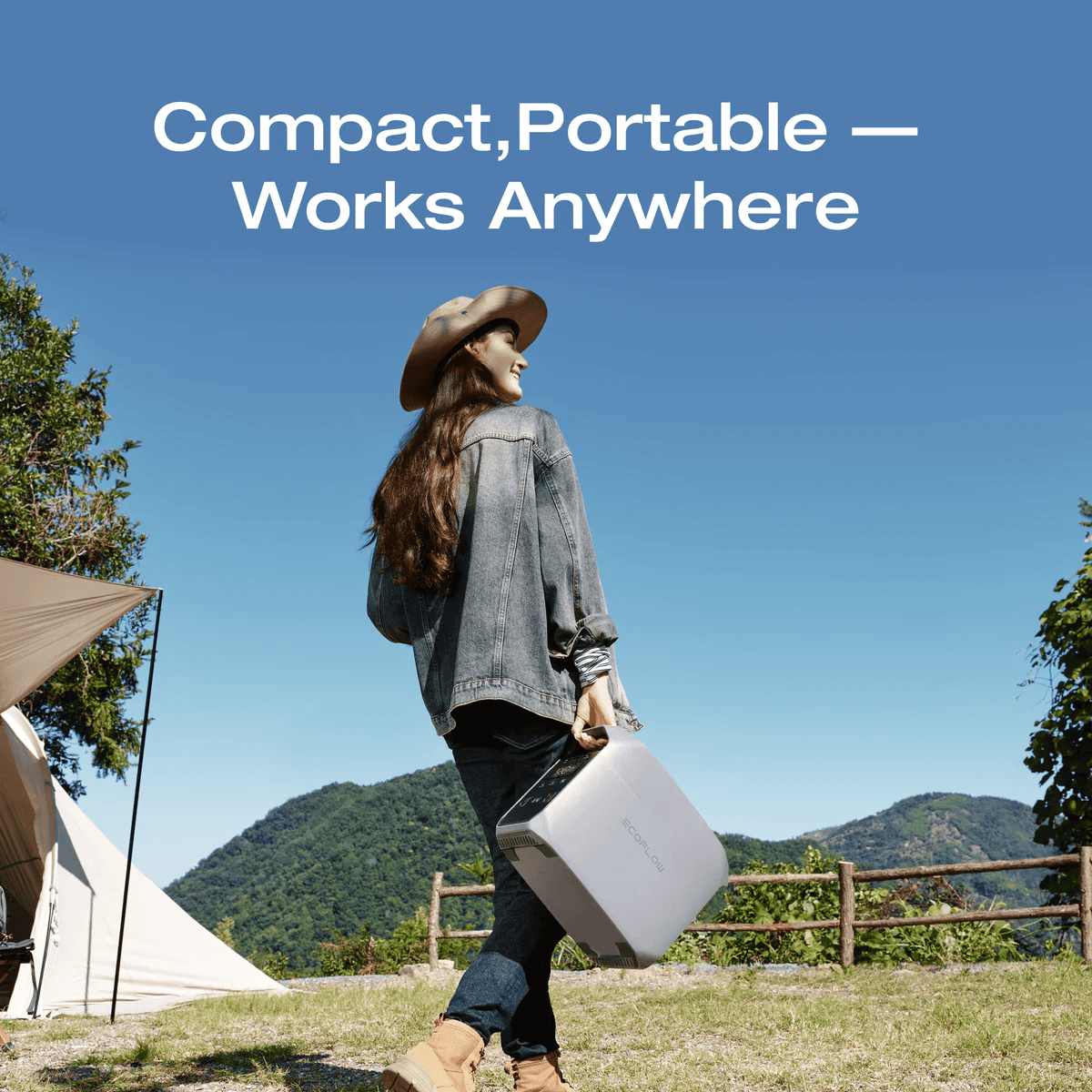
Solar panels remove the ceiling on how long a power station lasts. Instead of running down a single charge over a week at the Apostle Islands, a compatible solar panel tops the battery back up during the day so you're not rationing power by night three.
Wisconsin's tree cover can limit direct sun at some forest campsites, so panel placement in a clearing or along open shoreline makes a real difference in charge speed.
The same principle applies when camping in Texas and Colorado trips too: match your power source to how many days you'll be away from an outlet, not just how many devices you're carrying.
Frequently Asked Questions
What Is the Best Time to Go Camping in Wisconsin?
Late May through September covers Wisconsin's warmest weather, though July and August bring the biggest crowds and highest humidity. September and early October offer cooler nights, fall colors, and far more site availability, making them a strong choice for campers who prioritize quiet over guaranteed warmth.
Do Wisconsin State Parks Have Electric Campsites?
Many Wisconsin state parks, including Devil's Lake and Peninsula, mix electric and non-electric sites within the same campground. Availability varies by loop, and electric sites typically book faster and cost more per night, so check site-specific details before reserving.
Can You Use a Generator at Wisconsin State Parks?
Wisconsin state parks generally don't allow generator use without a permit, and noise that disturbs other campers isn't allowed regardless of location. Some campers get permits for medical needs, but casual generator use isn't the norm. Always check with the specific park before packing one, since enforcement and exceptions vary by property.
How Do You Charge Devices While Camping Off-Grid in Wisconsin?
Without hookups, campers typically rely on a portable power station charged before the trip, topped up on the drive in, or extended with a solar panel for longer stays. Matching your power source's capacity to your device list keeps you from running short mid-trip.
Off-Grid Power Keeps Your Wisconsin Camping Trip Comfortable and Uninterrupted
A rustic site at Kettle Moraine or a boat-in stay in the Apostle Islands shouldn't mean choosing between a charged phone and a cold cooler.
Pack a power source sized to your trip length and device list, and Wisconsin's best backcountry spots stop feeling like a tradeoff.
Browse EcoFlow's portable power station range to find the right fit for your stay.
For press requests or interview opportunities, reach out to our media team
media.na@ecoflow.com