Camping in Maine 2026: Coastal and Backcountry Power Tips
- What Makes Coastal and Backcountry Camping in Maine Different?
- What Power Challenges Do Coastal Maine Campers Face?
- What Power Challenges Do Backcountry Maine Campers Face?
- What Gear Needs Reliable Power on a Maine Camping Trip?
- How Do Portable Power Stations and Solar Panels Keep You Charged Off-Grid?
- What Are the Best Power Tips for Multi-Day Backcountry Trips?
- Frequently Asked Questions
- Reliable Portable Power Keeps Your Maine Camping Trip Charged From Coast to Backcountry
Maine's coastline and backcountry both test your gear in very different ways, from salt air and rolling fog to long stretches with no outlet anywhere nearby. Before you pack the cooler and the tent for your 2026 trip, it's worth thinking through exactly how you'll keep your phone, lights, and camera charged wherever you end up landing.
What Makes Coastal and Backcountry Camping in Maine Different?
Coastal camping in Maine puts you close to campgrounds, tide pools, and lighthouse views, often with shore power or a car nearby.
Backcountry camping means hiking or paddling into public reserved lands with no hookups, no cell service, and no way to restock if something dies.
A coastal trip where you can top off at the car or a campground outlet needs a different power plan than a backcountry trip where your gear has to run on its own for days, so sorting out which one you're doing before you pack is what keeps you from running out of charge.
What Power Challenges Do Coastal Maine Campers Face?
Salt air is the biggest coastal variable. It's corrosive to exposed metal contacts over time, and paired with frequent summer fog, it leaves gear damp for stretches of the trip.
Maine's coastal division runs cooler in summer than inland areas, and coastal summer temperatures generally peak in the mid-70s to low-80s, so extreme heat is less of a concern than lingering moisture.
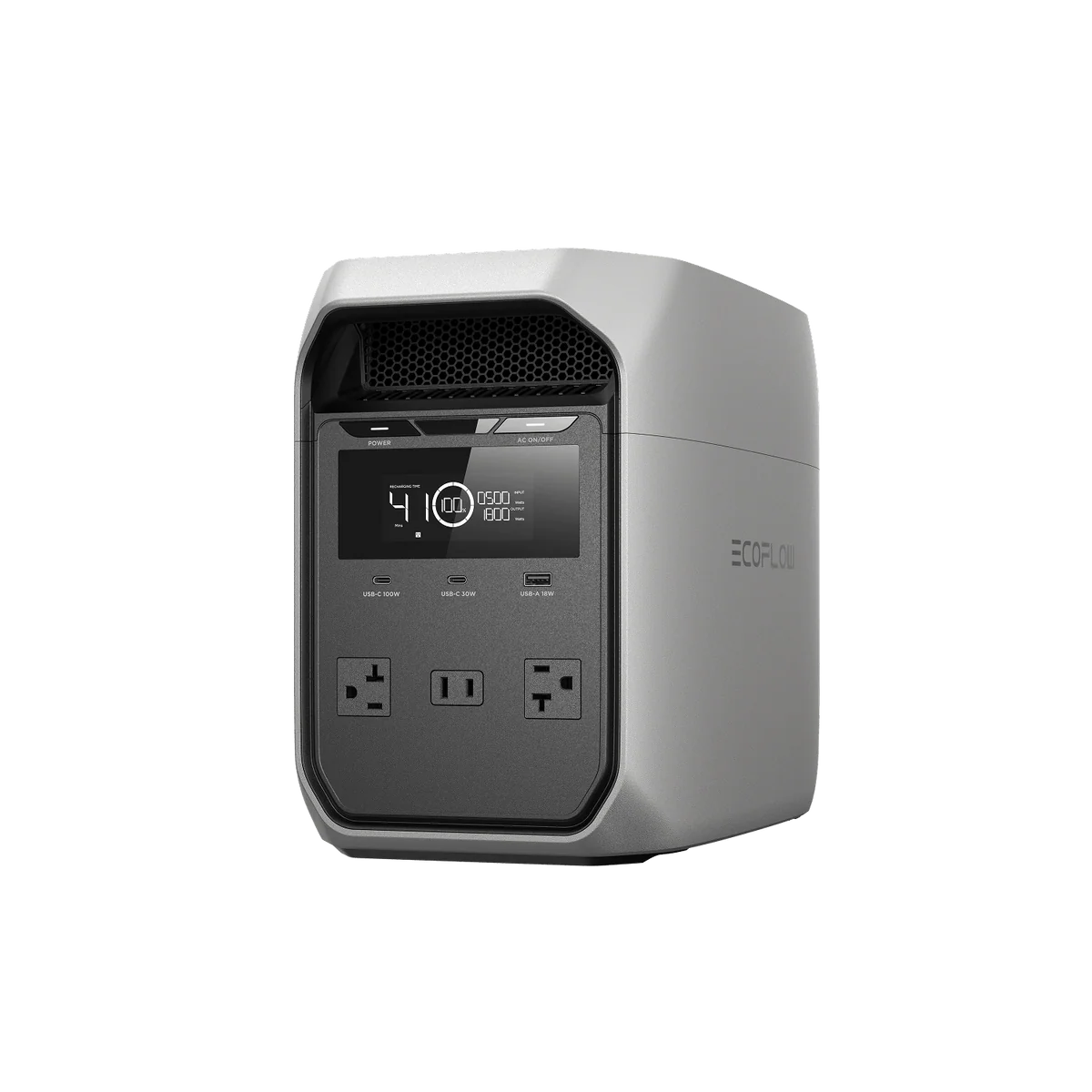
An EcoFlow DELTA 3 Classic (1024Wh) handles that environment well, since it's built for outdoor use and doesn't rely on the exposed contacts a loose battery pack does. Pack it alongside the rest of your coastal camping essentials, like a dry bag or waterproof case, so sand and salt spray stay off the ports and vents.
What Power Challenges Do Backcountry Maine Campers Face?
Backcountry sites on Maine's public reserved lands are typically first-come, first-served, with a fire ring and pit toilet and nothing else. There's no outlet, no store, and often no signal to call ahead. Reaching these sites can mean a full day of hiking or paddling before you set up, so every device needs to survive on whatever charge it left with.
Trailheads and boat launches get busiest during Maine's peak seasonal camping stretch, from mid-June through Labor Day, so arriving early to claim a site matters even more when you can't recharge once you're out there.
What Gear Needs Reliable Power on a Maine Camping Trip?
Phones, GPS, and Navigation Devices
A phone or dedicated GPS unit is your main link to maps and emergency contact once you're off marked trails. Trail junctions aren't always well signed, and running a navigation app for hours drains a battery fast, so plan to recharge daily rather than hoping one charge lasts the trip.
Lighting and Camp Setup
Headlamps and lanterns get heavy use once the sun drops, especially in fall and early spring when daylight runs shorter. Rechargeable lighting cuts down on the pile of spare batteries you'd otherwise carry in and pack back out.
Cooking and Food Storage
Electric cooking gear and small coolers make food prep easier on longer stays, particularly on the coast where you might be grilling fresh seafood. A cooler that holds a steady temperature also matters more in humid coastal air than it does inland.
Cameras and Marine Electronics
Lighthouse shots, wildlife sightings, and handheld VHF radios for anyone boating along the coast pull from the same power budget. Marine electronics need a dependable charge since they're often part of a safety plan, not just a convenience.
How Do Portable Power Stations and Solar Panels Keep You Charged Off-Grid?
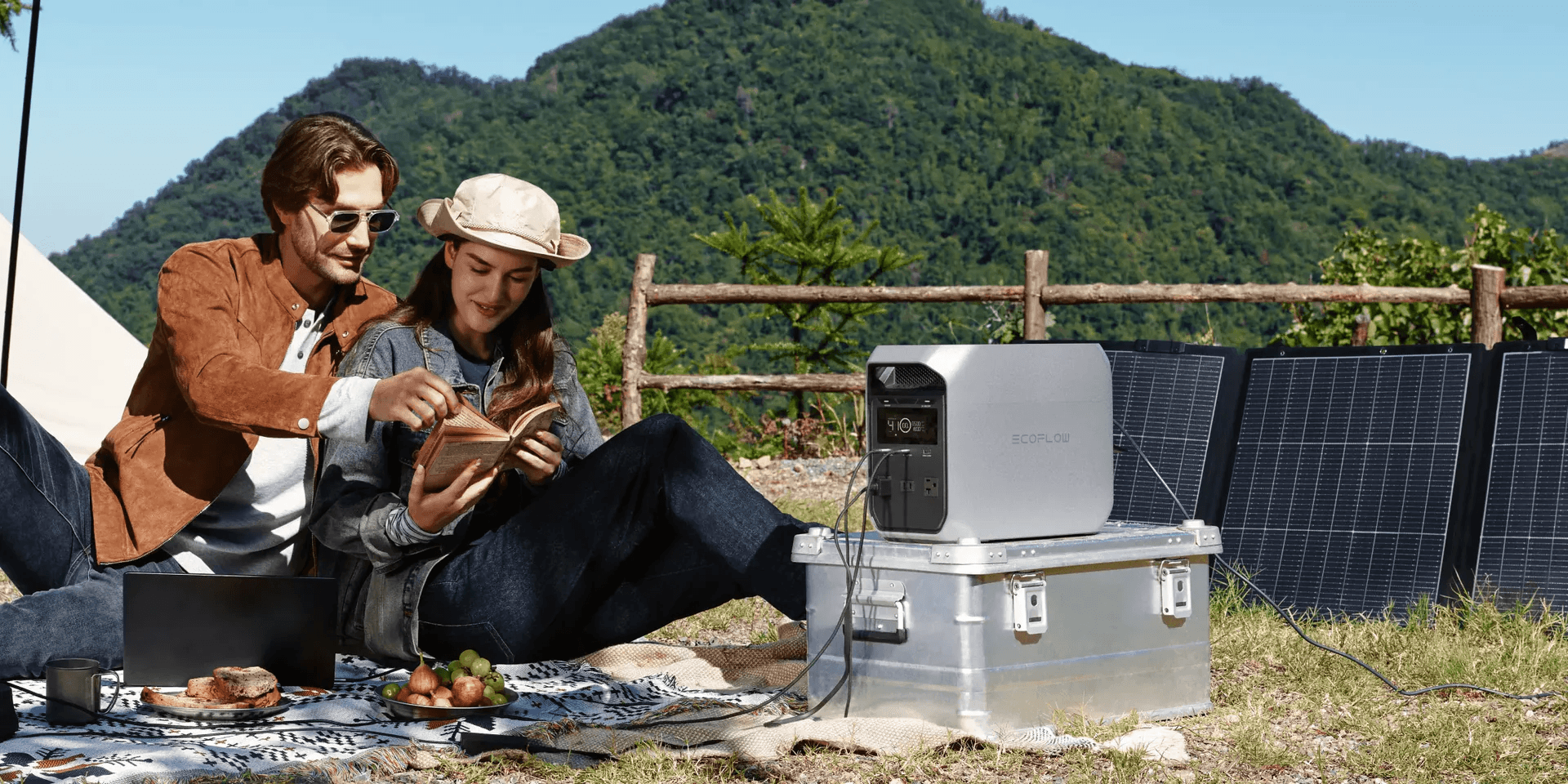
A portable power station gives you one central place to recharge everything instead of juggling single-purpose battery packs. Pairing it with a solar panel means you can top it up during the day, whether you're parked at a coastal site with clear sky or tucked into a backcountry clearing.
This setup works for weekend trips and multi-day routes alike, since you're not dependent on finding an outlet or carrying disposable batteries. A portable power station sized to your gear list, rather than the biggest one available, keeps your pack lighter without leaving you short on charge.
What Are the Best Power Tips for Multi-Day Backcountry Trips?
Charge everything to full before leaving the car or trailhead, and know roughly how many charge cycles each device needs across the trip.
Keep your power station in a dry bag, since backcountry weather in Maine can turn quickly.
If you're used to prepping for a different climate, like a camping in Kentucky trip or a camping in California route, expect Maine's cooler, damper backcountry to change how often you top up.
Frequently Asked Questions
Are Generators Allowed on Maine's Public Lands and in State Parks?
Traditional gas generators can be discouraged or restricted on Maine's public reserved lands and in many state park campsites, due to noise and fire risks. Rules vary by location, so check with the specific land manager before you go. Battery-based power stations avoid this issue entirely since they run silently and don't require a permit to use.
Does Salt Air Affect Solar Panels and Power Stations on the Maine Coast?
Salt air itself won't damage a sealed power station or panel during normal use, but salt spray and moisture buildup on exposed connectors over time can cause corrosion. Rinsing gear with fresh water occasionally and storing it in a dry bag when not charging helps prevent buildup. Panels with a durable, weatherproof housing hold up better than ones without.
How Long Does It Take to Recharge a Portable Power Station While Camping in Maine?
Recharge time depends on the method and the station's capacity. A car charger or wall outlet at a coastal campground can typically refill a mid-size station in a few hours, while solar charging in Maine's variable summer sky might take a full day of good light. Cloud cover and fog common along the coast can extend solar charging times noticeably.
Reliable Portable Power Keeps Your Maine Camping Trip Charged From Coast to Backcountry
Whether you're battling salt air on the shoreline or running gear off the grid for days at a stretch, the right charging setup means one less thing to worry about between campsites.
Matching your power station to your actual gear list, from navigation devices to marine electronics, is what keeps a Maine trip running smoothly rather than cutting it short.
If your next route crosses both coastline and backcountry, an EcoFlow portable power station built for outdoor conditions is worth packing before either one catches you short on charge.
For press requests or interview opportunities, reach out to our media team
media.na@ecoflow.com