Best Places to Camp in California: From Coastal Bluffs to High Sierra Peaks
California is basically a cheat code for campers. There aren’t many places on the planet where you can wake up to the Pacific crashing against the cliffs and, by sunset, be staring at the granite peaks of the High Sierra. Whether you’re a “park the truck and chill” type or someone who wants to hike ten miles into the middle of nowhere, the Golden State has a spot for you.
In this guide, we’re going to walk through the best spots by region, give you the lowdown on how to actually beat the reservation system (it’s a battle), and talk about the gear that keeps the lights on when you’re miles away from a wall outlet.
Why California Is One of the Best Camping Destinations in the U.S.
There’s a reason people have been “California dreaming” since the '60s. The state’s geography is basically a massive outdoor playground.
Insane Variety: You can literally surf in the morning and be sitting by an alpine lake by dinner. We have everything from sun-baked deserts to lush, misty rainforests.
Camping All Year: While most of the country is digging their cars out of the snow, you can find a perfect 70°F campsite in the desert or along the southern coast in the dead of January.
The Heavy Hitters: We’re home to the GOATs of the National Park System. Places like Yosemite and Joshua Tree aren’t just parks; they’re bucket-list cathedrals made of stone and trees.
Best California Campgrounds by Landscape
Deciding where to pitch your tent depends entirely on the vibe you’re after. California is not a “one size fits all” state. Here is a breakdown of the top spots, categorized by the terrain that makes them famous.
Coastal Camping
The California coast is essentially 800 miles of salt-sprayed cliffs and hidden coves. Whether you want a rugged backcountry trek or just a place to park the SUV for a family weekend, there’s a stretch of Highway 1 with your name on it.
Big Sur - The Holy Grail
This is where the Santa Lucia Mountains literally drop into the Pacific. If you can snag a spot at Kirk Creek or Plaskett Creek, you’re camping on a high bluff with a front row seat to the ocean. There is nothing like falling asleep to the rhythmic boom of waves hitting the rocks below. Also, the lack of city lights makes the stargazing here insane.
Point Reyes - Wild Coastal Escape
Just an hour north of San Francisco, Point Reyes feels like a misty, ethereal world. It’s famous for hike-in spots like Coast Camp. You’ll trek through meadows and coastal scrub to find secluded sites right near the beach. It’s the move if you want to swap car engines for the sound of wandering elephant seals.
Santa Cruz & Half Moon Bay
These are the classic “easy weekend” getaways. You get developed campgrounds right next to the sand, plus the convenience of being five minutes away from a decent fish taco or a local surf shop.
Forest & Redwoods Camping
Heading north changes the sensory experience completely. The air gets cooler, the light gets filtered, and you’re met with a grounding silence that only ancient forests can provide.
Redwood National & State Parks
Sleeping beneath 300-foot-tall trees is a humbling “bucket list” moment. Elk Prairie Campground is a standout, don’t be surprised to wake up to Roosevelt elk grazing right outside your tent. It’s also the perfect base camp for Fern Canyon, which looks exactly like a scene from Jurassic Park.
Lassen Volcanic - The Underrated Gem
Think of Lassen as a smaller, way less crowded Yellowstone. It’s a surreal landscape with bubbling mud pots and cinder cones. Manzanita Lake is the top choice for camping; the water is calm enough for a morning kayak, and the reflection of Lassen Peak is a postcard waiting to happen. To ensure you have power for your cameras and devices in these remote northern woods, carrying a reliable solar generator is a smart move.
Mountain Camping
High altitude camping in the High Sierra is where “deep camping” really takes off. This is the rugged backbone of the state, full of granite cathedrals and air so thin it feels like a different planet.
Yosemite National Park - The Absolute Bucket List
If you manage to snag a spot in Upper, Lower, or North Pines, you’ve basically won the California lottery. Waking up on the Valley floor is a trip, you’re literally surrounded by 3,000-foot granite giants like El Capitan and Half Dome, with the Merced River rushing nearby. It’s the kind of immersive landscape that makes you want to drop everything and just hike for days. When you’re “deep camping” in the High Sierra for a long weekend, you’re usually doing more than just crashing in a tent. You might be running a portable fridge to keep the steaks fresh, charging up drones for those sunrise gap shots, or even setting up a projector for a movie under the stars once the kids are asleep.
The EcoFlow DELTA 2 Max Portable Power Station was pretty much built for this exact demand. It’s got a solid 2kWh base capacity, which is plenty for everything from your morning espresso maker to a full photography rig. Since the Sierra is a total sun-trap, it pairs perfectly with solar panels. You can charge it up during those bright afternoons and have a fully powered “outdoor kitchen” by sunset. It gives you total freedom from those crowded RV hookups while keeping your whole site off grid. Bottom line: it lets you focus on the view instead of worrying about a dead battery.
Lake Tahoe - Alpine Blue and High Sierra Vibes
Straddling the California-Nevada line, Lake Tahoe is basically a high-altitude playground with some of the bluest water on the planet. If you can get into Emerald Bay State Park, do it. Whether you’re at the boat-in campground or one of the spots perched on the ridge overlooking the bay, you’ve got world-class hiking literally right outside your tent flap. It’s the perfect home base for anyone who wants to mix a morning paddleboard session with a strenuous mountain hike in the afternoon. Another thing, the water is freezing even in July, so that post-hike dip will definitely wake you up.
Sequoia & Kings Canyon – Massive Trees & Quiet Trails
These twin parks often get overshadowed by Yosemite, but honestly? That’s a win for you. It’s way more serene and significantly less crowded. You can camp right among the world’s largest trees in the Giant Forest or head down into Kings Canyon, which is actually the deepest canyon in North America. If you grab a spot at Lodgepole Campground, you’re right next to the Marble Fork of the Kaweah River. It’s a total forest-bathing experience that feels much more “wild” than the bigger parks. Another thing to love, the scale of the trees here makes everything else in your life feel pretty small, which is exactly why people head to the mountains in the first place. To find the best Sequoia National Park camping and stay among giant trees, check out our breakdown of the top sites for a truly immersive experience.
Desert Camping
The California desert is all about extremes. You’ve got these vast, haunting landscapes during the day and then a canopy of stars at night that’ll honestly make you dizzy. It can be a little intimidating if you’ve never been, but the solitude and the geological weirdness are things you just won’t find anywhere else.
Joshua Tree - The Sci-Fi Landscape
Known for its twisted “trees” and massive, rounded boulders, J-Tree is basically a playground for climbers and anyone with a camera. Staying at Jumbo Rocks feels like you’re on the set of a space movie. Those giant rock formations actually act as natural windbreaks, which is a lifesaver when you’re trying to brew your morning coffee. Since the air is so dry, the stargazing is world-class. On a moonless night, the Milky Way is so bright it looks like a cloud.
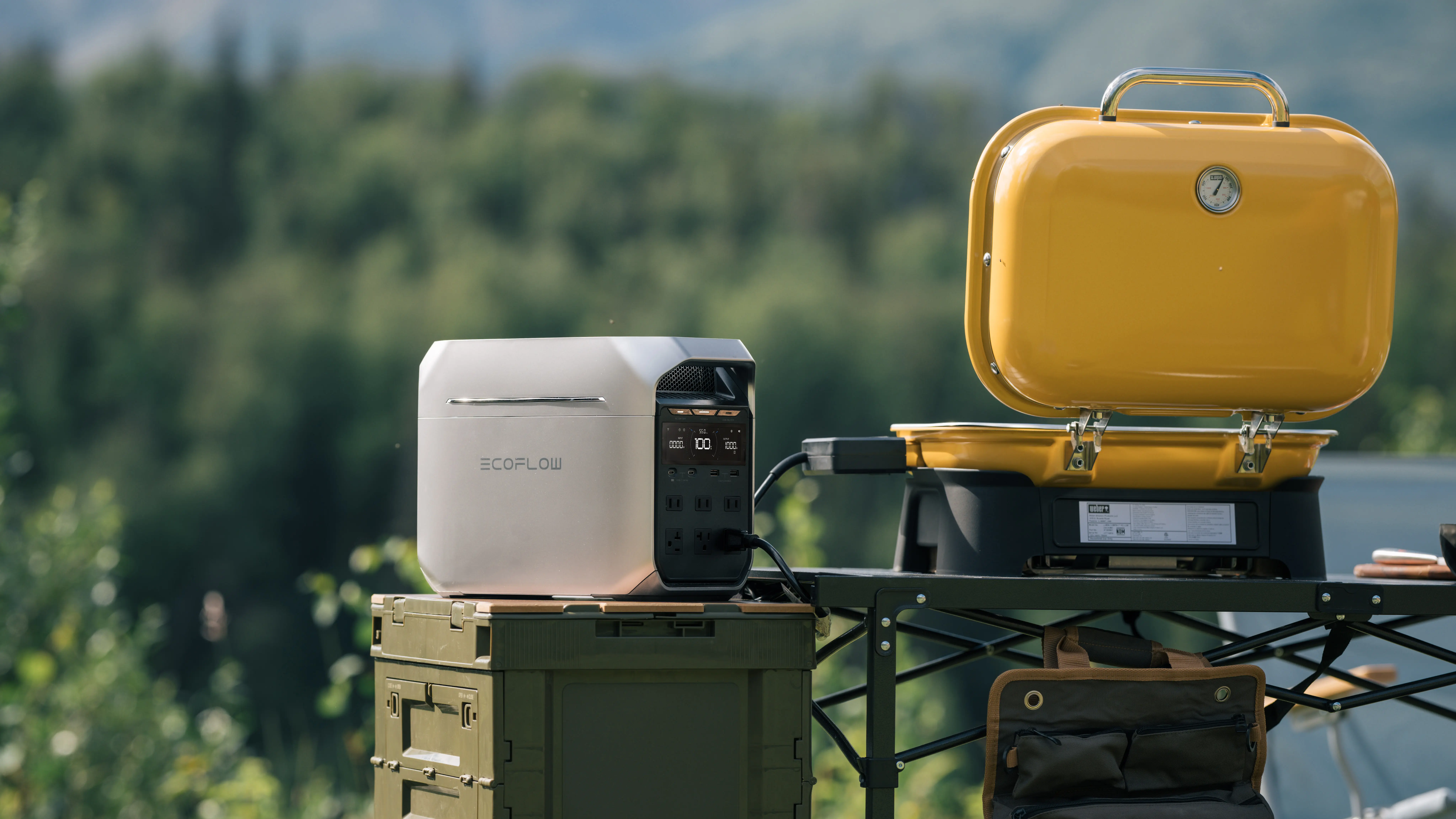
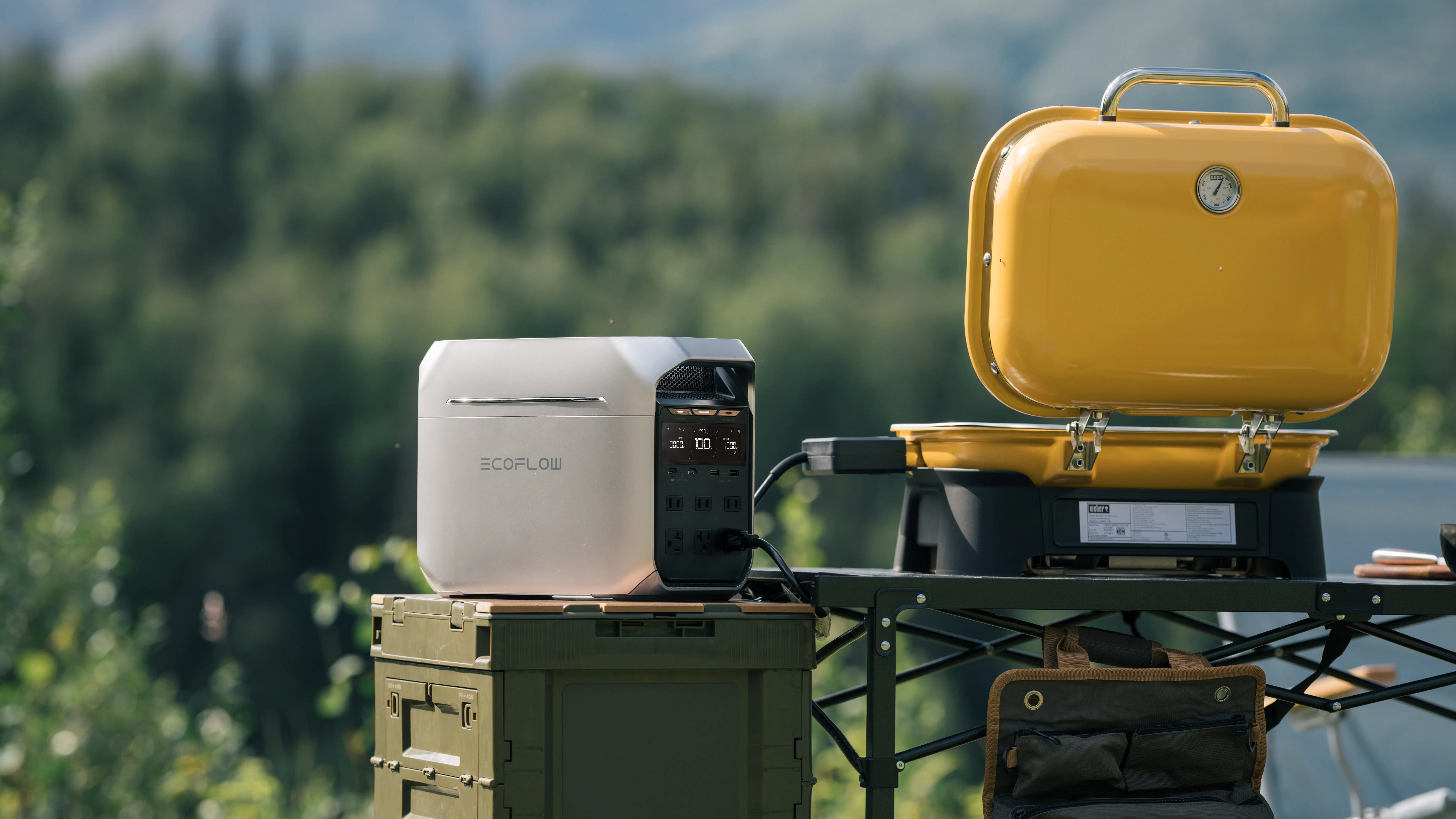
Camping in the desert is incredible, but here’s the catch: most sites are “dry.” That means zero water and definitely no power hookups. Plus, the temperature swing is no joke, it’ll be blistering at noon and then a biting 40°F chill by midnight. To stay comfortable without a loud generator, the EcoFlow DELTA 3 Plus Portable Power Station is a solid companion. It’s light enough to lug around your site but has enough punch to run an electric blanket during those freezing nights or a fan and portable fridge when the sun is cooking.
The desert is a solar goldmine. If you hook it up to a 220W Solar Panel, you’ve basically got a continuous “mobile energy hub.” You can enjoy the middle of nowhere without freezing your tail off or letting the beer get warm.
Anza-Borrego - The Wildflower Jackpot
As the biggest state park in California, Anza-Borrego feels even more expansive and quiet than Joshua Tree. If you time your trip for the spring (usually late February or March), you might catch a “Super Bloom.” The parched desert floor just explodes into a carpet of purple, yellow, and orange. Borrego Palm Canyon is the all time favorite spot here. It gives you access to a rare palm oasis and an actual refreshing stream, a literal desert miracle. Bottom line, if you can handle the heat and the dust, the desert will give you a sense of peace you can’t get anywhere else. Just don’t forget the sunscreen.
How to Choose the Right Campsite in California
Before you go hitting that “book” button, you’ve got to think about how you actually want to experience the wild. California’s camping options run the gamut from high-end “glamping” with full hookups to rugged, middle-of-nowhere survivalist treks. Picking the wrong one can turn a dream weekend into a total logistical headache.
Tent vs. RV Camping
This is the classic debate: do you want comfort or connection? Tents give you that quintessential experience, the smell of the pines and the sound of the wind through the nylon. You can also access those tiny, secluded walk-in sites that the big rigs can’t even dream of reaching.
On the flip side, RVs and campervans are basically a home on wheels. You get a kitchen, a real bed, and a solid wall between you and the elements. If you’re planning a two-week marathon down the PCH, an RV is way more practical, especially when you pair it with essential car charging solutions for road trips and camping to keep your devices powered between stops. But here’s the key: if you’re looking for a true escape, nothing beats the simplicity of a tent.
Developed vs. Dispersed Camping
If you need a picnic table, a fire ring, and a bathroom that doesn’t involve a shovel, developed campgrounds, like the ones in Yosemite or Sequoia are your best bet. However, if you’re trying to ditch the crowds entirely, dispersed camping (or “boondocking”) is the way to go. You can find these spots on BLM or National Forest land for free. It’s quiet and private, but there’s a trade off. You have to carry in every drop of water you use and pack out every single piece of trash. Oh, and you’ll be digging a hole for a bathroom. It’s not for everyone, but for some, the silence is worth it.
Choosing Based on Travel Style
Who you’re traveling with changes everything, so you really have to match the site to your crew. Families are usually hunting for the basics, flush toilets, nearby water, and flat ground so the kids aren’t literally rolling down a hill in their sleeping bags. If you’re heading out as a couple, you might skip the busy family loops in favor of those smaller, more remote spots that offer a little privacy and a better view of the sunset. Then you have the solo hikers, who often stick to sites near major trailheads or more social campgrounds where it’s easy to swap trail tips with other people around a fire. Here’s the key: you’ve got to know what you’re getting into before you pull into the lot. It’s the difference between a relaxing getaway and a long weekend spent wishing you were just back on your couch.
Best Time to Camp in California (Seasonal Guide)
Because California is so geographically diverse, there is always a perfect place to pitch a tent, no matter the month. You just have to know where to look.
Spring (March – May)
During the Spring, you’ve got a magic window for the desert regions. Places like Joshua Tree and Anza-Borrego come alive with those vibrant “Super Blooms,” and the daytime temperatures are actually pleasant for once. It’s also the prime time for Yosemite Valley, mainly because the snowmelt makes the waterfalls reach their peak, thunderous volume.
Summer (June – August)
Once Summer hits, it’s peak season for the High Sierra peaks and the northern forests. When the valley floor is bake-oven hot at 100°F, the mountains stay a breezy 75°F. Just be ready for “June Gloom” along the coast, that thick marine layer of fog can hang around until the afternoon. It’s atmospheric, sure, but it keeps the beaches pretty chilly.
Fall (September – November)
Fall is another thing entirely and arguably the best time for a trip. The massive summer crowds have vanished, the kids are back in school, and the weather is crisp and clear. The mosquitoes in the mountains finally die off, and the coastal fog clears out, giving you the best sunsets of the year.
Winter (December – February)
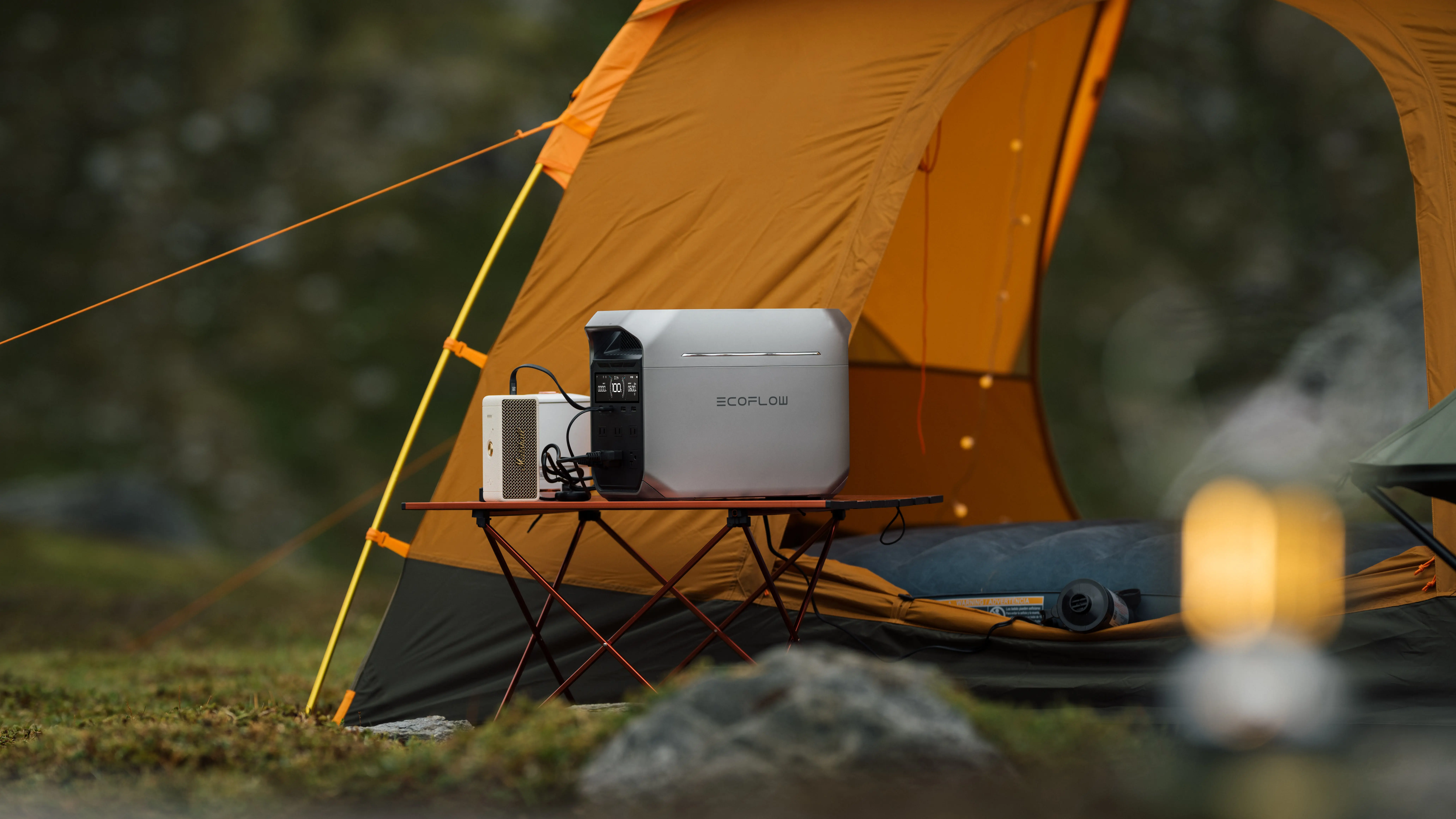
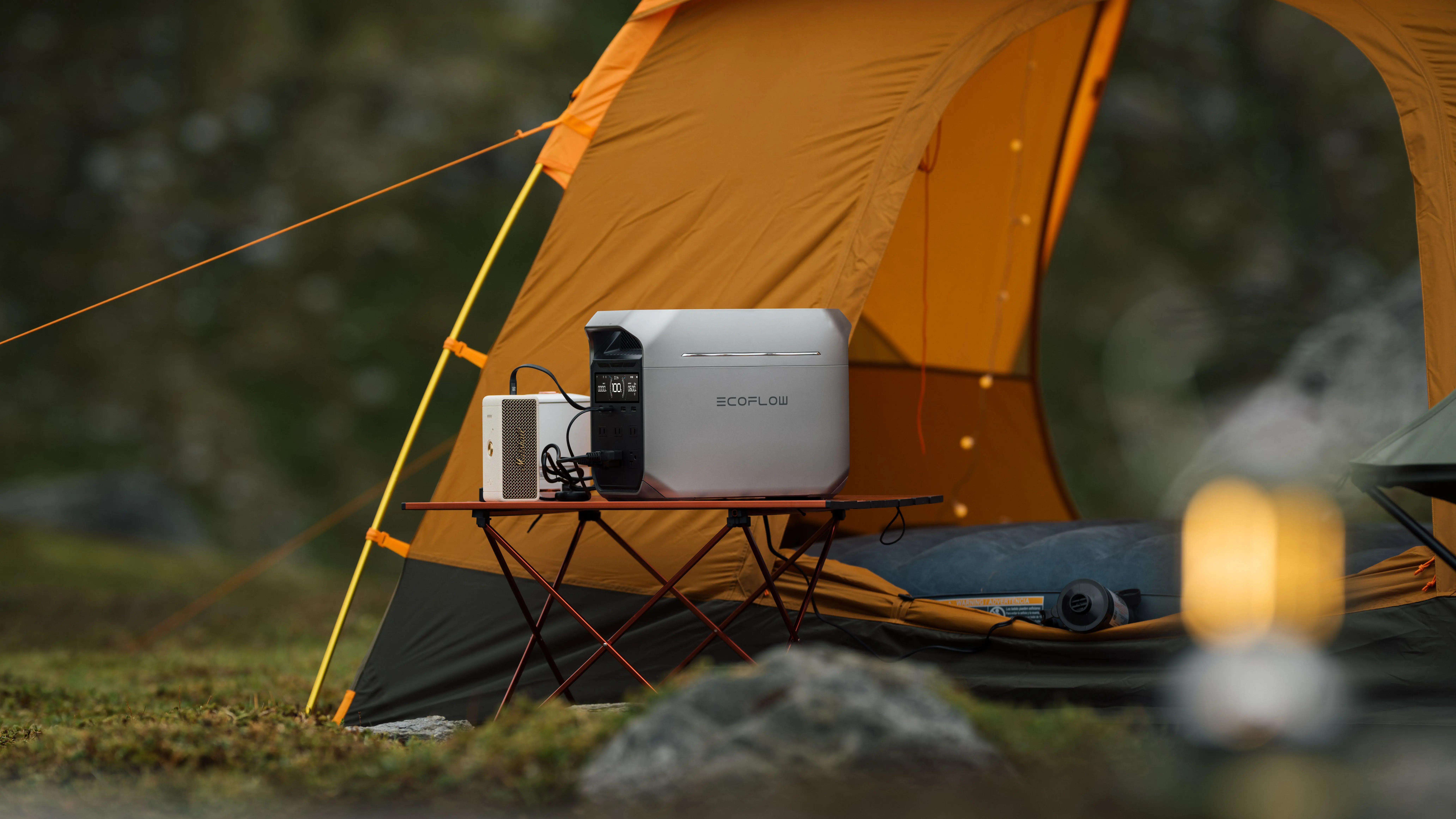
Then you have Winter. While the mountains are buried in snow, this is the prime time for Death Valley or Southern California coastal trips. You get that ocean breeze without the blistering summer heat. If you’re brave enough for winter mountain camping, just make sure you have a 4-season tent and a serious portable power station to keep your heating gear running through those long, dark nights.
Essential California Camping Tips
California camping takes a lot more legwork than a spontaneous weekend trip. Between the massive demand and the weird environmental stuff, being prepared is usually the difference between a successful trip and staring at a “No Vacancy” sign.
Mastering the Reservation Battle
In the Golden State, snagging a campsite is basically a competitive sport. For state parks like Big Sur or Carpinteria, you’ll be on ReserveCalifornia.com. For the big national parks like Yosemite or Sequoia, it will be on Recreation.gov.
Pro Tip: sites usually open up exactly six months in advance at 8:00 AM PST. The most popular spots can literally sell out in under 30 seconds. You’ve got to be logged in with your payment info saved and your finger on the refresh button the second that clock hits the hour.
Pack for the "Swing"
Never trust a California weather forecast to tell the whole story. Because of the “diurnal temperature swing,” a desert or mountain site can be a beautiful 85°F at 2:00 PM and plummet to a bone-chilling 45°F by the time you’re starting dinner. Always pack a base layer of moisture wicking wool, a warm mid-layer like a fleece or down jacket, and a windproof shell. Another thing, even in the middle of July, you’ll probably be reaching for a beanie once the sun goes down.
Fire Safety & Wildlife Awareness
California takes fire safety very seriously, and for good reason. During the dry season, wood fires are often banned entirely. Always check the current “Fire Danger” level before you head out. A smart move is to bring a portable propane fire pit so you can still have that campfire vibe if wood fires are a no-go. Also, keep in mind you’re in bear country. In the Sierras and northern forests, black bears are everywhere.
The rule is simple: use those metal bear lockers (bear boxes) for absolutely everything that has a scent. This means food, trash, coolers, soap, and even your flavored lip balm. Never leave food in your car. Bears in places like Yosemite have been known to peel car doors open like sardine cans just because they smelled a stray granola bar in the glovebox. It’s a quick way to ruin a vacation.
Conclusion
California’s geography is so wild that you never really have to settle for just one type of experience. You can spend one weekend chasing the misty silence of the Redwoods and the next staring up at the granite peaks of the High Sierra or the star-filled desert. It’s a place that offers a lifetime of discovery, and honestly, you could spend decades exploring it and still find new favorite spots. So, grab your gear, pick your landscape, and head out. There’s a reason California is still the ultimate destination for the American road trip. Safe travels and we’ll see you on the trails!
FAQs
1. Do you need a camping permit in California?
Yeah, most established campgrounds require a reservation or a fee when you pull in. If you’re planning to ditch the crowds for the backcountry (wilderness camping), you’ll definitely need a specific wilderness permit. Those can be just as hard to get as a regular campsite in the popular parks, so check ahead.
2. What is the best free camping in California?
The best “zero-dollar” spots are usually on BLM (Bureau of Land Management) land or inside National Forests, what people call dispersed camping. The areas around Joshua Tree and the Eastern Sierra have some legendary BLM spots where you can set up for free for up to 14 days. Just remember, there’s no water or trash service out there.
3. Is it legal to camp on the beach in California?
Only on designated beaches that are part of the state or national park systems. If you try to pitch a tent on a random public city beach, you’re probably going to get a knock on the tent from a ranger. It’s strictly enforced, so stick to the official coastal campgrounds.
4. How far in advance should I reserve a spot?
For the heavy hitters like Yosemite or Big Sur, you need to be looking six months out. For holiday weekends, those spots vanish in seconds. If you’re more of a last minute traveler, look for less famous state forests or try your luck with midweek dates.
5. Is camping safe in California?
For the most part, absolutely. It’s safe as long as you don’t get careless with wildlife or the weather. Here’s the key: always check fire restrictions before you strike a match. Wildfire risk is a massive deal during the dry months, and the rules can change overnight. Keep your food locked up from bears, and you’ll be fine.
For press requests or interview opportunities, reach out to our media team
media.na@ecoflow.com