Group Camping Guide: How to Plan Meals, Gear, Activities, and Power
- 1.Choose the Right Location for Your Group Camping Trip
- 2. Effective Meal Planning for a Large Camping Group
- 3. Essential Gear Coordination for Your Camp Group
- 4. Manage Power Needs in the Great Outdoors
- 5. Planning Engaging Activities for Diverse Ages
- 6. Group Etiquette and Leave No Trace Principles
- Start Planning Your Best Group Trip Today
- FAQs
Organizing a trip for a large number of people requires more than just a few tents and a bag of marshmallows. Successful group camping involves detailed coordination of logistics, from selecting the right location to managing shared resources. When multiple households travel together, a lack of planning can lead to crowded sites, food shortages, or gear overlap. This guide provides a comprehensive framework to help you manage meals, equipment, activities, and energy needs for a seamless outdoor experience.
1.Choose the Right Location for Your Group Camping Trip
The foundation of any successful outing is the venue. Not all campgrounds are designed to accommodate large numbers of people in a single area. Standard sites often have limits on the number of tents or vehicles allowed, which can split your party across different loops of a park. Understanding the specific layout of your destination is essential for keeping everyone together.
Evaluate Group Camping Sites vs. Individual Plots
Many state and national parks offer dedicated group camping sites that are separate from the general public areas. These sites typically feature a large central fire ring and multiple picnic tables. Booking these specialized sites is often more cost-effective than reserving five or six individual spots. It also ensures your party has enough communal space for shared meals without encroaching on the privacy of other campers.
Assess On-Site Facilities and Water Access
When evaluating group camping sites, check the proximity to amenities like vault toilets and water spigots. If the site is "dry," you will need to haul in a significant amount of water for the whole camping group. Additionally, consider the distance to the nearest trash disposal. Large groups generate more waste, and having to hike a half-mile with heavy trash bags every morning can become a chore that disrupts the relaxation of the trip.
Consider Accessibility and Vehicle Parking
Large groups often arrive in multiple vehicles, ranging from compact cars to large RVs. Check if the site has a "maximum vehicle" limit. Some sites allow ten tents but only four cars, requiring others to park in an overflow lot. Ensuring that everyone knows the parking situation beforehand prevents frustration upon arrival and ensures that those with heavy gear can park closest to the central hub.
2. Effective Meal Planning for a Large Camping Group
Food is often the most complex part of a shared trip. If every family brings their own stove and ingredients, the kitchen area becomes cluttered and inefficient. A structured approach to dining ensures that everyone is fed without excessive waste or stress.
Implement the "Meal Captain" System
The most efficient way to manage a large camping group is to assign specific meals to different sub-groups. For example, one family handles Saturday breakfast, while another takes charge of Saturday dinner. This system allows people to shop and prep in bulk, which is usually cheaper. It also ensures that the workload is distributed fairly, so no single person spends the entire trip standing over a camp stove.
Choose Scalable and Low-Prep Menus
When cooking for a camp group, select meals that are easy to scale up. Tacos, chili, or "foil pack" meals are excellent because they require minimal individual assembly. To save time at the site, perform as much prep as possible at home. Chopping vegetables, marinating meats, and pre-mixing pancake batter into squeeze bottles can save hours of labor in a campsite kitchen where space and light might be limited.
Manage Shared Coolers and Ice
Large groups often struggle with cooler space. It is often helpful to designate "food-only" and "drink-only" coolers. Drink coolers are opened more frequently, causing ice to melt faster. By keeping the main food cooler closed until mealtime, you keep perishables at a safer temperature for longer. Using frozen gallon jugs of water instead of loose ice cubes can also keep food dry and provide extra drinking water once the ice melts.
3. Essential Gear Coordination for Your Camp Group
Duplicate gear is a common issue when multiple families head outdoors. You likely do not need five separate cast-iron skillets or four different hatchets. Coordinating your equipment list beforehand saves cargo space in vehicles and keeps the communal area organized.
Create a Shared Equipment Spreadsheet
Before the trip, use a shared document to list "big-ticket" items. This includes large shelters, heavy-duty stoves, and specialized tools. By identifying who is bringing the primary kitchen setup or the large water jugs, other members can focus on bringing smaller, personal items. This coordination is the hallmark of an organized camp group and prevents the logistics from becoming overwhelming.
Balance Communal Gear with Personal Space
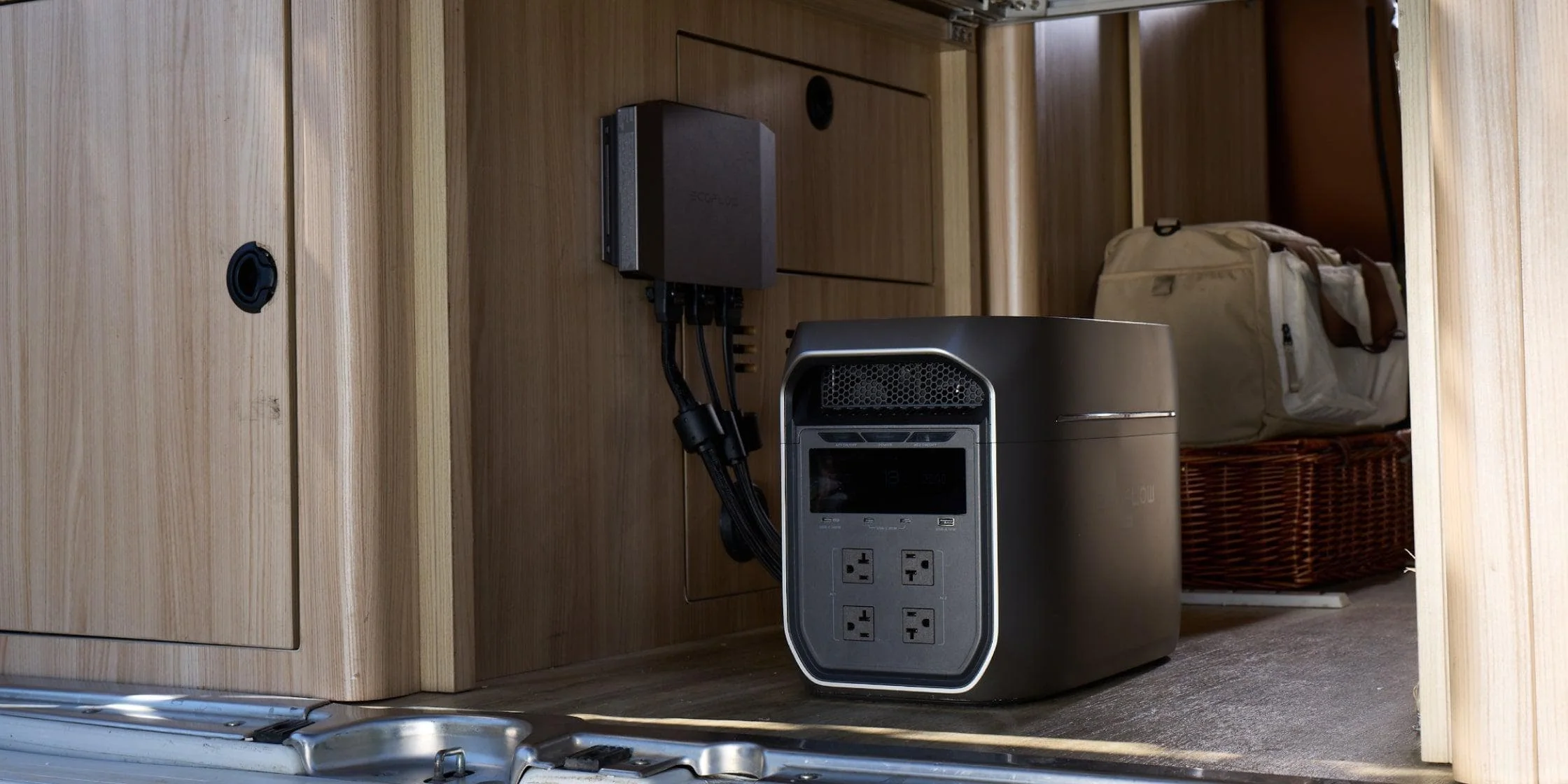
While sharing kitchen gear is efficient, every family or individual still needs their own "personal zone." Encourage members to bring their own chairs, sleeping gear, and lighting for their specific tents. Providing a clear list of what is "shared" and what is "personal" prevents confusion. For example, the group might share a large power hub, like the EcoFlow DELTA 3 Max (2048Wh) and 400W Solar Panel, to keep communal lighting and shared appliances running smoothly throughout the trip.
Plan for Shared Lighting and Comfort
In the evening, a large group camping site can become very dark. Plan for communal lighting, such as string lights or high-lumen lanterns, to illuminate the kitchen and dining areas. Additionally, consider "creature comforts" like a large outdoor rug for the tent entrance or a pop-up canopy for shade and rain protection. These small additions make the site feel like a cohesive home for the duration of your stay.
4. Manage Power Needs in the Great Outdoors
As modern camping often involves smartphones for navigation and sometimes medical devices like CPAP machines, power management is a priority. In a group camping environment, the demand for charging ports increases significantly.
Estimate the Group’s Collective Wattage
Before heading out, ask members what electronics they plan to bring. A group of ten people might have ten phones, three tablets, and multiple rechargeable headlamps. If someone is bringing a portable espresso machine or a movie projector for the kids, the power requirements will be much higher. Estimating these needs prevents you from bringing a battery that drains on the first night.
Establish a Central Charging Station
Instead of everyone trying to charge devices in their individual cars, set up a central charging hub in the communal area. This keeps the camp group together and prevents people from idling their car engines, which is noisy and produces fumes. A central station also makes it easier to monitor battery levels and ensure that essential devices, like GPS units or emergency radios, are always ready for use.
Integrate Solar for Long-Term Sustainability
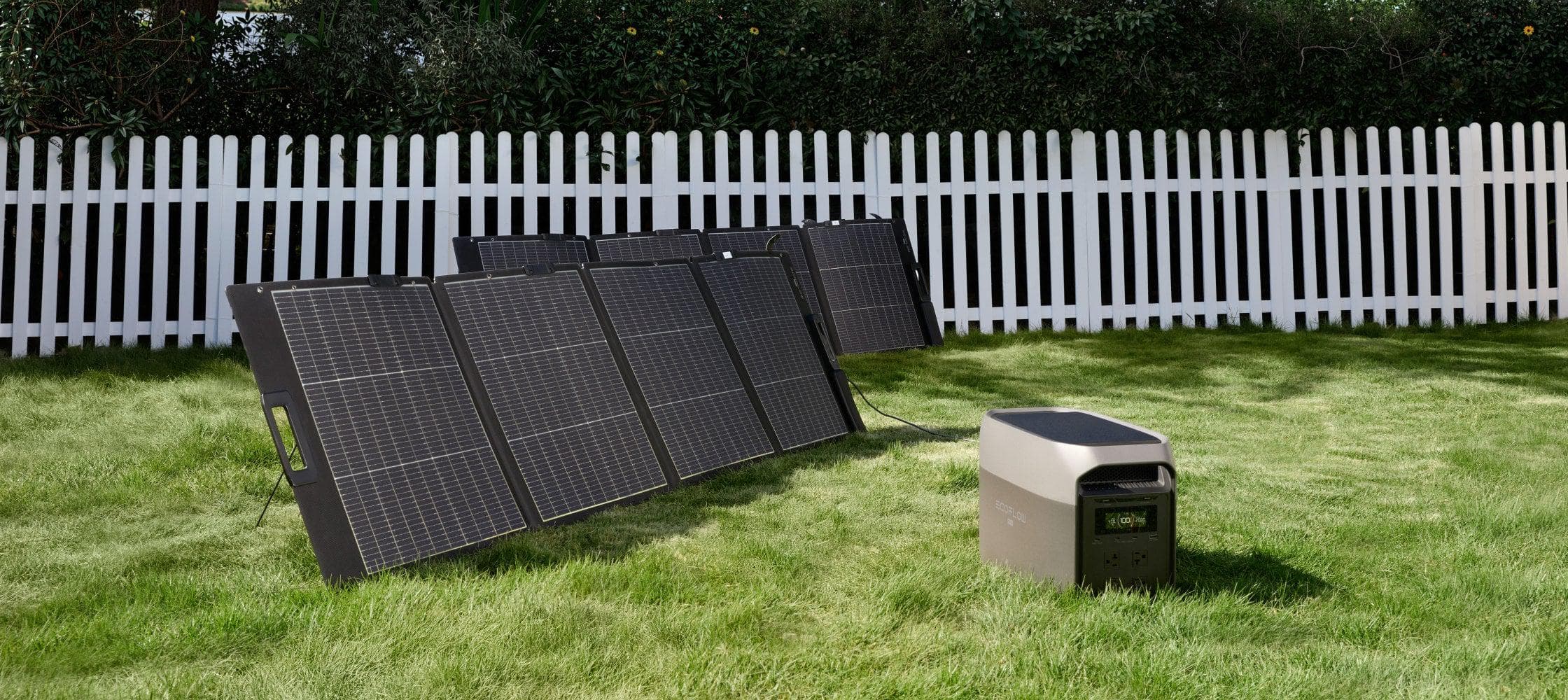
For trips lasting more than two days, relying solely on a pre-charged battery may not be enough for a large group. Utilizing solar panels allows the group to "harvest" energy during the day while they are out on hikes or at the lake. Positioning the panels in a sunny spot away from the main activity area ensures they can work undisturbed, providing a continuous cycle of clean energy for the evening’s needs.
5. Planning Engaging Activities for Diverse Ages
A large camping group usually consists of people with varying interests and energy levels. Successful activity planning provides a mix of structured group time and free exploration.
Rather than forcing everyone to do the same thing at once, provide a few options for each part of the day. One group might want to take a strenuous hike to a peak, while another prefers a slow walk to a nearby creek. By allowing the camp group to split up and reunite for meals, you ensure that everyone gets the experience they want without feeling pressured to match someone else's pace.
Evenings are the primary time for bonding. Classic games like "Sardines," campfire storytelling, or simple card games are excellent for large groups because they require very little gear. If the site has enough space, outdoor games like cornhole or a frisbee can provide hours of entertainment during the "downtime" between lunch and dinner.
Nature is unpredictable, and a rainy afternoon can dampen spirits if you aren't prepared. Bring a few "emergency" activities, such as board games, books, or a deck of cards, that can be played under a large canopy or inside a group tent. Having a plan for bad weather prevents the trip from being cut short and often leads to some of the best bonding moments of the entire adventure.
6. Group Etiquette and Leave No Trace Principles
The environmental and social impact of a large group is higher than that of a solo camper. Adhering to strict etiquette is vital for maintaining a positive reputation for your camp group and protecting the wilderness.
Respect Quiet Hours and Neighbors
Noise travels easily in the woods. Large groups naturally generate more sound through conversation and laughter. Be mindful of the campground’s quiet hours, which are typically from 10:00 PM to 6:00 AM. Try to keep the volume down during these times and avoid using bright, glaring floodlights that might shine into neighboring sites.
Implement a Strict Waste Management System
A large group camping trip can generate a surprising amount of trash. Establish a clear system early on, with separate bags for recycling and landfill. Encourage everyone to crush cans and flatten boxes to save space. Before leaving, perform a "grid sweep" of the entire site. Every member should walk the grounds to pick up micro-trash, such as bottle caps or tiny plastic wrappers, ensuring the site is pristine for the next visitors.
Minimize Fire Impact
If your site has a communal fire pit, keep fires to a manageable size. Large "bonfires" can be dangerous and consume excessive amounts of firewood. Always check for local fire bans before your trip. If fires are allowed, ensure the flames are completely extinguished with water before the last person goes to bed. Never leave a fire unattended, especially in a group setting where people might assume someone else is watching it.
Start Planning Your Best Group Trip Today
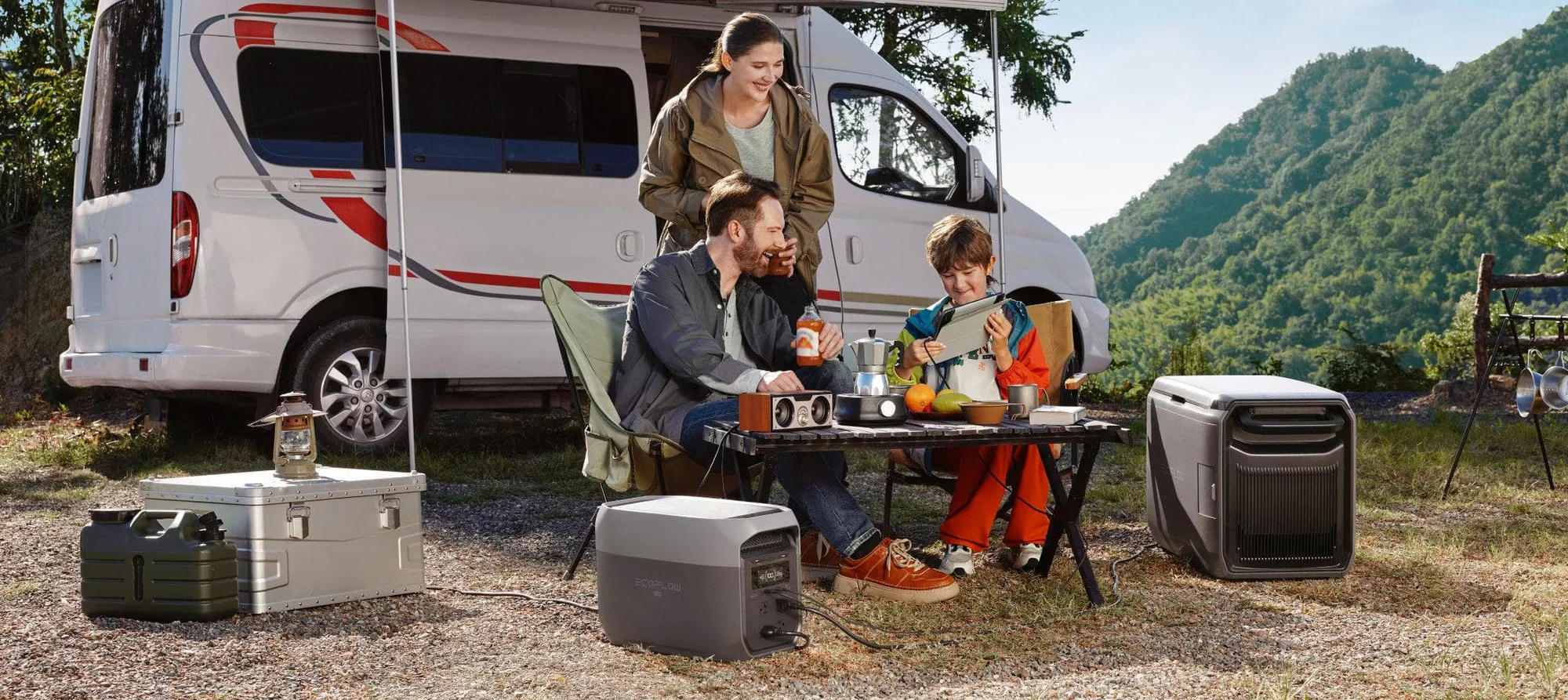
Organizing a successful outdoor trip for multiple families is a rewarding challenge that builds lasting community. By carefully selecting group camping sites, coordinating a shared kitchen, and managing your equipment effectively, you can minimize the typical stresses of travel. Clear communication and a willingness to share responsibilities are the keys to a smooth experience. Enhance your next adventure with the EcoFlow DELTA 3 Max (2048Wh) and 400W Solar Panel, providing the durable, high-output power needed to keep your entire group energized and connected.
FAQs
Q1. How many people are usually allowed in group camping sites?
Most group sites are designed for 15 to 50 people. Some smaller "multi-family" sites may only allow 10 to 12 people. It is important to check the specific occupancy limits of the park before booking, as exceeding these limits can result in fines or being asked to leave the campground.
Q2. Should we buy all the food together for a camping group?
No, it is usually better to split the shopping based on the "Meal Captain" system. Having one person shop for twenty people is a massive task and requires a very large vehicle for transport. By having each sub-group buy the ingredients for their assigned meal, the cost and the physical labor of shopping are shared more equitably across the whole camp group.
Q3. How do we handle bathroom logistics for a large group?
Yes, if your site does not have a private toilet, you should discuss bathroom etiquette early. In large group camping scenarios, peak times (like right after breakfast) can lead to long wait times at the public comfort station. Some groups choose to bring a portable "privacy tent" and a chemical toilet for midnight emergencies, provided local regulations allow for their use and proper disposal.
Q4. Is it necessary to have a "group leader"?
No, you don't necessarily need a "boss," but having a primary coordinator is very helpful. This person doesn't do all the work but acts as the central point for information. They ensure that the site is booked, the gear list is shared, and the meal plan is finalized. Having a single point of contact reduces the chances of miscommunication during the planning phase.
Q5. What should we do if it rains during a group camping trip?
You should always have a backup plan. The best defense against rain is a large, high-quality communal canopy or "dining fly." This allows the camping group to cook and eat together without getting wet. If the weather becomes severe, have a pre-arranged plan for whether the group will stay and wait it out or head to a local town for a few hours until the storm passes.
For press requests or interview opportunities, reach out to our media team
media.na@ecoflow.com