How to Keep Food Cold When Camping
Keeping food cold isn’t the most glamorous part of camping, but it is important. Failing to chill your food can turn even the best-planned menu into a health hazard. Even if you don’t get sick, room-temperature food can turn into a soggy, lukewarm disappointment.
When you’re far from civilization, it’s crucial to keep your food at safe temperatures, whether you’re heading for a weekend in the woods or a multi-day off-grid adventure. Follow these tips to keep your food safe (and avoid mid-trip stomach troubles).
Why Cold Storage Matters When Camping
A lot of ingredients need refrigeration. Perishable foods can spoil quickly when they aren’t kept at safe temperatures, and once bacteria start growing, they can lead to foodborne illness. You definitely don’t want to deal with that when you’re miles away from home.
Aside from keeping a stomach flu at bay, cold storage also opens up your cooking options. With reliable cooling, you’re not limited to shelf-stable snacks or dehydrated meals. You can bring fresh produce, marinated proteins, and precooked dishes (which is much more exciting than canned chili!).
Insulated coolers can work for a weekend expedition, but portable fridges are better if you’re staying outdoors longer or plan on cooking ingredients that are sensitive to temperature changes.
Top Cooling Methods for Campers
Keeping food cold in the outdoors comes down to choosing the right cooling method for your trip. You have two options: ice packs and portable refrigerators.
Coolers and Ice Packs
A well-packed cooler can be a dependable choice for short weekend trips. To keep temperatures low for as long as possible:
Pre-chill your cooler before loading it
Use a mix of bagged ice and reusable ice packs
Pack items tightly to minimize warm air pockets
Store the cooler in the shade and avoid opening it frequently
Coolers work best when you’re staying somewhere with easy access to fresh ice. For longer trips or when you want more consistent temperature control, you may run into the limits of melting ice, especially in hot climates.
Portable Refrigerators
But what if you’re in an area without access to ice? Or you just want a consistently safe temperature for your food? Instead of relying on ice, buying a portable refrigerator will help you store ingredients at a stable temperature.
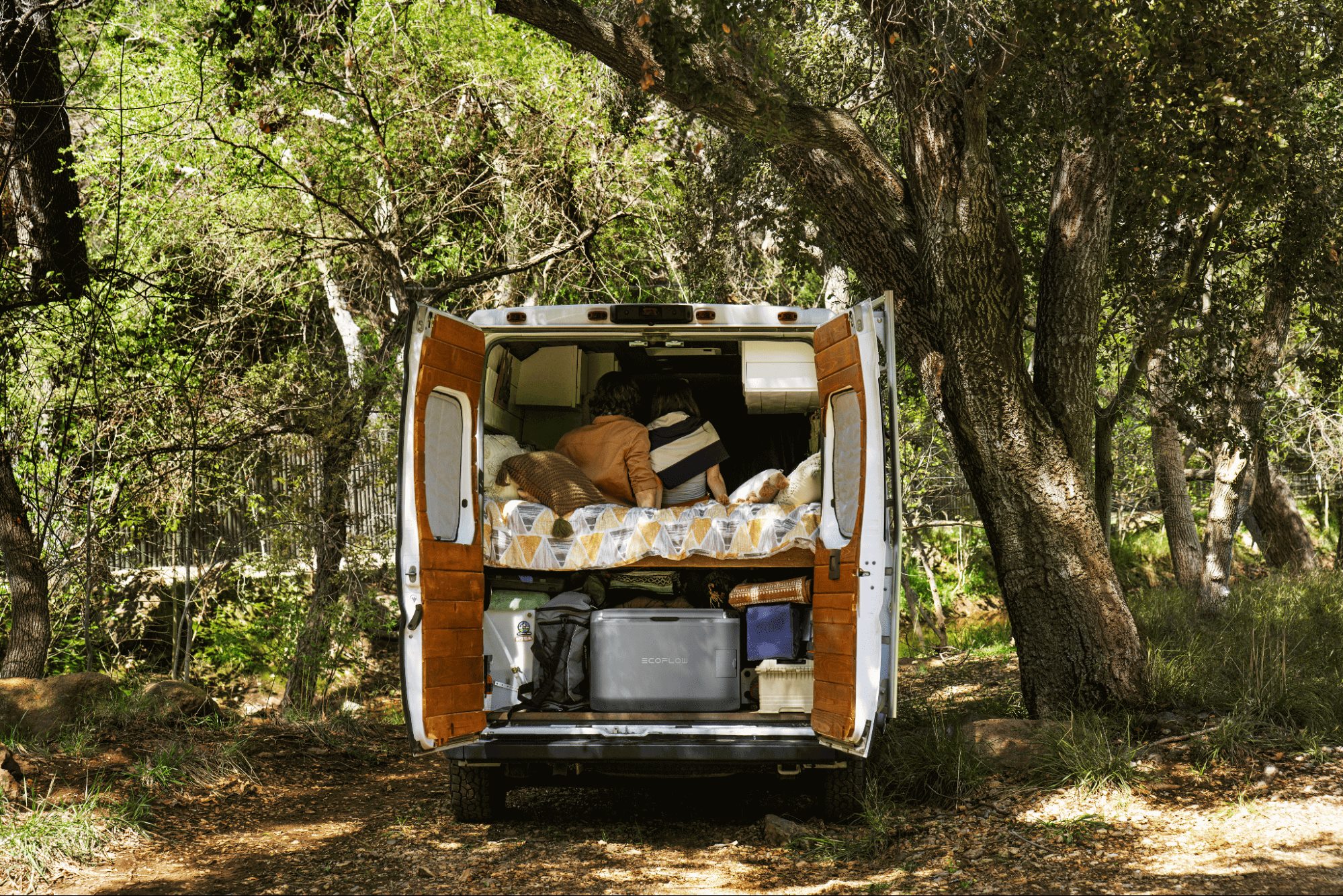
The EcoFlow GLACIER Classic Portable Refrigerator Freezer both chills and freezes your food on longer outdoor trips. It’s especially useful if you’re camping in a hot area, meal-prepping ahead of time, or staying off-grid for multiple days.
Powering Your Portable Fridge Off-Grid
A portable fridge provides stable cooling, but you still need a power source. When you’re off-grid, planning your power setup is just as important as choosing the refrigerator itself.
Portable fridges vary in efficiency, but most rely on a combination of battery capacity, external charging, and energy-saving modes to run for extended periods. Before your trip, check the fridge’s estimated runtime to determine how long it can stay cold between charges.
If you're using the EcoFlow GLACIER Classic Portable Refrigerator Freezer, you’ll want to make sure you have a reliable way to recharge any supporting power devices throughout your trip, like a robust portable power station.
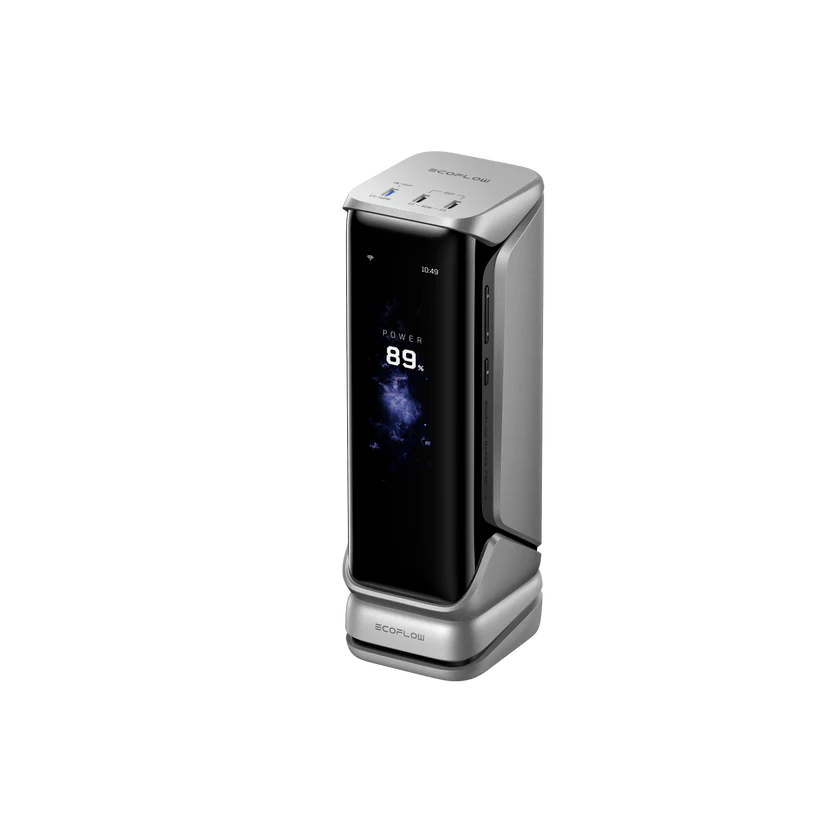
For smaller electronics that you need to keep topped up, like phones, lights, headlamps, or GPS units, a compact option like the EcoFlow RAPID Pro X Power Bank adds lightweight charging flexibility without taking up too much space.
Prepping Food for Cold Storage
Getting ready for a gourmet outdoors excursion? Follow these tips to maintain safe temperatures when you’re in the great outdoors:
Pre-chill food: Anything that will be stored in your cooler or portable fridge should be as cold as possible before packing it. Pre-chill ingredients in your home refrigerator, and if you’re using reusable ice packs, freeze them fully so they stay cold longer.
Portion everything out: Package all of your foods into meal-ready portions. For example, if you only need one cup of milk, leave the rest at home.
Store food carefully: Always store meat in leakproof bags and separate from your ready-to-eat items, like whole fruit.
Freeze what you can: Freezing foods you’ll cook later (such as marinated meats, soups, or sauces) adds extra cooling power to your setup and helps them stay safe longer.
Alternative Cooling Hacks
Even with a reliable cooler or portable refrigerator, it’s helpful to know a few backup tricks for keeping food colder for longer. There’s no replacement for a cooler or fridge, but these tips can buy you some extra time:
Use shade and ventilation: Your storage setup will stay cooler if you keep it away from direct sunlight. Tuck your cooler or portable fridge under trees, behind a large rock, or on the shaded side of your tent. Increasing airflow around it also helps slow heat buildup.
DIY an evaporative cooler: If you’re camping in a dry climate, you can wrap a wet towel or burlap sack around a sealed container and place it in the shade. As the water evaporates, it slightly lowers the internal temperature, which is helpful for any ingredients you plan to use soon.
Find a cold water source: At campsites near a cold stream or lake, you can submerge a tightly sealed container in cold water to keep food cool. Always double-check that the container is waterproof and anchored so it doesn’t drift away. Never use this technique in warm or stagnant water because it will not store food safely.
Frequently Asked Questions
What’s the Best Way to Keep Food Cold While Camping?
A portable refrigerator is the most reliable way to keep food cold while camping. Well-packed coolers with ice packs can work for shorter trips, although they won’t keep your food at a stable temperature. No matter which method you use, pre-chilling your food, organizing for quick access, and limiting how often you open the container all make a big difference.
What Food Should I Avoid Bringing Camping if I Don’t Have a Fridge?
Avoid bringing perishable foods like raw meat, milk, eggs, and yoghurt. Instead, opt for foods that tolerate heat better, such as canned goods, nut butters, whole fruits, dehydrated meals, hard cheeses, tortillas, granola, and shelf-stable plant milks. If you do bring perishables, only pack what you’ll eat within a few hours.
Modern Portable Fridges Simplify Outdoor Food Storage
Keeping food cold while camping comes down to a combination of smart preparation and selecting the right cooling method for your trip. Pre-chill ingredients, portion meals in advance, pack efficiently, and use shade or natural cooling methods to extend freshness. Coolers work well for short stays, but for longer trips, a portable refrigerator offers the most consistent temperature control.
If you’re looking for a dependable cooling solution that keeps ingredients fresh day after day, the EcoFlow GLACIER Classic Portable Refrigerator Freezer makes off-grid food storage far easier. Enjoy the outdoors knowing your food stays cold and safe, no matter where you roam.
For press requests or interview opportunities, reach out to our media team
media.na@ecoflow.com