What Size Generator Do You Need To Run a 2,000 Sq Ft House?
- What “Generator Size” Means for a 2,000 Sq Ft (186 sq m) Home
- Running Watts vs Starting Watts: The Difference That Changes Everything
- Which Loads to Back Up First in a Typical 2,000 Sq Ft House
- How to Estimate Your Total Wattage for Real Outage Scenarios
- Choosing the Right Generator Type for Your Home and Lifestyle
- Frequently Asked Questions
- Power Your 2,000 Sq Ft Home with Less Stress and More Flexibility
When you need reliable backup power for your home, it all comes down to choosing the right generator size. For a 2,000 sq ft home, that means focusing not just on home size, but on all the appliances and systems you want to power when the lights go out. Everyone’s comfort level is different, though, so you need to choose an appropriate generator size for your lifestyle. Here’s how to estimate your power needs and choose a setup that best fits your home.
What “Generator Size” Means for a 2,000 Sq Ft (186 sq m) Home
“Generator size” actually refers to power output, not the physical size of your generator. Home size isn’t everything, but the needs of a 1,500 sq ft house generator will be different from a 2,000 sq ft house.
For a 2,000-square-foot home, you’ll need somewhere between 16,000 and 24,000 watts (16kW–24kW) to comfortably power major systems during an outage. In many cases, a 20kW generator hits the sweet spot, giving you enough capacity to run essentials like HVAC, refrigeration, and lighting.
However, if your goal is to have a whole-home generator for backup, including central AC, kitchen appliances, laundry, electronics, and lighting, you’ll want something in the 20kW to 24kW range. But if your home uses natural gas for heating, cooking, or heating water, you may be able to size down to 16kW or 18kW since you have fewer high-wattage systems.
If you’re stuck between generator sizes, size up. Extra flexibility goes a long way during outages, especially if your needs change over time. A good rule of thumb is to aim for about 20% more capacity than your estimated needs.
Running Watts vs Starting Watts: The Difference That Changes Everything
To buy the right-sized generator for your home, you need to calculate both starting and running watts. Most people just calculate the running watts, which is a recipe for an underpowered system.
Running watts are the amount of power something needs to keep operating. Starting watts (sometimes called surge watts) are the extra burst of electricity certain appliances need when they first turn on.
Motorized appliances like central AC, refrigerators, well pumps, and washing machines all have running and startup watt requirements. To get up and running, these machines need two to three times their normal running wattage. The startup lasts only a few seconds, but your generator needs to be able to handle it.
Which Loads to Back Up First in a Typical 2,000 Sq Ft House
Very few people actually back up their entire house (at least, not right away). One of the best ways to size a generator for a 2,000 sq ft house is to separate critical loads from comfort loads.
Your critical loads are:
Refrigerator and freezer
HVAC
Internet
Lighting
Medical devices
Well pump or sump pump
Phone chargers
Basically, anything that preserves safety and life is critical. But your comfort loads are:
Laundry machines
Dishwasher
TVs
Gaming systems
Ovens
Pool equipment
Anything decorative that uses electricity
If you only want to keep food cold, maintain the internet, run some lights, and power part of your HVAC system, you may not need a full 20–24kW setup. But if your goal is to keep central AC blasting, run laundry, cook dinner, and otherwise live normally, you need much more power. For example, choosing between a 6,500-watt vs. a 12,000-watt generator depends on whether you’re backing up essentials or living the high life—and that can make a big difference for your wallet, too.
How to Estimate Your Total Wattage for Real Outage Scenarios
A one-hour outage in mild weather looks very different from a three-day summer outage when everyone’s trying to stay cool. Here’s how to estimate your wattage needs.
Step 1: List What You Actually Want To Run
Start with the appliances and systems you’d realistically use during an outage. For example:
Short outage (a few hours):
Refrigerator
Wi-Fi router
Some lights
Phone and laptop charging
Overnight outage:
Refrigerator and freezer
HVAC
Bedroom lighting
Internet
Coffee maker or microwave
Multi-day outage:
Refrigerator/freezer
HVAC system
Water or sump pump
TV
Kitchen appliances
Laundry (occasionally)
Work-from-home setup
Step 2: Find Appliance Wattage
Check appliance labels, owner manuals, or manufacturer websites to find watt, volt, or amp requirements. You may need to convert everything into watts if it’s listed in volts or amps. Once you’ve converted all devices, add their wattages together to estimate your running wattage.
Step 3: Factor in Starting Watts
Motor-driven appliances need a temporary burst of extra power when starting up. If your refrigerator kicks on when your HVAC system starts, your generator needs enough surge capacity to handle both. Identify the appliance with the highest startup demand, then add its surge wattage to your running total.
Step 4: Add a Buffer
Add about 20% extra capacity for unexpected loads or startup overlap. It gives you breathing room and helps prevent overloads.
For example:
Running loads: 9,000W
Highest startup demand: 3,000W
Total estimated need: 12,000W
Add 20% buffer: 14,400W
After adding everything together, you likely need something in the 15kW range or higher.
Choosing the Right Generator Type for Your Home and Lifestyle
Once you know roughly what size generator to get for your house, the next question is: what type of generator do you need?
Gasoline generators: For a 2,000 sq ft house, many gas-powered standby systems land somewhere in the 16kW–24kW range. Unlike portable battery systems, standby gas generators typically require professional installation, transfer switches, and a dedicated outdoor location. They also require ongoing maintenance and come with the risk of carbon monoxide poisoning, so never operate fuel-based generators in your home.
Propane generators: Propane generators work like gas models but use liquid propane instead. For many homeowners, propane is more convenient because it lasts longer, and tanks are generally easier to keep on hand. Propane isn’t as efficient as gasoline, though, and you have to remember to refill the tanks.
Solar generators: For backup power without the fumes, fuel, or maintenance needs, go with solar generators and battery backups.
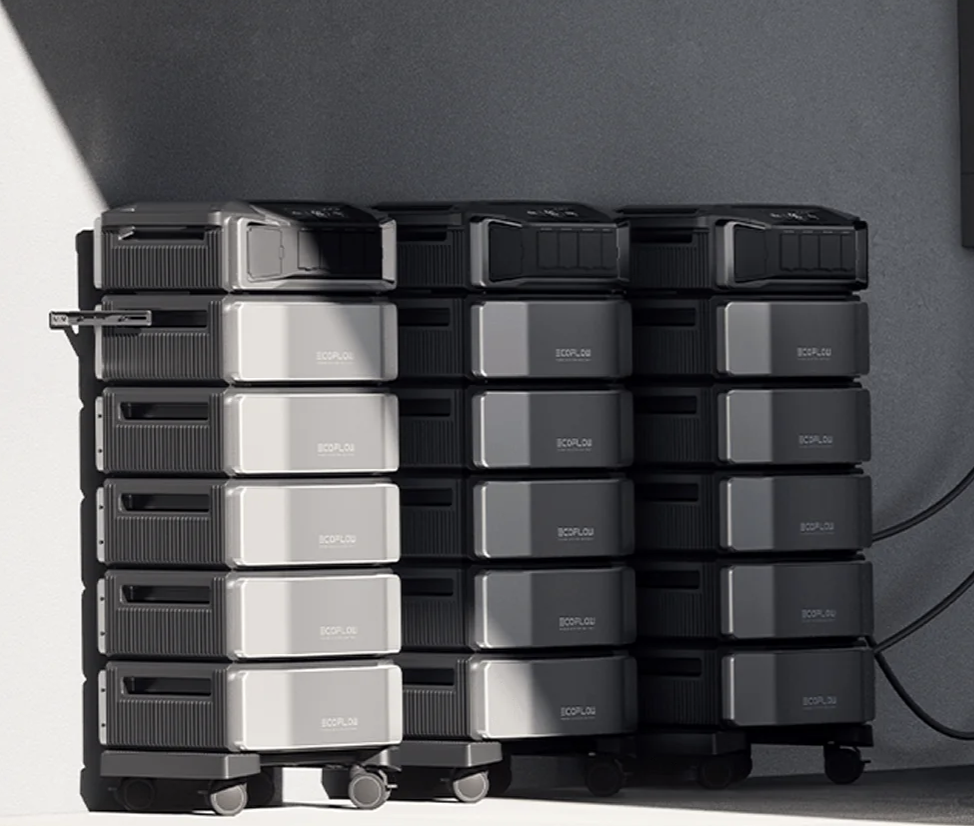
If you want a serious whole-home setup, the EcoFlow DELTA Pro Ultra X Whole-Home Backup Power system scales up to support large loads and extended outages. It’s especially useful if you want flexibility to expand over time.
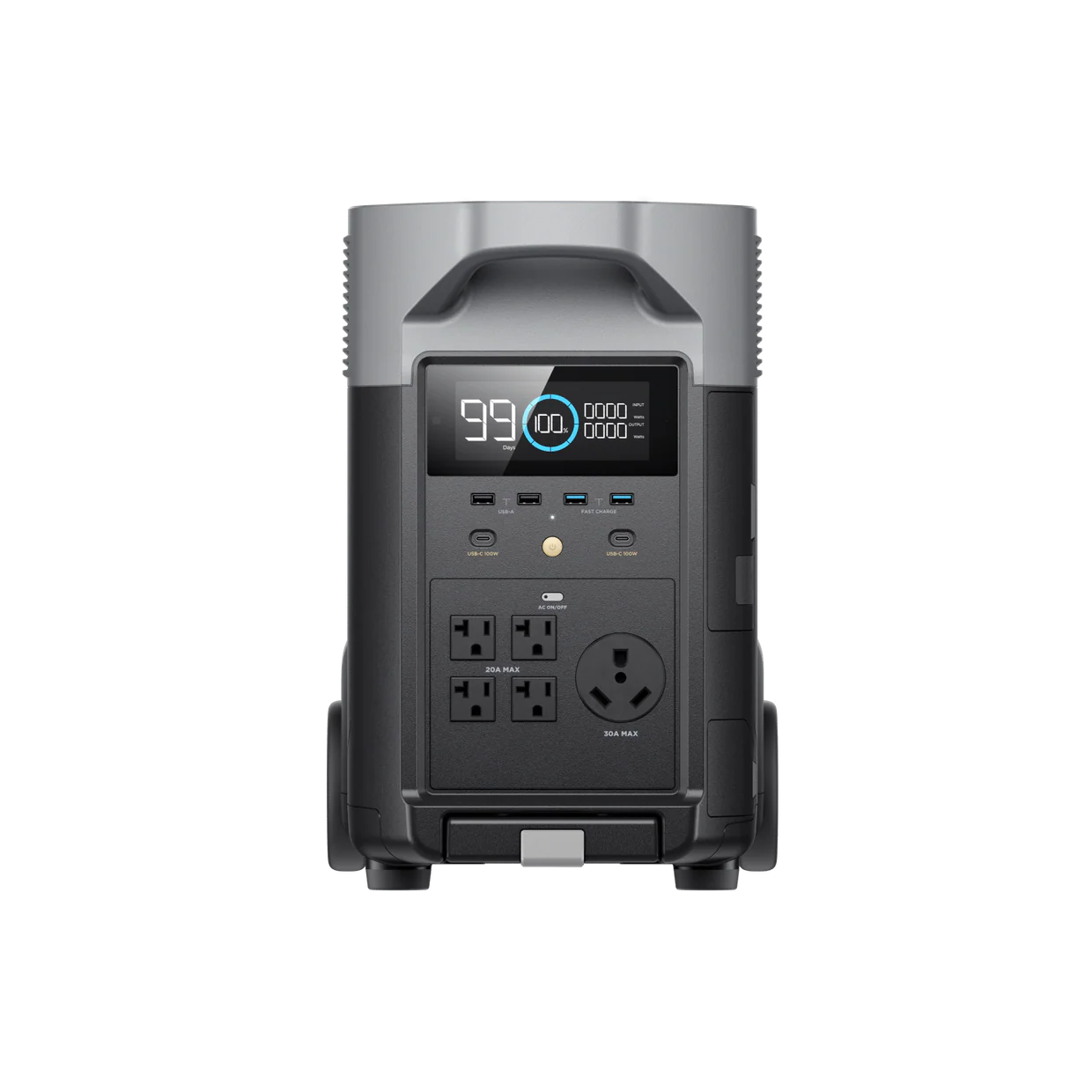
But if your priority is a more portable, modular setup that can handle just the essentials, the EcoFlow DELTA Pro Portable Power Station is a smart option for shorter outages or partial-home coverage.
Frequently Asked Questions
What size generator do you need for a 2,000 sq ft (186 sq m) house?
Most 2,000 sq ft homes need between 16,000 and 24,000 watts (16kW–24kW), depending on what you want to power. A 20kW generator is usually enough for central HVAC, refrigeration, lighting, and major appliances. Homes with natural gas appliances may be able to size down to 16kW–18kW, though.
How do you size a generator if you want to run central AC?
Start by checking your AC system’s running watts and startup (surge) watts. Central air systems can require three times as much power to start as they do while running. Add your AC’s startup demand to the running watts of everything else you want to power during an outage, then add about 20% extra capacity.
Can a solar generator power a 2,000 sq ft (186 sq m) home during an outage?
Yes, but it depends on what you want to run and for how long. A smaller portable system can handle essentials like refrigeration, Wi-Fi, lighting, and device charging. For a more comprehensive home backup that covers large appliances and HVAC, go with a scalable whole-home battery system. Options like the EcoFlow DELTA Pro Ultra X can support much larger energy demands and recharge through solar or grid power.
Do you need a transfer switch to power a home with a generator?
In most cases, yes. A transfer switch routes generator power to your home without backfeeding electricity into utility lines, which can be dangerous. Some portable backup setups can power appliances directly without a transfer switch, but in most cases, you’ll need to hire a professional.
Power Your 2,000 Sq Ft Home with Less Stress and More Flexibility
Choosing the right generator for a 2,000 sq ft home comes down to three things: what you want to power, how long you want backup to last, and how much flexibility you want in the future. In most cases, something in the 16-24 kW range will work for your home.
Fuel-based generators are cheap upfront, but they’re expensive to maintain and not very convenient. Go with a safe, fume-free rechargeable system instead. The EcoFlow DELTA Pro Portable Power Station is perfect for powering the essentials, but you can also scale it up for comprehensive home backup.
For press requests or interview opportunities, reach out to our media team
media.na@ecoflow.com