Van Life in California: All You Need to Know Before Hitting the Road
- Important Disclaimer
- Benefits and Challenges of Van Life in California
- Planning Your California Van Life Trip
- Finding a Place to Park Your Van in California
- Preparing Your Van for California Conditions
- Handling Daily Life While Living in a Van
- Safety and Legal Concerns for Van Travelers
- Budgeting for Your California Van Life
- Top Destinations to Visit in Your Van
- Common Mistakes to Avoid on the Road
- Master Your California Van Life Adventure
- FAQs
Important Disclaimer
This article is for general informational and educational purposes only and reflects personal research and travel insights about van life in California. It does not constitute legal, safety, or emergency advice, and should not be used as a substitute for official guidance from local authorities, park services, law enforcement, or emergency responders.
Van life involves real safety, legal, and environmental risks, including wildfire exposure, road hazards, and local parking regulations that may change at any time. Always verify current conditions and rules with official sources before making travel decisions. In case of emergency, contact local emergency services, park rangers, or law enforcement immediately.
The draw of the Pacific Coast Highway, the Sierra Nevada mountains, and the vast Mojave Desert makes California a dream for travelers. You can wake up near the ocean and sleep under giant sequoias the same day. Many people choose full-time van life in California because of the great weather and the many spots to enjoy outdoor hobbies like surfing or hiking. It is also a hub for digital nomads who need to stay connected while moving around. However, it is not all easy sunsets. You need to know about high prices, strict local laws, and environmental risks.
Benefits and Challenges of Van Life in California
Starting a trip across this state requires a clear look at what makes it great and what makes it tough. Knowing these factors helps you set a realistic daily pace and ensures you are ready for the unique environment of the Golden State.
The Benefits: Diverse Landscapes and Iconic Destinations
California has a unique geography that allows for year-round travel. The state's variety is a big reason why California van life remains so popular, offering different climates within a single day's drive.
Year-Round Flexibility: If it is too cold in the mountains, you can head to the desert. If the valley is too hot, the coast stays cool.
Iconic Access: You have access to some of the most famous spots in the country, such as the rugged cliffs of Big Sur and the unique Joshua Tree landscape.
Natural Variety: Experience alpine views at Lake Tahoe, the granite peaks of Yosemite National Park, or the relaxed city vibe and sunshine of San Diego.
The Challenges: High Costs and Strict Regulations
On the flip side, living in a van in California comes with significant hurdles that require careful preparation.
High Cost of Living: Gas prices are usually the highest in the country, and grocery costs add up fast.
Strict Parking Rules: Major cities have very strict rules about where you can park overnight. If you try to sleep in your van in a busy beach town, you might face a heavy fine or get towed.
Crowded Facilities: During the summer, popular campgrounds fill up months in advance, making spontaneous stays difficult.
Environmental Risks: You must watch out for wildfires, which can close roads and make the air unsafe to breathe.
Preparing for these issues makes your time on the road much smoother and helps you determine if the trade-offs of van living are worth it for your lifestyle.
Planning Your California Van Life Trip
A good plan is the backbone of any successful road trip. Thinking about your goals and the timing of your visit will save you a lot of stress later.
Choose Your Travel Style
Some people travel alone for peace, while others bring their families or pets. Your setup will change based on your needs. A budget traveler might use a simple van with a bed and a stove, while someone focused on comfort might want a fully built-out rig with a shower and a workspace. Knowing your style helps you choose the right spots to stay and the right gear to bring.
Best Time to Travel in California
Summer is the busiest time, especially in national parks and along the coast. If you want fewer crowds, try visiting in the spring or fall. These "shoulder seasons" often have mild weather and more available camping spots.
Northern California gets quite cold and snowy in winter, while Southern California stays warm. If you visit in winter, the desert regions are much more comfortable than they are in the heat of July.
Planning around these shifts helps you avoid extreme weather and packed tourist sites.
Building a Realistic Route
California is huge, so do not try to see everything in one week. Balance your driving time with days of rest.
Make sure to map out where you will get gas, water, and food, especially in remote areas like the eastern Sierras or the Mojave.
Keep your plans flexible. A road closure or a change in weather might force you to take a different path.
Having a few backup options for sleeping spots ensures you are never stuck without a place to park.
Finding a Place to Park Your Van in California
Finding a safe and legal place to sleep is the most important daily task for any van dweller. California has many options, but each comes with its own rules.
Campgrounds and RV Parks
National and state parks offer some of the most beautiful places to stay. However, you often need to book these months ahead of time using online reservation systems. Official reservation systems and rules vary by park and are managed through federal and state agencies such as the National Park Service.
RV parks are more expensive but provide amenities like electricity, water hookups, and hot showers. These are great if you need to recharge your batteries or catch up on chores, but they lack the wild feeling of camping in the woods.
Boondocking on Public Lands
Boondocking is camping for free on public land without any hookups. In California, you can find these spots on Bureau of Land Management (BLM) land and in National Forests.
According to the Bureau of Land Management, dispersed camping is generally allowed for up to 14 days within a 28-day period, depending on local field office rules.
National Forest land is managed separately by the U.S. Forest Service, and rules vary by region, including fire restrictions and stay limits.
These areas are great for people who want peace and scenery. The downside is that there is no water, trash pickup, or toilets. You must follow "Leave No Trace" rules and carry everything out with you. It is a true off-grid experience that requires your van to be self-sufficient.
Stealth Camping in Cities
If you need to stay in a city like Los Angeles or San Francisco, you might try stealth camping. This means parking on a city street in a way that does not look like you are sleeping inside. Many cities have passed laws that ban sleeping in vehicles, so this can be risky. You must be very quiet and move your van early in the morning. If you are not careful, you could end up with a ticket. It is usually better to find a legal spot on the outskirts of town if possible.
For example, some cities explicitly prohibit sleeping or habitation in vehicles during certain hours or zones, such as San Francisco municipal code restrictions.
Preparing Your Van for California Conditions
Your van is your home and your transport, so it needs to be in top shape. California's varied terrain can put a lot of wear on a vehicle.
Vehicle Maintenance Checklist
Before you leave, check your tires, brakes, and all fluids. California has many steep mountain passes that can overheat your engine or wear out your brakes quickly. Make sure your battery is strong and your cooling system is working. Carry an emergency kit that includes a spare tire, tools, and extra water. Being stuck on a remote road without cell service is a major safety risk, so preventative maintenance is key.
Heat and Climate Preparation
California can get incredibly hot. Use window shades to keep the sun out and help maintain a cooler temperature inside the van. Installing a roof fan is one of the best ways to move air and stay comfortable. If you spend time on the coast, you will deal with humidity and fog, while the desert is dry and dusty. Good insulation helps in both situations, keeping the van cooler in the summer and warmer during chilly desert nights.
Power and Energy Setup
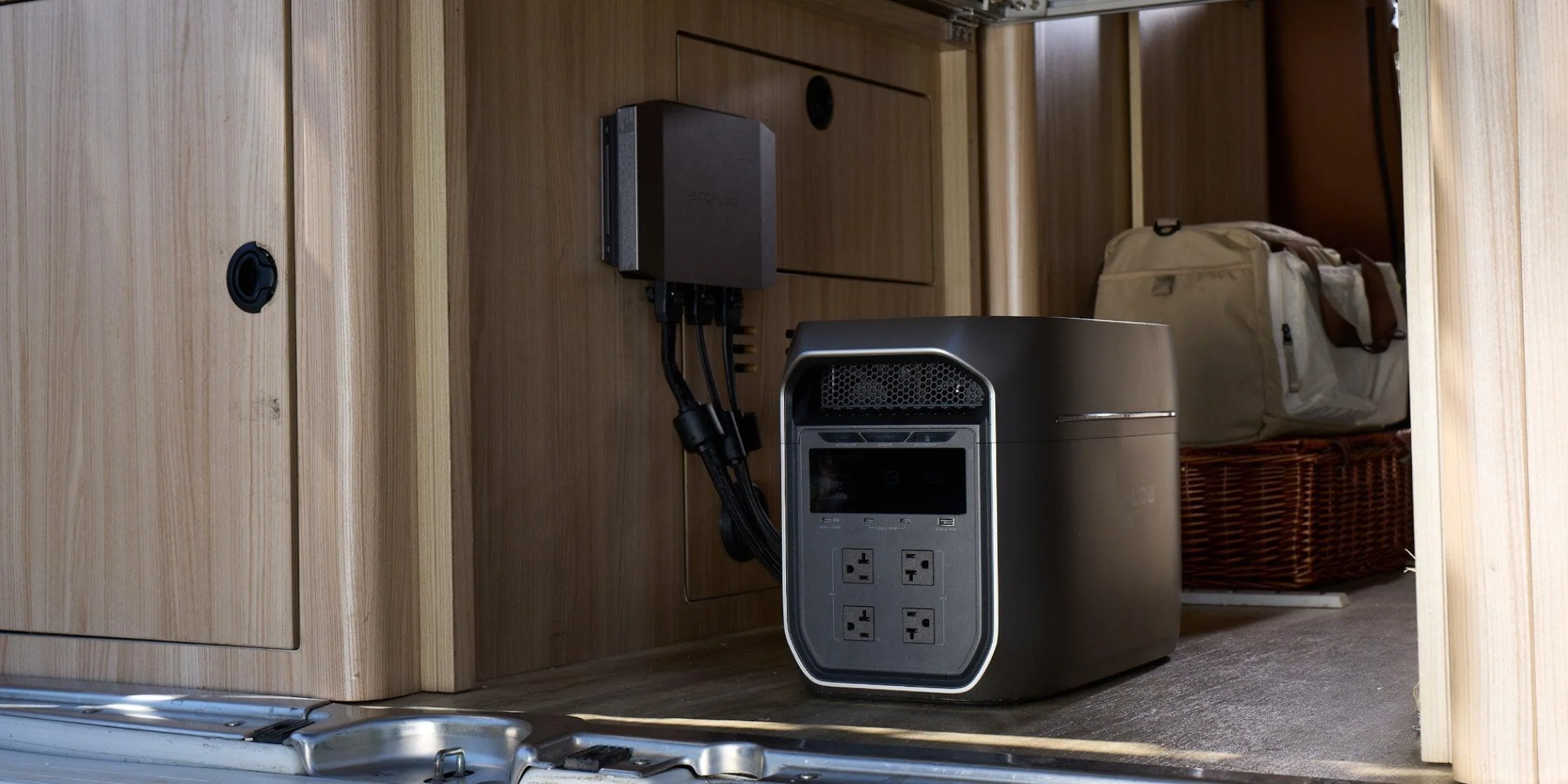
Most people living in a van use solar panels to get power. You need enough battery storage to run your fridge, charge your laptop, and keep your lights on. If it is cloudy or you are parked under trees, your solar might not charge well. Developing habits like charging devices while you drive or using less power at night will help your batteries last longer. Having a reliable power setup is vital if you work remotely while traveling.
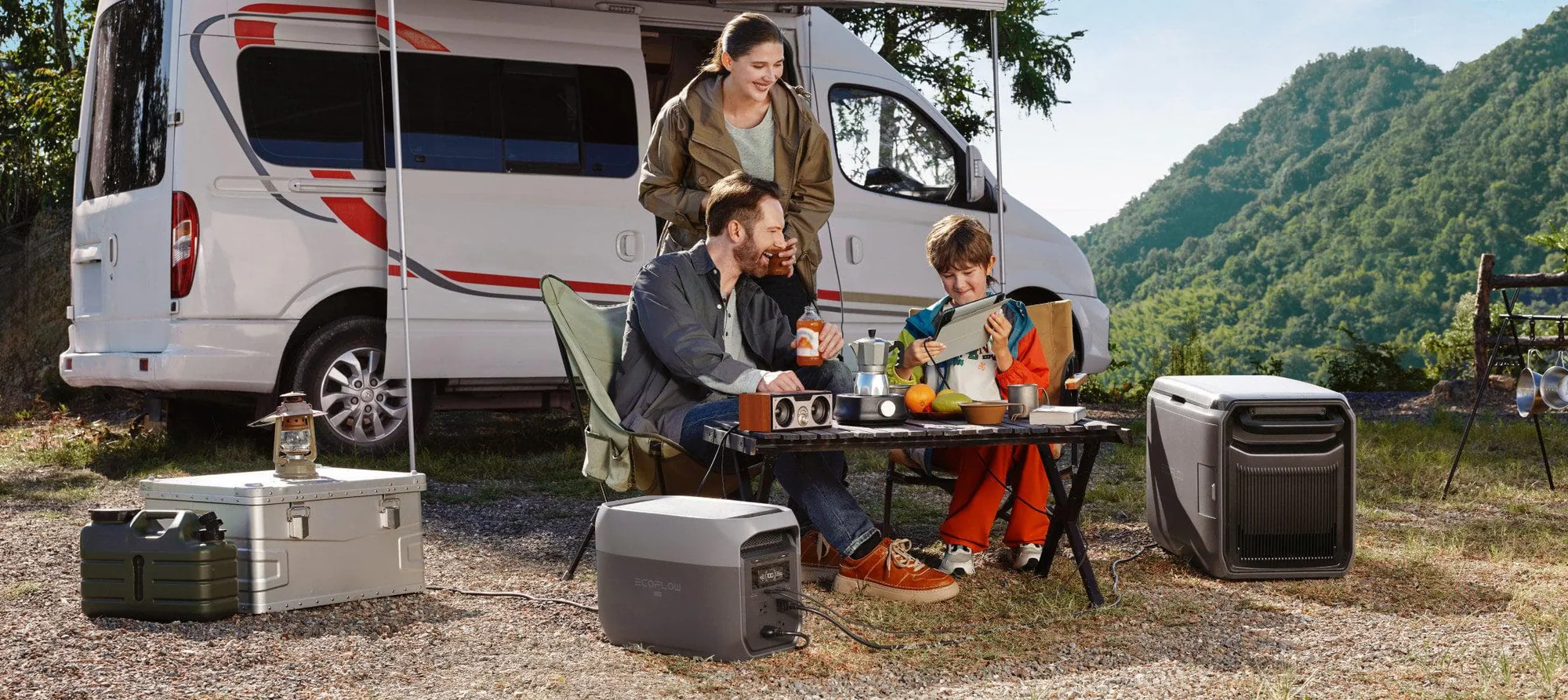
For off-grid power in California van life, a setup like the EcoFlow DELTA 3 Max Plus with 2*220w Solar Panels helps keep fridges, laptops, and fans running reliably while camping or boondocking without hookups.
Handling Daily Life While Living in a Van
Small daily tasks like cooking and cleaning take more effort in a van. Setting up a routine makes these chores feel like a natural part of your day.
Water, Hygiene, and Laundry
You need to know where to find fresh water and where to dump your gray water. Many gas stations and campgrounds have water fill stations. For staying clean, many travelers use gym memberships to access showers across the state. Portable showers or wet wipes are good backups. For laundry, look for laundromats in small towns. It is often easier to do laundry once a week in a city than to try and find a machine in the mountains.
Food and Cooking in Summer
When it is hot, you probably won't want to cook big meals inside the van. Simple meals like salads or wraps work best. If you have a portable stove, cooking outside is a great way to keep the heat out of your living space.
Make sure your fridge is efficient so your food stays fresh during long drives through the desert. Planning your grocery stops near major towns will save you money, as food prices in remote tourist areas are very high.
Sleep and Comfort
A good night's sleep is essential for staying sharp on the road.
Find spots that are flat and away from loud traffic.
Use earplugs and eye masks if you are parked in a city or a bright area.
If it is too hot to sleep, try to find higher elevations where the air is thinner and cooler.
Privacy is also important; having good curtains or window covers ensures people cannot see inside your van while you sleep.
Dealing with Bugs and Wildlife
In the mountains and near lakes, mosquitoes can be a big problem. Screens on your windows and fans allow you to keep the doors open without letting bugs in. California is also home to bears, especially in the Sierras. You must store your food properly in bear-proof containers or inside the van with the windows up. Never leave food outside, as it attracts animals and creates dangerous situations for both you and the wildlife.
Safety and Legal Concerns for Van Travelers
Staying safe means being aware of your surroundings and the local laws. California has specific risks that every traveler should keep in mind.
Wildfire Awareness
Wildfires are a serious threat in California, especially from late summer through fall. Download apps that track fires and check the air quality regularly. If you see smoke or hear about a fire nearby, leave the area immediately. Always have an evacuation route in mind. Never start a campfire during dry periods, and always check local fire bans before you light a stove or a fire pit.
If you are in immediate danger or see active wildfire conditions, evacuate immediately and contact local emergency services or fire authorities (such as Cal Fire or park rangers). Do not rely solely on apps or online updates in urgent situations.
Parking Safety and Legal Awareness
The rules change depending on whose land you are on. National Forests have different rules than city streets. Understanding the difference between a legal spot and a spot where you are just "tolerated" is important. Check for signs that say "No Overnight Parking" or "No Camping". If a police officer knocks on your door and asks you to move, be polite and comply. Knowing the local laws helps you avoid fines and keeps van life sustainable for everyone.
General Road Safety
California's roads vary from eight-lane highways to narrow, winding dirt paths. Drive slowly on mountain roads and watch for wildlife crossing the street at night. Cell signal is often weak in the mountains and deserts, so download offline maps before you head out. Tell someone your general plan and when you expect to be back in cell range. Being prepared for a breakdown or a medical emergency is part of being a responsible traveler.
In case of breakdowns, medical emergencies, or life-threatening situations, call emergency services immediately (e.g., 911 in the U.S.) or contact local authorities if you are in remote park or federal land areas.
Budgeting for Your California Van Life
While California is pricey, there are ways to keep your costs down if you are smart. The biggest cost for California van life is gas. Because the state is so large, you will likely spend hundreds of dollars a month on fuel. Campsite fees can also add up, with some spots costing $35 to $60 a night. Food is another major expense.
To save money, try to camp on free public land as much as possible.
Cooking your own meals instead of eating at restaurants will save a significant amount of cash.
Traveling more slowly and staying in one area for a week instead of driving every day will help lower your fuel bill.
Regular maintenance might cost money now, but it prevents expensive repairs later.
Many people find that van living is cheaper than paying rent, but only if they watch their spending carefully.
Top Destinations to Visit in Your Van
Choosing where to go can be overwhelming because there are so many options. Focusing on specific regions based on the season is a smart way to explore.
For coastal views, nothing beats Highway 1 through Big Sur. The cliffs and ocean views are world-class, though parking can be tight.
If you enjoy the desert, Joshua Tree and Anza-Borrego offer stunning rock formations and clear night skies.
For mountain lovers, the Sierra Nevada range features Yosemite and the high-altitude beauty of the Eastern Sierras.
In the north, the Redwood forests provide a cool, damp escape with some of the tallest trees on Earth.
A good seasonal strategy is to head to the mountains in the summer and the desert or the southern coast in the winter. This way, you stay comfortable and make the most of the weather.
Common Mistakes to Avoid on the Road
Sometimes even skilled travelers make mistakes. Learning from others helps you avoid the most common pitfalls of living in a van in California.
Many people underestimate how strict parking rules are in cities like Santa Barbara or San Diego. Ignoring "No Parking" signs is a quick way to get a ticket.
Another mistake is ignoring fire season updates; conditions change fast, and you don't want to get trapped.
Some travelers pack too much into their schedule, driving for eight hours a day and ending up exhausted. Take it slow.
Poor planning for water and power can also ruin a trip. Make sure you know where your next refill is coming from.
Finally, don't stay too long in one spot if it is clearly restricted. Moving frequently helps keep you under the radar and respects the local community.
Master Your California Van Life Adventure
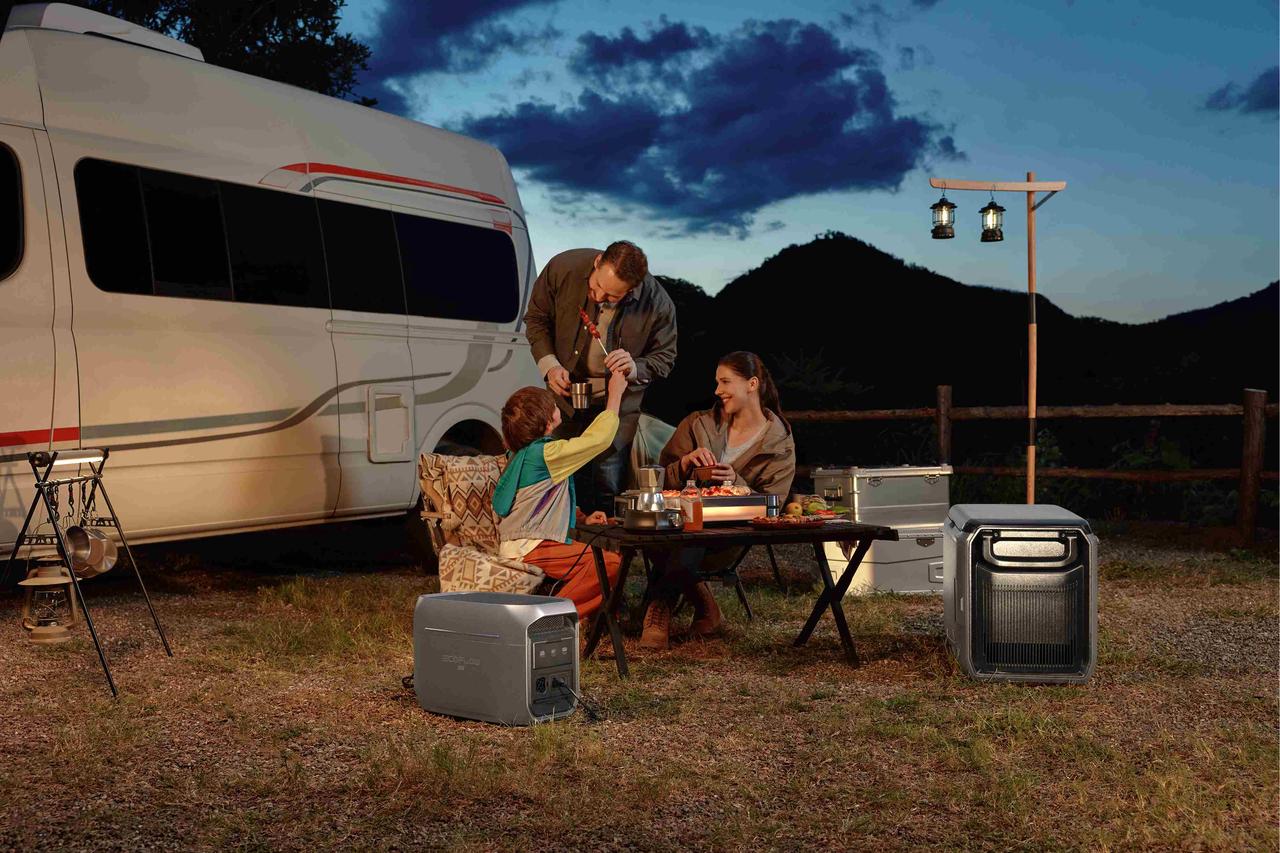
California offers stunning nature and varied climates, making it a top pick for van living. Your success depends on planning for high costs, local rules, and fire risks. If you value freedom over constant comfort, the trade-off is worth it. Start with small trips to find your rhythm in the Golden State. To stay powered off-grid, grab an EcoFlow DELTA 3 Max Plus and keep your gear running anywhere.
FAQs
Q1: Is van life legal in California?
Yes, van living is legal, but you must follow local laws. Some cities ban overnight parking on streets, while federal lands allow it in certain spots. Always check the specific rules for the town or park where you are staying.
Q2: Where can you legally sleep in a van in California?
You can legally sleep in established campgrounds, RV parks, and designated areas on BLM or National Forest land. Some rest stops allow short breaks, but most do not allow overnight sleeping. Avoid city streets where "No Parking" signs are posted.
Q3: Is boondocking allowed in California?
Yes, boondocking is allowed on many federal lands. You can usually stay for up to 14 days in one spot before you have to move. Always check for local fire restrictions and stay on existing tracks to protect the environment.
Q4: What is the biggest challenge of California van life?
The biggest challenges are finding legal parking in urban areas, dealing with high fuel and food costs, and managing the risks of wildfires and extreme summer heat. Planning ahead is the best way to handle these issues.
For press requests or interview opportunities, reach out to our media team
media.na@ecoflow.com