California's Plug-and-Play Solar Act: What It Is, Where It Stands, and What It Means for You
- What Is The Plug-And-Play Solar Act?
- Where Does The Act Currently Stand In California?
- What Devices Does The Act Cover?
- Who Regulates Plug-And-Play Solar, And Who Enforces The Rules?
- Permits, Costs, And Who Can Access Plug-And-Play Solar
- Frequently Asked Questions
- Faster Deployment, Lower Bills, Safer Portable Solar For Californians
California could soon be one of the best places in the US for solar energy, whether you're a renter or just don't want the expensive installation of a traditional system. The proposed SB 868, also known as the Plug-and-Play Solar Act, could allow you to install small systems that connect to your outlets without a permit.
Plug-in solar is a great way of helping to reduce energy bills, but cannot replace comprehensive methods like whole home generators. While the bill is still under consideration, here's what it could mean for California homeowners and renters wanting to lower energy bills.
What Is The Plug-And-Play Solar Act?
Plug-in solar panels connect to a standard household outlet through a certified microinverter and can help reduce your energy bills. They're much smaller than a typical installation: there's a single panel, inverter, and sometimes a battery included. There's no utility connection agreement, installation, or permits required.
The panels generate direct current (DC) electricity, which passes through a small inverter that converts it into alternating current (AC) electricity that your home can use. Plus, instead of climbing onto your roof or hiring contractors, you can place the panels on a balcony, patio, fence, or backyard structure and connect the system through a standard 120V household outlet.
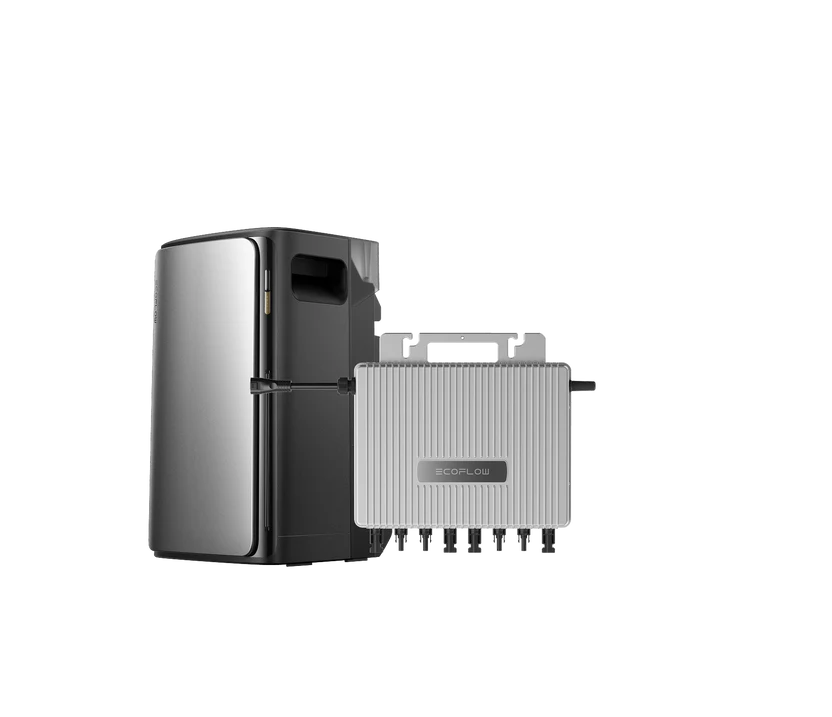
An inverter's job is to convert the DC electricity from your solar panels into usable AC power — it doesn't store energy on its own. Storage comes from a battery, which is why systems like the EcoFlow STREAM Ultra pair a built-in inverter with a battery, letting you convert solar power into usable electricity while also storing extra energy for later use. As of June 2026, it's currently only available in Maryland and Utah.
For users who want solar energy storage today, a portable power station such as the EcoFlow DELTA Pro Ultra X, is another way to collect energy, store it for later use, and provide backup power during outages. California isn't the first state to consider legalizing balcony solar. Utah was actually the first to legalize plug-and-play systems in 2025, but legislation is proposed in as many as 25 states as of writing, including California.
In California, SB 868 would allow you to operate qualifying small plug-in systems without pricey permits or installation fees. It could make solar power available to millions of people who can't do rooftop setups, saving households an average of $450 a year.
Where Does The Act Currently Stand In California?
In May 2026, the California Senate passed the Plug-and-Play Solar Act. It was a 35-1 vote, so there's strong bipartisan support for plug-in systems. However, that doesn't mean it's the law just yet. It still needs to go to the California Assembly for review and the governor for signing. If approved, the law would go into effect in January of 2027.
That's encouraging news for anyone interested in plug-in systems, but California isn't quite at the "buy it, plug it in, and forget about it" stage yet. SB 868 removes significant regulatory barriers for plug-in solar, but utility company requirements mean it could be a few years before you're making energy from your sunny balcony. If you're interested in renewable energy right now, a portable power station paired with solar panels is the most practical option.
Unlike the plug-and-play systems SB 868 addresses, which are grid-tied and feed electricity directly into your home's electrical system (and potentially back to the grid), portable systems are off-grid: your solar panels charge the power station's battery, and the power station then supplies electricity to your devices, with no electricity flowing back into your home's wiring.
Because they don't connect to your home's electrical system, portable systems are already legal in California, so you don't need to wait for the outcome of SB 868 to start generating your own electricity.
What Devices Does The Act Cover?
The Plug-And-Play Solar Act covers plug-in solar (also called balcony solar). It doesn't cover more elaborate systems that require rooftop installation. The act focuses only on small, plug-in systems, which is why renters love plug-and-play solar kits.
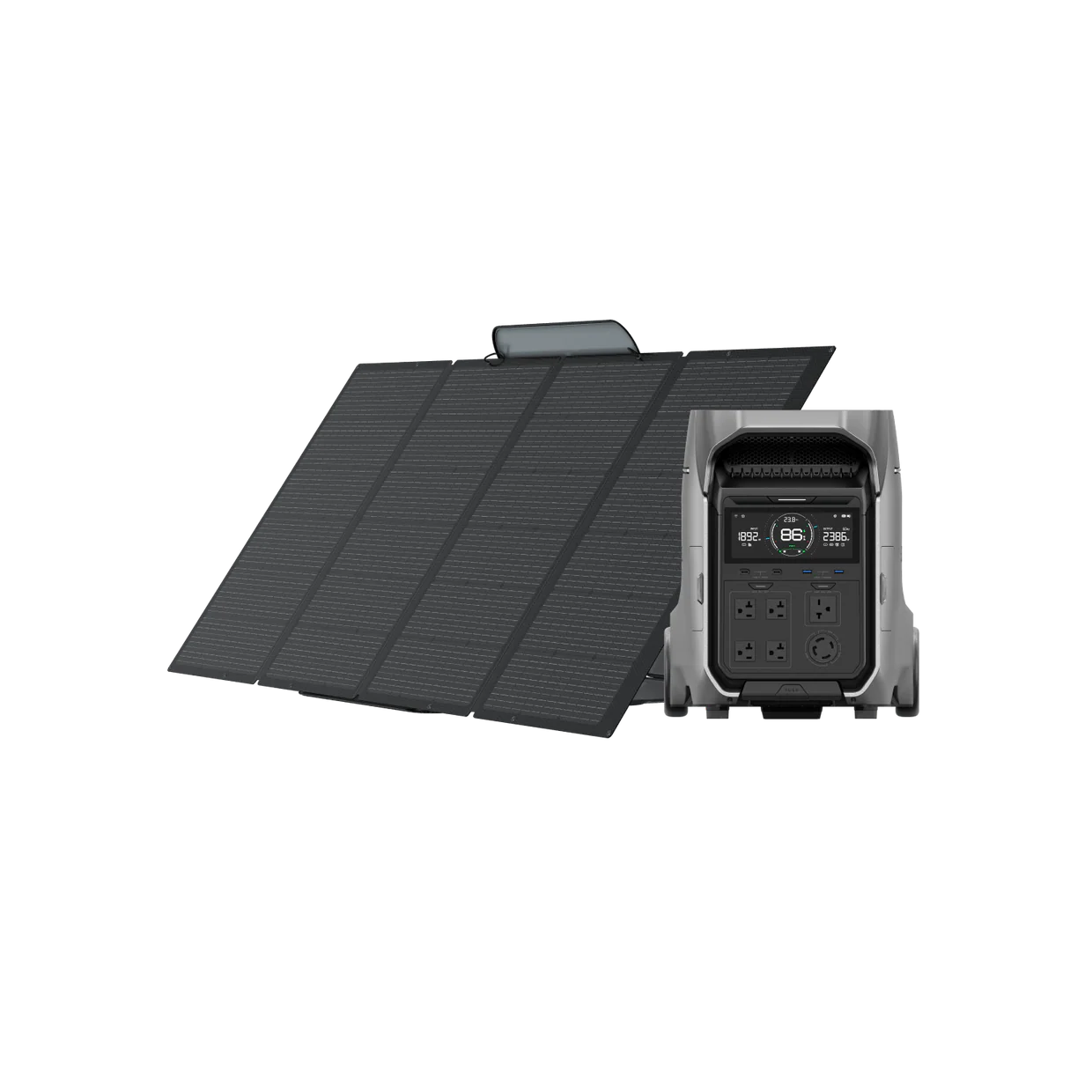
Many homeowners are also pairing panels with battery storage systems such as the EcoFlow DELTA Pro 3 Solar Generator. Adding battery storage lets you store excess solar energy for later use, helping you get more value from the energy your panels produce while providing backup power when you need it.
Who Regulates Plug-And-Play Solar, And Who Enforces The Rules?
Well, currently no one does because plug-and-play solar isn't law in California yet. But if it goes into effect, it would exempt these systems from oversight by the California Public Utilities Commission (CPUC). These systems would be monitored locally, likely through code enforcement, as everyday household appliances.
Of course, that doesn't mean you can just use any system. The bill specifies statewide safety requirements for eligible setups. Products would need to meet recognized safety standards, such as certification from Underwriters Laboratories (UL). Systems must also include safety features that automatically stop the flow of electricity during a power outage.
Still, most of the legal requirements are for manufacturers and utility companies, not consumers. As long as you use plug-in solar properly, you shouldn't have any problems.
Permits, Costs, And Who Can Access Plug-And-Play Solar
Plug-in solar doesn't require a permit and costs significantly less than traditional setups. While you won't generate enough electricity to use it as a whole-home backup power solution, plug-and-play solar is highly accessible.
There's no need to buy tools for DIY solar installation. As long as you buy the proper plug-in system, it's as simple as unboxing the device and plugging it into a standard wall outlet.
Frequently Asked Questions
What Should California Residents Notify Their Utility About?
Some utilities require you to notify them before connecting any solar system to your home, even if it's a small plug-in system. But if the California Plug-and-Play Solar Act passes, your utility company may not be allowed to require that. It's best to check what rules apply in your area.
Are Plug-And-Play Systems Safe?
Yes, as long as you buy a certified plug-in system and use it according to the manufacturer's guidelines. These systems have a lot of safety features built in. For example, they have inverters that stop the power supply if there's a grid outage. Plus, millions of homes in Europe already use these systems, so you aren't trying something new or unproven.
Faster Deployment, Lower Bills, Safer Portable Solar For Californians
Historically, solar has had a high barrier to entry. Cost, permitting, and complex installations meant that many Californians couldn't access renewable energy. But if California's Plug-and-Play Solar Act goes through, it will be both cheaper and easier to install these systems in your home.
Still, you can't legally install plug-in solar just yet, so what can you do in the meantime? You still have a lot of options, such as installing a whole home generator. While SB 868 doesn't govern battery systems, pairing your plug-in panels with storage is where you'll see the most value.
The EcoFlow DELTA Pro 3 Solar Generator combines battery storage and backup power, giving you energy independence while you wait for SB 868 to take effect.
For press requests or interview opportunities, reach out to our media team
media.na@ecoflow.com