California Heat Wave Survival Guide: How to Stay Cool and Avoid Power Outages
California summers have always meant dealing with serious heat, but lately, the spikes are lasting longer and hitting harder. These extended triple-digit heatwaves place significant strain on homes and push our fragile power grid right to the brink. When the local weather report starts warning of a massive high pressure system, keeping your living space bearable becomes less about basic comfort and more about survival. This guide looks at how extreme heat actively disrupts your day-to-day routine, why the state's infrastructure struggles to keep up, and what practical setups you can use to stay cool when the grid goes dark.
What Do Heat Waves Mean for Your Daily Life in California
The moment a heat dome settles over the West Coast, your normal routine is significantly disrupted. Keeping the temperature down inside your house turns into a constant battle against the elements.
AC Runs All Day but Rooms Stay Hot
You can hear your central AC compressor operating continuously at high load without a single break, yet the upstairs bedrooms or your home office still feel like a sauna. Most standard residential air conditioners typically cool indoor spaces by about 15°F to 20°F below outdoor temperatures under normal conditions. When it is 105°F out in the Central Valley or across the Inland Empire, your system becomes unable to maintain target temperatures. Your compressor runs nonstop, your electricity meter spins wildly, and your living room remains stuck in the mid-80s.
Indoor Temperatures Reach 90°F+ by Afternoon
Stucco walls, shingles, and concrete driveways act like giant thermal sponges. They soak up the brutal sun all morning and slowly bleed that radiant heat straight into your living space all afternoon. Right around 3:00 PM, the heat transfer peaks. If your home lacks high-quality insulation or additional cooling support, interior temperatures can climb past 90°F. During severe heat waves, increased electricity demand can put additional strain on the power grid, making it harder for cooling systems to operate consistently, especially during peak hours or unexpected outages. In such conditions, a home battery backup system can help maintain power for essential cooling devices, supporting more stable indoor temperatures during severe Southern California heat waves and periods of grid instability.
Food Spoils Faster Without Reliable Cooling
High ambient temperatures inside the house force your kitchen appliances to work twice as hard. If your kitchen area heats up significantly, your refrigerator compressor struggles to hold its safe 37°F baseline. Opening the door even for a few seconds lets a wave of hot air inside, causing internal temperatures to spike. This reduces the shelf life of groceries, especially perishable items like meat and dairy.
Cooling Bills Drain Your Monthly Budget
California electricity rates are already among the highest in the country. When you factor in Time-of-Use (TOU) rate plans that levy heavy premiums on afternoon consumption, running a central AC system is a financial nightmare. A single week-long heat wave can add hundreds of dollars to your monthly utility bill, leaving families stuck choosing between physical safety and a massive financial hit.
Why Do Heat Waves Lead to Power Outages in California Homes
Controlling the climate inside your own four walls is only half the battle. The bigger issue is whether the local utility infrastructure can handle the collective strain of everyone trying to do the exact same thing. This growing strain on the grid is also why many households now consider a portable power station a practical backup option for unexpected outages.
Air Conditioners Running at Max Load
When millions of families from San Diego up to Sacramento crank their cooling systems simultaneously, the combined electrical draw is staggering. Air conditioners are inductive loads that require a massive surge of power just to start their cycles and a heavy continuous draw to keep running. This synchronized demand stretches regional power generation facilities to their absolute limits.
Evening Electricity Demand Spikes Sharply
The most vulnerable window for our grid happens between 4:00 PM and 9:00 PM. As people get home from work, turn on appliances, and lower their thermostats, power demand climbs to its highest point. At the exact same time, solar generation drops off completely because the sun is setting. This mismatch creates the famous California duck curve, leaving the grid highly exposed to supply shortages during the hottest hours of the evening.
Power Grid Overheating During Peak Hours
Moving high voltage electricity through transmission lines naturally creates internal friction and heat. When the outside air temperature is already hovering above 100°F, substations and high voltage lines cannot cool themselves down effectively. This environmental stress lowers the overall efficiency of the grid, damages infrastructure, and forces grid operators to take drastic measures to avoid a total system failure.
Utilities Triggering Rolling Blackouts
To prevent grid instability during periods of extreme demand, grid operators like CAISO may issue Flex Alerts asking consumers to voluntarily reduce electricity usage during peak hours. If supply and demand remain out of balance, and the system reaches an Energy Emergency Alert Level 3 (EEA3), utilities such as PG&E, SCE, or SDG&E may begin implementing rotating outages. These controlled outages temporarily shut off power to selected circuits or blocks across different neighborhoods to reduce stress on the grid, sometimes with limited notice during extreme heat events.
Transformer Failure Under Heat Stress
Another thing to watch out for is a sudden blackout caused by physical equipment failure right in your neighborhood. If you hear a loud explosion down the street during a heat wave, that is usually a local pole-mounted transformer giving out. These units rely on cooler night temperatures to vent the heat they accumulate during peak daytime usage. When the nights stay hot, the oil inside them overheats, causing them to blow out. A blown transformer takes out immediate neighborhood blocks and can take hours or days for utility crews to replace.
How Can You Keep Your Home Cool and Powered During Heat Waves
Handling these overlapping grid problems requires a shift toward personal energy independence. Combining smart choices with dedicated backup hardware is the best way to protect your household when things go sideways. Adopting proactive California heat survival strategies is especially important during periods of peak electricity demand and grid stress.
Set Up Portable Backup Power for Essentials
When a blackout hits during heat waves in California, keeping your basic baseline running, such as your fridge, home router, and phone chargers, becomes a safety priority. Traditional gas generators are loud, require you to store fuel cans, and cannot be run indoors without risking carbon monoxide poisoning.
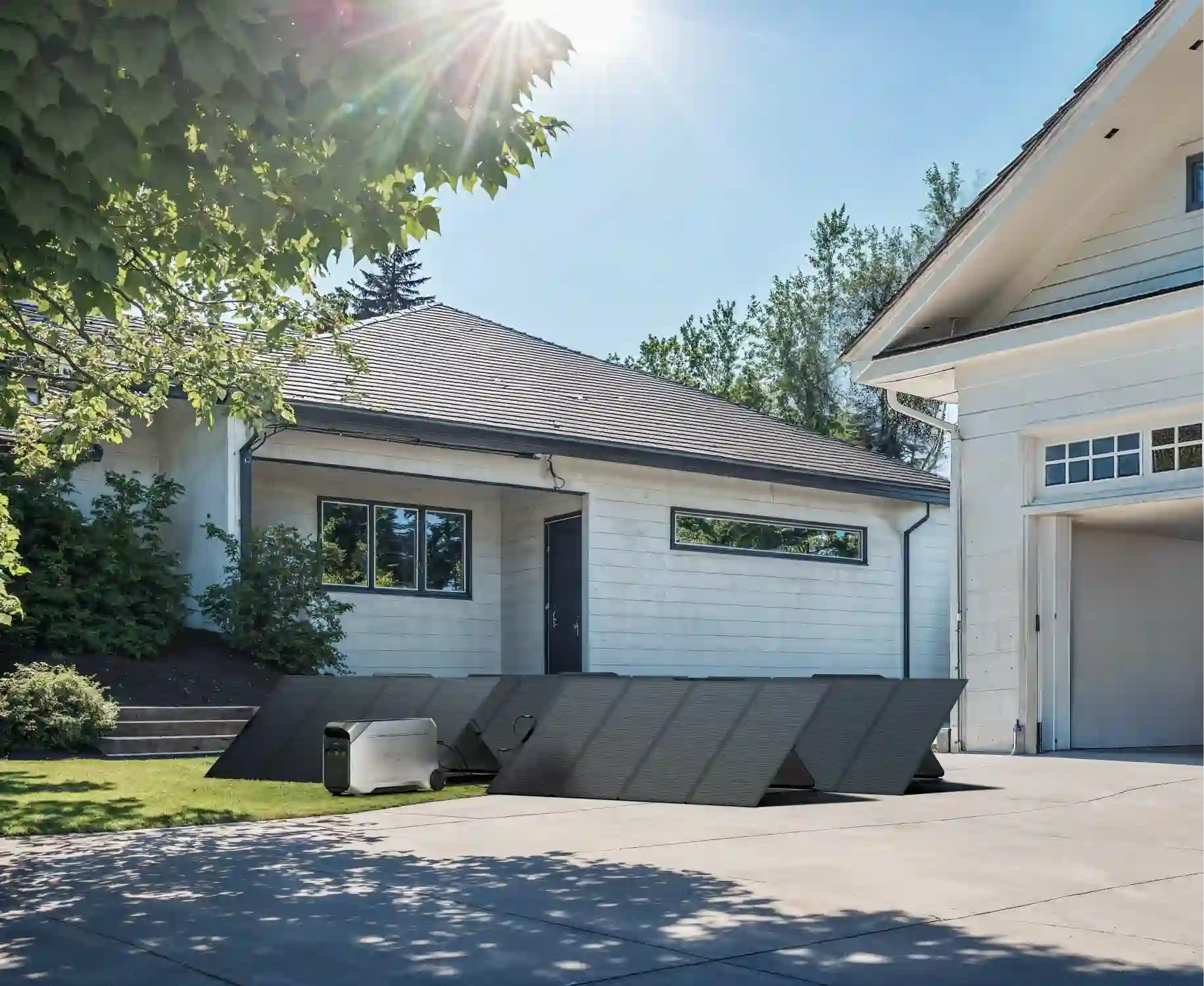
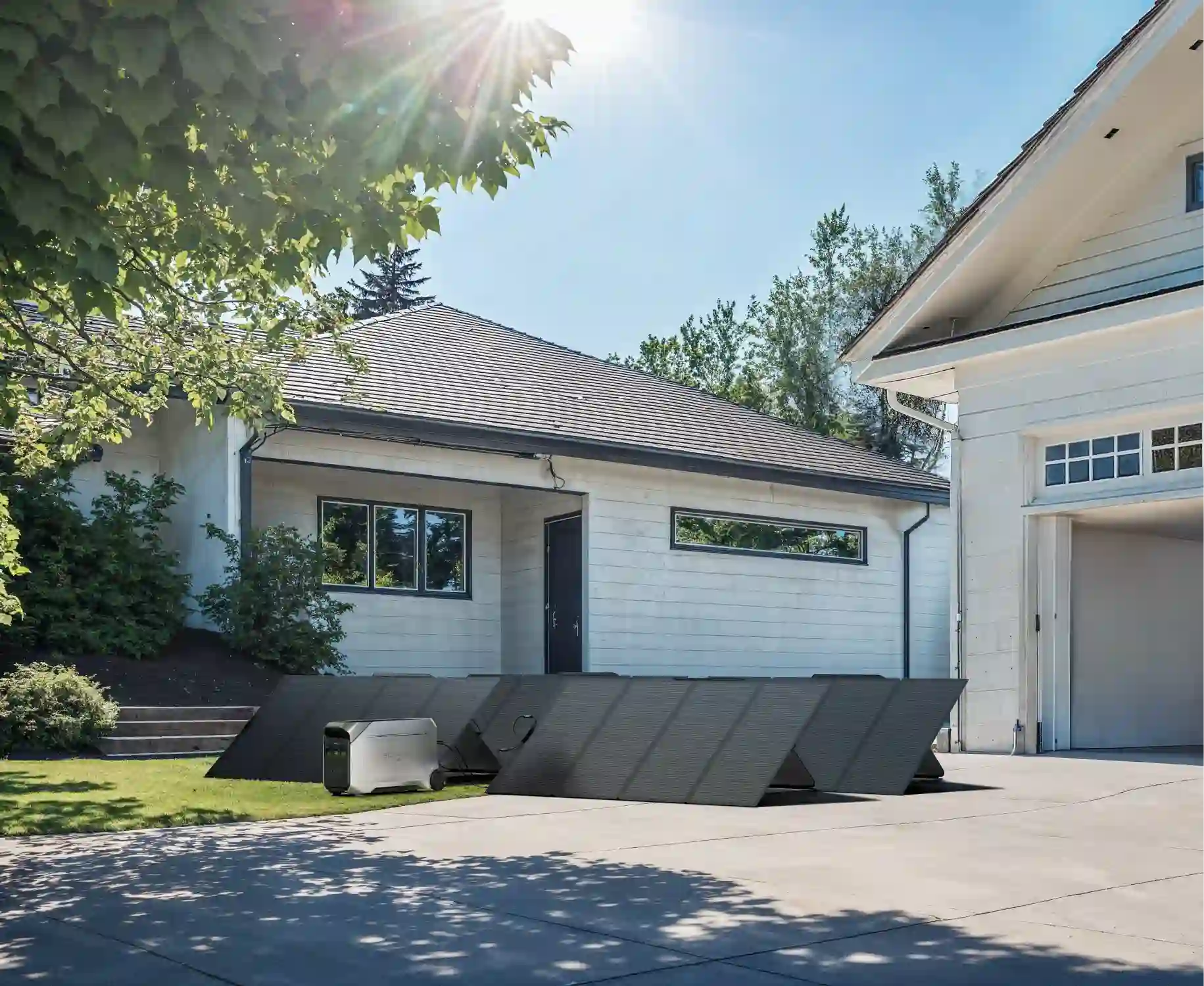
A better way to handle an unexpected blackout is by keeping a high capacity battery system inside your living space. Running a platform like the EcoFlow DELTA Pro 3 + 400W Portable Solar Panel array gives you a quiet, exhaust-free energy reserve. This setup plugs right into your standard kitchen and living room setups, keeping your router, phones, and refrigerator alive. During the afternoon, your solar panels can help extend battery runtime during daylight hours by replenishing part of the energy load.
Run a Compact Cooler During Peak Heat
Trying to cool an entire empty house during California’s most expensive 4:00 PM to 9:00 PM peak rate windows is an inefficient use of energy and increased operating costs. Instead of running your central air to chill rooms you are not using, zone-cooling your immediate space makes a lot more sense.
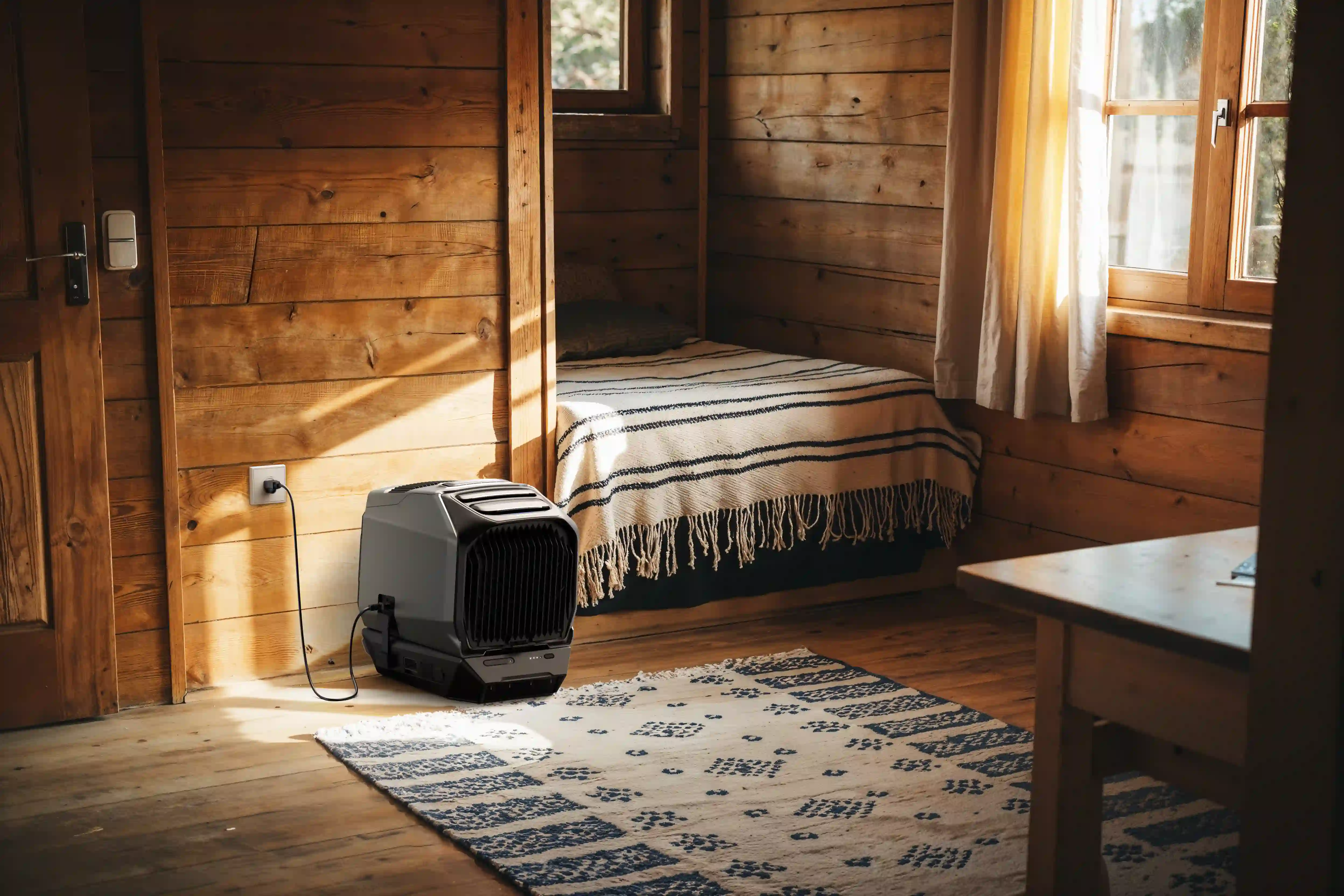
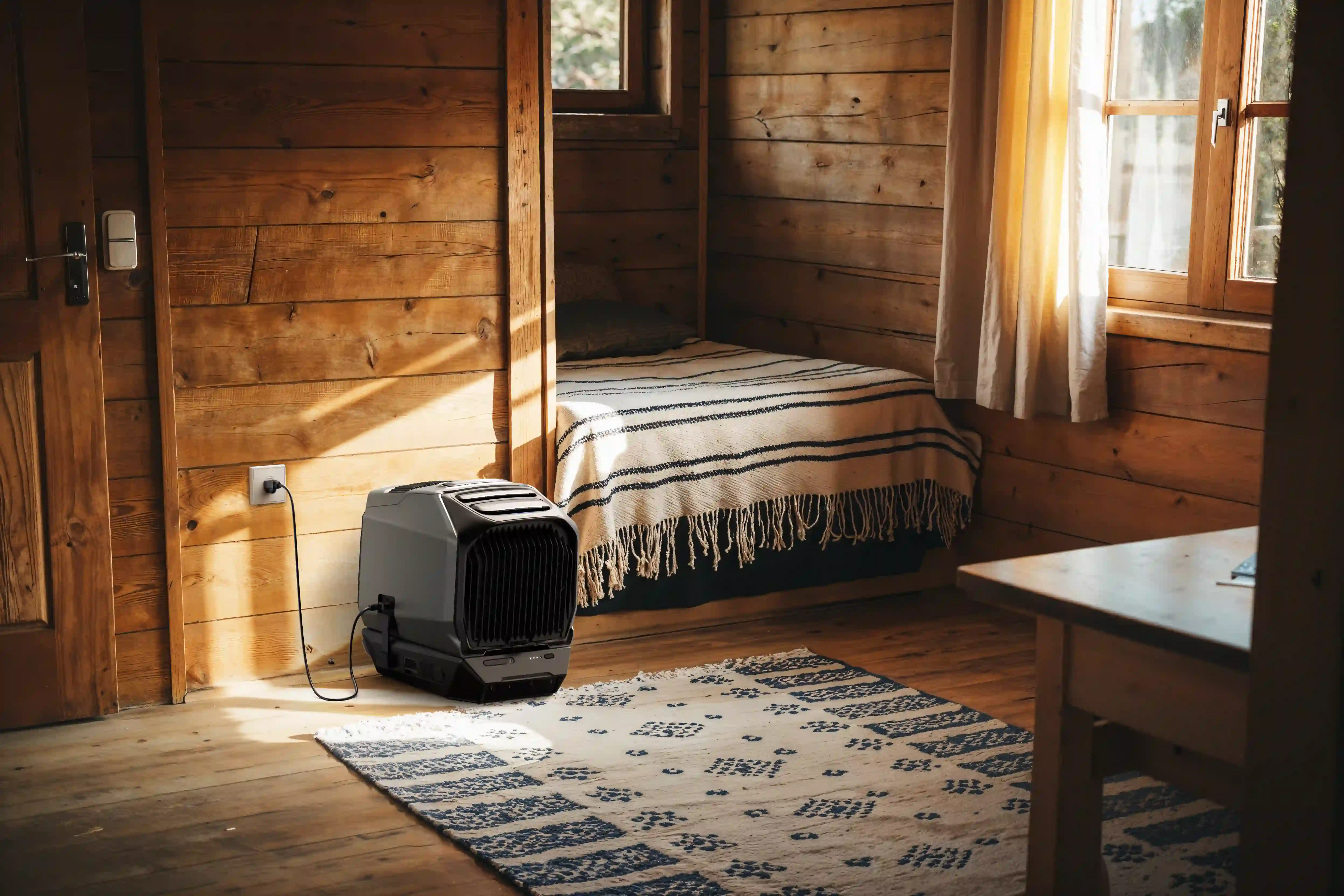
It is also advisable to shift toward a localized cooling strategy. If you spend your afternoon in a home office or want to sleep comfortably in a single bedroom, running a high efficiency micro-cooler like the EcoFlow WAVE 3 Portable Air Conditioner provides a practical alternative to whole-home air conditioning. Instead of drawing thousands of watts to cool your entire square footage, this portable air conditioner directs its cooling capacity right where you are sitting. It drops your immediate space to a comfortable temperature while drawing a fraction of the electricity of a traditional HVAC system.
Keep Fridge Running to Prevent Food Waste
An unpowered refrigerator can typically keep food safe for about 4 hours if the door remains closed. According to FDA food safety guidance, perishable foods should be discarded if they have been held above 40°F (4°C) for an extended period, as this is the “danger zone” where bacteria grow rapidly. When the lights go out, keeping your refrigerator as a top priority on your backup power system can help reduce food loss.
How Should You Stay Safe During a Heat Wave Power Outage
If an outage catches you off guard when outside temperatures are soaring, you need to make immediate tactical adjustments to protect your physical health. Knowing how to stay safe during heat wave power outage scenarios unfold is the key to preventing dehydration and heat-related emergencies.
Stay in the Coolest Room Available
Heat naturally rises, so if you live in a multi-story house, head downstairs immediately. Look for spaces on the north or east side of the building, since they take less direct beating from the brutal afternoon sun. Also, keep interior doors closed to seal off empty rooms and trap whatever residual cool air you have left.
Stay Hydrated Throughout the Day
Sweating keeps your core temperature down, but it drains your fluid levels fast. Drink water and electrolyte mixers consistently, even if you do not feel thirsty yet. Another thing to avoid is iced coffee and alcohol, since both accelerate dehydration when you are stuck in a warm room.
Avoid Outdoor Heat Exposure
Drop any non-essential yard work, outdoor chores, or heavy exercise routines when the sun is high. If you absolutely have to step outside, get it done in the early morning hours, wear loose, light colored clothing, and take regular breaks in the shade.
Check Local Outage Updates Regularly
Keep an eye on your phone to track your local utility’s outage map for estimated restoration times. Monitor local news feeds or city alerts to find designated community cooling centers if your home interior crosses into dangerous territory.
What Should You Do Before a Heat Wave Hits Your Area
Taking a few simple preventative steps before the temperature spikes can keep a bad situation from turning into a real emergency.
Seal Windows to Block Hot Air
Check your window frames and doors for air leaks. Grab some cheap weatherstripping or temporary thermal caulk to plug up the gaps. Also, pulling down heavy drapes, blinds, or blackout curtains early in the morning creates a physical barrier that stops solar heat from warming up your drywall before it even starts.
Charge Devices Before Peak Hours
Track your local weather reports and pay attention to Flex Alert notices. Make sure your cell phones, laptops, and portable power banks are plugged in and sitting at 100% well before the afternoon peak demand windows hit. You want maximum communication capability if your neighborhood loses power unexpectedly.
Prepare Water and Ice Supplies
Fill up extra water bottles or reusable ice packs and throw them in the back of your freezer ahead of time. If you lose power, these can go into a chest cooler to save your food. A practical step is to apply them directly to your pulse points, wrists, neck, and underarms, to lower your body temperature fast if the house overheats.
Set Up a Home Cooling Plan Early
Get everyone in the house on the same page before the weather turns bad. Figure out exactly which appliances get plugged into your backup batteries, verify where the flashlights are stored, and pick your primary "cool room" ahead of time. Essentially, having a set routine means nobody is scrambling when the lights are cut out.
Conclusion
California heat waves and grid instability are a frustrating reality of modern summers, but they do not have to put your household in danger. Understanding how your home reacts to extreme temperatures and making smart upgrades, like switching to efficient zone cooling and investing in clean solar backup power, lets you handle these outages on your own terms. Staying ahead of the forecast and keeping your backup equipment charged means you can keep your space comfortable through any grid crisis. Build your home's energy resilience before the next major heat advisory hits your zip code.
FAQ
Does Putting a Wet Towel over a Fan Make It Cooler?
Yes, placing a damp towel directly in front of a fan provides a quick, minor drop in temperature through evaporative cooling. But this trick stops working once the room gets humid. A related concern is that it can actually raise the moisture levels inside the house, making the air feel sticky and muggier over time.
How Long Do Power Outages Last in California?
Standard rolling blackouts meant to balance grid load usually last between 1 and 2 hours per block. But if your power goes out because a local transformer blew or equipment melted under heat stress, repairs can easily take anywhere from 8 hours to several days.
Will Solar Panels Work When There Is No Power?
Most grid-tied solar systems without battery backup shut down when the power goes out. This is a built-in safety feature designed to prevent electricity from backfeeding into the grid and endangering utility workers. To keep power running during a blackout, you need an island-capable setup, typically involving a hybrid inverter connected to a home battery system, allowing your home to operate independently from the grid.
What Indoor Temperature Is Considered Unsafe?
When indoor temperatures rise above 90°F, heat exposure can become increasingly dangerous, especially for vulnerable individuals such as older adults, young children, and people with chronic health conditions. According to CDC heat health guidance, higher indoor temperatures can reduce the effectiveness of fans and make it harder for the body to regulate temperature, increasing the risk of heat-related illness over time.
How to Use Generator at Home During Power Outage?
Never run a gas generator indoors. Carbon monoxide is deadly, meaning those units must stay outside and at least 20 feet away from any open windows. If you need a safe power source you can actually keep inside your living room or kitchen, switch to a battery-powered portable power station. They run silently with zero emissions, letting you plug your fridge and electronic devices directly into the unit right next to your couch without any safety risks.
For press requests or interview opportunities, reach out to our media team
media.na@ecoflow.com