Are Partial Power Outages Dangerous? Risks Every U.S. Homeowner Should Know
- What Is a Partial Power Outage?
- What Causes Partial Power Outages in U.S. Homes?
- Are Partial Power Outages Dangerous?
- What Should You Do During a Partial Power Outage?
- When to Treat a Partial Outage as an Emergency
- How to Prevent Partial Power Outages in Your Home
- Why Partial Power Outages Are Becoming More Common in the U.S.
- Backup Power Solutions for Partial and Full Outages
- Conclusion
- FAQ
Unlike a total blackout that plunges an entire neighborhood into darkness, a partial outage leaves a home in a fragmented state where some rooms have electricity while others are completely dead. While this issue might seem like a minor inconvenience, partial outages frequently stem from severe, hidden electrical faults that require immediate attention. This guide details the structural causes of partial outages across American households, the underlying safety hazards to property and appliances, and effective backup strategies to stabilize home power when the electrical grid fails.
What Is a Partial Power Outage?
A partial power outage occurs when electrical service is lost on specific branch circuits while remaining operational elsewhere in the building. Because these uneven outages can disrupt refrigeration, communications, and other essential household systems, many homeowners now incorporate home backup power solutions into their emergency preparedness plans. Standard United States residential infrastructure utilizes a 120/240-volt split-phase system, delivering power from the utility transformer via two independent 120-volt lines, or legs, along with a shared neutral wire.
When a single hot leg suffers a failure, exactly half of the standard 120-volt circuits in the main electrical panel lose power entirely. Concurrently, heavy-duty 240-volt appliances, such as central air conditioners, electric clothes dryers, and well pumps, lose the necessary voltage differential across the panel bus bars. As a result, these large loads will either refuse to start or experience severe operational inefficiencies, leaving the property with normal lighting in one room and completely dead outlets in another.
What Causes Partial Power Outages in U.S. Homes?
When a portion of your lights suddenly goes dark, the underlying issue can range from a simple flipped switch in your basement to a major equipment failure miles down the road. Understanding the common causes and fixes of partial power outage problems can help homeowners determine whether the issue originates inside the property or from the wider utility grid. Identifying where the breakdown occurred is the first step toward restoring stable power.
Electrical Panel or Circuit Breaker Issues
More often than not, the source of the problem is sitting right inside your own home. Your electrical panel splits incoming power into individual circuits to distribute electricity safely. If you overload a specific line, such as running a high wattage space heater and a hairdryer simultaneously, the circuit breaker will trip to prevent the wires from overheating. On a larger scale, if one of the main breaker’s internal contacts fails to conduct or one side of your panel’s bus bar degrades from age, it can completely cut off power to an entire voltage phase, knocking out half the circuits in your house instantly.
Utility Grid Problems
Sometimes, the issue lies entirely with your local power provider. If a transformer on your street blows or a high voltage utility fuse pops on just one of the two incoming lines feeding your property, your home will only receive half the voltage it requires. This leaves you with a single-phase partial blackout, while your neighbors across the street might either retain full power or be left completely in the dark depending on how their homes tie into the local distribution network.
Weather and Environmental Factors
Severe weather frequently disrupts overhead electrical infrastructure across the United States. High winds in the Pacific Northwest, heavy winter ice storms in New England, or intense thunderstorms in the Midwest regularly cause tree branches to snap and fall onto distribution lines. If a falling limb clips just one of the overhead service lines leading to your roof weatherhead, it severs a single leg of your power supply, causing an immediate partial outage.
Faulty Home Wiring
In older properties or houses with unpermitted DIY electrical modifications, loose terminations pose a significant hazard. Over time, normal thermal expansion and contraction cycles can cause wires to gradually back out of terminal screws inside outlets or junction boxes. A single loose neutral wire or a corroded hot conductor can completely disconnect a series of downstream outlets, mimicking a grid-level phase failure while keeping the physical danger trapped right inside your walls.


Are Partial Power Outages Dangerous?
The potential hazard of a partial power outage depends strictly on the underlying mechanism of the failure.
When They Are NOT Dangerous
When a partial outage is caused by a standard branch circuit breaker tripping due to a temporary overload, the risk to the home remains low. The breaker functioned exactly as engineered to eliminate an overcurrent condition. Disconnecting the high-load appliances and resetting the breaker handle clears the issue safely without any lingering risk to your home or family.
When They CAN Be Dangerous
The hazard escalates significantly when the outage stems from loose mechanical connections or external grid imbalances. Arcing across loose terminations behind drywall generates extreme localized heat without drawing enough current to trip standard thermal breakers, representing a leading cause of residential house fires. Furthermore, leaving your home in a prolonged state of unbalanced voltage puts a massive strain on your entire electrical system.
Hidden Dangers of Partial Power Outages You Shouldn’t Ignore
The most destructive silent threats during a single phase failure are prolonged low voltage conditions, known as brownouts, and open neutral faults. When a single supply line fails, current can backfeed through high resistance pathways, causing voltage levels to sag. This reduction forces electric motors inside refrigerators, freezers, and air conditioners to work harder, drawing excess current that can melt internal windings and destroy compressors.
An open neutral condition introduces an even greater hazard. Without a secure neutral wire to balance the return current between the two 120V legs, your 120V circuits are forced to share power directly. This creates a severe voltage imbalance: while one side of your house drops to a sluggish 80V, the other can instantly spike to a dangerous 160V or higher. This volatile surge is the ultimate culprit behind fried electronics, toasting microwave control boards, burning out refrigerator compressors, and ruining thousands of dollars of sensitive gear in minutes.
What Should You Do During a Partial Power Outage?
If your property is caught in a single phase failure, taking systematic action protects expensive electrical assets from destabilizing voltage fluctuations.
Step 1. Check Your Circuit Breaker
Locate your main electrical panel using a flashlight to look for any breaker switches that have migrated to the off position or are resting loosely in the center. Reset any tripped switches by flipping them completely off before switching them back to the on position. If a breaker handle snaps back immediately, do not force it; an active short circuit requires professional diagnosis.
Step 2. Identify the Scope of the Outage
Document which specific rooms, outlets, or major appliances have lost functional power. Look outside to verify if neighborhood streetlights or adjacent properties show similar single phase symptoms, which helps distinguish between localized internal faults and utility line issues.
Step 3. Unplug Sensitive Electronics
Disconnect high value appliances immediately, including refrigerators, computer setups, television screens, and microwave ovens. During prolonged instability, a portable power station can help keep essential electronics running on stable backup power while the source of the outage is being diagnosed. Because partial outages are prone to brownouts and open neutral imbalances, removing these items from dead or flickering circuits isolates internal power boards from destructive voltage spikes.
Step 4. Check With Your Utility Provider
Use your smartphone’s mobile data to check digital outage maps or call your regional power distributor, such as PG&E, Oncor, or ConEd. Verifying line status confirms if a phase failure or transformer breakdown has occurred along your street, clarifying whether the repair rests with the utility crew.
Step 5. Call an Electrician If Needed
If the utility company confirms full service delivery up to your residential electrical meter but a partial outage persists, or if you detect audible buzzing from panel bus bars, secure professional help. Certified contractors use specialized diagnostic tools to track hidden wire insulation wear or neutral degradation safely.
When to Treat a Partial Outage as an Emergency
While a standard tripped circuit breaker is a routine maintenance issue, specific symptoms indicate an immediate safety threat to your property. You must treat a partial outage as an active emergency if you detect a strong odor of burning plastic, hear crackling or buzzing sounds inside wall cavities, or observe visible sparks from outlets or appliances. Wildly flickering lights also signal a severe open neutral or arc fault condition. In these high-risk scenarios, do not wait around for the issue to resolve itself. Disconnect the main electrical breaker immediately if you can do so safely, evacuate the building, and contact emergency services or an emergency electrician right away.
How to Prevent Partial Power Outages in Your Home
Proactive infrastructure maintenance minimizes the frequency and severity of residential electrical failures. Implementing standard prevention strategies safeguards internal circuits from avoidable damage.
Upgrade Your Electrical Panel (Older Homes)
Properties utilizing legacy panel brands like Federal Pacific or Zinsco, or old split-bus fuse boxes, face high risk of mechanical component failure. Upgrading to a modern, code-compliant 200-amp service panel ensures the household system can safely manage contemporary electrical loads without dropping individual distribution phases or creating hazardous hot spots.
Avoid Circuit Overloading
Be mindful of aggregate power demands, especially in high-use areas like kitchens, basements, and home offices. Avoid daisy-chaining multiple plug strips together. Distributing high wattage seasonal appliances, such as space heaters, air fryers, and portable air conditioners, across completely separate circuits prevents repetitive thermal stress on individual breakers.
Schedule Regular Electrical Inspections
Arranging a comprehensive electrical evaluation every few years helps catch hidden distribution anomalies. Licensed technicians can check terminal screw torque specifications inside the main breaker box, swap out loose or back-stabbed wall outlets, and isolate oxidized connections before they cause an unexpected system drop.
Protect Against Storm-Related Damage
Keep property tree lines properly trimmed back to maintain clearance around the overhead service lines connecting the building weatherhead to the utility pole. Furthermore, installing a whole house surge protective device directly onto the main panel bus bar shields downstream appliances from the massive voltage spikes caused by lightning strikes or grid switching events.
Why Partial Power Outages Are Becoming More Common in the U.S.
If electrical service reliability has declined in recent years, federal energy data supports this trend. Data from the U.S. Energy Information Administration (EIA) shows that power interruptions have risen sharply, driven by an aging grid struggling against increasingly harsh weather.
More than 70% of the nation’s transmission lines and power transformers are now over 25 years old. This legacy infrastructure was never engineered to handle modern climate shifts or the heavy electrical loads of high-tech households. Weather anomalies now cause roughly 80% of all major grid disruptions in the United States. Extreme summer heatwaves push distribution transformers past their thermal limits, while intense winter blizzards snap overhead lines, and wildfire risks force preventive power shutoffs. When regional utility infrastructure strains under these environmental pressures, a single distribution phase will often fail before the entire grid collapses. This type of line failure can leave many suburban homes operating on a single phase, dealing with the operational challenges of a partial blackout.
Backup Power Solutions for Partial and Full Outages
When centralized utility networks fail to deliver stable electricity supply, implementing local power systems is critical for keeping essential home operations running. For many homeowners, improving long-term power outage preparedness now includes portable battery systems capable of supporting refrigeration, communications equipment, and other critical loads during grid instability.
Portable Power Stations for Home Backup Power
When extreme weather compromises the local grid, keeping critical appliances running maintains basic household function. If a partial outage disables specific room circuits, major loads like refrigerators, networking equipment, or home medical hardware can stop working without warning. A heavy-duty portable power station allows you to bypass these dead circuits completely.
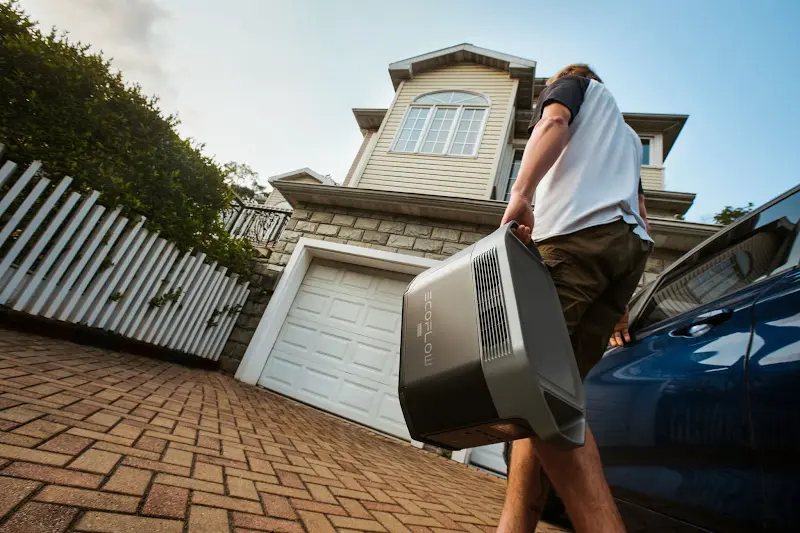
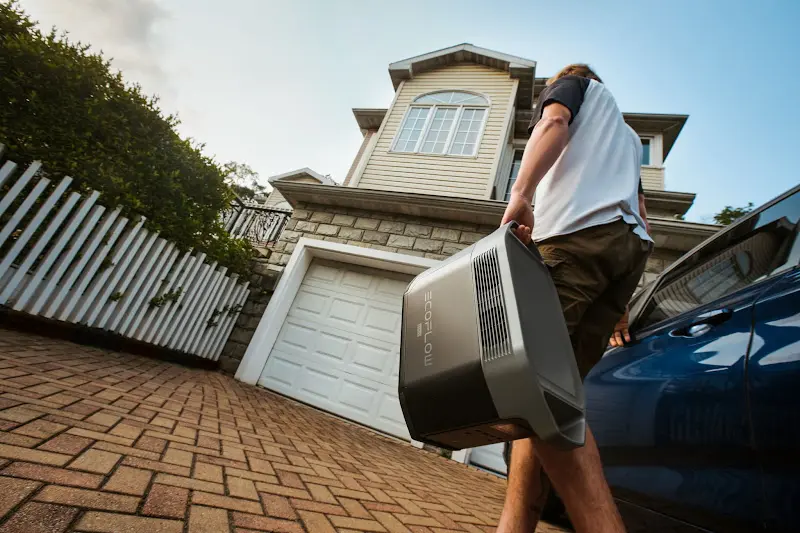
The EcoFlow DELTA Pro Portable Power Station provides a solid system for managing these localized distribution issues. Featuring a 3,600Wh base capacity, this unit delivers clean, continuous AC power capable of handling high demand appliances like full sized refrigerators, sump pumps, and medical devices. Homeowners can connect essential appliances directly to the unit’s front panels or route the output through a manual transfer switch. This helps maintain power to critical systems during extended grid outages.
Whole House vs. Portable Generators
Traditional combustion generators have long served as a standard backup choice, but they present notable operational drawbacks. Gas-powered units are loud, require continuous refueling during storms, and produce toxic carbon monoxide emissions that prevent safe indoor operation. Clean, battery powered systems offer a lower maintenance alternative for managing short- and long-term grid outages without the mechanical upkeep.
For homeowners seeking a balance between mobility and home energy resilience, the EcoFlow DELTA 2 Max Portable Power Station offers a practical off-grid backup solution. The DELTA 2 Max delivers sufficient output to support essential household loads such as refrigerators, networking equipment, and lighting during unexpected power interruptions. When paired with solar charging, it enables continuous energy replenishment during extended outages, creating a stable day-to-night backup cycle without noise, fuel handling, or emissions.
UPS Systems for Sensitive Electronics (Wi-Fi, Computers, Medical Devices)
Delicate digital equipment remains highly vulnerable to the minor voltage dips and fluctuations characteristic of a collapsing grid phase. Uninterruptible Power Supply (UPS) systems act as an immediate power bridge, switching to internal battery power in under 10 milliseconds when input voltage sags. Keeping network routers, desktop computers, and home security systems connected to a fast-acting UPS ensures that sudden phase drops will not crash active work sessions, corrupt hard drives, or leave home security systems vulnerable.
Conclusion
Partial power outages represent a complex residential risk that demands a careful, informed response. Whether caused by an aging national grid, severe seasonal storms, or hidden wiring faults inside your walls, these single phase events present real threats to household electronics and property safety. Understanding how split-phase panels operate, disconnecting sensitive equipment at the first sign of a voltage drop, and utilizing reliable battery backups like the EcoFlow DELTA Pro or DELTA 2 series helps ensure your home stays safe and functional when the local utility grid fails.
FAQ
Can a Partial Power Outage Fix Itself?
An internal partial outage caused by a tripped circuit breaker or a loose terminal connection within your home will not resolve itself and requires manual inspection or repair. However, if the issue stems from an external grid phase failure or a blown utility transformer, power will return automatically once municipal utility crews finish repairs on the street lines.
Can Partial Outages Damage Appliances?
Yes, partial outages are highly damaging to motorized and electronic appliances. The low voltage brownout conditions and open neutral imbalances that often accompany a phase failure force inductive motors to draw excess current, causing them to rapidly overheat and burn out. Disconnecting devices immediately is the most reliable way to protect them.
Is It Okay to Reset a Breaker Multiple Times?
No, you should never repeatedly reset a circuit breaker that trips back-to-back. A breaker that opens immediately after a reset indicates an active short circuit or a severe thermal overload. Forcing the breaker closed can cause dangerous electrical arcing, melt wire insulation, and initiate a structural fire inside the walls.
How Long Do Partial Outages Usually Last?
The duration depends entirely on the location of the fault. Internal breaker overloads can be resolved in seconds, whereas complex phase failures caused by fallen trees or damaged line transformers can leave a home partially dark for days while utility crews work to repair local distribution lines.
Do I Need an Electrician for a Partial Outage?
An electrician is necessary if your main breakers continue to trip after a single reset, or if your local utility provider confirms that their external service drop lines are delivering full voltage to your meter. These persistent symptoms indicate internal equipment degradation or a broken neutral connection that requires specialized diagnostic tools to fix safely.
For press requests or interview opportunities, reach out to our media team
media.na@ecoflow.com