Partial Power Outage in Your House? 5 Causes and Quick Fixes
- What Is a Partial Power Outage in a House?
- Common Signs You’re Experiencing a Partial Power Outage
- 5 Causes of a Partial Power Outage in a House
- Quick Steps to Troubleshoot a Partial Power Outage Safely
- When to Call a Licensed Electrician
- How to Prevent Partial Power Outages in the Future
- Preparing for Power Disruptions With Backup Energy
- Frequently Asked Questions
- Final Thoughts
When your power has gone out in some rooms of the home, but not others, you're dealing with a partial outage, and it's more common than most homeowners realize. Partial outages are often caused by something inside the home, though utility problems can also be responsible. If it’s a grid-wide event, it will often lead to a full blackout.
If you understand the difference between a partial and full outage, and how they're caused, you can troubleshoot faster and know when to call a professional.
What Is a Partial Power Outage in a House?
A partial power outage is when only certain circuits, rooms, or outlets in your home lose power, but everything else functions as normal.
Unlike a full outage, partial outages typically point to an internal electrical issue rather than a wide-scale utility failure, meaning they’re your responsibility to address.
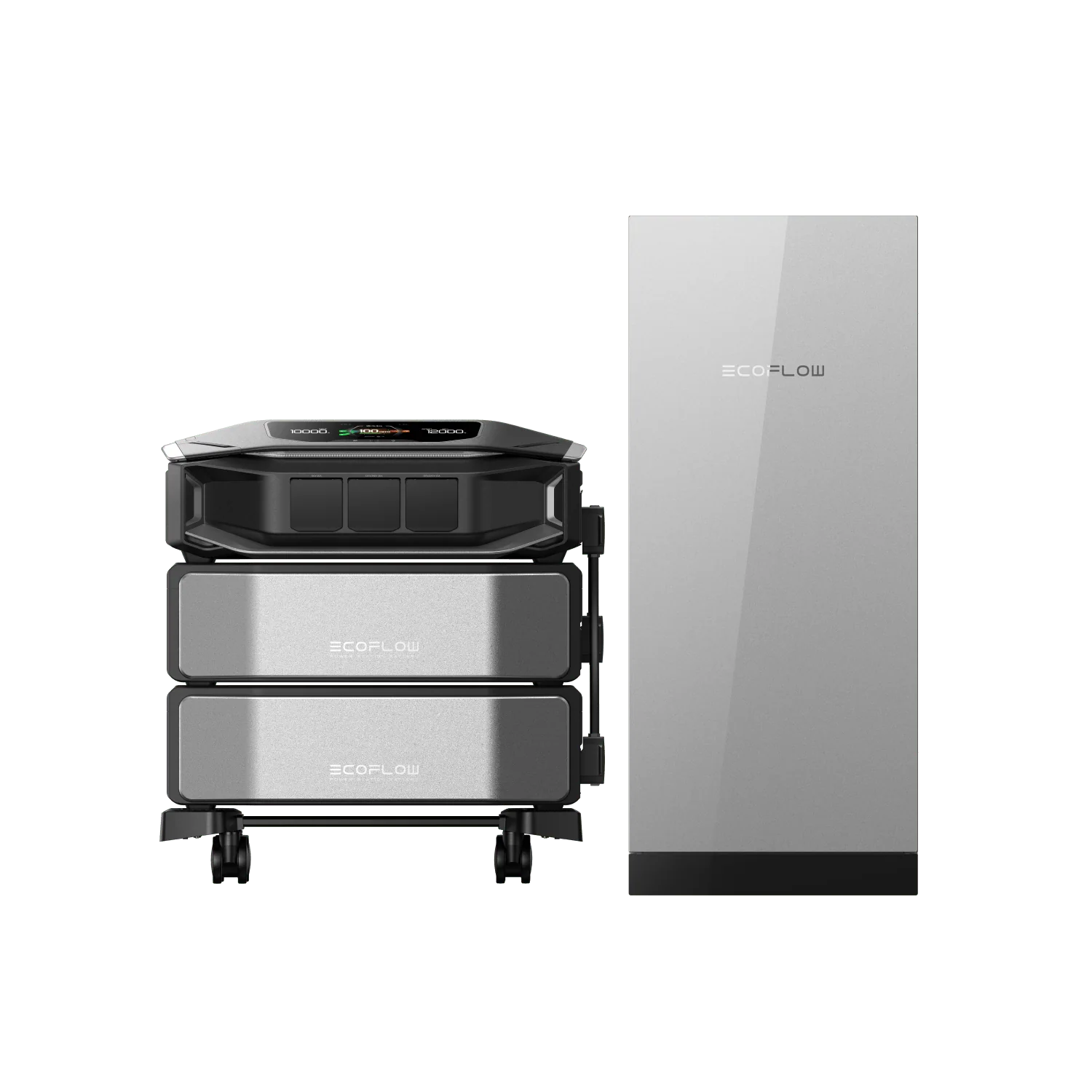
While many partial outages can be resolved with basic troubleshooting, solutions that support overall home energy management, like the EcoFlow DELTA Pro Ultra X, can also help maintain power continuity, improve energy flexibility, and provide backup when needed.
Common Signs You’re Experiencing a Partial Power Outage
If you can answer "yes" to one or more of these questions, there's a good chance you're experiencing a partial blackout:
Do your lights work in one room, but not in another?
Are some of your outlets dead, but others nearby still functioning normally?
Are your appliances in a specific zone of the house losing power without explanation?
Do you see flickering lights in isolated areas of your home?
Is the power cutting out in one room and then coming back on without intervention?
5 Causes of a Partial Power Outage in a House
The quicker you can identify the source, the quicker you can reduce the risk of appliance damage or an electrical fire.
So, with that, here are 5 common causes of partial power outages in homes:
Tripped Circuit Breaker
A tripped circuit breaker is the top cause of localized power loss. It happens when a circuit gets overloaded with too many high-draw devices at once. Your breaker has safety mechanisms that get triggered to prevent overheating or fire.
Blown Fuse
Blown fuses can be found in older homes that use fuse boxes rather than a modern breaker panel. If your circuit is drawing more current than it can handle, the fuse can blow, meaning it physically burns out.
Unfortunately, blown fuses can't be reset the way breakers can. They need to be replaced.
To identify a blown fuse, look for darkened glass or a broken filament.
Lost Leg of Utility Power
Most homes receive 240 V service that's split into two 120 V legs from your utility provider. If you lose one leg, it’ll knock out power to about half of your home.
When this is the case, your breakers won't be tripped, and your panel will look normal. It's caused by damage at the utility connection point, not inside your home.
If you suspect this may be the cause, contact your utility company to investigate and repair.
Utility Infrastructure Damage
A damaged transformer, downed power line, or storm-related disruption can cause partial supply issues and lead to only part of your home's power working correctly.
Check to see if your neighbors are also affected. If so, that confirms an external cause. Report it promptly to your utility provider so they can handle repairs on their side of the meter.
Faulty Wiring
Damage, aging, or loose wiring can disrupt your supply of power to specific areas. The most common culprits are worn insulation, rodent damage, and poor connections in junction boxes.
If you notice your power cuts out and then returns on its own, view it as a serious warning sign and call for a professional inspection. This issue won't resolve on its own—and, if left unattended, loose wiring can overheat and spark electrical fires.
Quick Steps to Troubleshoot a Partial Power Outage Safely
First, unplug your computers, TVs, and sensitive appliances to prevent surge damage.
Check your breaker panel and look for any switch that isn't fully aligned with the others. Flip the suspect breakers fully off, and then back on.
Check your outlets and press the reset button on each one.
If your panel looks normal and your outlets are fine, check to see if your neighbors have power. If they don't, it points to a larger utility issue. Contact your utility company.
When to Call a Licensed Electrician
If you smell burning, hear buzzing, or see scorch marks, call an electrician immediately and stop troubleshooting.
Other reasons to call a licensed electrician include:
A repeatedly tripped breaker
Power that goes in and out intermittently
Any suspicion of wiring damage
How to Prevent Partial Power Outages in the Future
Schedule an annual electrical inspection to catch problems before they escalate. You can also prevent partial outages by avoiding overloading your circuits and upgrading outdated panels and wiring.
For seamless protection, consider full home backup power that can maintain continuity if the grid fails unexpectedly.
Preparing for Power Disruptions With Backup Energy
Some causes of partial outages can't be fixed quickly. Having backup power can help keep essential systems running during outages.
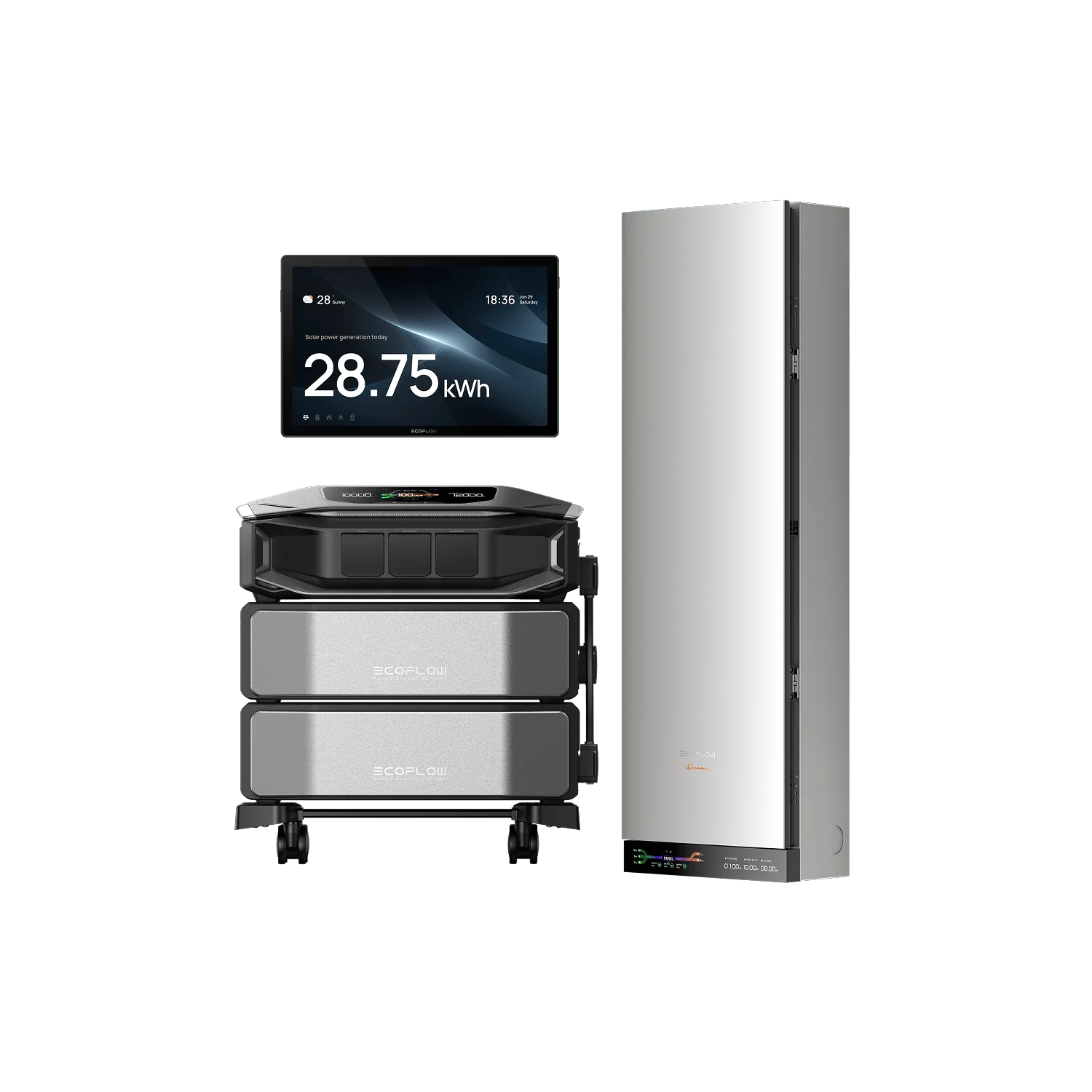
Systems like the EcoFlow Delta Pro Ultra X can support home backup needs and provide continuity during disruptions.
This home backup power system delivers 12–36 kW output with storage that's scalable from 12 kWh to 184 kWh (with additional inverters). That's enough to power your entire home, including your HVAC system and major appliances.
Frequently Asked Questions
Why Is Half of My House Without Power Without Flipped Breakers?
A lost leg of utility power is the most likely cause, meaning that one of the two 120 V feeds from your utility company has been disrupted. It could also be caused by a loose or damaged connection at the meter or service entrance. Contact your utility provider. It's a sign that the issue is on their side of the meter.
How Do You Trace an Electrical Short in a House?
Identify which circuit is affected using your breaker panel. Unplug all the devices on that circuit and reset the breaker. If it trips again right away, the short is in the wiring. Plug your devices back in one at a time to identify if a specific appliance is causing the trip.
Final Thoughts
Partial blackouts can happen for a number of reasons, and most of them are traceable if you know basic troubleshooting steps. A tripped breaker or outlet is the easiest to fix, but issues with wiring and larger panel issues may need a professional's help.
If the grid is the problem, calling your utility company and relying on backup power in the meantime is a reliable solution.
Explore whole-home generators to stay powered through whatever causes your next energy disruption.
For press requests or interview opportunities, reach out to our media team
media.na@ecoflow.com