Alaska Winter Storm Warning: What It Means and How to Stay Safe
An Alaska winter storm can change the day’s plans before the snow looks especially serious. A road that was open at breakfast may be drifting shut by afternoon, while a power interruption that would be inconvenient elsewhere can become a heating emergency when the temperature is well below zero.
A Winter Storm Warning is the point at which preparation should give way to action. Finish necessary travel, check heating fuel, charge backup equipment, and settle in before visibility deteriorates. This guide explains the warning, its hazards, and the practical steps to take during and after the storm.
What Does an Alaska Winter Storm Warning Mean?
A Winter Storm Warning means that significant winter weather is expected or already occurring. The warning may cover heavy snow, ice, sleet, blowing snow, or a dangerous combination of those conditions. It is issued for a defined forecast zone, not for the entire state at once.
That distinction matters in Alaska. Conditions can differ sharply between Southeast communities, Southcentral valleys, the Interior, the North Slope, and mountain passes. Even within one borough, elevation, exposure, and distance from the coast can produce very different snowfall and wind. Read the full warning text and check the point forecast for your address or community rather than relying only on a statewide map. For the latest local alert, the search phrase winter storm warning Alaska can help locate the relevant forecast-office warning.
Winter Storm Warning Issuance Criteria
There is no single Alaska snowfall number that automatically produces a warning everywhere. The National Weather Service sets criteria by forecast office and zone, accounting for the climate and the effects expected in that area. That is why a winter storm in Alaska should be assessed against the criteria for the specific forecast zone.
Snowfall Thresholds: Current NWS criteria vary considerably. Many Southeast Alaska zones use 6 inches in 12 hours or 12 inches in 24 hours. Numerous Anchorage-office zones use 12 inches in 12 hours or 24 inches in 24 hours, with higher thresholds in certain mountain areas. Fairbanks-office zones generally use 7, 8, or 12 inches within 24 hours, depending on location. The warning issued for your zone is more useful than a statewide rule of thumb.
Compound Elements: A warning may address more than snowfall. Snow accompanied by blowing and drifting, a mix of snow and ice, or other winter hazards can create serious impacts even when one measurement does not tell the whole story. A Blizzard Warning is a separate product with its own wind and visibility criteria.
Impact Threshold: Forecasters also consider timing, expected travel disruption, exposure, and local vulnerability. A storm arriving during a busy travel period or affecting a remote corridor may require stronger messaging than the raw accumulation total suggests.
The alert will state its timing, the places included, expected accumulation, wind, visibility, and likely effects. Check updates as the storm track becomes clearer.
Winter Storm Warning vs. Winter Storm Watch
A watch and a warning describe different levels of confidence and urgency. A watch is the time to review plans and fill gaps. A warning means the expected event is close enough, or already underway, that protective decisions should be made.
Alert Level | Meaning | Timing | Recommended Immediate Action |
Winter Storm Watch | Significant winter weather is possible, but the location, timing, or severity remains uncertain. | Often issued a day or two before the expected event, depending on forecast confidence. | Check heating fuel and food, charge devices, review travel plans, and follow forecast updates. |
Winter Storm Warning | Significant winter weather is expected or occurring and meets locally defined warning criteria. | Usually issued closer to the storm’s onset or while the event is underway. | End unnecessary travel, secure animals and outdoor items, and complete preparations before conditions worsen. |
In an isolated community or on a road with limited winter maintenance, a watch may already be reason to move an appointment, refill a prescription, or bring supplies home.
What Weather Hazards Can an Alaska Winter Storm Bring?
Snowfall is only one part of the forecast. Wind may erase visibility after the snow ends, freezing rain can turn a maintained road into an ice sheet, and a sharp temperature drop may follow the main storm. Power and communications can also be affected when ice, wet snow, or falling branches damage local lines.
Heavy Snow and Blowing Snow
Heavy snow can outpace plowing and close driveways, side roads, airfields, and mountain passes. Dry snow remains easy for the wind to move, so a road that has just been cleared can drift over again. Near Turnagain Arm, through parts of the Matanuska Valley, and along other exposed corridors, terrain can channel strong wind and make conditions change abruptly.
Blowing snow is dangerous because it removes visual reference points. The centerline, shoulder, and vehicle ahead may disappear at the same time. A Blizzard Warning generally requires sustained wind or frequent gusts of at least 35 mph, visibility frequently at or below one-quarter mile in falling or blowing snow, and those conditions lasting at least three hours. A winter storm does not have to meet that definition to make travel unsafe.
If visibility is falling, do not assume four-wheel drive will solve the problem. It may help a vehicle move through snow, but it does not restore sight distance or shorten a stop on packed snow and ice. Postponing the trip is often the safest decision.
Freezing Rain and Ice Accumulation
Freezing rain develops when precipitation falls as liquid through a warm layer aloft and reaches surfaces that are at or below freezing. Instead of bouncing like sleet, the drops spread and freeze on roads, steps, railings, vehicles, trees, and utility equipment.
The first glaze may be difficult to see. Bridges, shaded curves, elevated decks, and untreated driveways often become slick before the rest of the road appears icy. Four-wheel drive does not provide normal braking or cornering traction on a clear glaze.
Ice also adds weight to branches and overhead lines. The likelihood of damage rises when freezing rain is accompanied by wind or wet snow. Park away from questionable trees if conditions are still safe, and never approach a downed line. A wire can remain energized without sparking; keep people and pets well back and report it to the utility or emergency services.
Extreme Cold and Dangerous Wind Chill
Cold air can settle in behind a storm after the clouds and snow begin to clear. Wind chill describes how quickly exposed skin loses heat in the combined effect of cold air and wind. It does not lower a pipe or vehicle below the actual air temperature, but it can cool exposed objects more quickly.
At sufficiently low wind chills, frostbite can develop within minutes. The NWS chart places wind chills near −40°F in the range where exposed skin may freeze in about 10 minutes, with even less time near −50°F or below. Cover the face and hands, wear loose insulating layers, and keep outer clothing dry.
The cold affects equipment as well. Battery performance drops, engines may be harder to start, diesel can gel if it is not suitable for the conditions, and plumbing in unheated spaces may freeze. Check garage, crawl-space, and exterior-wall pipes before the storm. Keep furnace and boiler vents clear, but wait until wind and falling snow have eased enough to approach them safely.


What Should You Do When an Alaska Winter Storm Warning Is Issued?
Once the warning is posted, concentrate on the tasks that become difficult or dangerous in poor visibility. Finish outdoor work in daylight, bring in loose items, move vehicles away from drifting areas and weak branches, and confirm that everyone in the household knows the plan if heat or power is lost. For additional guidance on how to stay warm during a power outage, plan for both safe heat and non-electric ways to retain warmth.
Monitor Weather Alerts and Prepare Emergency Supplies
Use the National Weather Service point forecast and the office responsible for your area, whether that is Anchorage, Fairbanks, or Juneau. Keep a battery-powered or hand-crank NOAA Weather Radio available in case internet and cellular service fail. Local emergency management, tribal authorities, borough officials, and utility notices may provide information that a broad weather alert does not.
Alaska’s Division of Homeland Security and Emergency Management publishes a seven-day preparedness plan, which is a useful target where roads, air service, or deliveries may be interrupted. Store food that does not require refrigeration or electric cooking, necessary prescriptions, pet and livestock supplies, first-aid materials, flashlights, batteries, and hygiene items. Water planning commonly begins with one gallon per person per day. Protect stored containers from freezing and account for additional household. A practical winter storm emergency kit checklist can help you review these supplies before roads become difficult to travel.
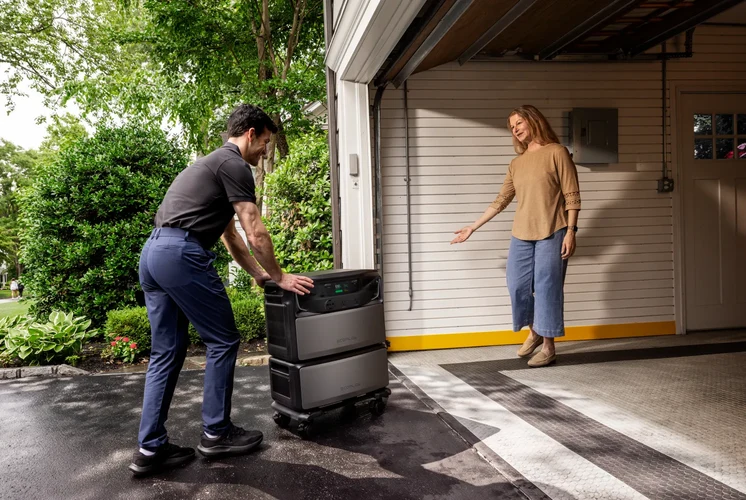
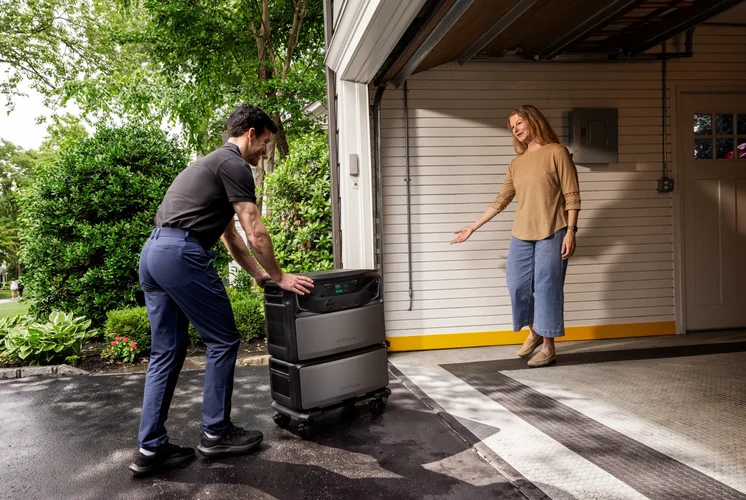
Test each flashlight, confirm that radio batteries are fresh, refill prescriptions, and place a manual can opener with the food. Keep essential supplies where they can be reached without crossing an unheated garage or digging through an outdoor shed. In addition to food, water, consider how you will keep essential electrical equipment running during an extended outage. A portable power station can provide backup electricity for communication devices, lighting, and other compatible essentials when grid power is unavailable.
Stay Indoors and Protect Yourself from Extreme Cold
Begin with a written load list rather than a product name. Refrigeration, communications equipment, lighting, a fuel-fired furnace blower, and a well pump all have different power needs. Motors may draw substantially more electricity at startup than they use while running, and electric resistance heaters can deplete a battery much faster than lights or a router.
A portable battery power station produces no combustion exhaust while supplying electricity, which allows it to operate indoors when the manufacturer permits. It still needs a dry location, clear ventilation, intact cords, and temperatures within its operating limits. Do not leave it in an unheated area simply because the appliance being powered is nearby; severe cold can reduce available battery capacity and may prevent charging.
The EcoFlow DELTA 3800 Gen4 Portable Power Station is advertised by EcoFlow with a refrigerator-runtime feature. The manufacturer reports up to 70 hours in its test, which used an empty 654-liter refrigerator under specified temperature settings. A stocked household refrigerator in a warm room, opened throughout an outage, may run for a different length of time.
For households planning to supply several circuits, the EcoFlow TITAN 5000 Plus provides 7,200W of rated 120/240-volt split-phase output and starts with 5kWh of storage, expandable to 30kWh with compatible batteries. Those specifications do not determine runtime by themselves. Add the energy used by each intended appliance, allow for startup demand and system losses, and decide which loads will be shed if the outage lasts longer than expected. Any connection to permanent household circuits requires approved transfer equipment and installation that complies with applicable electrical requirements.
An engine-driven generator may extend operation as long as fuel is available, but it must remain outdoors. Place it at least 20 feet from doors, windows, and vents, direct exhaust away from the building, and use working carbon monoxide alarms. Never operate a generator in a home, garage, carport, enclosed porch, or shed, even with doors open.
What Should You Do After an Alaska Winter Storm?
The end of the warning does not mean every hazard has ended. Drifts may still cover roads, weakened branches can fall during the next gust, and pipes that split while frozen may begin leaking only after the house warms. Start with a slow inspection and wait for official road information before resuming travel.
Inspect Your Home for Storm Damage
Look at the roof, eaves, chimney, vents, and nearby trees from the ground. Watch for a new dip in the roofline, a gutter pulled away from the fascia, broken branches, displaced roofing, or ice hanging above an entrance. Do not climb an icy ladder or walk onto a snow-covered roof. Heavy accumulation, sagging, persistent cracking sounds, or an active leak calls for professional evaluation.
Clear snow from furnaces, boilers, dryers, and other exterior vents only when it is safe to work outside. Make sure propane regulators, meters, and oil-system components remain accessible without striking them with a shovel or snowblower. Follow the utility or fuel supplier’s instructions if equipment is buried or damaged.
Inside, check ceilings, attic areas, crawl spaces, exterior-wall plumbing, and cabinets for dampness or unusual sounds. If a pipe has burst, shut off the water if the valve can be reached safely and keep electricity away from the wet area. Do not use an open flame to thaw plumbing.
Check Road Conditions Before Resuming Travel
Plowing and avalanche work may continue long after the snow stops. Check Alaska 511 for reported road conditions, incidents, closures, cameras, and maintenance information before leaving. Conditions on the Glenn, Parks, Seward, Richardson, or another highway can be very different from the street outside the house.
Call 511 or use the Alaska 511 traveler-information service, then check the NWS forecast for the full route.
Expect black ice on bridges, overpasses, shaded sections, and wind-scoured curves even when nearby pavement is bare.
Give plows, sand trucks, graders, and rotary equipment generous space. Do not pass a working plow on the right, and avoid driving into the unmaintained snow ahead of it.
If the route is listed as difficult or unsuitable for travel, postpone the trip. A reopened highway can still have narrow lanes, deep shoulders, limited visibility, and long gaps between services.
Restore Power and Heating Systems Safely
Before restarting heating equipment, confirm that exterior vents and chimneys are clear and that no fuel line or electrical component appears damaged. If the system smells of fuel, repeatedly trips a breaker, produces smoke, or will not complete a normal cycle, turn it off and call a qualified technician.
Reconnect appliances gradually and follow utility instructions if service is unstable. Do not energize household wiring through a wall outlet, improvised cord, or unapproved generator connection. A transfer switch, power inlet, or compatible home power panel must isolate the home from the utility system and be installed for that purpose.
For households evaluating a whole-home generator, compare the system’s transfer equipment and installation requirements with the home’s electrical setup.
Keep the generator outdoors while the house is being restored, and let it cool before refueling. Continue using carbon monoxide alarms; drifting snow can block vents, and changing wind can carry exhaust toward the building. If a carbon monoxide alarm sounds, move everyone outside immediately and call emergency services rather than searching indoors for the source.
Conclusion
An Alaska Winter Storm Warning is a call to finish preparations and reduce exposure before conditions become severe. Read the full alert for your forecast zone, because snowfall criteria, wind, timing, and likely impacts vary widely across the state. A point forecast and local emergency information provide a clearer picture than a statewide headline alone.
Prepare enough food, water, medication, heat, lighting, and communications support for the possibility that roads or power will not recover quickly. Keep unnecessary vehicles off the road during the storm, use backup equipment within its limits, and approach the cleanup cautiously afterward. The most effective decisions are usually the ones made while the road is still open and the lights are still on.
FAQs
How Long Does a Fridge Stay Cold Without Power?
An unopened refrigerator will keep food cold for about 4 hours during a power outage. A full standalone freezer will maintain its temperature for approximately 48 hours (or 24 hours if half full), provided the door remains closed.
How Long Can a 10kWh Battery Power a House?
A 10kWh battery can power selected household essentials during an outage, but its runtime depends on the total energy consumption of connected appliances and the system’s usable capacity. For example, a refrigerator, lighting, Wi-Fi router, and gas furnace blower will consume different amounts of electricity depending on their operating cycles and power requirements. Calculate the expected runtime using the combined load, battery capacity, and inverter efficiency rather than relying on a fixed estimate.
How Long Can Power Outages Last During an Alaska Winter Storm?
Outages during an Alaska winter storm can range from a few hours to well over a week. Heavy ice accumulation and snapped trees in heavily forested or mountainous rights-of-way regularly prevent utility lineworkers from accessing damaged transmission infrastructure, extending restoration timelines considerably.
What Should You Do if You Get Stuck in a Car During a Snowstorm?
Stay with your vehicle rather than attempting to hike for help in blinding snow. Clear drifted snow from your exhaust tailpipe to prevent carbon monoxide poisoning, run the engine and heater for about 10 minutes every hour to conserve fuel, crack a downwind window slightly for fresh air, and display a brightly colored cloth or emergency beacon to signal road crews.
Will Homeowners Insurance Pay for Storm Damage?
Most standard homeowners insurance policies cover sudden and accidental winter storm damage, such as roofs collapsing under snow weight, damage from fallen trees, or interior water damage from frozen pipes bursting. However, claims stemming from preventable maintenance failures—such as unheated vacant properties or gradual ice dam leakage—are frequently contested or excluded by adjusters.
For press requests or interview opportunities, reach out to our media team
media.na@ecoflow.com