How Much Energy Does AI Use? ChatGPT, Claude & Gemini Power Consumption (2026)
- What Is AI Energy Consumption, and Why Does It Matter?
- How Much Energy Does a Single AI Query Use?
- What Factors Affect How Much Energy an AI Model Uses?
- How Much Energy Do AI Data Centers Use in 2026?
- How Does AI Energy Use Compare to Everyday Electricity Use?
- How Can You Reduce Your Own AI Energy Footprint?
- Frequently Asked Questions
- Understanding AI's Energy Footprint Helps You Make Smarter Choices About Power Use at Home
Every chatbot reply, AI-generated image, and voice assistant response draws real electricity from a real power grid. As millions of people turn to ChatGPT, Claude, and Gemini every day, understanding what that adds up to matters more than ever.
Here's what the numbers actually show, and what they mean for your own energy use.
What Is AI Energy Consumption, and Why Does It Matter?
AI energy consumption is the electricity used to train and run AI models, from the computing clusters that build a model to the servers that answer your questions in real time. Training happens once per model version, but inference, the process of generating a response, happens billions of times a day across ChatGPT, Claude, and Gemini combined.
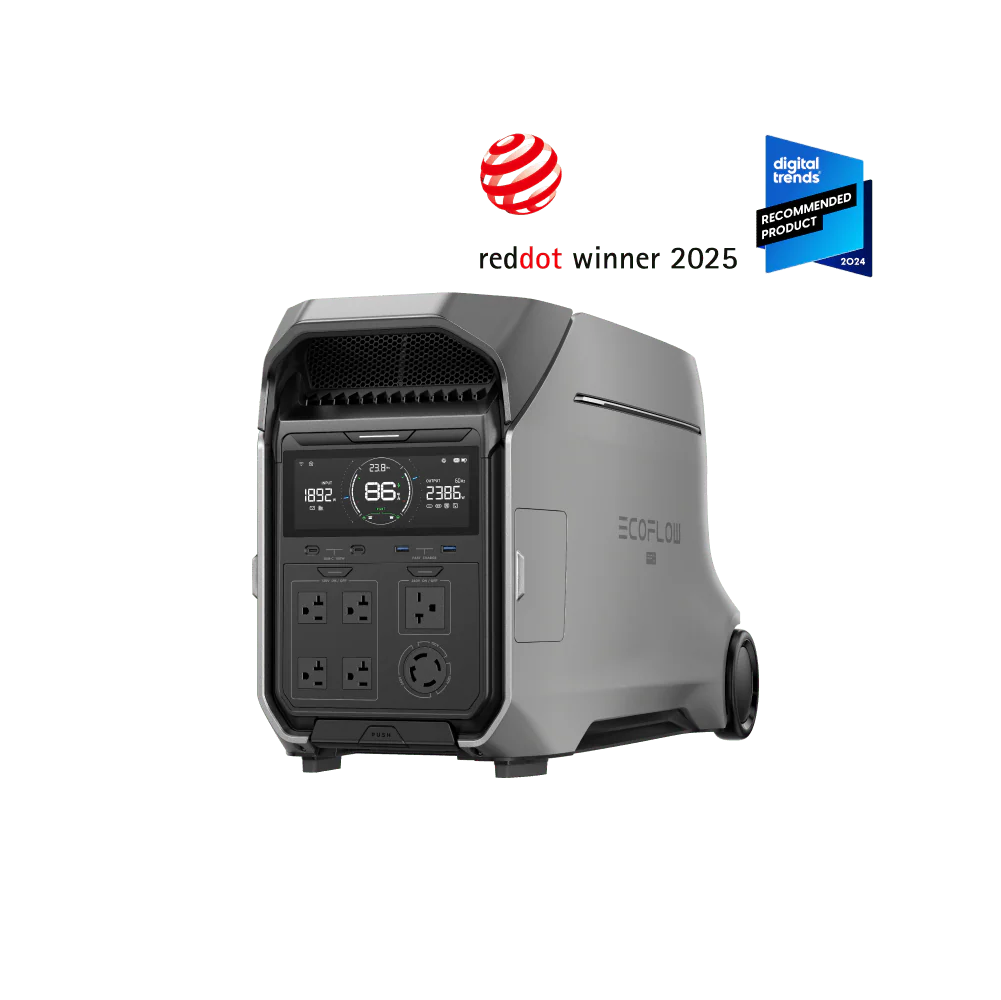
That demand doesn't stay contained to a data center. It shapes how much electricity utilities need to generate, and in some regions, utilities have already raised rates to cover the cost of building out capacity for AI. That's part of why more homeowners are turning to a portable power station like the EcoFlow DELTA Pro 3 Portable Power Station, which stores your own electricity so a rate hike or grid disruption tied to AI-driven demand doesn't automatically mean a bigger bill or a dark house.
How Much Energy Does a Single AI Query Use?
A single AI response typically uses a small fraction of a watt-hour, but the exact figure depends heavily on which model answers your question.
ChatGPT
OpenAI CEO Sam Altman has said the average ChatGPT query uses around 0.34 watt-hours, roughly what a lightbulb uses in a couple of minutes. That figure varies by model and task, though. Longer, more complex prompts sent to newer models have reportedly used far more, with some responses reaching 18 to 40 watt-hours.
Claude
Anthropic hasn't published an official per-query energy figure for Claude, which makes direct comparisons harder to pin down. Independent research estimates that a Claude 3 Opus response uses around 4.05 watt-hours, while a lighter model like Claude 3 Haiku lands closer to 0.22 watt-hours. Without standardized disclosure, these remain estimates rather than verified figures.
Gemini
Google has been the most transparent of the three, releasing a technical report on its methodology. According to Google's own measurements, the median Gemini Apps text prompt uses about 0.24 watt-hours, less than nine seconds of television. Google also reported that this figure dropped 33 times over the prior year through model and software improvements.
What Factors Affect How Much Energy an AI Model Uses?
Model size is one of the biggest drivers. Larger models, with more parameters to process, typically require more chips and electricity per response. Prompt complexity matters too, since a simple request uses a fraction of the energy of a detailed creative task.
Reasoning models, which work through problems step by step, add another layer. Some estimates suggest chain-of-thought responses can need dozens of times more energy than a standard reply.
Grid location matters too, since coal or gas-heavy grids produce far more emissions per kilowatt-hour than grids leaning on solar, wind, or nuclear power, a gap central to the AI data center environmental impact that researchers track.
How Much Energy Do AI Data Centers Use in 2026?
Individual queries are small, but scale changes everything. US data centers used roughly 200 terawatt-hours of electricity in 2024, and AI-specific servers accounted for an estimated 53 to 76 terawatt-hours of that total.
By 2028, AI-related demand is projected to climb to between 165 and 326 terawatt-hours a year, pushing data centers' share of US electricity use from about 4.4% today to as much as 12%, which is why data center electricity needs increasingly affect everyday households, not just utility planners.
How Does AI Energy Use Compare to Everyday Electricity Use?
On an individual level, most AI queries use less energy than running a microwave for a few seconds. But the same researchers project that by 2028, AI's electricity demand could equal 22% of all US household electricity use combined. That shift in scale is part of why data center grid strain has started showing up in utility bills for homes near new AI facilities.
How Can You Reduce Your Own AI Energy Footprint?
You can't control how a data center is powered, but you can lower your own footprint. Save reasoning or "deep research" modes for tasks that genuinely need them, since a quick factual question rarely requires that extra processing. Batch related questions into one conversation instead of re-running the same prompt to fine-tune wording.
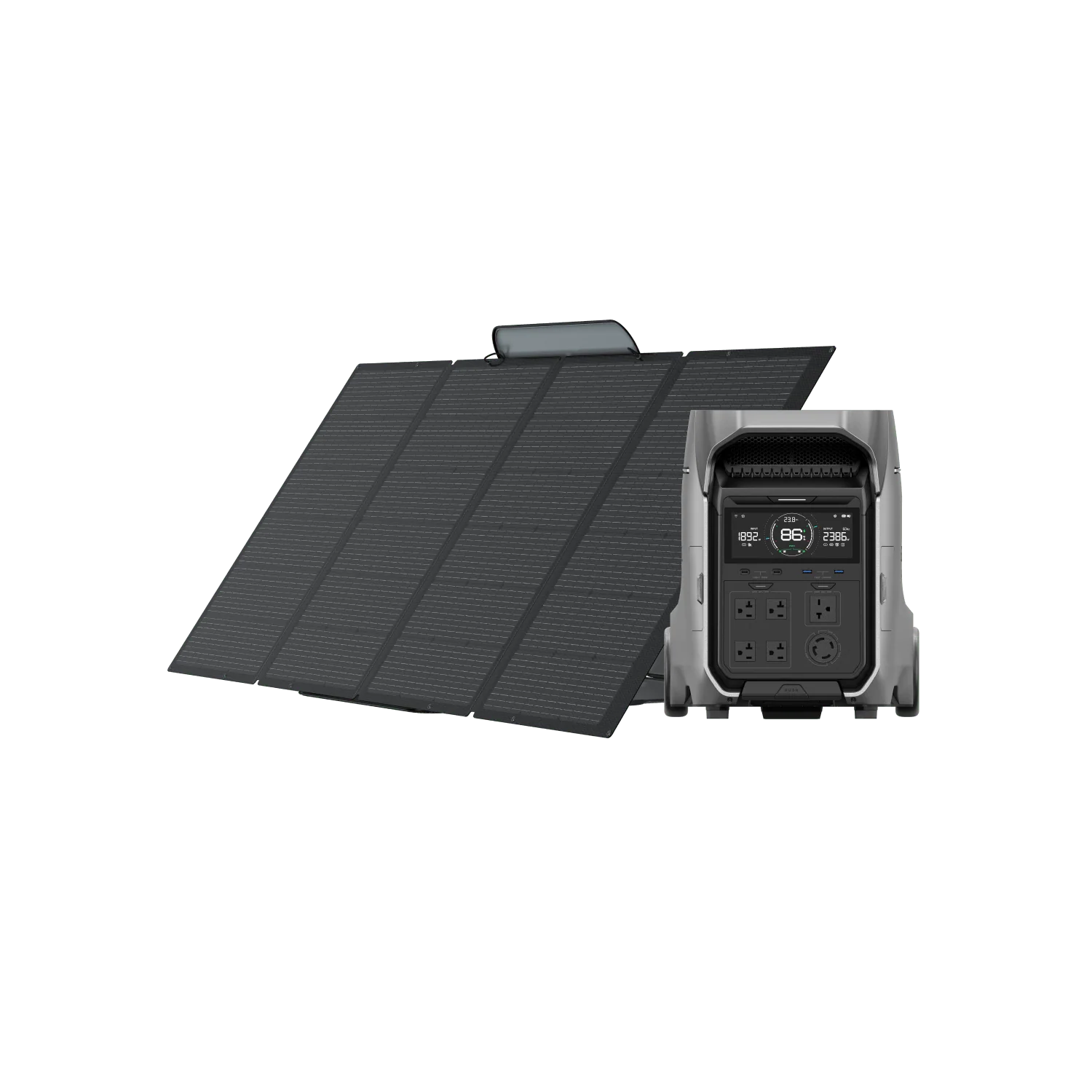
At home, pairing your setup with a solar generator lets you power your laptop and router from stored solar energy instead of pulling entirely from a grid under growing pressure from AI demand.
Frequently Asked Questions
Does Asking ChatGPT a Question Use More Energy Than a Google Search?
Yes, typically. A standard Google search uses a small fraction of a watt-hour, while a ChatGPT query generally uses several times that amount, depending on the model and prompt length. The gap widens further with longer, more complex prompts or reasoning-enabled responses, which can use significantly more electricity than a quick search ever would.
Which AI Model Uses the Least Energy?
Based on available data, Google's Gemini reports the lowest disclosed per-query figure, at around 0.24 watt-hours for a median text prompt. Lighter versions of other models, like smaller Claude or GPT variants, also use less energy than their largest counterparts. Since companies use different measurement methods, direct comparisons should be treated as estimates rather than exact figures.
How Much Electricity Do Data Centers Use Compared to Homes?
US data centers used around 200 terawatt-hours of electricity in 2024, with AI-specific servers responsible for a growing share of that total. Projections suggest AI's electricity demand could reach the equivalent of 22% of all US household electricity use by 2028, a dramatic jump from where things stood just a few years earlier.
Understanding AI's Energy Footprint Helps You Make Smarter Choices About Power Use at Home
AI's electricity demand is growing fast, and even small differences between ChatGPT, Claude, and Gemini add up once you multiply them across billions of daily queries. That growth is already showing up in how utilities plan for demand and, in some areas, what residents pay each month.
If rising grid pressure has you thinking about your home's resilience, a whole-home backup power solution keeps your household running on your own terms, no matter what's happening at the utility level.
For press requests or interview opportunities, reach out to our media team
media.na@ecoflow.com