2-2-2 vs. 3-3-3 vs. 4-4-4: Which RVing Pacing Rule Makes Travel More Enjoyable?
RVing is easier to enjoy when each travel day has a clear rhythm. The 2-2-2, 3-3-3, and 4-4-4 rules help you decide how far to drive, when to arrive, and how long to stay at each stop. For travelers planning to go RVing in the USA, these pacing rules offer a practical way to keep the route manageable from the first campground to the last.
What Do the 2-2-2, 3-3-3, and 4-4-4 RVing Rules Mean?
RVing in the USA often takes longer than the map suggests. Fuel stops, food breaks, pets, traffic, mountain grades, campground check-in, leveling, hookups, and dinner all add time. A pacing rule gives your travel day a practical boundary, so the trip stays manageable after you reach the campsite.
The numbers are useful, but they are flexible. A rainy mountain road, a large travel trailer, or limited daylight may call for a shorter drive and an earlier stop.
RVing Rule | Daily Driving Target | Arrival Goal | Minimum Stay | Best Fit |
|---|---|---|---|---|
2002/2/2 | Up to 200 miles | By 2 PM | 2 nights | New RVers, families, relaxed trips |
2003/3/3 | Up to 300 miles | By 3 PM | 3 nights | Balanced road trips |
2004/4/4 | Up to 400 miles | By 4 PM | 4 nights | Long routes with deeper stops |
The 2-2-2 rule means driving up to 200 miles, arriving by 2 PM, and staying at least two nights. It creates a calm rhythm for travelers who want setup time and a full day in each place.
The 3-3-3 rule means driving up to 300 miles, arriving by 3 PM, and staying at least three nights. It suits many RVers because it keeps the route moving while leaving enough time to rest and explore.
The 4-4-4 rule, also called the 444 rule, means driving up to 400 miles, arriving by 4 PM, and staying at least four nights. It can work well for long RVing routes across the USA, especially when each stop is worth several days.
Which RVing Pacing Rule Fits Your Travel Style?
The right RVing rule depends on your driving comfort, rig size, travel group, route, and campsite plans. A solo van traveler, a family towing a travel trailer, and a retired couple crossing several states may all need different pacing, even on the same highway.
When Is the 2-2-2 Rule Best for RVing?
The 2-2-2 rule is the most forgiving option. It works well for first-time RVers, families with children, pet owners, older travelers, and anyone towing a trailer for the first few trips.
A 200-mile limit leaves room for normal delays without turning the day into a grind. Arriving by 2 PM gives you daylight for backing into the site, leveling, connecting water and power, checking the campsite, and getting dinner ready.
Two nights also gives you one complete day without moving the RV. That matters. You can visit a nearby trail, take the kids to the lake, walk the dog slowly, or sit outside with coffee before packing up again. For many travelers, this pace makes RVing feel like a vacation.
When Is the 3-3-3 Rule the Best RVing Balance?
The 3-3-3 rule fits many weeklong and multi-week RV trips. A 300-mile cap can still feel like a full day in a motorhome or travel trailer, yet it helps you cover meaningful distance between campgrounds.
Arriving by 3 PM usually leaves enough daylight to settle in without stress. Three nights at each stop can give you a travel day, a quiet setup evening, one or two usable days in the area, and time for groceries, laundry, or a campground rest day.
This rule works especially well for national park routes, lake campgrounds, family-friendly RV resorts, and road trips where you want progress without a string of one-night stops.
When Does the 4-4-4 Rule Make Sense for RVing USA Trips?
The 4-4-4 rule is better for experienced RVers who can handle a longer travel day and want longer stays once they arrive. It can suit snowbirds, remote workers, retirees, and travelers crossing large regions of the USA.
Four nights can make a destination feel settled. You have time to explore nearby towns, cook regular meals, work online, handle errands, and recover from the driving day.
The challenge is the 400-mile drive. In a large RV or trailer, that distance can feel demanding, especially through mountains, major cities, summer heat, or stormy weather. A smart traveler treats 400 miles as a maximum. Some days call for 250 miles and an easier arrival.
How to Choose the Right RVing Rule Before You Hit the Road
A pacing rule works best when you choose it before booking every campground. Once reservations are locked in, long driving days can be hard to fix. Use your rule as a filter for the whole route, then adjust each day for real conditions.
Driver experience: New RVers usually enjoy 2-2-2 because early arrivals leave time to solve small problems. Experienced drivers may prefer 3-3-3 for longer routes. The 4-4-4 rule fits travelers who can handle longer driving days and truly benefit from four-night stops.
Rig size: A camper van can move through fuel stations and small roads with less effort. A fifth wheel, Class A motorhome, or large travel trailer needs wider turns, slower stops, careful parking, and better site access.
Travel group: Kids need breaks. Dogs need walks. Older travelers may prefer earlier arrivals. Remote workers need dependable power, a quiet setup, and time to prepare for calls.
Route conditions: Mountain grades, desert heat, winter darkness, holiday weekends, road construction, and campground check-in windows can all change the best plan. A route that looks easy on a screen may feel very different after five hours behind the wheel.
Off-grid plans: If your trip includes boondocking or campsites without hookups, add water, food, fuel, and power planning to the pacing decision. Longer stays need stronger preparation.
What Are the Must-Haves for RVing Comfort on Any Pacing Rule?
The most useful must-haves for RVing solve problems that show up again and again: safe driving, smoother setup, better sleep, easier meals, reliable communication, and enough power for daily life. Your packing list should match your route, campsite style, weather, and daily habits.
Safety and Setup Essentials
Keep safety and setup gear easy to reach, not buried under outdoor chairs or luggage. Before travel days, check cold tire pressure, lights, mirrors, hitch connections, fluid levels, cabinet latches, and loose items inside the RV.
Useful RVing essentials include:
First-aid kit
Tire pressure gauge
Wheel chocks
Leveling blocks
Drinking-water hose
Sewer hose and gloves
Surge protector
Flashlight or headlamp
Basic tool kit
Printed or saved campground reservation details
Weather alerts and offline maps
Daily Comfort and Cooking Gear
Comfort gear should support the way you spend time after arrival. For a short overnight stop, simple meals and easy bedding may be enough. For a three-night or four-night stay, a better camp setup can change the whole experience.
Bring seasonal bedding, camp chairs, shade, rain gear, a portable fan, compact cookware, food storage, a coffee setup, and a cooler or RV fridge plan. Families may want outdoor games and extra towels. Pet owners need leashes, waste bags, food storage, and a secure place for water bowls.
Cooking gear deserves extra thought. A coffee maker, electric kettle, induction cooktop, portable fridge, or small blender can make camp life easier, but each one adds to your energy use. Pack them with a realistic power plan.
Power Must-Haves for RVing Longer and Easier
Power becomes more important as your pace slows down. A longer stay means more phone charging, laptop use, fridge runtime, lighting, fans, camera batteries, cooking appliances, and small comforts around camp.
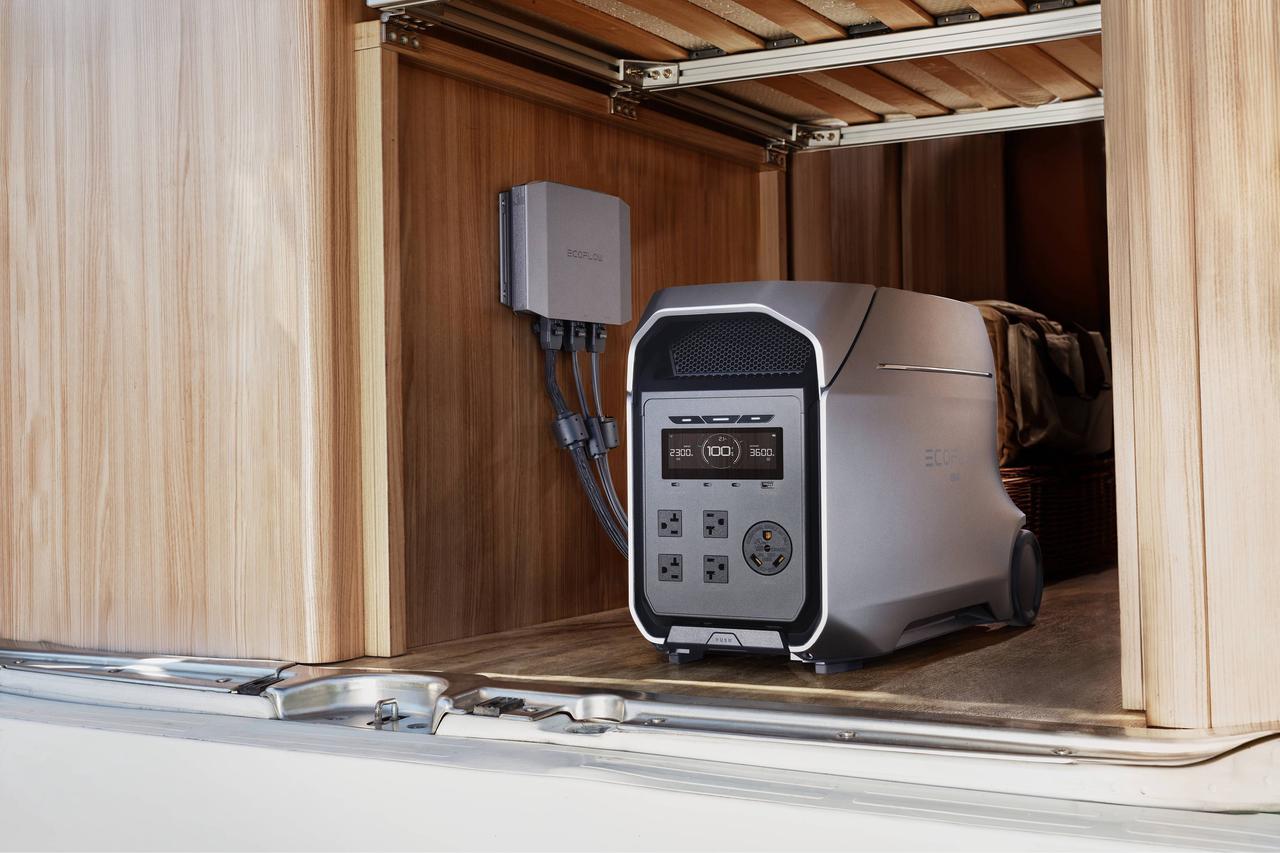
For a relaxed 2-2-2 trip, a portable power station with a portable solar panel can help cover small electronics, lights, and light comfort loads. For 3-3-3 RVing, higher capacity can support longer evenings, laptops, fridge backup, fans, and small kitchen appliances. For 4-4-4 stays or off-grid camping, expandable capacity and solar charging become much more useful.
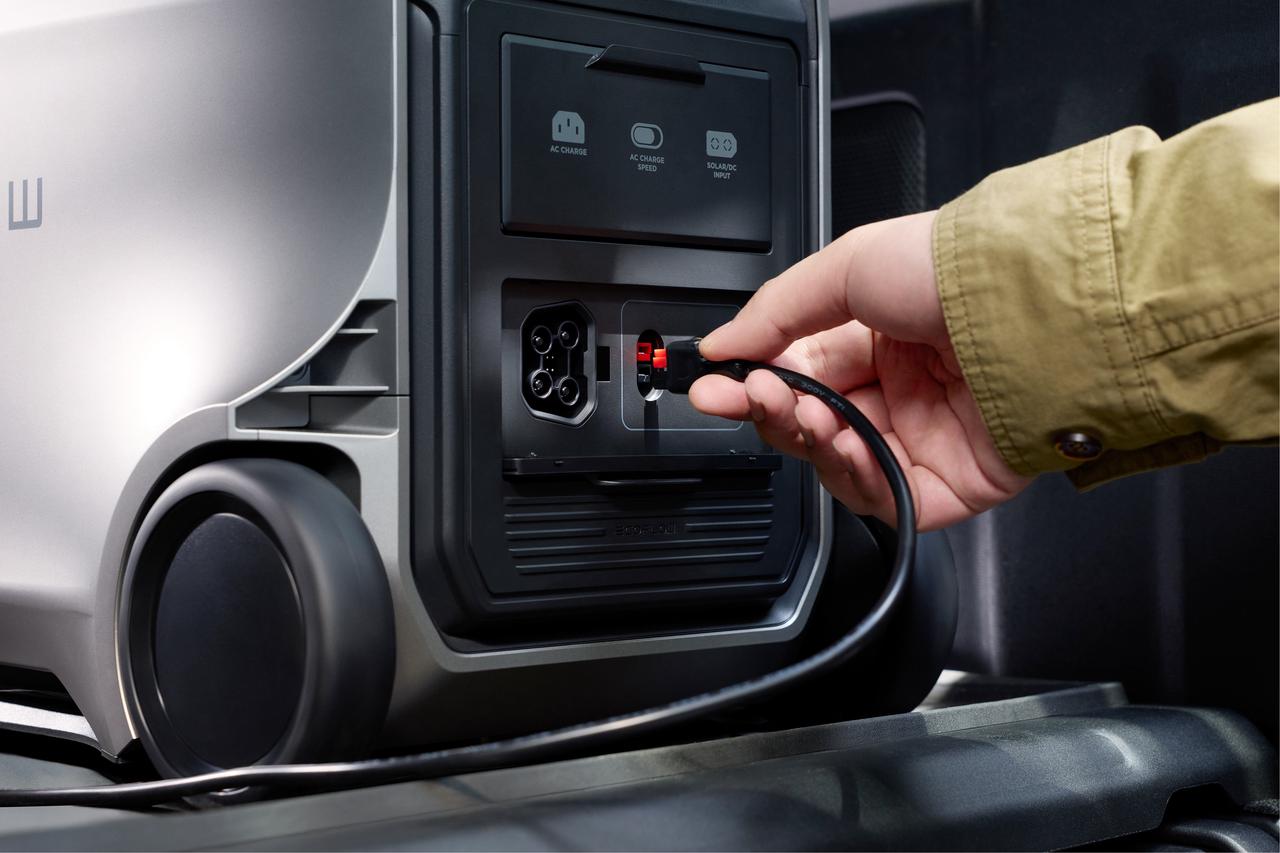
For RVers who plan longer stays, the EcoFlow DELTA 3 Ultra Plus (3072Wh) + 500W Solar Panel is a practical fit for power planning. Its 3072Wh capacity and 3600W output give you room for common RVing needs such as fridge support, fans, phones, laptops, camera gear, coffee makers, and other small comfort appliances, as long as your total load stays within the unit’s limits. The 500W solar panel also helps recover power during multi-day stops, with solar charging listed at about 7.7 hours under suitable conditions.
Before buying or packing power gear, list what you plan to run. Check each device’s wattage, estimate daily use time, and leave a buffer for cloudy weather, shade, higher fan use, or extra charging needs. Reliable power for coffee, refrigeration, phones, and fans can make a slower RVing pace feel much easier to enjoy.
Choose Your RVing Rule and Power Your Next Trip
Pick 2-2-2 for the calmest pace, 3-3-3 for the best everyday balance, and 4-4-4 for long routes with deeper stops. The right RVing plan gives you safer driving days, earlier arrivals, useful gear, and dependable power at camp. Set your rhythm first, then build the route, reservations, and energy setup around the trip you actually want.
FAQs
Q1. Can I Mix the 2-2-2, 3-3-3, and 4-4-4 Rules on One Trip?
Yes. Many RVers use different pacing rules for different legs of the same route. A difficult mountain section may fit 2-2-2, a normal highway day may fit 3-3-3, and a long relocation day may use 4-4-4. The key is to plan recovery time after any longer driving day.
Q2. How Far Should I Plan to Drive Per Hour in an RV?
A conservative planning average of 45 to 55 miles per travel hour often works better than posted speed limits. RV travel includes slower acceleration, wider turns, fuel stops, rest breaks, and campground approach roads. This estimate helps prevent overbooking your day and gives you a more realistic arrival window.
Q3. Do Campground Check-In Times Affect RVing Pacing Rules?
Yes. Campground check-in times can affect how useful a pacing rule feels in practice. Some sites may not allow early arrival, especially during busy seasons. Check the campground policy before departure, and keep a nearby fuel stop, grocery store, or safe parking area in mind if you arrive before your site is ready.
Q4. How Should I Plan Energy Storage for Boondocking?
Start with watt-hours. Multiply each device’s wattage by its expected daily use time, then add a safety margin for cloudy weather, shade, and extra charging. Also check inverter output, solar input, and recharge speed. Good energy storage planning should cover essential loads first, such as refrigeration, communication, lighting, and ventilation.
Q5. Should I Change My RVing Pace During Extreme Heat?
Yes. Extreme heat can make travel days harder on people, pets, tires, batteries, and cooling systems. Shorter driving days, earlier departures, shaded campsites, and longer rest breaks can make the trip safer. Keep extra drinking water available, monitor tire pressure when cold, and avoid pushing arrival close to the hottest part of the day.
Disclaimer: This article is for informational purposes only and does not constitute professional driving, RV safety, electrical, or product installation advice. RV travel conditions, campground policies, weather, road grades, vehicle weight, towing setup, and power needs can vary by trip. Always follow your RV owner’s manual, tire placard, campground rules, local road regulations, and product documentation before making travel or energy-storage decisions. For official safety, RV travel, and product information, please refer to NHTSA Tire Safety, Go RVing Top 5 Essential RV Pre-Trip Checks, and Go RVing RV Owner Demographic Profile.
For press requests or interview opportunities, reach out to our media team
media.na@ecoflow.com