Best Plug-In Solar Panels in The UK: Save Energy Without Installation
Choosing the best plug-in solar panels in the UK is an effective way to reduce electricity bills while supporting cleaner energy use. These compact solar systems provide flexible energy support for homes, flats, and small outdoor spaces. In 2026, the UK government announced plans to introduce plug-in solar technology, which will allow households to adopt smaller-scale solar systems more widely. However, the exact rollout date has not yet been confirmed, as updated safety rules and technical standards are still being finalised. You can read the official announcement here: Government to go further and faster in becoming energy secure.
When professionally installed, modern plug-in solar systems are designed to deliver reliable performance throughout the year. Understanding key factors such as panel capacity, inverter quality, safety certification, and long-term durability will help you select a system that fits your energy requirements while remaining fully compliant with UK standards.
Are plug-in solar panels worth it in the UK?
Plug-in solar panels can be a suitable option for renters, flat owners, or households with limited roof space. When professionally installed by a qualified electrician, these solar systems can help reduce electricity bills by supplying part of your household's energy needs.
In daily use, a properly installed plug-in solar system can cover a portion of your electricity consumption, helping to lower monthly energy costs. While the upfront cost of plug-in panels is generally lower than a full rooftop installation, savings are dependent on panel capacity, sunlight availability, and efficient system placement. These systems are most effective during daylight hours and when installed in locations with optimal sun exposure, ensuring safe and reliable operation.
Types of plug-in solar systems available in the UK
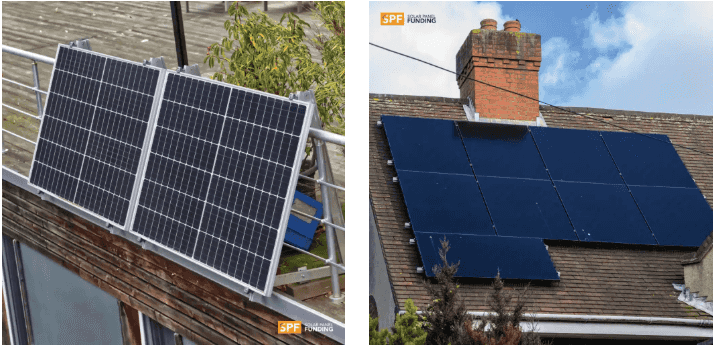
Choosing the best plug-in solar panels in the UK is important because it affects how much energy you can generate and how much you can save on electricity bills. Different systems are designed to suit different homes, spaces, and energy needs. Here are some common types of plug-in solar systems available in the UK.
Basic plug-and-play kits
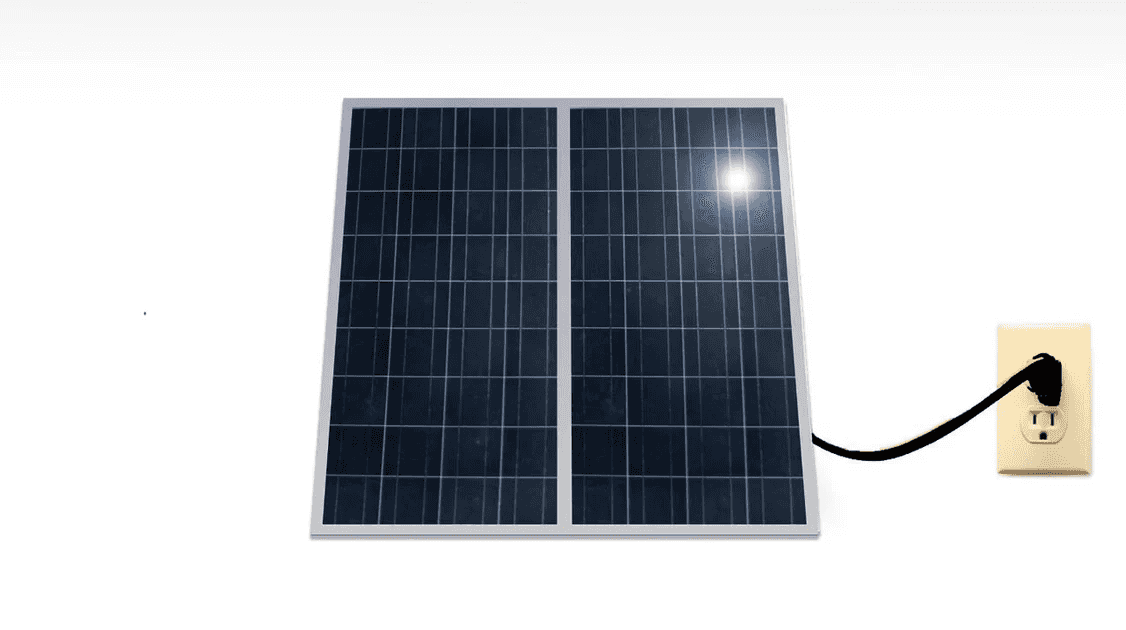
Basic plug-in solar systems are designed to provide a compact and efficient way to supplement household electricity use. Most systems include panels, connectors, and an inverter, and when professionally installed by a qualified electrician, they can safely support small appliances and everyday energy needs.
The best plug-in solar systems in the UK are ideal for homes or flats with limited space, providing a reliable and compliant solar solution without requiring major rooftop installations. Proper installation ensures that the system operates safely and efficiently, maximizing the potential for electricity savings while meeting all UK electrical standards.
Balcony or small-space solar setups
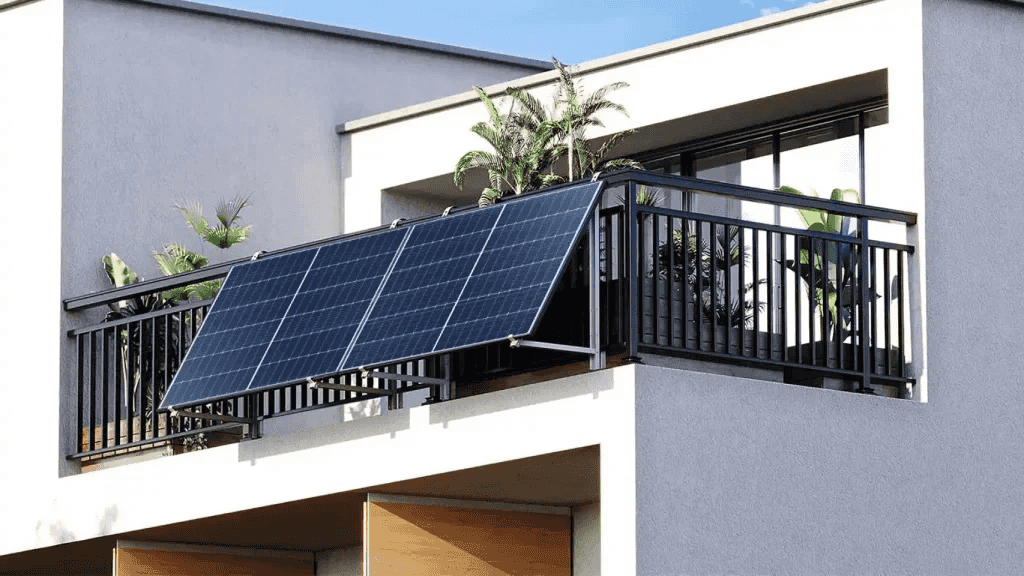
Balcony solar systems are compact kits made for flats or areas with limited space. They usually include 1–4 lightweight panels that can be mounted on railings or small surfaces. These setups generate enough energy to cover daytime household basics, such as running a fridge or lights.
Advanced systems with battery storage
Advanced plug-in solar systems include solar batteries to store extra energy for use later. Stored power can run appliances even when sunlight is low or at night. These systems are more flexible, help reduce energy costs over time, and are suitable for users who want a more complete solar solution.
How to choose the best plug-in solar panels for the home
To choose the best plug-in solar panels for homes, it is important to consider factors that affect energy production and savings. Understanding your energy needs and available space will help you pick the most suitable system. Here are key points to keep in mind when selecting the right plug-in solar panels.
Power output and system size
The amount of power a solar panel can generate is crucial for meeting your household's needs. Larger panels or multiple units produce more electricity, helping reduce your energy bills faster. Choosing the right size ensures your system matches your daily energy consumption.
Microinverter quality and efficiency
A good microinverter converts sunlight into usable electricity efficiently, improving overall system performance. High-quality inverters minimize energy loss and allow your panels to work better even in cloudy conditions. Investing in a reliable inverter can increase long-term savings.
Build quality and durability
Panels made with sturdy materials last longer and withstand weather changes without losing efficiency. Durable frames and strong glass protect the system from rain, wind, and minor impacts. A well-built panel ensures consistent performance over several years.
Ease of setup and flexibility
Solar systems that are easy to install save time and reduce extra costs for professional help. Flexible designs enable you to place panels in different areas to capture maximum sunlight. Simple, adaptable setups are ideal for renters or homes with limited roof space.
Common mistakes when choosing plug-in solar panels
When selecting plug-in solar panels, it's easy to make choices that reduce efficiency or limit savings. Many users overlook important factors such as system size, placement, or quality of components. Here are some common mistakes to avoid when choosing the best plug-in solar panel kit in the UK.
Focusing only on price
Choosing panels based solely on low cost can lead to poor performance and a shorter lifespan. Cheaper options with lower plug-in solar panels in the UK may use low-quality materials or inefficient inverters, reducing energy output. Investing more up front often results in better long-term savings and reliability.
Ignoring UK compliance and safety
Selecting systems without checking UK safety standards can be risky for your home and appliances. Proper certifications ensure the panels and inverters meet electrical regulations and function safely. Ignoring compliance can lead to faults, damage, or even void insurance coverage.
Overestimating energy savings
Many users expect plug-in solar panels for homes to cover all their electricity needs, which is rarely realistic. These systems usually generate a limited amount of power, enough for small loads or partial usage. Understanding realistic savings helps set proper expectations and prevents disappointment.
Tips to get the best performance from your system
To get the most out of your best plug-in solar panels UK, proper setup and daily use are key. Small adjustments in placement, maintenance, and usage habits can significantly improve energy production. Here are some practical tips to ensure your system performs at its best.
Position panels for maximum sunlight
Placing plug-in solar panels for homes where they receive direct sunlight for most of the day ensures higher energy output. Avoid shading from trees, buildings, or other obstacles that can reduce efficiency. Proper positioning can make a significant difference in the amount of electricity generated.
Use electricity during daylight hours
Running appliances while the panels are producing energy maximizes the benefit of solar power. This reduces reliance on the grid and helps you save on electricity bills. Timing high-energy tasks like washing or charging devices during sunlight hours is especially effective.
Combine with energy-efficient appliances
Using appliances that consume less power enables the solar system to cover more of your energy needs. LED lights, efficient fridges, and smart devices reduce overall electricity use. Pairing energy-efficient equipment with your solar panels improves savings and overall system performance.
Conclusion
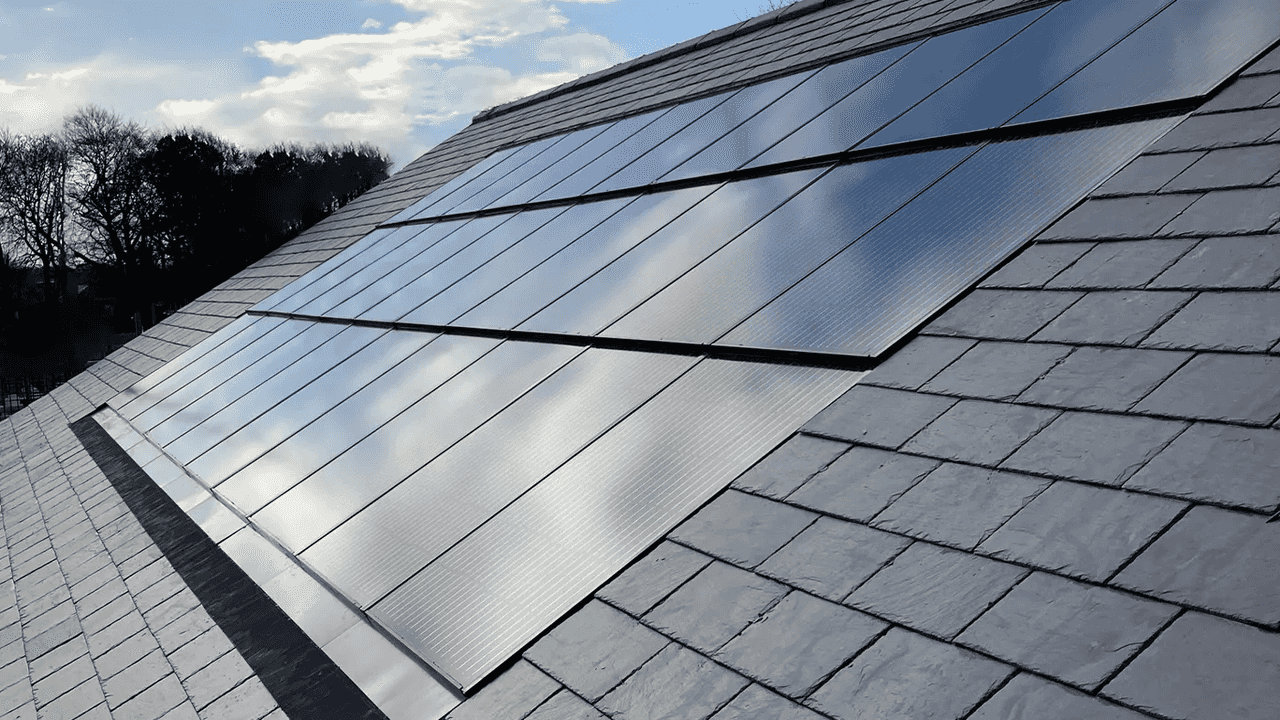
To summarize, choosing the best plug-in solar panels in the UK in 2026 is an effective way to reduce electricity bills and enjoy clean, home-generated energy. Focusing on panel capacity, inverter quality, durability, and ease of installation ensures your solar system performs optimally in any space. Using high-quality panels, reliable inverters, and optional battery storage keeps the system efficient and flexible, while proper placement and mindful daily usage help maximize savings and overall performance.
FAQs
Are plug-in solar panels any good?
Plug-in solar panels for the home are a convenient option for small-scale energy needs, such as charging batteries or running low-power devices. They are easy to set up and portable, making them ideal for temporary or mobile use. While not as powerful as full rooftop systems, they can supplement electricity effectively.
Which solar panel is best in the UK?
The best plug-in solar panels in the UK depend on efficiency, durability, and weather performance, with monocrystalline panels often recommended for their high efficiency in limited sunlight. Panels with strong warranties and corrosion-resistant frames are ideal for the UK climate. Proper installation ensures maximum energy output year-round.
Can I run my AC all day with solar panels?
Running an AC all day solely on solar panels can be challenging due to high energy consumption, variable sunlight, and battery limitations. Large-capacity solar setups combined with efficient AC units can help extend runtime during sunny periods. Energy storage solutions are essential for consistent operation.