Plug-in Solar Legality in the UK: What You Need to Know
- Is plug-in solar currently legal in the UK?
- What do current UK regulations say about plug-in solar?
- Is plug-in solar officially approved or still evolving?
- Are plug-in solar panels allowed for home use?
- What are the safety requirements for plug-in solar?
- What are the risks of using non-compliant plug-in solar systems?
- Why is the UK introducing plug-in solar panels?
- How much could plug-in solar panels save you?
- Who might plug-in solar be right for?
- Conclusion
- FAQs
Is plug-in solar legal in the UK? This is a question many homeowners are starting to ask as interest in small-scale renewable energy and residential solar systems continues to grow. With rising electricity costs and a greater focus on sustainable living, more people are exploring simple ways to generate their own power without complex installations. Plug-in solar panels, often regarded as a convenient entry point into solar systems, have gained attention due to their ease of use and flexibility. However, understanding their legal status, safety considerations, and practical applications is essential before making any decision.
Is plug-in solar currently legal in the UK?
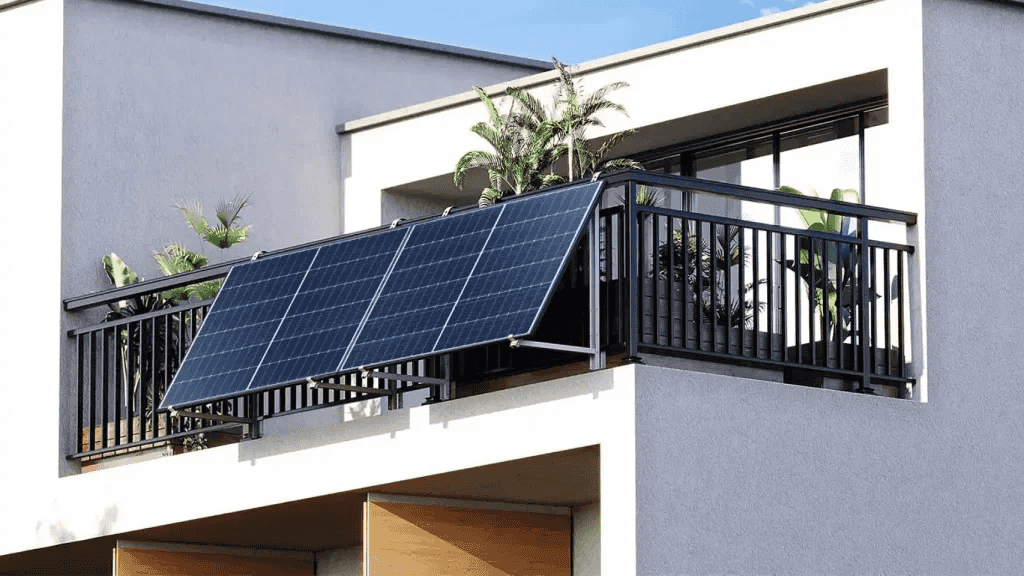
As of 2026, plug-in solar panels occupy a transitional legal position in the UK. Historically, these systems—often referred to as "plug-and-play" or balcony solar—were not permitted under existing electrical regulations, particularly due to safety concerns around connecting generation devices directly into standard household sockets.
However, the situation is rapidly evolving. The UK government has formally announced plans to legalize and introduce plug-in solar systems for households, aligning with broader energy security and sustainability goals. These changes are expected to allow small-scale systems (typically around 800W) similar to those already common across Europe. At present, full rollout depends on updated wiring standards and regulatory approvals, which are still being finalized. Until these frameworks are officially implemented, direct plug-in use remains restricted or requires professional sign-off.
What do current UK regulations say about plug-in solar?
Understanding whether plug-in solar is legal in the UK requires looking beyond simple approval or restriction. It involves a framework of electrical standards, grid permissions, and compliance rules that govern how energy systems connect to the network. Here are some current UK regulations for plug-in solar:
Role of G98 and G99 regulations
G98 and G99 are formal processes required when connecting any small-scale generation system to the UK electricity grid. G98 applies to lower-capacity setups, while G99 governs higher-output installations and involves a more detailed approval process. These frameworks ensure that new systems do not disrupt grid stability and must be coordinated with the local Distribution Network Operator (DNO).
BS 7671 wiring requirements
The BS 7671 standard, also known as the IET Wiring Regulations, defines how electrical systems must be safely installed in the UK. Under this framework, directly plugging a solar system into a standard socket has historically been prohibited due to safety risks. Any future approval of plug-in solar will still require strict adherence to these wiring rules to prevent hazards such as back-feeding electricity.
Certification and compliance standards
Beyond installation rules, all components must meet recognised certification benchmarks such as UKCA or CE marking. These standards verify that inverters and related equipment operate safely within UK electrical systems. In many cases, additional approvals or inspections may be necessary to ensure compliance, particularly for systems interacting with the national grid.
Is plug-in solar officially approved or still evolving?
Plug-in solar in the UK is currently best described as an emerging concept rather than a fully established solution. While there is growing institutional interest in enabling small-scale, user-friendly systems, the regulatory framework has not yet fully adapted to support widespread adoption. Authorities are actively reviewing standards to accommodate these technologies without compromising existing electrical infrastructure. This places plug-in solar in a transitional phase, where policy development is progressing alongside increasing public demand.
Are plug-in solar panels allowed for home use?
When addressing whether plug-in solar is legal in the UK, it's essential to separate general curiosity from regulatory reality. While interest in small-scale solar solutions is growing, current rules place clear limitations on how these systems can be used in residential settings.
Indoor vs outdoor use considerations
From a practical standpoint, indoor setups offer negligible efficiency due to limited light exposure, making them largely ineffective rather than restricted. Outdoor placements, however, introduce compliance considerations, particularly when systems are positioned on balconies or external structures. The focus here is not just placement, but whether the setup interacts with the property's electrical framework.
Plugging into standard sockets
Under existing UK electrical standards, connecting a solar device directly into a conventional socket is not approved for self-installation. These outlets are designed for consumption, not energy input, which raises concerns around circuit integrity and protection mechanisms. Any system feeding electricity into a home must follow formal connection procedures and approved installation methods.
Differences between temporary and permanent setups
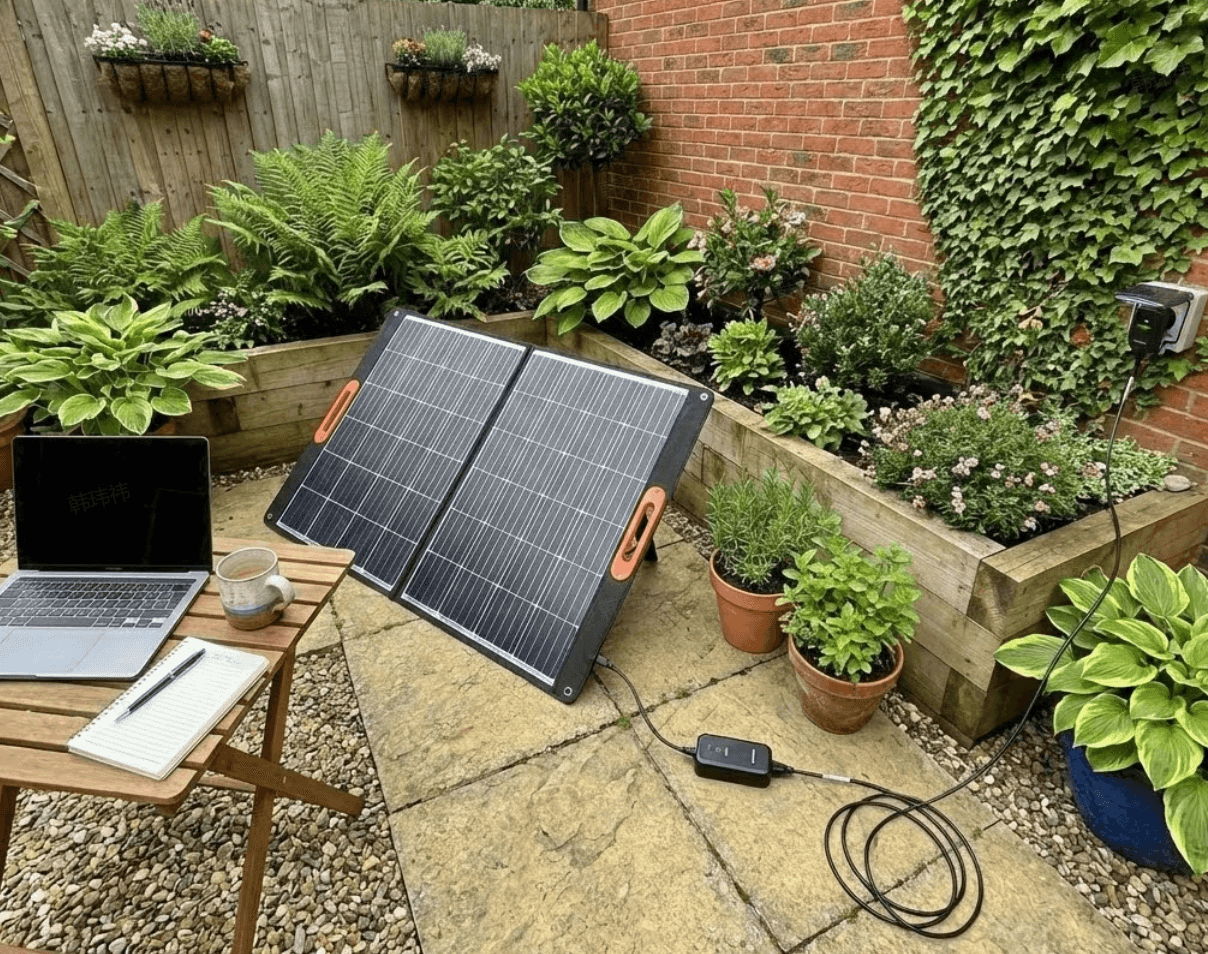
Portable solar units that operate independently, such as those used for charging devices, are generally treated differently from fixed systems. Once a setup becomes integrated into a property's electrical infrastructure, it falls under stricter regulatory oversight. The distinction lies in whether the system remains standalone or becomes part of the home's long-term energy configuration.
What are the safety requirements for plug-in solar?
When evaluating whether plug-in solar is legal in the UK, safety remains the central factor shaping regulatory decisions. Authorities prioritize protective measures to ensure that small-scale systems do not interfere with household circuits or the wider electricity network.
Anti-backfeed protection
A critical safeguard in any solar setup is preventing electricity from flowing in unintended directions. Anti-backfeed mechanisms ensure that excess energy does not travel back into the grid or internal wiring in an uncontrolled manner. This protection reduces the likelihood of hazards during maintenance or unexpected outages.
Grid compatibility requirements
Any system connected to a domestic supply must align with the technical standards of the national grid. This involves synchronizing voltage, frequency, and output behavior so that energy flows remain stable and predictable. Without this alignment, even small systems can create disturbances that affect overall network performance.
Importance of certified equipment
Using properly approved components is essential to ensure operational reliability and compliance with UK standards. Certified inverters and hardware are tested for performance under specific conditions, reducing the chances of malfunction. This also ensures that installations meet legal expectations and pass necessary inspections.
What are the risks of using non-compliant plug-in solar systems?
Before exploring adoption, it's worth understanding the downsides of operating outside approved frameworks. Systems that bypass established requirements can introduce complications that go far beyond basic functionality.
Electrical safety risks
Improperly configured systems can create unpredictable electrical behavior within a household circuit. Fluctuations in current or voltage may strain appliances and increase the likelihood of internal faults. Over time, this instability can compromise the overall reliability of a home's electrical environment. Using certified solutions from trusted brands can help mitigate these risks, as they are designed to align with established safety standards and ensure more stable performance.
Insurance and liability concerns
From a financial perspective, unapproved installations may affect how insurers assess risk. If an incident occurs, claims could be questioned or rejected due to non-compliant equipment being involved. This places homeowners in a vulnerable position where unexpected costs may not be recoverable.
Potential legal implications
Operating outside recognized guidelines can lead to regulatory complications with local authorities or energy providers. In certain cases, homeowners may be required to remove or modify the system to meet compliance expectations.
Why is the UK introducing plug-in solar panels?
The push toward plug-in solar reflects a broader shift in how energy is generated and consumed at the household level. Rather than relying solely on centralized systems, the UK is gradually exploring more flexible and user-accessible solutions.
Reduce reliance on fossil fuels
The transition toward decentralized solar solutions supports long-term environmental objectives by lowering dependence on carbon-intensive energy sources. Even small-scale contributions from households can collectively influence national consumption patterns. This gradual shift plays a role in reshaping how energy demand is met over time.
Improve energy security
By enabling individuals to produce a portion of their own electricity, the overall strain on national supply networks can be eased. This distributed approach reduces vulnerability to external disruptions, such as supply shortages or geopolitical instability. It introduces a more resilient structure where energy generation is less concentrated.
Lower household energy bills
Plug-in solar offers the potential to offset a fraction of daily electricity usage, particularly during daylight hours. This can lead to noticeable reductions in grid reliance, especially for routine consumption patterns. Over extended periods, even modest savings can accumulate into meaningful financial relief.
Support clean energy adoption
Simplifying access to solar technology encourages wider participation among households that may not consider traditional installations. By lowering entry barriers, more individuals can engage with renewable solutions practically. It helps accelerate the broader cultural shift toward sustainable energy practices.
How much could plug-in solar panels save you?
When exploring whether plug-in solar is legal in the UK, it's equally important to understand how savings are influenced by compliance and proper usage. Financial benefits are not just about generation capacity. They depend heavily on how responsibly the system is selected and handled.
Choose certified plug-in solar kits
Selecting properly certified kits ensures that the system operates within recognized safety and performance benchmarks. These products are engineered to deliver stable output, which helps maintain consistent energy contribution throughout the day. In the long run, reliable performance translates into more predictable reductions in electricity usage.
Follow installation guidelines
Adhering to recommended setup procedures plays a crucial role in achieving optimal efficiency. Even minor deviations in placement or connection can affect how effectively the system captures and utilizes sunlight. Careful alignment with official instructions helps maximize output while maintaining system integrity.
Seek professional advice when needed
Consulting a qualified expert can provide clarity on system suitability, especially for properties with unique electrical configurations. Professional insight helps identify limitations, avoid costly mistakes, and ensure that expectations around savings remain realistic.
Maximise your savings with a solar battery
Even with current regulations in mind, plug-in solar panels can help homeowners reduce electricity bills. For those looking to save even more, pairing a solar battery with solar panels allows excess energy to be stored and used when sunlight isn’t available. This combination maximises self-consumption, reduces reliance on the grid, and delivers greater long-term savings.
Who might plug-in solar be right for?
Plug-in solar is particularly suited for individuals seeking a low-commitment entry into renewable energy without undertaking major structural changes. It may appeal to renters, apartment dwellers, or those with limited space who want to experiment with small-scale energy generation. Additionally, users who prefer flexible and non-permanent solutions can find value in its adaptable nature. While it is not designed for complete energy independence, it serves as a practical option for those looking to gradually explore alternative energy approaches.
Conclusion
In 2026, the question of whether plug-in solar is legal in the UK remains nuanced, balancing emerging policy frameworks with strict safety standards. While full self-installation is still restricted, certified plug-in solar systems offer a glimpse of how households can gradually participate in renewable energy without major structural changes. Compliance with wiring regulations, grid compatibility, and certified equipment is essential to ensure both safety and effectiveness. As the legal landscape evolves, these small-scale systems could provide practical energy savings, reduce dependence on fossil fuels, and encourage wider adoption of clean technology across the UK.
FAQs
How will the new plug-in solar panels work?
Plug-in solar panels convert sunlight into electricity that can be fed directly into your home's electrical system via a standard socket. They operate with integrated inverters to manage voltage safely, allowing energy to be used instantly by connected devices. While compact, these systems rely on correct placement to capture optimal sunlight. Their design prioritizes ease of use, making them accessible without complex installation procedures.
Where is plug-in solar legal?
Currently, plug-in solar panels are subject to strict regulatory oversight in the UK. Installation without professional authorization is generally prohibited, as compliance with safety and grid connection standards is mandatory. Only certified systems approved by governing bodies can be used legally, ensuring that electricity generation does not pose risks to users or the wider network. Regulations are evolving, so prospective users must stay informed about approved setups.
Is it worth having a battery with solar panels?
Adding a battery to your solar setup provides storage for excess electricity, allowing you to use energy even when sunlight is unavailable. This can improve energy independence, reduce reliance on the grid, and optimize cost savings over time. While batteries increase upfront investment, the long-term benefits in efficiency and flexibility often justify the expense. Choosing the right battery depends on consumption patterns and storage capacity needs.