Plug-In Solar Panels Explained: What You Need to Know
- What are plug-in solar panels, and how do they work?
- Are plug-in solar panels legal and safe in the UK?
- Plug-in solar panels vs traditional rooftop solar
- What is included in a plug-in solar kit?
- Benefits and limitations of plug-in solar panels
- Who are plug-in solar panels best suited for?
- How to improve plug-in solar performance
- Conclusion
- FAQs
Plug-in solar panels are changing how people think about home energy. Instead of complex installations, these compact systems make it easier to build a small-scale solar system right from a standard outlet. Whether you're looking to reduce electricity bills or explore cleaner energy options, understanding how plug-in solar panels work is the first step toward a smarter, more flexible power setup.
What are plug-in solar panels, and how do they work?
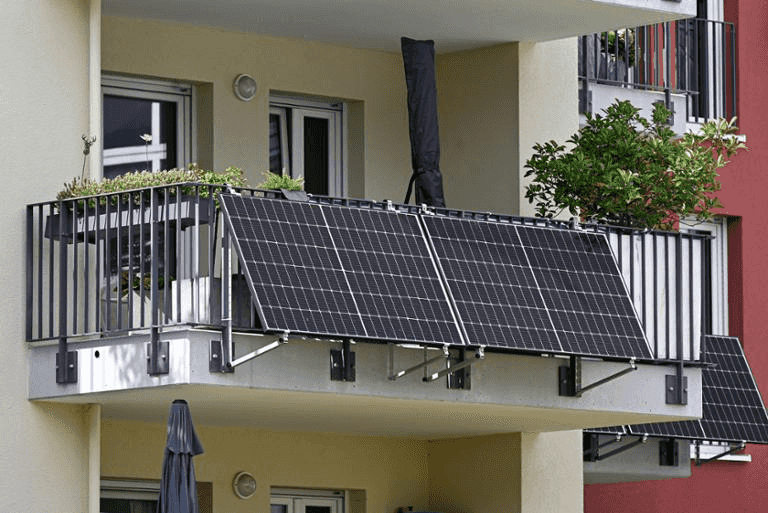
Plug-in solar panels are compact solar systems designed for homes, flats, and spaces with limited roof access. They include panels and a small inverter that converts sunlight into electricity for household use. To ensure compliance with UK electrical regulations, these systems must be installed by a qualified electrician, who will set up the system safely and connect it to your home's wiring.
When professionally installed, the panels capture sunlight and convert it into electricity that can supplement your household energy needs. This setup can support small appliances such as fridges, TVs, or other everyday devices, helping to reduce reliance on grid electricity and lower monthly energy costs.
By following proper installation procedures, plug-in solar systems operate safely and efficiently, providing a reliable and compliant way to generate solar energy at home while maximising savings and environmental benefits.
Are plug-in solar panels legal and safe in the UK?
Plug-in solar panels are not yet fully standardised for widespread household use in the UK, but this is expected to change soon. In 2026, the UK government announced plans to introduce plug-in solar systems as part of its wider energy security strategy. These systems are intended to make it easier for households to generate their own electricity using simple plug-and-play setups. However, the exact implementation date has not yet been confirmed, as regulators continue updating safety rules and electrical standards.
According to the official announcement, plug-in solar technology will be introduced alongside new technical guidance to ensure safe use in homes. You can review the full government update here: Government to go further and faster in becoming energy secure.
As regulations develop, safety and compliance remain essential. Systems must be designed to prevent overloading household wiring and to ensure safe interaction with the grid. Many solar setups rely on inverters with anti-islanding protection, a safety feature that automatically shuts down power during outages to protect engineers working on the network.
In addition, homeowners may still need to notify their local grid operator, and all equipment should meet recognised safety certifications such as UKCA or CE markings. As the UK moves toward officially enabling plug-in solar systems, these measures help ensure installations remain safe, compliant, and reliable for everyday household use.
Plug-in solar panels vs traditional rooftop solar
The main differences between plug-in solar panels and traditional rooftop systems are scale and installation requirements. Traditional rooftop solar is typically an integrated system, often ranging from 4 kW to 6 kW, hardwired into the home's consumer unit. It requires professional installation, MCS certification, and a significant capital investment, but it provides the highest potential energy output for households with substantial electricity needs.
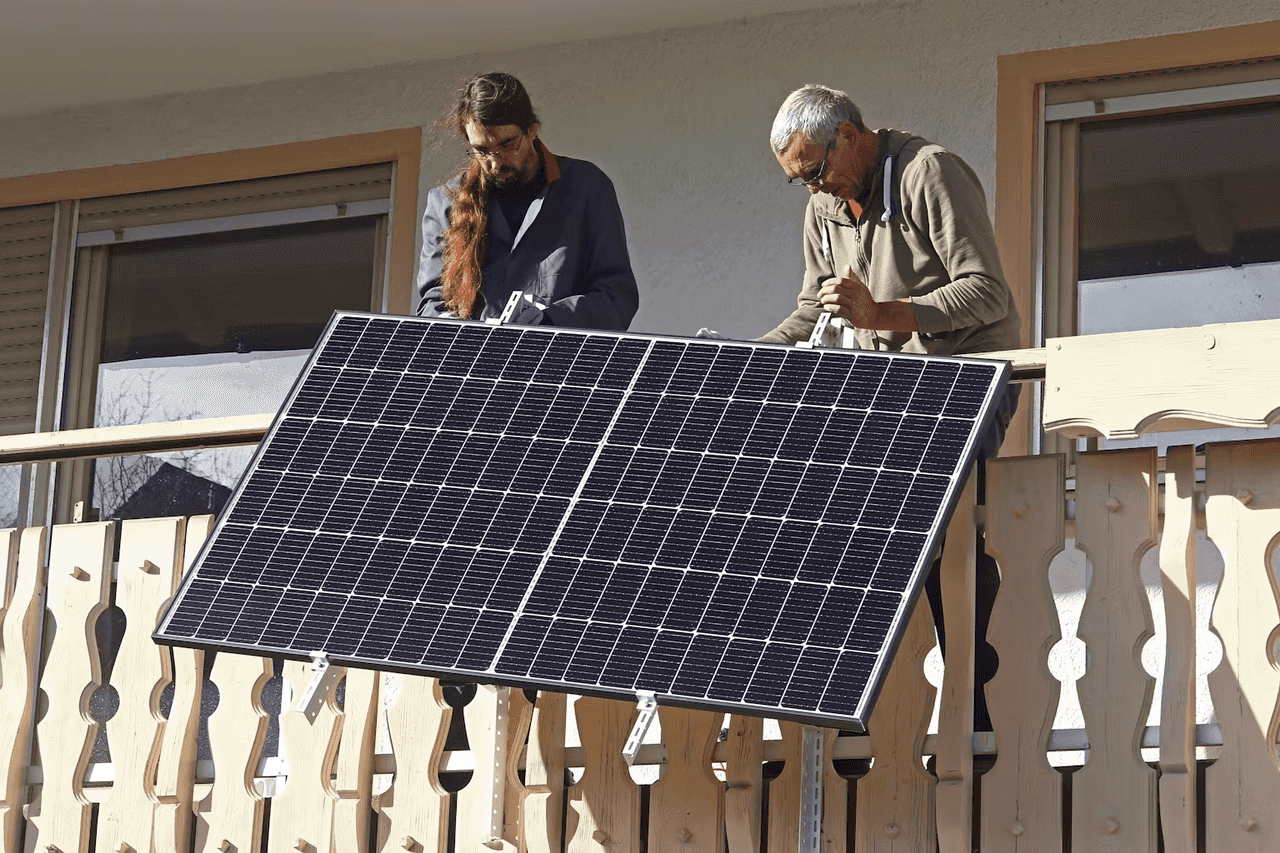
In contrast, plug-in solar systems in the UK are smaller, generally limited to 800 W, and are intended as a supplementary energy source. These systems must be professionally installed by a qualified electrician to ensure safe integration with household circuits and compliance with UK electrical standards. While they do not match the raw output of a full rooftop array, professionally installed plug-in systems provide a practical solution for flats or homes with limited roof space, helping to reduce electricity costs and support cleaner energy use.
What is included in a plug-in solar kit?
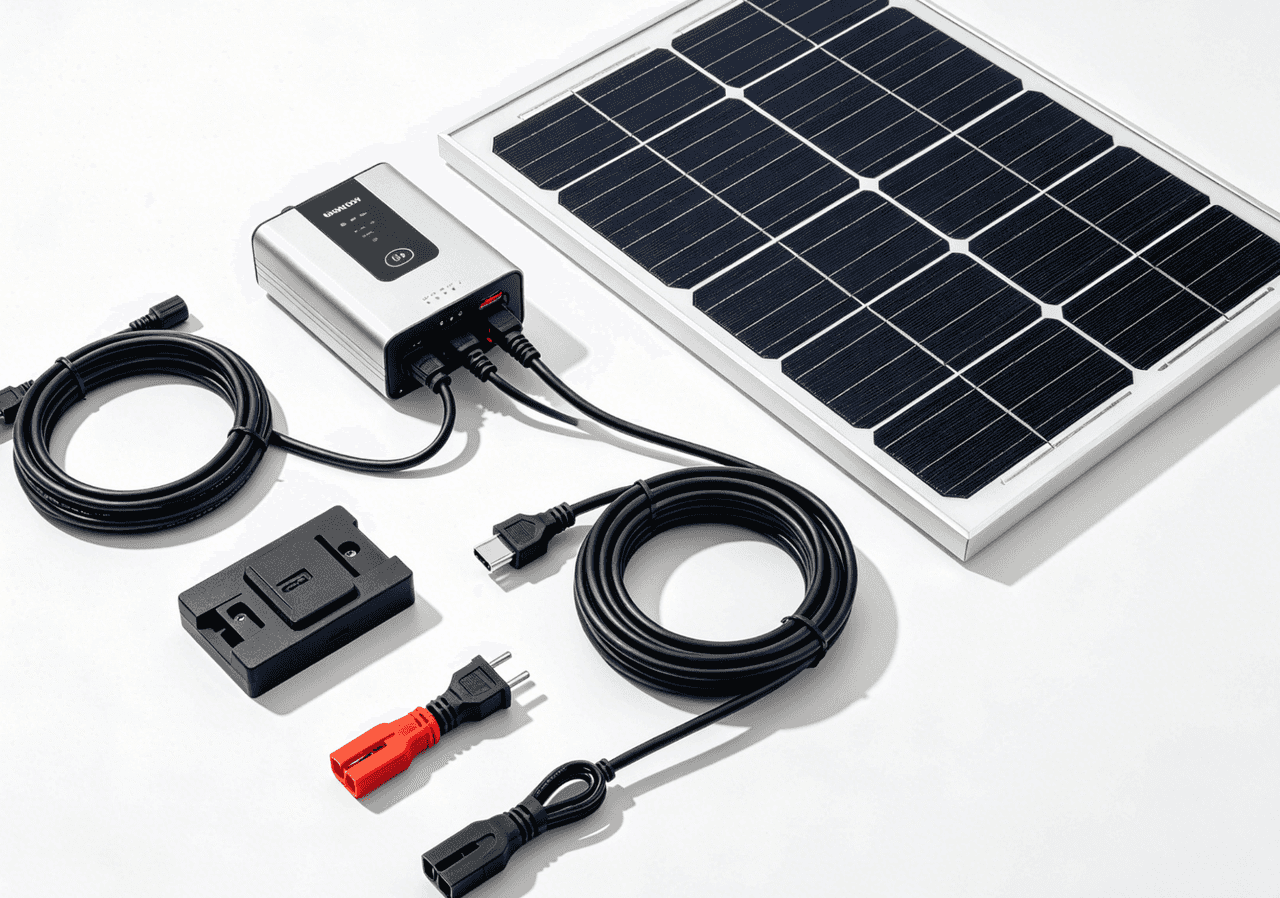
A typical plug-in solar system includes solar panels, connectors, a micro-inverter, and a battery. When professionally installed, these components work together to capture sunlight, convert it into usable electricity, and store energy for household use. This setup provides a reliable and safe way to reduce reliance on grid electricity and lower energy costs.
Solar panels
The core of the kit consists of high-efficiency monocrystalline panels. These are typically lightweight and weather-resistant. So, it is designed to capture maximum sunlight even in the UK's overcast conditions. Most kits provide between one and two panels to stay within the 800W safety limit.
Microinverter
This small, intelligent box is the "brain" of the system. It sits behind the panels and instantly converts raw solar energy into 230V AC power for your home. These high-quality inverters include safety features that automatically shut off power during a grid outage.
Mounting system
Every plug-in solar panel system includes a versatile mounting frame to securely hold the panels. Whether they are installed on a balcony railing, a flat roof, or a garden fence, these systems must be professionally installed by a qualified electrician to ensure safety and compliance with UK electrical regulations. Proper installation guarantees that the panels are securely mounted and operate efficiently while providing a reliable way to supplement household energy use.
Plug and connection cable
This is the final link that makes the system "plug-in." You receive a long, heavy-duty weather-rated cable that connects the inverter directly to a standard UK three-pin socket. It is designed for constant outdoor use and ensures a secure, stable electrical connection.
Benefits and limitations of plug-in solar panels
Plug-in solar provides a flexible entry point into renewable energy without the heavy commitments of traditional setups. It is designed to empower renters and flat-dwellers to cut costs. Well, understanding the balance between its high convenience and lower power output is essential for success. Here are the benefits and limitations of a plug-in solar kit.
Lower upfront cost
These plug-in solar kits UK remove the massive financial barrier of traditional solar. By skipping professional scaffolding and complex wiring, you save thousands in labor. It is a budget-friendly way to start generating free power with a relatively one-time investment in hardware.
Easy installation and portability
Plug-in solar systems feature a modular design that makes them highly versatile and easy to position. They can be set up on balconies, flat roofs, or garden spaces, and can be relocated if you move home. This flexibility makes them an ideal energy solution for renters, flats, or households that need a portable, adaptable solar setup.
Immediate reduction in electricity usage
You can start saving the moment you plug the system into your socket. When you power background appliances like your fridge or router. So, you instantly pull less from the grid. It is a visible way to shave money off your monthly UK energy bills.
Limited output compared to rooftop systems
With a typical 800W cap, these systems cannot power an entire house during peak times. They are designed as a supplement rather than total independence. However, you will still depend on the grid for heavy appliances like electric ovens or power showers.
Not suitable for all properties
Success depends entirely on having a sunny, unshaded spot like a south-facing balcony or patio. If your flat is north-facing or blocked by tall buildings, the panels won't generate enough energy to justify the cost. However, the shading is the biggest performance killer.
Who are plug-in solar panels best suited for?
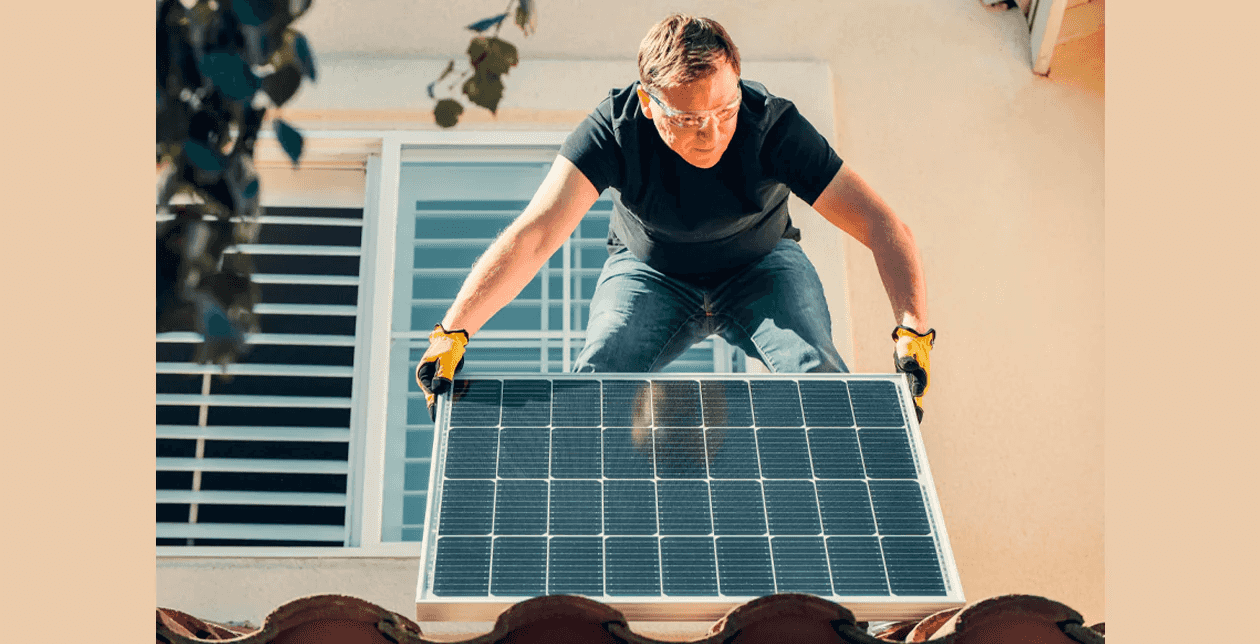
Generally, plug-in solar is designed for those who want the benefits of renewable energy. It is a flexible, modern solution that opens up green power to millions of people. Here is a detailed overview of the scenario where the solar panel is suited.
Renters and flat owners
This technology is a game-changer for those without roof ownership. Since the plug-in solar panel systems are non-permanent and portable, you can install them on a balcony or patio and take them with you when you move. It is the first truly "tenant-friendly" solar solution in the UK.
Homes without suitable roofs
In 2026, many properties have roofs that are too small, heavily shaded, and structurally unsuitable for heavy panels. The design of plug-in kits enables you to utilize sun-drenched gardens, sturdy fences, or shed roofs instead. They turn unused ground-level space into a productive source of clean, "free" electricity.
Users looking for a low-cost solar entry
Usually, traditional solar energy requires thousands of upfront costs and professional labor. These plug-in kits provide a low-barrier entry point, and often cost between £400 and £800. It is the perfect choice for anyone wanting to test solar technology. You can see immediate bill reductions without a massive financial commitment.
To further enhance energy independence and maximize the value of your system, these setups can also be paired with a solar battery. This allows you to store excess energy generated during the day for later use, improving efficiency and reducing reliance on the grid even further.
How to improve plug-in solar performance
You can easily maximize your solar return, which is more than just hardware. It is about aligning your home with the sun's natural rhythm. By making small technical and behavioral shifts, you can significantly increase the "free" energy your UK household consumes. Here is the detailed explanation of how to improve solar performance.
Positioning panels correctly
For the best results in the UK, your panels should face south. An angle between 30 and 40 degrees is usually the sweet spot. This positioning ensures they catch the most direct sunlight throughout the day. It significantly boosts the total energy generated for your home.
Avoiding shading
Even a tiny bit of shade from a tree or chimney can slash your output. Shading on just one corner can sometimes shut down an entire panel's production. Ensure your chosen spot is completely clear of obstructions, especially during the peak hours between 10 a.m. and 4 p.m.
Using energy during daylight hours
Plug in a solar panel system to power your home in real-time. You should time your heavy chores for midday when the sun is strongest. You can run your washing machine or dishwasher during these hours. This ensures you use your own "free" electricity. It prevents you from buying expensive power from the grid.
Using integrated solar kits for higher efficiency
High-quality kits with built-in micro-inverters are much more reliable. They manage power at the individual panel level. This means if one panel is slightly dirty, the others still work at full capacity. It is a smarter way to ensure you get a consistent energy flow.
Adding battery storage to reduce energy waste
Small, portable batteries can store any extra energy you don't use during the day. You can then use this power for evening lights or charging your phone. This stops your "extra" solar power from leaking back to the grid. It helps you save even more money.
Conclusion
To sum up, plug-in solar panels are a great way for UK residents to control their energy costs. These simple kits provide a high-quality alternative for anyone who cannot install a traditional rooftop array. You can achieve a steady reduction in your monthly bills. It is the perfect entry point if you want to test green technology without a long-term commitment.
FAQs
Do plug-in solar panels work?
Yes, plug-in solar panels do work, but their performance depends on panel capacity, sunlight availability, and proper system setup. These compact solar systems capture sunlight and convert it into electricity, which can supplement household energy needs.
In the UK, plug-in solar panels are typically smaller than full rooftop installations, often limited to around 800 W. While they do not replace the main electricity supply, they can help reduce electricity bills, power small appliances, and support a more sustainable energy usage pattern. Proper placement in a sunny spot ensures they generate energy efficiently throughout the day.
Is plug-in solar worth it?
For most UK households in 2026, yes, these are worth buying. These kits typically cost between £400 and £600. You can save roughly £100 a year on your electricity bills. This means the system pays for itself in about five years. Since panels last for over 20 years, you get over a decade of free power. It is especially worth it for renters who want a low-risk energy investment.
Is plug-in solar legal?
Yes, plug-in solar panels are legal in the UK. In 2026, the government plans to introduce new rules to allow wider adoption of these systems, although the exact rollout date has not yet been confirmed. You can read the official announcement here: Government to go further and faster in becoming energy secure.
Under current regulations, plug-in solar systems must be installed by a qualified electrician to ensure safety and compliance. To remain within legal limits, your system should generally be 800 W or less, use a G98-compliant inverter, and you must notify your local grid operator within 28 days of installation. Following these rules ensures that your system operates safely and within UK law while helping reduce electricity costs.