Summer Flooding in Canada: Power and Safety Preparation
- What Causes Summer Flooding in Canada?
- How Does Flooding Lead to Power Outages and Electrical Hazards?
- How Should You Prepare Your Home Before a Flood?
- What Electrical Safety Steps Should You Take During a Flood?
- How Do You Safely Restore Power After a Flood?
- How Does Backup Power Help During Summer Flooding?
- Frequently Asked Questions
- Reliable Backup Power Keeps Canadian Households Safe Through Summer Flooding
Summer flooding in Canada peaks between June and September. It's typically driven by extreme thunderstorms or short-but-intense downpours.
Flooding in Canada often knocks out home electrical, water, and gas service at the same time. Knowing how to prepare, respond, and safely ride out the blackout until power is restored protects your household, the people in it, and the utility crews working to get service back on.
What Causes Summer Flooding in Canada?
The warmer summer air holds more moisture, which leads to heavier rainfall and more intense storms. Rain can fall in short, intense bursts that increase the likelihood of a flash flood, especially in urban areas due to overwhelmed storm sewers and drainage systems.
Riverine flooding is common in cities along rivers and lakes, but it can also stem from ice jams, snowmelt runoff, dam failures, and coastal storms.
Severe storms and flash floods across Ontario caused over $340 million in insured damage over the summer of 2023, showing how quickly outdated stormwater infrastructure can be overwhelmed.
How Does Flooding Lead to Power Outages and Electrical Hazards?
Flooding can submerge underground equipment or damage above-ground infrastructure, causing a loss of power. If you live in a coastal region, the storm surge adds an extra layer of risk because it pushes seawater into low-lying streets and threatens above-ground poles and service lines.
Any outlet, breaker, or appliance still energized in a flooded area can deliver a shock, even if street-level power looks like it's out.
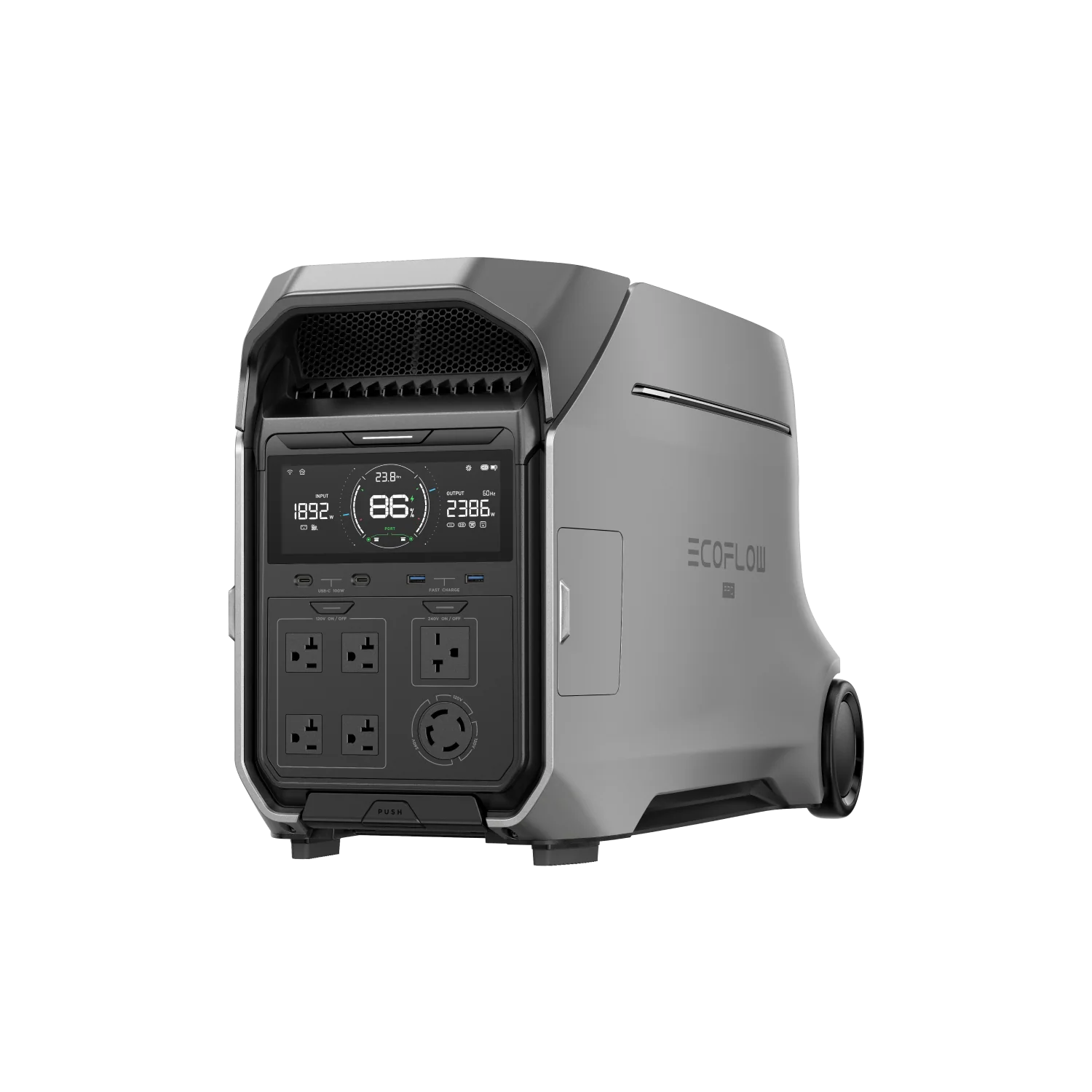
This means crews often can't inspect or repair flood-damaged equipment until the water fully recedes, which is why flood-related outages tend to run longer than typical storm outages. Having a charged backup power source, like the EcoFlow DELTA Pro 3 Portable Power Station, on hand means your household isn't left without essentials while you wait for repairs.

How Should You Prepare Your Home Before a Flood?
Your household readiness hinges on an emergency plan and a stocked kit — keeping water out of your home, and keeping people and belongings safe if water gets in.
Building an Emergency Kit
Your emergency kit should be stocked with essential items, including important family documents, such as insurance, passports, licences, health cards, and wills. You also need health and safety supplies, like food, water, and medication for each person for at least 72 hours.
You should also include a portable power source in your kit alongside flashlights and extra batteries. A unit like the EcoFlow DELTA Pro 3 can keep your radios, phones, and medical devices charged if an outage lasts longer than your battery-powered gear.
Keep this kit stocked and accessible so you can grab it quickly if you need to evacuate.
Sandbagging and Water Diversion
If using sandbags to divert water away from your home, plan their placement in advance so you know how many you'll need and how much effort the wall will take.
Your goal is to build a wall that is two or three times as wide as it is tall and divert water away from doors, foundations, and window wells.
What Electrical Safety Steps Should You Take During a Flood?
One rule matters most for electrical safety: never assume a system is de-energized just because the visible power is out.
Shutting Off Power Safely
If a severe thunderstorm warning is issued in your area, use it as a window to act before water rises.
Disconnect your power by making sure the main switch near your electrical panel is off before evacuating. Never enter a basement if water is above the electrical outlets, baseboard heater, or electrical panel. Wait until the local utility has disconnected power first.
Generator Placement and Carbon Monoxide Risks
Never use a traditional generator indoors or in enclosed spaces, since it produces poisonous carbon monoxide gas. Only place it in a dry and well-ventilated area outside.
How Do You Safely Restore Power After a Flood?
Wait to reenter your home until local authorities confirm it's safe, and consider having a licensed electrician inspect your system before reconnection.
If floodwater submerged your breaker switches or outlets, you'll typically need to replace them rather than dry them out because corrosion isn't always visible.
How Does Backup Power Help During Summer Flooding?
A charged power station or a whole home generator keeps your essentials, like a sump pump, fridge, and phone chargers, running if crews need a few days to restore service. Battery-based backup avoids fuel storage, exhaust, and carbon monoxide concerns since there's no engine or fumes.
Frequently Asked Questions
Is It Safe to Enter a Flooded Basement?
It's not safe if water still covers the electrical outlets, baseboard heaters, or the panel. Additionally, if there is standing water, even without visible sparking, it can carry a current if the wiring or appliance below the surface is still alive. Treat the water as energized and wait for local authorities to declare the space safe before you enter.
Should You Turn Off Your Main Power Before a Flood?
Yes, if you can reach the main switch without stepping into the water or wet floor, you should turn off the main power. If it's not safe to access, call the utility to disconnect the power at the meter instead. Acting early reduces the risk of shock once floodwater reaches your electrical system.
Can You Run a Generator During a Flood?
Yes, but traditional generators must be run outdoors and away from windows, doors, and vents, since the exhaust produces carbon monoxide. A battery or solar-powered generator is safe to run indoors because it does not use fuel or create toxic fumes, making it a practical backup option during a flood.
How Long Do Power Outages Last After Summer Flooding in Canada?
A power outage's duration depends on the scale of the storm and the severity of the flooding. Localized events might knock power out for hours, though widespread damage can take days to restore, especially if crews must wait for floodwater to recede before starting repairs.
Reliable Backup Power Keeps Canadian Households Safe Through Summer Flooding
Summer flooding in Canada puts your power at risk, but building an emergency kit, knowing how to confidently shut off the power safely, and understanding when it's safe to return and restore power will keep you safe in the highest risk moments, before, during, and after a flood.
Use a backup power source like the EcoFlow DELTA Pro 3 for an added layer of resilience for the outages that come with a flood-heavy summer.