Storm Surge Warning: What You Need to Do Before Evacuation
- What Is a Storm Surge Warning and Why Does It Matter?
- Storm Surge Warning: Know When to Take Action
- What to Do Immediately After a Storm Surge Warning Is Issued
- Storm Surge Evacuation Checklist: What to Pack Before Leaving
- What NOT to Do During a Storm Surge Evacuation
- How to Stay Safe After Evacuating During a Storm Surge
- Conclusion
- FAQ
Coastal emergencies leave absolutely no room for hesitation. When intense marine storms press into Canada’s coastlines, the ocean can breach local land barriers in a matter of hours. A major storm surge stands out as a top-tier physical threat, capable of drowning vital exit roads, wrecking maritime infrastructure, and trapping families who delay their departure. This tactical guide breaks down exactly how to manage an active surge warning, navigate Environment Canada alerts, and execute an organized evacuation plan. Prioritizing these steps protects your household and secures your property against the volatile, freezing elements of Canadian coastal weather.
What Is a Storm Surge Warning and Why Does It Matter?
Safety hinges on respecting the pure physics of a marine weather system. Local emergency agencies don’t trigger these emergency alerts lightly; they issue them only when a life-threatening rise in ocean water threatens populated shores.
Storm Surge vs. Regular Coastal Flooding: What’s the Difference?
Standard coastal flooding typically follows predictable tide tables, or creeps up slowly over a long afternoon of downpours. A storm surge breaks that rhythm completely. Extreme atmospheric pressure drops combine with gale-force winds to physically scoop up massive ocean volumes and throw them landward. The result is a sudden, fast-moving wall of water that stacks on top of normal high tide lines, drowning escape routes and lower properties in minutes.
Why Storm Surge Can Be Dangerous for Canadian Coastal Communities
The actual operational risks look totally different depending on whether you are navigating the rocky bluffs of Nova Scotia or the flat river estuaries of British Columbia. Our northern maritime climate introduces a brutal physical complication. A Canadian surge rarely brings just water; it pushes heavy logs, ocean debris, and freezing winter tides and heavy coastal drift logs directly into building foundations. This crushing weight triggers immediate structural failure while introducing a rapid hypothermia hazard that shrinks the window for emergency rescue. Maintaining access to a reliable backup solar generator can help support essential systems during these immediate infrastructure failures.
Storm Surge Warning: Know When to Take Action
Tracking Environment Canada alerts and updates accurately gives you the necessary lead time to secure your family before municipal infrastructure fails. Understanding how to prepare for power outages during Canada weather warnings helps ensure your household remains safe and functional during grid disruptions.
What Does a Storm Surge Warning Mean?
A Storm Surge Warning is issued by Environment and Climate Change Canada when significant wind-forced flooding is expected along low-lying coastal areas. These hazardous conditions can develop rapidly in coastal sectors exposed to strong onshore winds and high water levels. If your property sits in a low-elevation zone, you should follow official evacuation instructions without delay.
How Much Time Do You Have to Prepare Before Evacuation?
Public Safety Canada notes that storm surge and coastal flooding hazards can develop quickly and may leave limited time to respond. In some coastal areas, transportation routes may become affected as conditions develop, which can reduce available time for evacuation. Waiting for a formal, mandatory evacuation order may result in loss of access to primary exit routes.


What to Do Immediately After a Storm Surge Warning Is Issued
The following guidance is based on official Canadian emergency preparedness recommendations from the Government of Canada and summarizes key actions before, during, and after a storm surge evacuation:
1. Check Official Emergency Alerts and Evacuation Orders
Keep the WeatherCAN app active or monitor local provincial emergency radio frequencies. Stick strictly to officially designated evacuation corridors, because unmarked shortcuts often run straight through flooded low points.
2. Prepare to Leave: Create a Storm Surge Evacuation Plan
Plot a path that cuts directly inland, avoiding any coastal loops prone to structural washouts. Establish an immediate communication check-in with your household, ensure your portable power station is included in your evacuation supplies, and choose a specific assembly location situated well above maritime flood risks.
3. Secure Your Home Before Evacuation
Clear the yard and garage of any loose items like patio furniture, propane tanks, or trash bins. High winds easily turn these into dangerous projectiles. If the clock permits, shut off the main water valve to minimize potential water damage, then move high-value electronics to an upper floor. However, avoid attempting to shut off utilities or handling electrical equipment if flooding or standing water is present, as water may increase the risk of electric shock.
4. Prepare for Power Outages Before Leaving
A major surge across Atlantic Canada or coastal BC brings more than water damage. The mix of high winds and salt water quickly downs utility lines and blows transformers, triggering widespread blackouts that frequently last for days. Securing a reliable independent power source before you leave helps maintain baseline home security and monitoring systems, supporting resilient home energy during Canadian storms.
Reliable off-grid electricity minimizes the chaotic impact on the Canadian coastal household during a severe weather emergency. Traditional internal combustion generators present clear operational liabilities in these scenarios. They demand a dry outdoor footprint, require constant refueling in a storm, and rely on volatile fuel storage that becomes a distinct safety hazard. Portable battery architectures solve these friction points by operating cleanly and silently right inside the home. The EcoFlow DELTA Pro Ultra Whole-Home Backup Power is built precisely for these multi-day grid failures, delivering a high continuous output capable of sustaining demanding residential electrical loops. It handles the initial surge currents of high draw appliances smoothly, keeping full sized refrigerators cooling, deep well pumps cycling, and Wi-Fi routers online so you maintain remote visibility over your property during an evacuation.
Storm Surge Evacuation Checklist: What to Pack Before Leaving
Scrambling under logistical pressure leads to leaving critical items behind. Keeping a pre-assembled go-bag ready ensures your household stays self-sufficient for a minimum of 72 hours, in line with Canadian emergency preparedness guidance.
Emergency Kit Essentials
Your mobile go-bag needs to carry enough foundational provisions to keep your household entirely self sufficient for a minimum of three days on the move:
Basic supplies: Pack freeze dried or canned rations, two liters of water per person daily, a comprehensive trauma first aid kit, weather rated layers, and heavy duty, waterproof boots.
Important documents: Keep original deeds, insurance policies, passports, and medical IDs sealed inside a heavy, floating dry-bag to prevent water damage.
Electronics: Store your smartphones, rugged charging cables, a hand-crank emergency radio, and an independent mobile power bank.
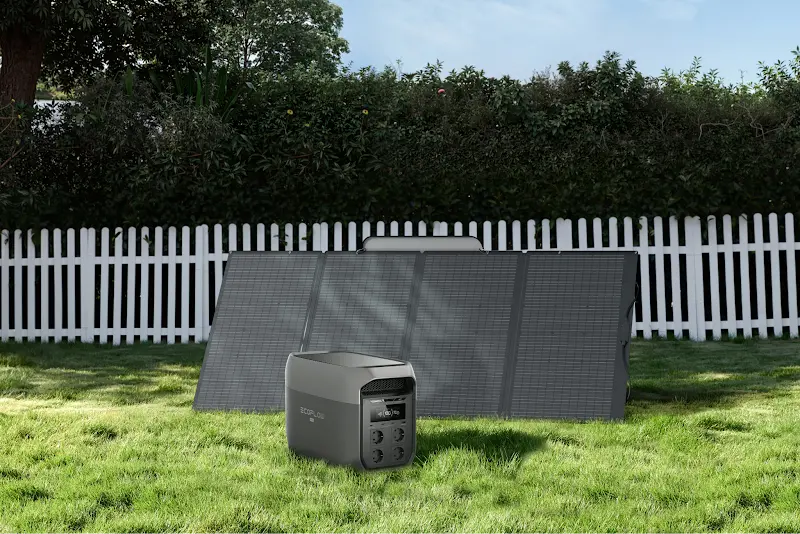
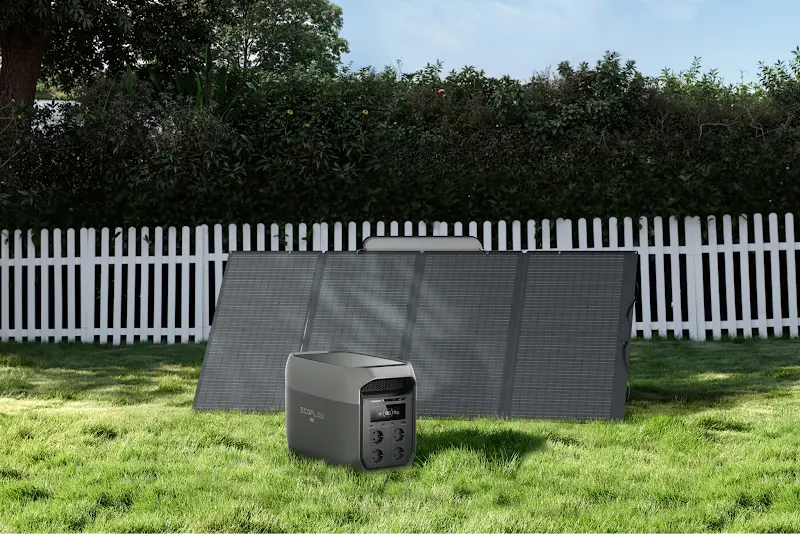
Standard packing lists usually stop at food and documents, but maintaining a secure power supply on the road is just as critical. Widespread saltwater flooding routinely wreaks havoc on municipal charging stations and local utility poles, leaving families completely cut off from emergency communication. Stashing a highly mobile energy setup like the EcoFlow DELTA 3 Max (2048Wh) + 400W Solar Panel into your vehicle baseline resolves this issue. The battery unit supplies plenty of mobile power to run laptops, phones, and emergency lights during transit. Once the main storm front passes over, plugging in the solar panel allows you to harvest free energy anywhere, keeping your navigation tools online and your link to rescue channels completely live.
Special Items for Canadian Weather Conditions
The Canadian maritime climate can drop to near-freezing temperatures instantly behind a major storm front. Pack heavy thermal blankets, rated winter layers, and chemical hand warmers, as unpowered indoor spaces turn dangerously cold within hours.
What NOT to Do During a Storm Surge Evacuation
Surviving a coastal flood means avoiding critical errors just as much as checking off your preparation list. Steer clear of these high risk mistakes when a warning goes live:
Never attempt to drive or wade across flooded marine roadways. A minimal depth of fast flowing saltwater can float an SUV or slide a truck off the road. Worse, standing water completely hides washed out asphalt, deep sinkholes, or missing culverts underneath.
Do not stall when an evacuation order drops. Hesitating until the last minute forces emergency crews to risk their lives on high risk boat rescues, and it risks trapping your household behind flooded chokepoints.
Stay clear of any downed utility lines. Saltwater conducts electricity with extreme efficiency. Puddles or standing water near fallen lines quickly turn into a lethal, invisible zone.
How to Stay Safe After Evacuating During a Storm Surge
Surviving the initial landfall does not mean you are out of the woods. Managing the post-surge environment requires a calculated approach, as the receding water leaves behind a totally altered landscape riddled with hidden risks.
When Is It Safe to Return Home?
Hold your position until municipal or provincial emergency services issue an official all-clear for your sector. Civil engineers and utility personnel must finish assessing undermined roadbeds, testing unstable bridges, and isolating severed high voltage infrastructure before neighborhoods can safely absorb civilian traffic.
What to Check Before Entering Your Home Again
Conduct a slow, methodical 360-degree walk around the exterior of your property before crossing the threshold. Look for telltale warning signs like localized foundation shifting, bowing walls, sagging roof lines, or compromised service masts. Step back immediately and contact emergency crews if you detect the odor of natural gas, notice shifting mud near your plumbing line, or observe standing water touching interior electrical panels.
Conclusion
Managing the high velocity threat of a storm surge demands proactive planning. Recognizing the severe implications of an active warning, locking down an inland travel route, and outfitting your property with dependable backup energy tools like the EcoFlow DELTA series equips your household to face Canada’s harshest coastal weather safely. Monitor official channels, respond early to emergency directives, and keep personal safety the single priority when the next weather system hits the coast.
FAQ
Is a Storm Surge Warning the Same as a Hurricane Warning?
No. A surge warning isolates one specific, highly destructive threat: the rapid rise of seawater hitting the coast. Hurricane warnings cover broader atmospheric impacts, focusing on sustained wind speeds, inland rainfall volumes, and overall storm tracking. Intense nor’easters, winter low pressure systems, and post tropical storms frequently trigger catastrophic surges along Canadian coastlines without ever meeting the formal meteorological definition of a hurricane.
How Far Inland Can a Storm Surge Travel?
Penetration depends on coastal elevation and the storm’s intensity. Low-lying zones or properties near tidal estuaries, like those in parts of New Brunswick and British Columbia, can experience saltwater flooding several kilometers inland. High, rocky bluffs generally contain the water closer to the shoreline.
Should I Evacuate During a Storm Surge Warning?
If local officials issue an evacuation order for your zone during a warning, you need to leave. The sheer hydraulic weight of a surge can crush standard residential framing, making it impossible to survive a direct hit on foot.
Can I Stay Home During a Storm Surge?
Do not stay home if your neighborhood is under an active evacuation order or sits in a low-lying coastal plain. Rising water traps residents quickly, cutting off access to emergency medical services and first responders.
How Do I Know if My Home Is in a Storm Surge Evacuation Zone?
Check your provincial emergency management portal or local municipal government website. Most Canadian coastal cities host interactive risk mapping tools where typing your exact street address reveals your specific zone classification, primary evacuation corridors, and designated emergency assembly points.