Flash Flood Guide: Risks, Safety Tips, and Emergency Preparedness
When a heavy storm hits anywhere in Canada, a beautiful landscape can turn into a serious hazard in minutes. Weather systems across the provinces are getting harder to predict, which means you need to know exactly what local emergency alerts are trying to tell you. This guide digs into the flash flooding situations, outlines the specific geographic risks confronting our communities, and walks through the steps needed to protect your home. Another thing we will touch on is how to handle emergency power when a sudden downpour takes out the local grid.
What Is a Flash Flood in Canada?
In Canada, dealing with sudden, intense downpours across our varied terrain requires an alert system that actually gives people enough time to react. Forecasters monitor shifting weather patterns around the clock to give municipal teams and homeowners a fighting chance before conditions get dangerous.
Understanding Canada’s Weather Alert System
Environment and Climate Change Canada (ECCC) is responsible for issuing official weather alerts across Canada, which are categorized into statements, watches, and warnings. These alerts may include rainfall warnings issued when heavy precipitation is expected or occurring. In parallel, provincial, municipal, or conservation authorities issue Flood Watches or Flood Warnings when rising water levels or rapid surface runoff increase the risk of localized flooding. Together, these systems help provide early warnings for both severe rainfall and flood-related hazards.
Flash Flood Safety Levels and Warnings
Understanding how these alert systems escalate and interact can save your life. The guidance can shift rapidly from situational awareness to urgent protective actions. The moment an official warning goes live for your area, provincial authorities generally advise moving to higher ground immediately. That means staying entirely out of basements or underground structures and keeping an eye on your provincial emergency apps for immediate evacuation updates. To ensure upper-floor areas remain usable during outages, a power station can help keep essential devices like phones and lighting operational when municipal power is unavailable.
What Causes Flash Floods in Canadian Regions
What triggers a sudden flood depends entirely on your postal code. Out on the coast of British Columbia, the main culprits are intense “atmospheric rivers” that dump weeks worth of ocean moisture over the mountains in a single afternoon. If you live in Ontario, Quebec, or out on the Prairies, the danger usually comes from severe summer thunderstorms that stall over concrete heavy areas. There is also the spring reality, where rapid snowmelt mixes with heavy rain and tries to run off over frozen ground that cannot absorb a single drop.
What Risks Are Associated With a Flash Flood?
A sudden surge of water is not just a messy inconvenience, it is a fast moving threat to municipal systems, personal safety, and your property. Knowing how these risks stack up helps you stay ahead of the secondary emergencies that usually pop up right after the main storm clears out.
Urban Flooding Risks in Canadian Cities
Identifying which Canadian city is most at risk of flooding has become a key focus in climate adaptation planning, particularly when assessing where infrastructure upgrades may be needed. Major urban centres like Toronto, Vancouver, and Montreal are prime targets for flash flooding simply because concrete and asphalt cannot absorb water. When a severe cell stalls over the city, the municipal storm sewers fill to capacity almost instantly. Rushing water turns main streets into fast-moving rivers, fills underpasses before drivers can react, and pushes toxic sewage right back up through residential basement drains.
Power Outage Risks During Flash Flood Events
Water and high voltage electricity do not mix, which is why major storms so often leave entire neighborhoods completely dark. High winds, snapping tree branches, or water physically filling up local electrical substations can trip the local grid in a second. In a lot of Canadian towns, getting the power back after a bad flood can take anywhere from a few hours to several days, leaving you trying to manage a flooded home without working appliances. This is why many homeowners now consider keeping a portable power station as part of their basic emergency setup, helping maintain access to essential devices during extended outages.
Transportation Risks and Road Closures During Flooding
A flash flood takes away your vehicle controls faster than most drivers realize. It only takes about 30 centimetres of moving water to lose tire traction and float a standard sedan, and 60 centimetres can be enough to move or even sweep away many vehicles in fast-moving water. To make things worse, murky floodwaters hide serious dangers underneath, like dislodged manhole covers, washed out asphalt, and live power lines that came down in the wind.
What Should You Do During a Flash Flood?
When an alert hits your phone, time is the only resource that matters. Reviewing your flood emergency kit shopping list ahead of time and taking fast, smart steps right away can dramatically limit the structural damage to your house and keep your household out of harm’s way.
Take Immediate Action to Secure Your Home and Stay Informed
The absolute second that emergency alert is issued through the Alert Ready system, track down your local CBC radio station or pull up your provincial emergency feed. Bring patio furniture inside, move valuable electronics or insurance documents off the basement floor, and make sure your eavestroughs and downspouts are clear if the rain hasn’t started yet. If you rely on a sump pump, check that it is actually plugged in and hums to life before the heavy rain starts.
Avoid Outdoor Travel and Postpone Non-Essential Trips
The safest spot to ride out a sudden flash flood is inside a solid, elevated building. Cancel your commute, forget about running down to the store, and stay off the roads entirely. Keeping your car parked does more than just keep you safe, it keeps critical driving lanes clear for emergency crews and first responders who are trying to navigate the city.
Follow Safety Guidelines and Avoid Flooded Roads While Driving
If you do get caught out on the road during a massive downpour, do not take a chance on standing water. Turn around. There is no way to tell how deep an underpass is just by looking at it, or if the road underneath has collapsed. If your car stalls out in rising water, do not sit there. Get out immediately, find your footing, and walk to higher ground before the current gets too strong.
How to Stay Powered During Flash Flood-Related Outages
When a severe storm knocks out local hydro lines, daily life gets chaotic fast. Having a completely independent, reliable source of backup power on hand is the only way to keep your family safe, connected, and warm while you wait out the worst of the weather.
Portable Energy Storage for Emergency Situations
The moment the grid drops during a severe storm, reality hits fast. Your Wi-Fi router blinks off, the lights go out, and phone batteries start draining, helping reduce downtime during brief interruptions. Because storm driven blackouts happen without warning and can last anywhere from two hours to two days, you need a way to keep basic electronics running without waiting around for the utility trucks.
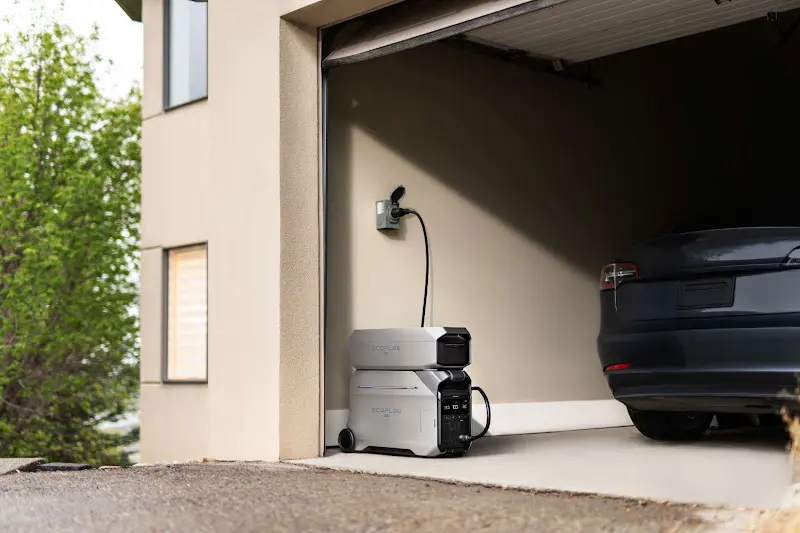
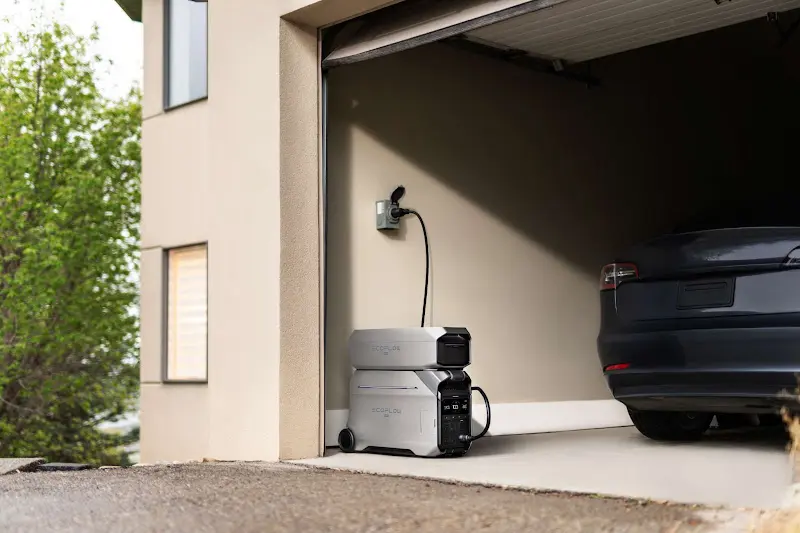
That is where a straightforward, plug-and-play setup changes things. Keeping a portable power station like the EcoFlow DELTA Pro 3 Portable Power Station ready in your utility closet gives you an immediate line of defense. You don’t need an electrician or a complicated installation script; you just wheel it into the room and plug your devices straight into the front panel. It holds enough capacity to handle your baseline connectivity, easily running your home internet loop, charging up laptops, and powering emergency lighting so your family can stay informed and comfortable while the storm passes.
Backup Power for Whole-Home Use
If a severe washout damages regional substations and leaves your concession road or neighborhood without power for days, a small battery box may not be sufficient for higher household demands. You face a different scale of challenge when outages last multiple days, requiring a higher-capacity system designed to handle essential electrical loads and help keep your home running safely.
One more thing to consider is a dedicated setup like the EcoFlow DELTA Pro Ultra Whole-Home Backup Power system, which is built for these multi-day grid failures. Instead of running extension cords across the floor, this system ties directly into your home’s circuits to support key household loads. It offers high output capacity, helping keep essential appliances such as your refrigerator, home heating system, and sump pump running, depending on system configuration and overall energy demand. It helps your family maintain a more stable daily routine indoors while severe weather impacts the grid outside.
Managing Energy Consumption During Extended Outages
To get every possible hour out of your backup batteries, you have to be cutthroat about what stays on. Turn off everything you don’t absolutely need, pull the plugs on background electronics drawing phantom power, and save your electricity for the absolute essentials. It is essential to prioritize vital equipment like medical devices, keeping food from spoiling, and charging your primary communication tools. This disciplined approach stretches your remaining battery reserve, buying you valuable time until utility crews can safely fix the regional grid.


What to Check and Do After a Flash Flood Event
Just because the rain lets up and the water on your street starts dropping doesn’t mean you are completely in the clear. Heading back onto your property requires a slow, careful look around to ensure you aren’t walking right into hidden post-storm hazards.
Check Home for Water and Structural Damage
Before you even think about unlocking the front door, take a slow walk around the outside of the house. Check for warped exterior siding, sagging sections along the roofline, deep foundation cracks, or support beams that look like they shifted under the weight of the water. If anything looks off structurally, stay outside. You need to call a professional contractor to clear the building before anyone steps foot inside.
Inspect Electrical Systems and Circuits
Water-logged wiring is incredibly volatile and unpredictable. Never flip a breaker back on, touch your main electrical panel, or plug any gear into a wall outlet if the floors are damp or if the panel itself took on moisture. Call a certified electrician to run a full inspection first, which is the only real way to prevent dangerous shocks or an accidental electrical fire down the road.
Clean and Disinfect Flood-Affected Areas
Floodwater is notoriously filthy, often carrying raw sewage, agricultural chemicals, and nasty bacteria. Do not touch a thing without the right protective gear, grab heavy rubber boots, thick gloves, and an N95 mask. Another thing to accept early on is that soaked drywall, insulation, and carpets are a write-off and need to be thrown out immediately. Scrub down all remaining hard surfaces with a heavy duty disinfectant to stop toxic mold before it takes over your framing.
Document Damage for Insurance Claims
Before you start moving damaged furniture to the curb or cleaning walls, take clear photos and videos of all affected areas. Create a detailed list of damaged items, record appliance model numbers where possible, and keep receipts for any immediate cleanup or emergency expenses. This documentation can help support your Canadian home insurance claim and may also be useful if you are eligible for provincial or federal disaster financial assistance programs, depending on the event.
Conclusion
Flash floods require fast, decisive moves, but real safety comes down to what you did before the first drop of rain ever hit. By understanding how Environment Canada’s alert system works, identifying the natural drainage weak spots in your specific neighborhood, and mapping out a dependable emergency power backup plan, you can protect your household from the worst of it. Investing in reliable power hardware, like EcoFlow’s portable or whole-home setups, ensures that no matter how severe the storm gets or how long your neighborhood stays dark, your home remains warm, safe, and fully connected to the world.
FAQ
What Is Worse, A Flood or Flash Flood?
A flash flood is significantly more dangerous because it hits with almost zero warning, moves with intense destructive force, and leaves you very little time to get out safely. Regular floods happen slowly over days or weeks, giving municipalities and homeowners plenty of time to prepare or evacuate in an orderly way.
How Long Can a Flash Flood Last?
Most flash floods hit their peak within six hours of the heavy rain starting and can recede pretty quickly, though the water left behind in basements and yards can stick around for weeks. How long it takes to clear depends heavily on local terrain, how saturated the ground already is, and how well your city’s drainage infrastructure actually works.
What Is the Safest Place to Be During a Flood?
Your best bet is finding a high elevation spot that sits completely clear of any local flood plains. If the storm traps you inside your house, move straight to the top levels of the building, assuming the structure itself is solid. Another thing to avoid entirely is hanging around in lower areas, staying far away from basements, underground parking decks, or low spots in the landscape where water naturally pools the fastest.
What Is the Action Not to Be Taken During a Flood of Alerts?
Whatever you do, stay out of standing or moving water, never try to drive or walk through a flooded street or a submerged underpass. It takes surprisingly little current to knock a grown adult off their feet or float a multi-ton truck right off the pavement. Remember that murky water completely hides lethal dangers underneath, like missing storm grates, washed out asphalt, and live, downed power lines.
How to Protect a Basement from Flooding?
Your main line of defence is a reliable sump pump wired to a battery backup system, which keeps it running if the hydro drops. Outside, keep your weeping tiles clear and patch up any foundation cracks. Another thing that helps is checking that the backyard grading slopes away from the house, and cleaning out your eavestroughs so roof water doesn’t pool against your foundation.