Pros and Cons of Solar Energy: What Canadians Should Know Before Going Solar
Thinking about putting solar on your own roof? The electricity bill keeps climbing. The weather-related outages keep arriving. Many homeowners are looking at solar as a way to lower the energy bills and gain more control over their power supply. This guide covers how solar panels perform in Canadian climates, the key benefits and challenges of going solar, and how battery storage can help you make the most of the investment.
What Is Solar Energy and How Does It Work in Canada?
The panel on your roof holds photovoltaic (PV) materials that turn sunlight into clean electricity. Light strikes the silicon cells inside and knocks the electrons free, generating direct current (DC) electricity. Because a Canadian house runs on alternating current (AC), an inverter transforms that raw DC energy into usable household electricity. It quietly powers everything from your kitchen fridge to your home office setup.
Understand How Solar Panels Generate Electricity
A modern residential system is a short chain of components. Each component transmits energy directly to the next. The photovoltaic modules collect the solar radiation, while a microinverter or string inverter system converts it to standard AC electricity. From there the power reaches your main breaker panel. It goes out to your active appliances. Any extra power the roof makes during the high-sun hours can be fed back into the provincial electrical grid. Or it can be diverted into an on-site battery storage or solar generator system for later use.
Learn How Solar Energy Works Year-Round
Homeowners from Halifax to Victoria commonly assume that a freezing winter completely shuts down solar power. The assumption misreads what drives a panel. Sunlight, not ambient outdoor heat, is what triggers photovoltaic energy generation. When examining how efficient are solar panels in varying weather, a panel actually operates more efficiently at colder temperatures. Heat drives the voltage across a silicon cell down, while cool air keeps it up. Heavy snow cover temporarily blocks the light, but the standard dark panel set at a steep roof pitch absorbs heat quickly. On a sunny winter day, that causes the snow to shed off cleanly. And while shorter winter days naturally mean lower daily energy yields than mid-July, annual production across four distinct seasons balances out remarkably well.
Explore Solar Potential Across Canada
Solar potential varies considerably depending on where you call home in Canada. The Canadian Prairie provinces—specifically southern Alberta, Saskatchewan, and Manitoba—hold some of the richest solar resources in North America. They often see more than 2,000 hours of bright sunshine every year. Meanwhile, southern Ontario and parts of Quebec pair steady irradiation with elevated grid electricity rates. That combination keeps home solar financially attractive despite the moderate cloud cover. Even along coastal British Columbia and Atlantic Canada, optimized roof placement and modern high-efficiency panels make rooftop generation a practical reality.
| Canadian Region | Avg. Annual Sun Hours | Key Regional Solar Advantage |
|---|---|---|
| Canadian Prairies (AB, SK, MB) | 2,000 - 2,400 hrs | Exceptional peak solar irradiance and long clear winter days. |
| Southern Ontario & Quebec | 1,800 - 2,100 hrs | High utility electricity tariffs maximize net-metering savings. |
| Atlantic Canada (NS, NB, PE) | 1,700 - 1,900 hrs | Strong municipal incentives offset storm-related outage risks. |
| Pacific Coast (BC) | 1,600 - 1,800 hrs | Mild winter temperatures maintain peak inverter efficiency. |
What Are the Benefits of Solar Energy for Canadian Homes?
For many Canadian homeowners, solar offers a practical way to bring the electricity bill down. It also cuts how much the house leans on the grid. And it hands the household more control over what energy costs in the years ahead.
Reduce Long-Term Electricity Costs
Every kilowatt-hour the roof makes directly offsets one you would otherwise purchase from your local distribution company. When evaluating whether solar energy is worth it in Canada, the cumulative savings over a system’s typical 25-to-30-year operational lifespan demonstrate how those offset utility costs recover the initial outlay and go on to generate net positive returns. Under provincial net-metering arrangements, the surplus your roof sends out during the long June days earns credits on your electricity bill. Those credits help buffer your budget through the darker winter months.
Support Cleaner Energy Solutions
Plenty of provinces lean heavily on hydroelectricity for their regional grids. Even there, a heatwave or a deep freeze sends the peak power demands up. That often forces utility operators to fire up natural gas or peaking plants. When examining the environmental pros and cons of solar energy, rooftop generation stands out by reducing baseline demand on the grid and directly lowering greenhouse gas emissions. In regions still running on coal or natural gas, every kilowatt-hour of solar energy harvested significantly shrinks your home's carbon footprint.
Improve Protection Against Rising Energy Prices
A homeowner who fixes the cost of generation today provides a strong long-term hedge against future rate hikes. Utility distribution fees, carbon pricing adjustments, and transmission surcharges have steadily inflated the utility bill right across Canada. Once the array on your roof is installed and paid for, the sunlight powering your home is free, reducing your exposure to ongoing energy market volatility.
What Are the Disadvantages of Solar Energy in Canada?
Solar offers many advantages, but understanding what are the pros and cons of solar energy requires a balanced look at the upfront costs, maintenance requirements, and weather-related limitations that Canadian homeowners face.
Consider High Upfront Solar Costs
A complete residential solar array requires a notable initial capital outlay. Quality tier-one photovoltaic panels, a central inverter or microinverters, mounting hardware, wiring, and professional electrical labor generally cost between $15,000 and $28,000 before rebates. The figure moves with your system size. Select provincial or municipal rebates help offset these costs over time. But there is a transition period before those rebates or property tax financing takes effect. Navigating it requires careful financial planning for Canadian families.
Understand Weather Impact on Solar Output
Canadian weather patterns write seasonal variance into your annual energy budget. A run of persistent winter storm clouds cuts into real-time generation, and a heavy snowfall event naturally cuts it further. So does the brief daylight window of December and January. If a heavy accumulation of wet snow settles over your panels for several days following a blizzard, generation drops to zero. It stays there until the array sheds the layer. You will rely heavily on grid power through those stretches.
Plan for Maintenance and System Lifespan
The panels themselves are solid-state devices with no moving parts, typically backed by 25-year performance warranties. But the other system components require mid-life attention. An inverter generally carries a 10 to 12-year warranty and may require replacement once during the system’s lifespan. Furthermore, the roof surface has to be kept clear of debris. The racking brackets need monitoring after a severe ice storm. And if your roof needs reshingling, coordinating the panel removals requires long-term planning too.
What Factors Should Canadians Consider Before Going Solar?
After weighing the overall pros and cons of solar energy for homes, a Canadian homeowner should evaluate the roof conditions, the household energy needs, the available incentives, and the best solar system type prior to system installation.
Evaluate Your Home’s Solar Conditions
Roof orientation, slope, shading, and structural condition all directly affect solar performance. A south-facing roof generally offers the best results. East- and west-facing roofs can still generate substantial energy. If your roof is aging, consider repairs before installation.
Analyze Your Electricity Consumption
Your past energy bills are where the right system size comes from. A home with a heat pump or an EV may need a larger solar system. Proper sizing is what helps maximize savings through net metering.
Check Solar Incentives and Policies
Government programs, financing options, and local incentives can lower the upfront cost. Rebates and policies change frequently, though. So check the latest options with local installers before making a decision.
Compare Grid-Tied and Off-Grid Options
For most urban and suburban homes, the grid-tied system is the most practical choice. Off-grid systems require larger battery storage. They suit a remote property better.
How Can You Maximize the Benefits of Solar Energy?
Solar panels can generate plenty of clean energy during the day. But adding smart storage solutions helps Canadian households use that power when they need it most.
Improve Energy Reliability With Backup Power Solutions
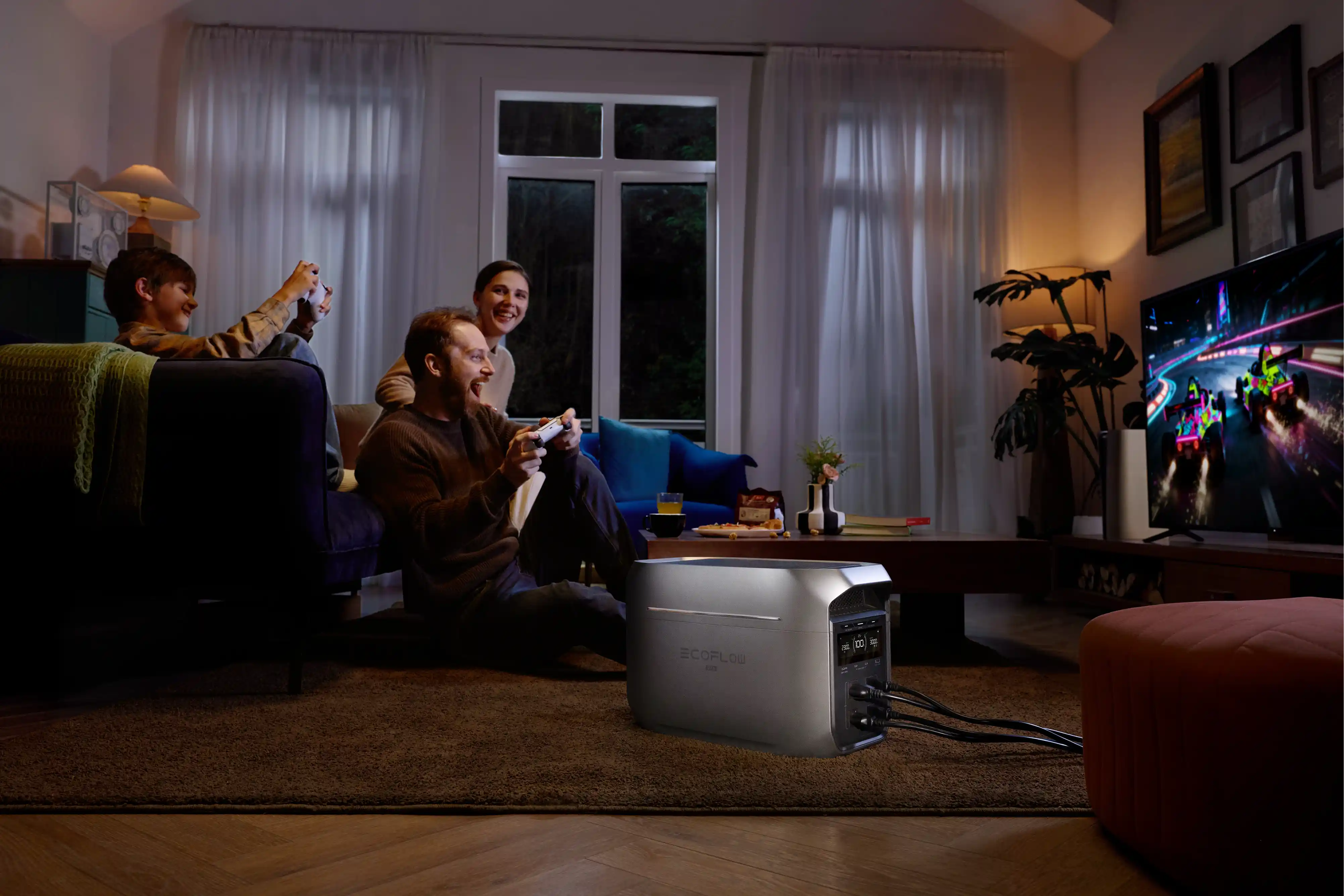
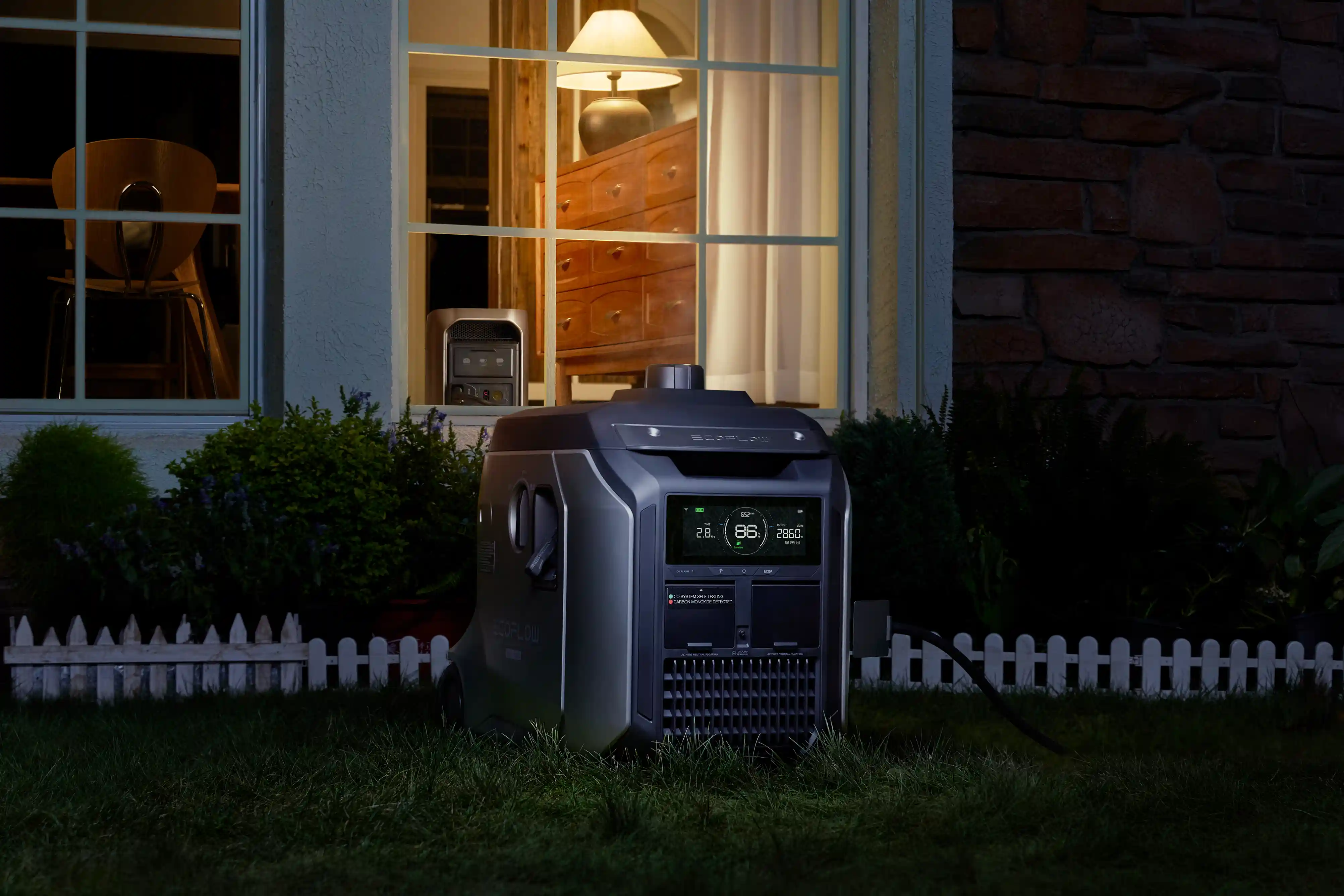
Integrating a dedicated home energy storage system hands you greater control over your household power supply. The excess daytime solar power does not have to flow back into the grid for minimal credits. A residential battery system lets you store that clean energy locally. When a severe Canadian winter storm or a summer grid overload triggers blackout events, the integrated battery automatically bridges the gap. For instance, solutions like the EcoFlow DELTA Pro Ultra Whole-Home Backup Power excel in comprehensive home energy management scenarios. Designed to store and route solar energy, it provides robust, continuous backup for the essential household loads, including full-sized refrigerators, home heating pumps, lighting circuits, and communication gear, enhancing your home's energy resilience when the utility lines drop.
Expand Solar Power Applications Beyond the Home
Solar energy is versatile. That versatility should not end at your property line. Canadian outdoor lifestyle enthusiasts can easily extend the same renewable setup to a weekend camping trip, an RV journey across the Rockies, or an off-grid cottage project. Portable power equipment, such as the EcoFlow DELTA 3 Max Plus Portable Power Station(2048Wh), lets you take solar-generated power wherever life leads. Whether you need reliable energy for mobile workstations, outdoor cooking equipment, or recreational power tools, portable battery systems make off-grid power flexible, silent, and fuel-free.
Conclusion
Adopting solar energy in Canada is a forward-thinking investment. It harmonizes financial savings with long-term resilience. While the initial capital costs and the winter weather variances require thoughtful planning, the high solar potential, the accessible financing incentives, and the advanced energy storage solutions now on the market make going solar more practical than ever before. By evaluating your home's unique layout and choosing flexible power backup options, you can enjoy clean, reliable power through every season Canada throws your way.
FAQs
Is It Worth Getting Solar Panels in Canada?
Yes. For most homeowners in Canada, the panels are well worth the investment, thanks to strong provincial solar potential and rising utility electricity rates. Direct federal cash grants have sunsetted. But long-term financing options still let a typical Canadian installation pay for itself within 8 to 12 years. That leaves over a decade of essentially free electricity afterward, while increasing the overall property value.
How Long Does a Solar Energy System Last?
A professionally installed residential solar energy system typically lasts between 25 and 30 years. It asks for minimal maintenance along the way. The modern photovoltaic panel is built to withstand severe hail, heavy snow loads, and extreme freezing temperatures. It carries a performance guarantee ensuring it still produces at least 80% to 85% of its original rated capacity after 25 years in service.
How Long Can a House Run on Solar Power Alone?
A house can run for extended periods on solar power alone during sunny conditions. That takes a properly sized solar panel array and integrated battery storage. Without an energy storage battery, a standard grid-tied solar home can only run during active daylight hours, when sun conditions match real-time household energy demand.
Do Solar Panels Work During a Power Outage?
Standard grid-tied solar panels do not work during a power outage. That is due to safety shutdown mechanisms designed to protect utility line workers. However, if your solar panel system is paired with a battery backup system like the EcoFlow DELTA Pro Ultra and equipped with a grid-tied transfer switch, your panels will continue generating electricity and powering your home during blackouts.