Muskoka Cottage Power: Off-Grid Energy for Cottage Country
- Why Is Reliable Power a Challenge in Muskoka and Ontario Cottage Country?
- What Are the Main Ways to Power an Off-Grid Cottage?
- How Do You Size a Power System for a Muskoka Cottage?
- How Does Solar Performance Change Between Summer and Winter in Ontario?
- What Should Grid-Connected Cottage Owners Know About Backup Power?
- Frequently Asked Questions
- The Right Power Setup Keeps Your Muskoka Cottage Comfortable and Connected Season After Season
Muskoka and Ontario's cottage country draw seasonal visitors year-round, but frequent power interruptions, tied to storms and aging rural infrastructure, create unique energy challenges.
Cottage owners have three paths to reliable power: staying grid-connected, going fully off-grid, or building a hybrid backup system. The right choice depends on how often you use the cottage, its distance from existing hydro lines, and your installation budget.
Why Is Reliable Power a Challenge in Muskoka and Ontario Cottage Country?
Rural distribution lines often run through dense forest on single feeders, so any storm damage in cottage country can take crews days longer to repair than in urban areas. We saw this happen in March 2025 as an ice storm cut power to more than 80,000 Ontario customers, including concentrated outages in cottage country.
Many owners visit for only a short Ontario weekend getaway at a time, so an outage can go unnoticed for days and risk spoiled food in the fridge or frozen pipes in cold snaps.
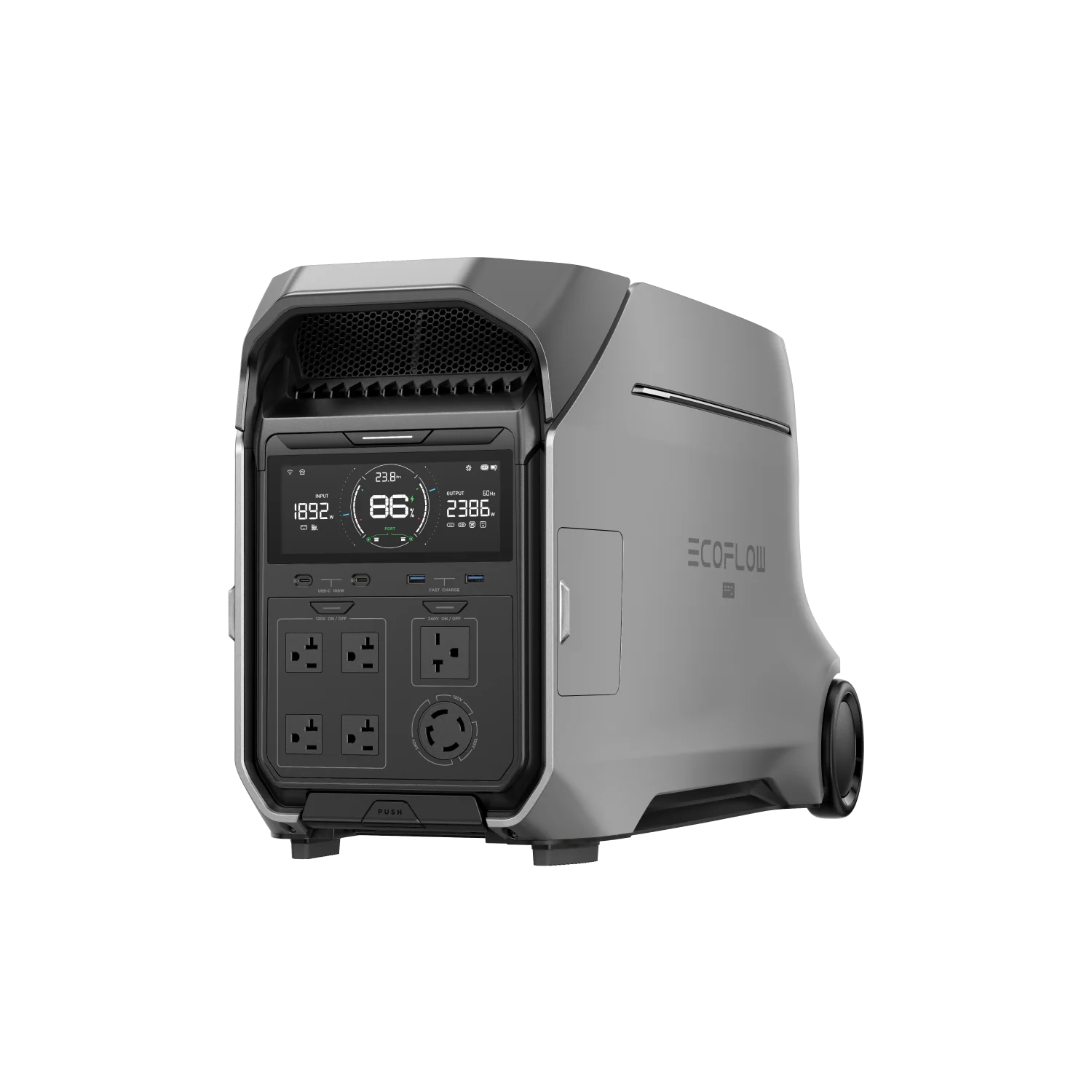
Having reliable power ensures you can enjoy your vacation time, and also provides peace of mind that your cottage will stay powered even if you're out of town. A unit like the EcoFlow DELTA Pro 3 Portable Power Station can keep essentials like your fridge and a well pump running through these gaps, without you needing to be on-site to react.
What Are the Main Ways to Power an Off-Grid Cottage?
The three main ways to power an off-grid cottage are:
Portable power stations
Solar and battery backup systems
Fuel-burning generators
A cottage visited for an occasional off-grid Canadian weekend can often run on a mid-sized battery and rooftop or portable solar, while a year-round off-grid home typically needs a larger, professionally sized system.
Portable Power Stations
Battery-based units are a straightforward starting point for most cottage owners. They run silently and produce no exhaust, making them safe to keep inside a cottage without a carbon monoxide risk.
The EcoFlow DELTA Pro 3 Portable Power Station is a good example of what this category can handle. It delivers enough continuous output and expandable capacity to keep a fridge and well pump running through a multi-day outage, and it recharges from a wall outlet, a vehicle, or solar panels depending on what's available at the cottage.
Solar and Battery Backup Systems
Solar and battery systems pair rooftop or portable panels with a battery to store power for use after the sun goes down. Panels can be mounted on the cottage roof, a ground rack, or set up portably for seasonal use, while the battery bank stores what you don't use right away.
An EcoFlow Solar Generator combines both pieces into one system, letting you recharge from the sun during the day and draw on stored power overnight or during extended cloud cover.
This setup works well for cottages that see regular use throughout the season, since it needs little day-to-day intervention once it's installed and sized correctly.
Gas and Propane Generators
Gas and propane generators used to be the standard option, but risks of carbon monoxide poisoning, restrictions on how you can safely use them, and required refuelling have decreased their popularity over recent years as cottage owners look to safer and simpler setups.
How Do You Size a Power System for a Muskoka Cottage?
Sizing your power system for a Muskoka cottage starts with listing your essential loads and running watts. Your list should also account for the higher starting watts that many motors draw briefly.
Divide your battery's capacity in watt-hours by the total connected load in watts to estimate runtime before adding solar.
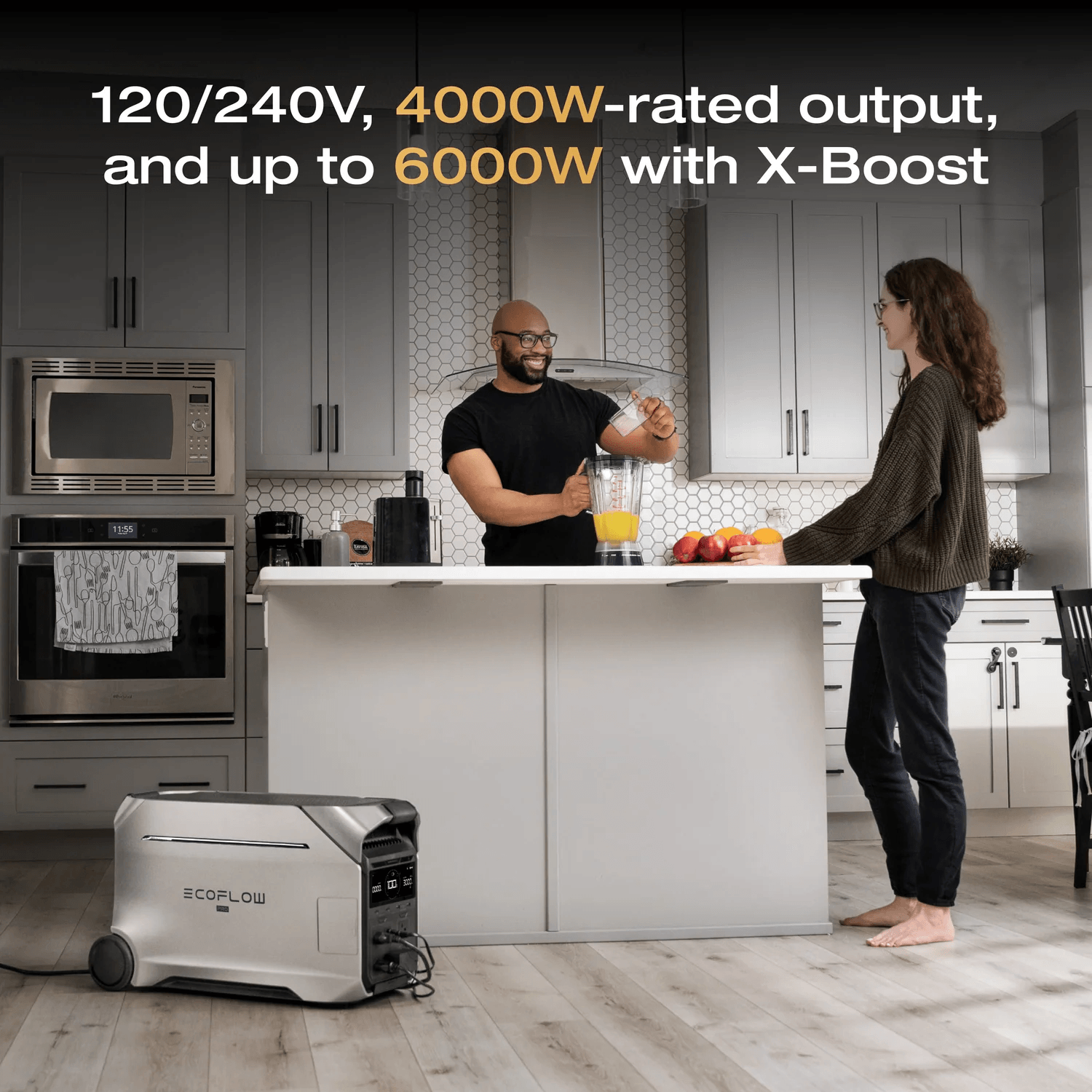
If your cottage is running multiple large appliances at once, an EcoFlow whole-home generator or multi-unit battery setup can be a better option over a single small power station.
How Does Solar Performance Change Between Summer and Winter in Ontario?
Summer and winter in Ontario have varied solar performance due to shifting day length and sun angle. You can see this illustrated in Natural Resources Canada's photovoltaic potential map for seasonal output estimates.
In Southern Ontario, the shorter winter days and lower sun angle reduce panel output well below summer levels. Additionally, snow accumulation on panels can block sunlight entirely until it's cleared. The main winter upside is that cold temperatures can actually improve panel efficiency if clear.
Pairing panels with an EcoFlow Solar Generator lets you store surplus solar energy for low-production days, rather than relying on real-time generation alone.
What Should Grid-Connected Cottage Owners Know About Backup Power?
The 2024 Canadian Electrical Code update introduced clearer rules for energy storage systems, rapid shutdown methods, and inverter placement, easing compliance for cottagers who want to add battery backup.
Still, any electrical work connecting backup power to a cottage's wiring requires filing a notification of work with the Electrical Safety Authority before starting. Any system designed to feed power back into the grid also needs a sign-off from the local utility to prevent unsafe backfeeding during outages.
Frequently Asked Questions
How Much Does It Cost to Run Power to a Remote Cottage in Ontario?
The costs vary enormously depending on how far you are from the nearest utility pole, since owners typically must pay for the extension beyond the standard allowance. If your property requires underwater cables across a lake or multiple new poles through a forest, expect it to fall on the higher end, making off-grid or battery-based power more cost-competitive.
Do You Need a Permit to Install Solar at an Ontario Cottage?
If you're installing a rooftop solar system, most Ontario municipalities require a building permit if it exceeds roughly five square metres. Any electrical connection work also requires an Electrical Safety Authority notification, which is separate from the building permit.
How Long Will a Battery System Last During a Muskoka Power Outage?
Battery runtime depends on its capacity in watt-hours, divided by the connected load in watts, and then adjusted for how many essential devices it's running simultaneously. Adding solar panels can extend effective runtime indefinitely during daylight hours.
The Right Power Setup Keeps Your Muskoka Cottage Comfortable and Connected Season After Season
Muskoka's storm-prone grid, seasonal usage patterns, and remote distances make backup power essential. Size your system correctly by assessing your essential loads and how often your cottage is occupied.
Whether you choose an EcoFlow DELTA Pro 3 or EcoFlow Solar Generator, finding the right combination will keep your essentials running throughout outages, without adding fuel logistics or code complications.