How Long Does Heat Stroke Last? Recovery Timeline & First Aid Guide
- What Is Heat Stroke?
- How Long Does Heat Stroke Last?
- What Is the Recovery Timeline After Heat Stroke?
- What Factors Affect Heat Stroke Recovery Time?
- What Are the First Aid Steps for Heat Stroke?
- How Can You Support Recovery After Heat Stroke?
- Frequently Asked Questions
- Staying Cool With Reliable Backup Power Supports a Safer Heat Stroke Recovery
Heat stroke is a medical emergency, and recovery doesn't end once your body temperature drops back to normal. Depending on how severe the episode was, you could feel like yourself within days or be managing lingering effects for months. Here's what actually happens during recovery and how to help your body along.
What Is Heat Stroke?
Heat stroke happens when your body can no longer regulate its own temperature, usually because you've been exposed to high heat, humidity, or physical exertion for too long.
Core body temperature climbs above 104°F (40°C), and the usual cooling mechanisms, like sweating, stop working effectively. Left untreated, it can damage the brain, kidneys, liver, and muscles within minutes.
Because heat exhaustion shares some early symptoms, like heavy sweating and fatigue, it’s easy to mistake one for the other. Heat exhaustion and heat stroke are different conditions with very different responses, so knowing which one you’re dealing with matters before you act.
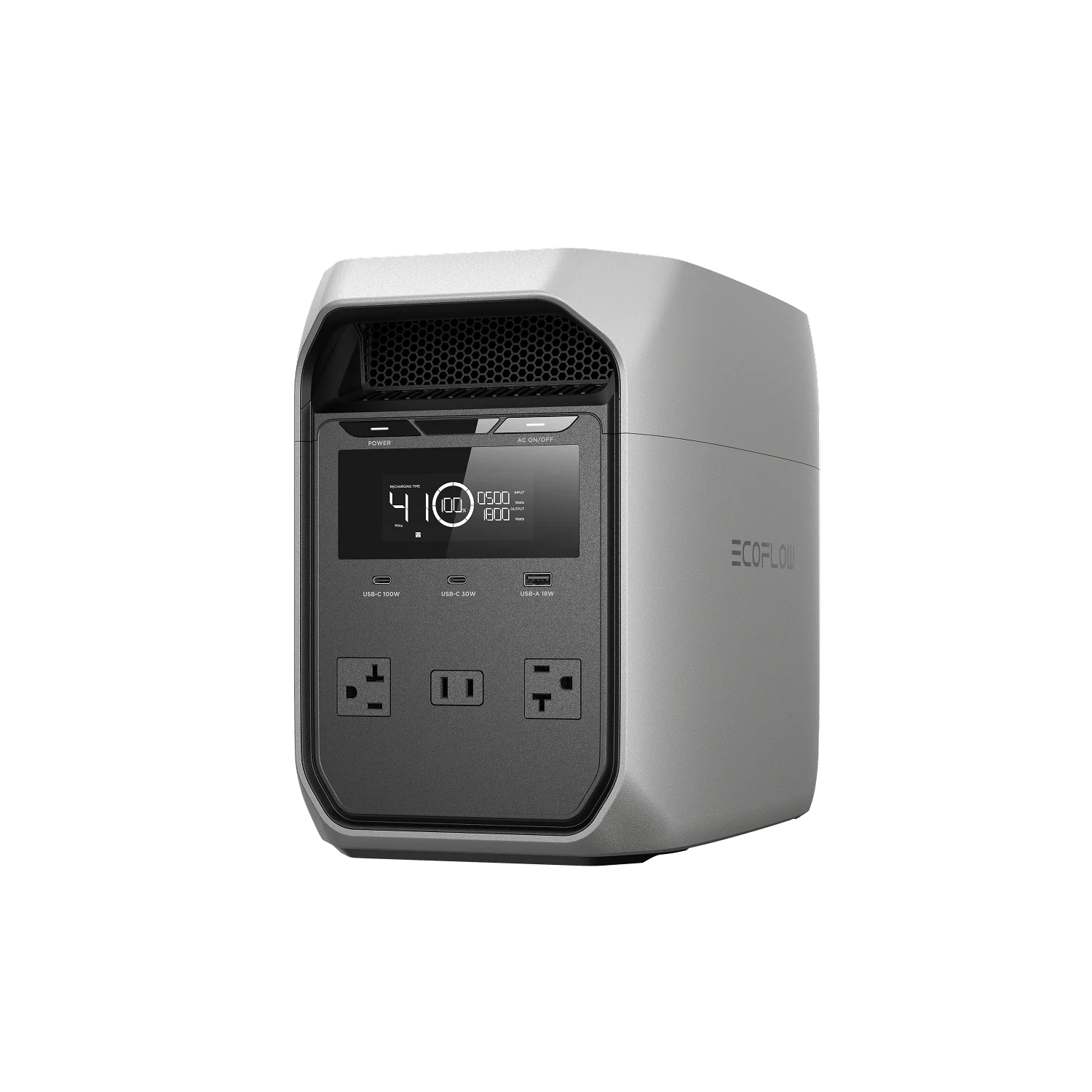
An EcoFlow DELTA 3 Classic (1024Wh) can matter more than you'd expect here. If a heat wave knocks out grid power right when you need fans or air conditioning running, having a backup source keeps your indoor temperature from climbing further while someone is recovering.
How Long Does Heat Stroke Last?
The acute episode, when your temperature is dangerously high and your body can't cool itself, typically lasts a few hours to a full day once treatment starts. The emergency resolves faster than the underlying strain on your organs and muscles, which can take much longer to settle.
Some people feel normal within 48 hours; others deal with fatigue or heat sensitivity for weeks or months.
What Is the Recovery Timeline After Heat Stroke?
Recovery generally unfolds in three overlapping stages:
Immediate 24 to 48 Hours
This is when your body temperature stabilizes and doctors monitor for acute complications like kidney injury, abnormal blood clotting, or liver stress. Rapid cooling and IV fluids are standard during this window, and most people are kept under observation until vital signs and lab results stay steady.
Short-Term Recovery: Days to Weeks
Muscle soreness, fatigue, and mild confusion can persist for one to two weeks as your organs clear the damage from the episode.
Muscle and liver strain markers typically peak in the first few days, then normalize, according to a study published in PLOS ONE. Avoid strenuous activity during this phase.
Long-Term Recovery: Weeks to Months
Full recovery of heat tolerance can take weeks to several months after a severe episode. Some people stay more sensitive to hot conditions and need to ease back into exercise or outdoor work gradually rather than jumping back to full intensity.
What Factors Affect Heat Stroke Recovery Time?
How quickly you recover depends on how high and how long your temperature climbed, how fast you got treatment, your age and baseline health, and whether your kidneys or liver sustained damage. Heart disease, diabetes, and uncorrected dehydration can all slow recovery, while younger, healthy people generally heal faster. Knowing how to protect yourself during extreme heat also lowers your odds of a repeat episode setting recovery back further.
What Are the First Aid Steps for Heat Stroke?
If you suspect someone is experiencing heat stroke, acting fast matters more than almost anything else.
Call 911 Immediately
Heat stroke can cause permanent organ damage or death without emergency treatment, so don't wait to see if symptoms improve on their own. Call for help as soon as you notice confusion, slurred speech, hot and dry or flushed skin, or a rapid pulse alongside a very high body temperature.
Cool the Person Down
While waiting for paramedics, move the person to a shaded or air-conditioned space and remove excess clothing.
According to the Canadian Red Cross, the most effective cooling methods are immersing the person's forearms and hands in cool water, pouring cool water over clothing or towels placed on their chest while fanning to speed up evaporation, and applying ice packs to the chest or armpits.
If a heat wave has also knocked out power, a portable power station can keep a fan or AC unit running long enough to get through the wait for help.
Monitor Breathing and Responsiveness
Stay with the person and keep checking that they're breathing normally and responding to you. If they become unconscious or stop breathing normally, be ready to describe their symptoms and how long they've been affected to emergency responders the moment they arrive.
How Can You Support Recovery After Heat Stroke?
Once the emergency has passed, recovery is mostly about rest, hydration, and avoiding another heat exposure before your body is ready. Stick to a cool, comfortable indoor environment, drink water consistently, and hold off on strenuous exercise or outdoor work until a doctor clears you.
Knowing the recommended indoor temperature range for your home can help you keep conditions steady while you're recovering, especially if you're prone to feeling overheated more easily in the weeks afterward.
Frequently Asked Questions
Is Heat Stroke Always a Medical Emergency?
Yes. Heat stroke is always a medical emergency and requires immediate professional treatment, regardless of how mild the symptoms initially appear. Body temperatures above 104°F (40°C) can damage the brain and organs within minutes. Even if someone seems to improve after cooling down, they still need to be evaluated by a medical professional to rule out lasting damage.
What Should You Avoid During Heat Stroke Recovery?
Avoid strenuous exercise, alcohol, caffeine, and prolonged heat exposure while your body recovers. Don't rush back into physical activity just because you feel better after a few days, since your internal temperature regulation may still be compromised. Skipping follow-up medical care or ignoring lingering fatigue and dizziness can also delay a full recovery.
Can Heat Stroke Cause Permanent Damage?
Yes, particularly if treatment was delayed. Severe or prolonged heat stroke can lead to lasting kidney, liver, or brain damage, and some people experience ongoing heat sensitivity long after the initial episode. The faster someone receives cooling and medical care during the emergency, the lower the risk of permanent complications.
Staying Cool With Reliable Backup Power Supports a Safer Heat Stroke Recovery
Heat stroke recovery hinges on keeping your body cool and avoiding repeat exposure, which gets a lot harder if a summer storm or grid strain takes your power out mid-heat wave.
A backup power setup can keep fans, air conditioning units, or medical equipment running through an outage, so a recovering household isn't left without cooling at the worst possible time. For homes that lose power more often during extreme heat events, pairing that setup with whole-home backup power solutions means the whole house stays livable, not just one room, while someone recovers.