Fishing in Alberta 2026: Best Rivers, Lakes, and Power Tips
- Why Is Alberta a Top Fishing Destination in 2026?
- What Are the Best Rivers for Fishing in Alberta?
- What Are the Best Lakes for Fishing in Alberta?
- What You Need to Know About Alberta Fishing Licences in 2026
- How Do Portable Power Stations Support a Day on the Water?
- How Can Solar Keep You Powered on Multi-Day Backcountry Fishing Trips?
- Frequently Asked Questions
- Reliable Power Keeps Your Alberta Fishing Trip Running From Sunrise to Sunset
Alberta is home to some of the best rivers and lakes in the country, and many are well suited for fishing. This guide looks at a few of these spots, what makes them stand out, and why bringing portable power on your next fishing trip helps keep you on the water all day.
Why Is Alberta a Top Fishing Destination in 2026?
Alberta offers plenty of diversity, with many places to fish and several types of fish to catch.
It also offers great accessibility. You don't need to travel far from major cities like Calgary and Edmonton to find good fishing spots, since there are still plenty of great destinations close by.
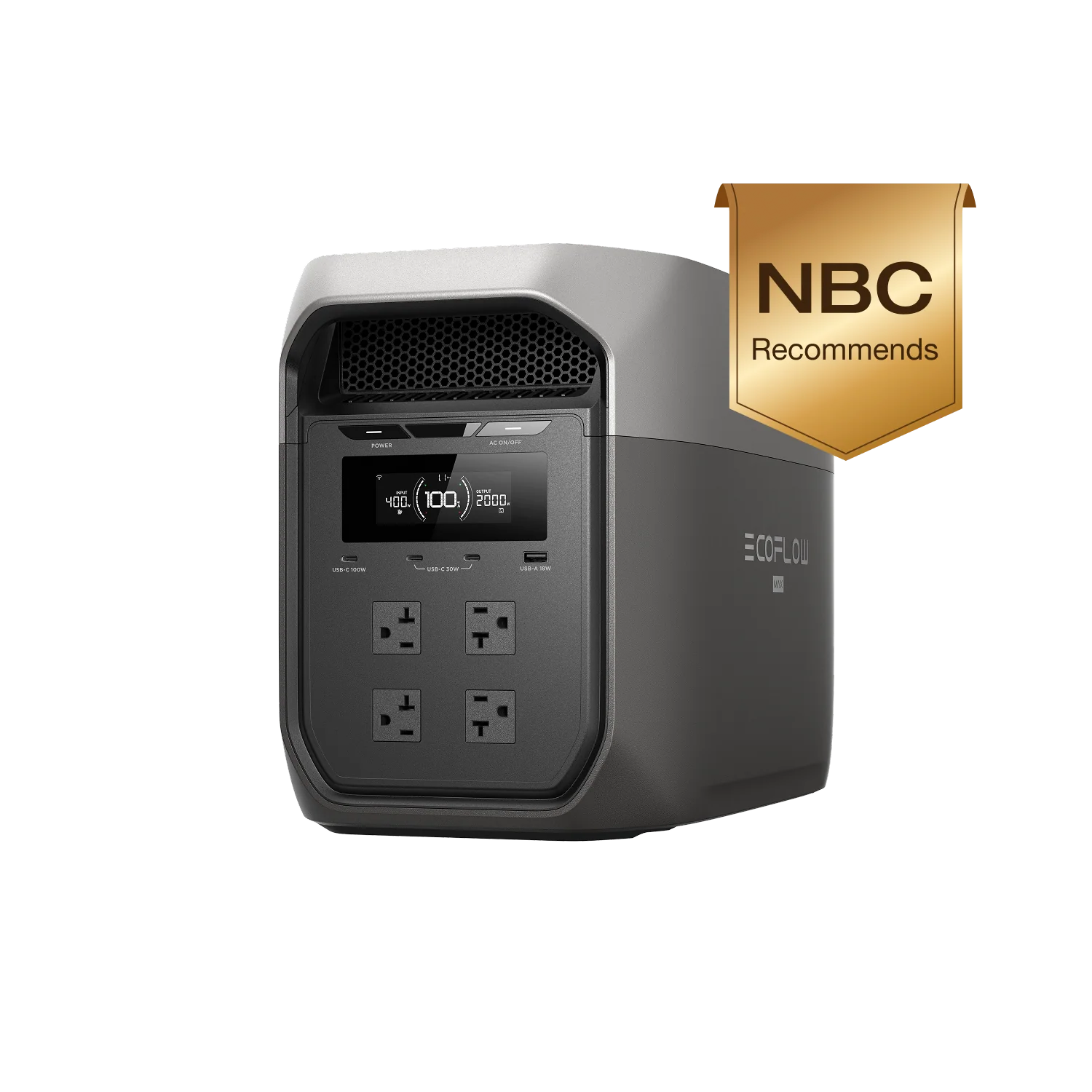
There are still remote places to fish, so bring a portable power solution like an EcoFlow DELTA 3 Max (2048Wh) to keep your gear powered when you're off the grid.
Alberta's catch-and-release rules also keep fish populations healthy, so many lakes and rivers stay full of fish, lowering your odds of a slow day.
Finally, Alberta offers year-round fishing. Spring, summer, and fall are the most popular seasons, but ice fishing is also common throughout the province in winter.
What Are the Best Rivers for Fishing in Alberta?
Some of the best rivers for fishing in Alberta include:
Bow River: Accessible year-round, the Bow River flows through Calgary and is known for its beauty and trophy-sized brown and rainbow trout.
North Saskatchewan River: Flowing through Edmonton, this river offers several accessible, high-quality fishing spots, plus more remote options elsewhere in Alberta. It houses walleye, pike, lake sturgeon, goldeye, and mooneye.
Oldman River: Located in southern Alberta, Oldman River offers cold-water fishing to the north and warm-water fishing in the south. It's popular for rainbow, bull, brown, and cutthroat trout.
What Are the Best Lakes for Fishing in Alberta?
A few of the best lakes for fishing in Alberta are:
Cold Lake: Sitting in central Alberta along the Saskatchewan border, Cold Lake has pristine waters and easy access to a provincial park. It's known for giant lake trout, along with pike and walleye.
Abraham Lake: Known for its vibrant blue water in summer and frozen methane ice bubbles in winter, Abraham Lake sits among the mountains in the Canadian Rockies. You can catch lake trout, bull trout, and mountain whitefish here. Camping at Abraham Lake is also worth considering while you're in the area.
Lake Newell: Just south of Brooks and not far from Calgary, Lake Newell is one of southern Alberta's largest and warmest man-made lakes. It's great for swimming and boating, plus pike, walleye, whitefish, and burbot fishing.
What You Need to Know About Alberta Fishing Licences in 2026
If you're fishing in Alberta in 2026, you need to know the licensing rules. Anyone between 16 and 64 needs a valid Alberta Sportfishing Licence and Wildlife Identification Number (WIN). This is similar to fishing in Ontario and other provinces, which also require a licence.
If you're younger than 16 or 65 and over, you don't need a standard licence. Your provincial licence also doesn't apply in National Parks, so you'll need a separate permit to fish there.
You can buy your WIN and sportfishing licence online or through an authorized local retailer.
According to the 2026 Alberta Guide to Sportfishing Regulations, an annual sportfishing licence costs $30 for Alberta residents, and WIN activation requires a one-time $12 fee, both plus GST. Anglers should also review the full Alberta Guide to Sportfishing Regulations before heading out.
How Do Portable Power Stations Support a Day on the Water?
Portable power is a must-have on fishing trips. Whether you're at a lake in Alberta or salmon fishing in BC, a portable power station can run your GPS device or fish finder, keep your phone charged, charge marine batteries, power electric downriggers, and run an electric cooler to keep drinks and your catch cold.
If you want to fish into the night, having enough power to run a couple of lights makes it much easier.
How Can Solar Keep You Powered on Multi-Day Backcountry Fishing Trips?
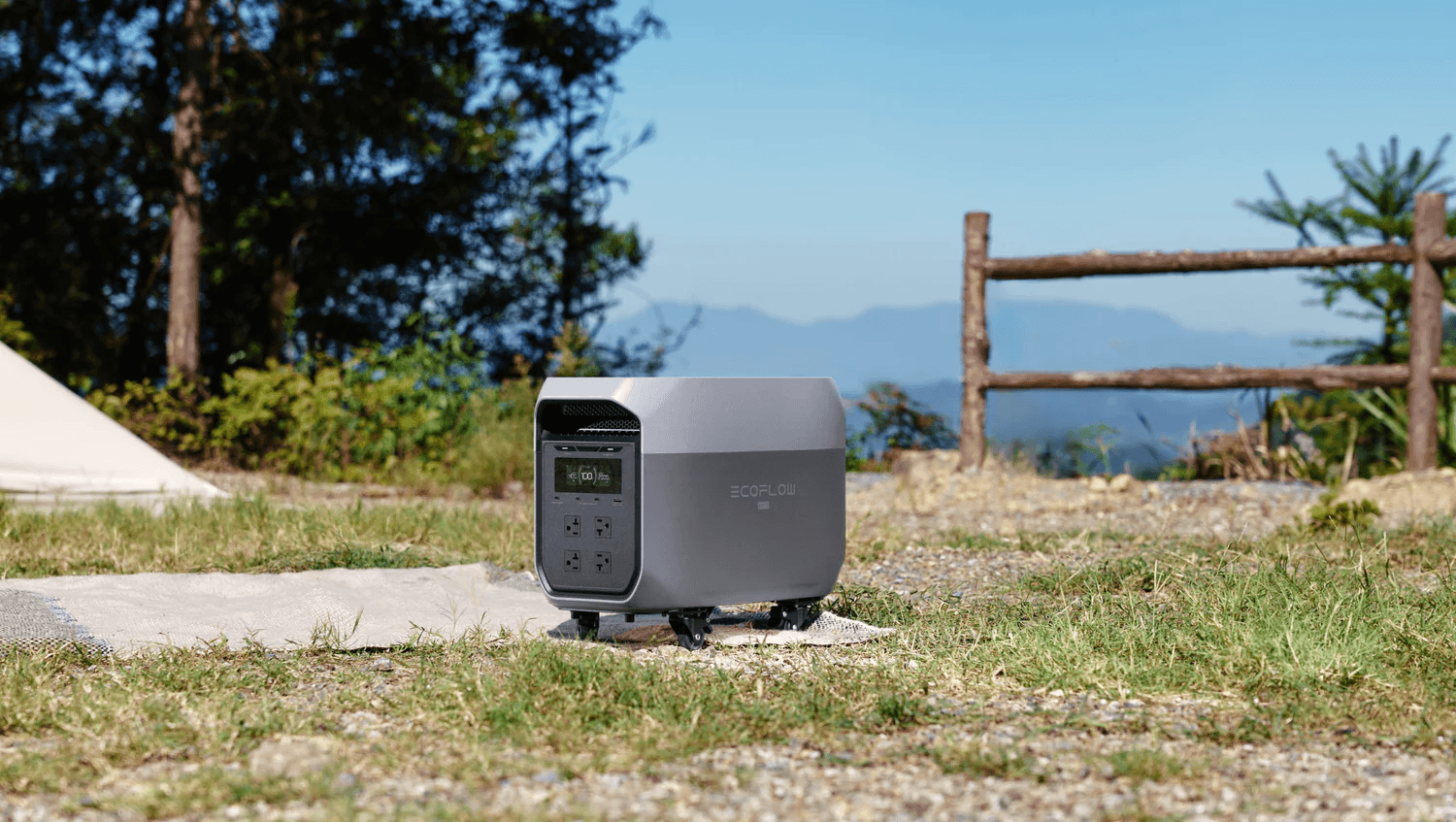
If you're taking a backcountry fishing trip, consider bringing solar power. Power banks and portable solutions are useful, but they still have batteries that need charging.
On a multi-day trip with plenty of devices to charge, even your backup power can run dry. Solar lets you recharge your devices and keep your portable power solutions topped up throughout your trip.
When using solar panels on the go, place them somewhere they'll get plenty of sun, angle them correctly, and keep them clean of sap, dirt, mud, or bird droppings, which can reduce their efficiency.
Frequently Asked Questions
Is Bull Trout Catch and Release Only in Alberta?
Yes, because the bull trout is a threatened species and the provincial fish of Alberta, if you catch it, you need to release it. Bull trout populations have declined due to habitat loss and overfishing, so catch-and-release rules help protect the species. Handle the fish gently and return it to the water as quickly as possible.
Can You Fish in Alberta's National Parks With a Provincial Licence?
No, provincial licences aren't valid for fishing in Alberta's National Parks, as you need a permit specifically for fishing in National Parks. Parks such as Banff and Jasper fall under federal jurisdiction, so their fishing rules and permits are separate from the province's. You can buy a National Parks fishing permit at visitor centres or online before your trip.
What Is the Best Time of Year to Fish in Alberta?
While the precise time depends on the kind of fish you're trying to catch, peak season in general is normally between July and August. Warmer water temperatures during these months bring fish closer to the surface and make them more active, improving your chances of a good catch. Spring and fall can also be productive, especially for trout.
Reliable Power Keeps Your Alberta Fishing Trip Running From Sunrise to Sunset
Fishing in Alberta is a great experience, with plenty of lakes and rivers to explore. To help you stay on the water longer, bring a portable power solution on your next trip.
These let you charge safety and communication devices like phones and GPS systems, along with coolers, marine batteries, fish finders, and more.
Whether you need a small portable power solution for your boat or a whole home generator to keep your house powered during outages, check out the power options EcoFlow offers.