Abraham Lake Camping: A 2026 Guide to Everything You Need to Know
- Why Abraham Lake Camping Belongs on Your 2026 Bucket List
- Abraham Lake Alberta: Geography, Formation, and Best Seasons
- Abraham Lake Alberta Campground Options: Sites, Facilities, and Booking
- Activities at Abraham Lake: What to Do Once You Arrive
- What to Pack for Abraham Lake Camping: A Practical Gear Checklist
- Make Your 2026 Abraham Lake Trip Count
- FAQs
Why Abraham Lake Camping Belongs on Your 2026 Bucket List
Turquoise glacial water stretching toward jagged Rocky Mountain peaks makes Abraham Lake one of Alberta's most visually striking destinations. Pitching a tent here means setting up beside a man-made reservoir on the David Thompson Corridor in west-central Alberta, roughly three hours from Calgary. Today, we'll go through every practical detail: campground options, reservation logistics, summer activities, and what to pack for a safe, well-prepared trip.
Abraham Lake Alberta: Geography, Formation, and Best Seasons
Abraham Lake is a reservoir, not a natural lake. It was created in 1972 when the Bighorn Dam was constructed across the North Saskatchewan River, flooding a glacial valley in the Bighorn Country region of west-central Alberta. The resulting body of water stretches approximately 33 kilometres in length and sits at an elevation of roughly 1,036 metres above sea level, placing it firmly in subalpine climate territory.
The lake's colour is its most famous feature. Glacial rock flour, finely ground mineral particles carried by meltwater from surrounding snowfields, suspends in the water and scatters sunlight to produce the vivid blue-green hue visible in photographs. This effect peaks in June and July when meltwater input is highest.
Since this article is written in June 2026, the prime camping season is either already underway or approaching its peak. Summer, spanning late June through early September, is the practical window for camping along the shore. Daytime temperatures in July typically reach 18 to 24 degrees Celsius, though evenings reliably drop to 5 to 10 degrees Celsius, and afternoon thunderstorms are frequent in July and August. Visitors arriving in June will find fewer crowds and strong glacial colour, but should prepare for cooler overnight lows and occasional trail snow at higher elevations.
Highway 11 (the David Thompson Corridor) runs along the south shore of the lake and connects Rocky Mountain House to the east with Saskatchewan River Crossing to the west. Cell service along most of this corridor is unreliable, with usable signal only near Nordegg and Rocky Mountain House. Fuel is available in Nordegg, approximately 15 kilometres east of the lake's eastern tip, making it the last practical stop before heading into the corridor.
Abraham Lake's reservoir setting and high-elevation climate make summer the clear window for camping and outdoor activities. Knowing the geography upfront helps campers choose the right site, gear, and dates for their trip.
Abraham Lake Alberta Campground Options: Sites, Facilities, and Booking
Several distinct campgrounds serve the area, each with different amenities and proximity to the water. Choosing the right one depends on your group size, comfort level, and planned activities.
Kootenay Plains Campground
Kootenay Plains Campground sits on the southeast shore of the lake and operates under Alberta provincial land-use guidelines. Basic amenities include fire pits, pit toilets, and potable water at select sites, with space for both tents and most RV sizes. Direct lake access and open meadow views make it the most sought-after option for Abraham Lake camping. The campground fills quickly on summer long weekends; arriving by Thursday afternoon in July or August is the best way to secure a site without a reservation.
Crescent Falls and Nordegg-Area Sites
Crescent Falls Campground sits roughly 45 minutes north of the reservoir and functions as a popular companion stop on a David Thompson Corridor loop itinerary. The Nordegg area offers additional serviced sites with electrical hookups, making them suitable for campers who need power for medical equipment or plan extended stays of a week or more. These sites provide a practical fallback when lakeside spots at Kootenay Plains are fully booked.
Reservations, Permits, and Fees
As of 2026, many Alberta provincial recreation area sites along the David Thompson Corridor are bookable through the Alberta Parks online reservation portal up to 90 days in advance. Walk-in sites remain available on a first-come basis but should not be relied upon during peak summer weekends. Nightly fees typically range from CAD $23 for unserviced sites to CAD $38 for powered sites; confirm current rates before booking, as fees are reviewed annually. Campfire permits are required and can be obtained at the site or through the online portal at the time of reservation.
The available options range from rustic lakeside tent pads to powered RV sites a short drive away, giving every trip style a viable base. Booking early, especially for July long weekends, is the single most effective way to secure a preferred spot.
Activities at Abraham Lake: What to Do Once You Arrive
Setting up camp offers far more than a scenic backdrop; the surrounding landscape supports a full slate of warm-season activities within a short distance of any campsite.
Kayaking and canoeing on the reservoir rewards paddlers with close-up views of the Rockies reflecting off glacially blue water, with launch points accessible from Kootenay Plains Campground.
Hiking the Siffleur Wilderness Area trails begins just east of the lake and ranges from easy riverside walks to multi-day backcountry routes requiring a wilderness permit.
Photography of the lake's signature turquoise colour peaks during golden hour (roughly 9 to 10 PM in June and July), when low-angle light intensifies the glacial hue.
Fishing in the North Saskatchewan River, which feeds the reservoir, yields mountain whitefish and bull trout; an Alberta sportfishing licence is required for all anglers 16 and older.
Wildlife watching for elk, mule deer, and bighorn sheep is most productive in early morning along the meadow margins of Kootenay Plains.
Stargazing benefits from the area's low light pollution, with the Milky Way core visible on clear summer nights between June and August.
The diversity of activities, spanning water, trail, wildlife, and sky, means a three to five-night stay rarely exhausts what the area has to offer. Matching activities to time of day maximizes both safety and experience quality.
What to Pack for Abraham Lake Camping: A Practical Gear Checklist
Elevation, variable weather, and distance from the nearest full-service town make packing precision critical. This checklist follows a priority order from safety-critical to comfort items.
Navigation essentials: Carry a downloaded offline map of the David Thompson Corridor and Siffleur Wilderness, as cell coverage on Highway 11 is limited to near Nordegg and Rocky Mountain House.
Bear safety kit: Pack bear spray (minimum 225 g canister) in an accessible hip holster and store all food in hard-sided containers or approved bear canisters, as wildlife activity is high throughout Bighorn Country.
Weather layering system: Bring a waterproof shell, a mid-layer fleece, and moisture-wicking base layers; summer nights regularly drop to 5 to 8 degrees Celsius at this elevation even after warm days.
Water treatment gear: Carry a filter or purification tablets as a backup, even if your campsite has potable water, since supply can be suspended during maintenance windows.
Sun and insect protection: SPF 50+ sunscreen and DEET-based insect repellent are both essential, as UV intensity is elevated at altitude and mosquitoes are active from late May through July.
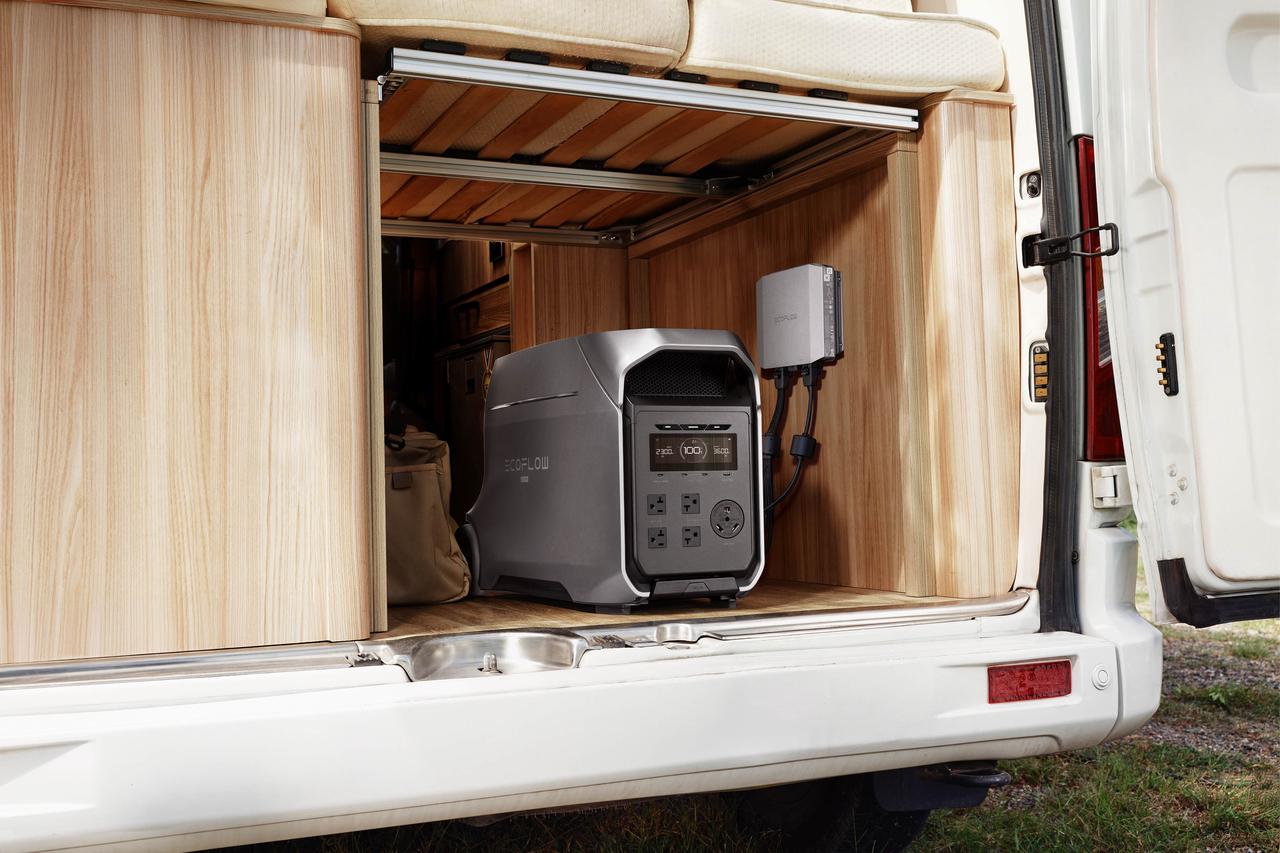
Backup power station: Remote campsites offer no grid access, and multi-night stays drain phone batteries, lighting, and camera equipment quickly. The EcoFlow DELTA 3 Ultra Plus+400W Solar Panel handles this gap efficiently. Its 3600W powerful output, featuring X-Boost mode to support heavy-duty appliances up to 4600W, easily runs an electric camp lantern, a portable fridge, or a CPAP machine. Equipped with automotive-grade full-tab LFP cells, it provides reliable power and tolerates the temperature swings common at high-elevation Alberta campsites. With solar dual charging, it is ready in just 48 minutes, ensuring your essential gear stays powered throughout your trip.
First aid and communication: A comprehensive first aid kit plus a personal locator beacon (PLB) or satellite communicator covers the gap left by unreliable cell service in this remote corridor.
Prioritizing safety gear before comfort items ensures that remote conditions on the David Thompson Corridor remain manageable rather than dangerous. Every item above addresses a documented gap specific to high-elevation Alberta camping.
Make Your 2026 Abraham Lake Trip Count
Three actions determine whether an Abraham Lake camping trip succeeds or stalls: book your site at least 90 days ahead for peak summer dates, pack for sub-10 degree Celsius nights regardless of daytime forecasts, and arrive with a complete bear safety kit. Before leaving home, finalize your reservation through the Alberta Parks portal and download offline maps for the David Thompson Corridor; both take minutes and prevent the most common trip-ending problems.
FAQs
Q1. How Do You Reserve a Site for Abraham Lake Camping?
Book through the Alberta Parks online reservation system up to 90 days before your arrival date. Walk-in sites are available on a first-come basis but fill by Thursday afternoon on summer long weekends. Confirm campfire permit requirements when booking, as conditions change seasonally based on fire risk ratings across Alberta.
Q2. What Is Abraham Lake Alberta Known For?
Abraham Lake Alberta is a man-made reservoir on the North Saskatchewan River, recognized for its vivid turquoise glacial colour, dramatic Rocky Mountain backdrop, and strong photography appeal. In summer, it draws campers, kayakers, hikers, and wildlife watchers along the David Thompson Corridor in west-central Alberta.
Q3. Can You Swim in Abraham Lake During Summer?
It depends; the water originates from glacial snowmelt and stays cold (typically 10 to 14 degrees Celsius) even in July and August, making prolonged swimming uncomfortable and potentially unsafe for children or weaker swimmers. Wading and short dips are common, but most visitors choose kayaking or shoreline activities over extended swimming.
Q4. Why Is Abraham Lake's Water Such a Bright Blue-Green Colour?
The colour comes from glacial rock flour: finely ground mineral particles suspended in meltwater flowing into the North Saskatchewan River. These particles scatter sunlight at specific wavelengths, producing the intense turquoise hue. Colour intensity peaks in June and July when glacial melt rates are highest across the surrounding snowfields.
Q5. How Far Is Abraham Lake From Calgary or Edmonton?
Abraham Lake sits approximately 260 km west of Calgary (roughly 3 hours via Highways 22 and 11) and about 280 km southwest of Edmonton (roughly 3.5 hours via Highways 16 and 11 through Rocky Mountain House). Both routes are paved and well-signed for summer driving conditions.
Disclaimer: This article is for general trip-planning information only and does not replace official park notices, wildfire alerts, weather warnings, medical advice, rescue guidance, or campground rules. Before travelling, check Alberta Parks advisories, Alberta Fire Bans, Alberta Wildfire Status, and the latest campground information from Alberta Parks. Remote areas around Abraham Lake may have limited cell service, fast-changing weather, cold water, wildlife activity, and seasonal access changes. The publisher is not responsible for legal, financial, medical, travel, or safety consequences arising from the use of this information.