Bass Fishing Guide: Best Lures, Techniques, Gear & Tips
Bass fishing in Canada means chasing smallmouth and largemouth across lakes, reservoirs, rivers, and sheltered bays. The two fish don’t hold in the same places or fall for the same presentations, so an hour casting from shore, a day working shoals from a boat, and a few days at a backcountry camp each ask something different of your tackle box. This guide walks through it: where bass hold, which lures to tie on, and the gear worth packing for a longer trip.
What Should You Know Before Bass Fishing in Canada?
Before sorting through lures, get a sense of the water you’ll be fishing. A sheltered bay thick with lily pads fishes nothing like a clear, rocky shoreline, and knowing which bass you’re likely to find helps narrow the search.
Understand Largemouth and Smallmouth Bass
Largemouth Bass (Micropterus salmoides): Largemouth are ambush predators that favour shallow, warmer bays with thick vegetation, lily pads, and submerged timber. They have an olive-green body with a dark horizontal stripe, and the upper jaw extends past the rear edge of the eye.
Smallmouth Bass (Micropterus dolomieu): Known for their jumps and strong runs, “bronzebacks” prefer cool, clear water around rocky shoals, underwater humps, and boulder fields. Their bronze-brown bodies often show vertical bands, and the upper jaw does not extend past the rear edge of the eye.
Learn Where Bass Usually Hold
Bass hold where food and cover come together; on the Canadian Shield, that means looking for smallmouth around rocky points exposed to wind, places where gravel meets sand, and drop-offs beside islands. For largemouth, start with weed edges, sunken logs, docks, and lily pads. Later in fall, as the water cools, check nearby points, reefs, and humps where baitfish gather. When spending long hours tracking these moving schools with electronics, relying on a dedicated power station keeps your fish finder active all day.
Choose Shore, Boat, or Camp Fishing
For a quick morning session, a park dock or a river mouth can be all you need. A boat or kayak lets you move between spots farther apart, while a backcountry camp gives you time to explore the same water over several days. Matching your approach to the time you have makes it easier to explore some of the best fishing spots in Canada, whether from a provincial park dock or a remote Shield lake.
| Fishing Style | Best For | Typical Canadian Scenario | Key Advantage |
|---|---|---|---|
| Shore Fishing | Quick mornings & spontaneous trips | Provincial park docks, road turnouts, river mouths | No boat needed; good for casting to visible cover |
| Boat / Kayak | Reaching secluded shoals & deep structure | Mid-lake humps on major Shield lakes | Freedom to move; map contours with electronics |
| Backcountry Camp | Multi-day wilderness adventures | Crown land portages, fly-in lakes | Access to less-pressured waters |
Which Bass Fishing Lures Work Best?
Start with what you need the lure to do: get through weeds without hanging up, reach a rocky bottom, or get noticed in stained water. Once you’ve worked that out, the choice is much less overwhelming than it looks in the tackle aisle.
Use Soft Plastics Around Cover
A Texas-rigged soft plastic is useful around docks and weeds because the hook point stays tucked into the bait. A 5-inch Senko or a creature bait rigged this way is less likely to snag on stems as you work it through a gap. For a rock pile in clear water, a drop-shot with a small minnow or goby imitation lets you keep the bait just off the bottom. The weight hangs below the hook, so a light twitch of the rod tip is all it takes.
Throw Spinnerbaits in Choppy or Stained Water
When wind puts a chop on the water or runoff makes it harder to see into the shallows, a tandem spinnerbait is worth tying on. Its flash and vibration help fish find it as you bring it along the edge of a cabbage bed. Start with a steady retrieve and pay attention to the depth. On an overcast day with active fish, you can work along a shoreline fairly quickly this way.
Choose Crankbaits for Searching Water
When learning how to catch a bass fish across unfamiliar open water, a crankbait helps you cover ground efficiently until you locate active fish. Choose a medium- or deep-diving model for the depth you’re working, and use a squarebill around shallow rock. The change in direction when it clips a rock can trigger a strike from a following smallmouth. Keep track of where that happens: a bite beside one rocky point gives you a reason to try the next.
Use Jigs Around Deep Structure
Once you’ve found a promising rocky hump, a football jig with a craw trailer lets you work it slowly. Stay in contact with the bottom and feel for changes as the jig moves from larger rock onto gravel or softer ground. The trailer imitates a crayfish creeping over the rocks, a staple fall food across Canadian lakes, and you can soak it in one spot far longer than you could a crankbait. Depth matters, too, if you plan to release your catch: Ontario’s catch-and-release guidance advises against targeting bass deeper than five to six metres because bringing them up can cause pressure-related injuries.
Try Topwater Lures in Low Light
On a calm morning or evening, a walking bait can pull fish up over open water, while a hollow-body frog suits lily pads and thicker surface cover. A popper gives you another option around openings and edges: twitch it, let it settle, then move it again. Leave room for those pauses. Constant surface disturbance is not always necessary to get a bass’s attention, and when a bass does commit, the blowup is anything but subtle.
How Can You Improve Your Bass Fishing Techniques?
A bite tells you more than just which lure worked. It tells you where you cast, how deep the lure was running, and whether the fish took it while it moved or paused. Those details give you something to repeat on the next cast.
Fish Weed Beds and Rocky Points
Before you cast to fish for bass along weed beds or rocky points, pick out a feature: the outside edge of a wild rice bed, a gap in the weeds, or the lip of a rock ledge gives you a much smaller area to work than the whole bay. Try an angle that brings the lure along that edge, keeping it near the places a fish might be holding. A small change in where you stand or position the boat can make the same spot easier to fish.
Adjust Your Retrieve Speed
If the water is cold and fish seem reluctant to chase, slow down and leave longer pauses between movements. Give a bottom bait time to settle before pulling it again. If you see baitfish scattering in warmer shallows later in the day, try a quicker retrieve and see whether bass follow. The time of day alone won’t tell you how fast to fish; the fish will.
Change Lures When Fish Stop Biting
A bass that follows a surface lure without striking has at least shown you where it is. Try a weightless worm in the same area, or an underspin for a different look below the surface. If you’ve had no response at all, it’s also worth rethinking your casting angle and depth. You can spend a lot of time changing lures when the fish are simply somewhere else.
Fish During Low-Light Periods
Early morning and dusk are good times to try shallower water, when bass may move away from heavier cover to feed. Cloud cover can stretch that window well into the day. If you’re fitting a short session around work or a family trip, either end of the day is a useful starting point, where keeping a portable power station handy ensures your boat lights and electronic gear stay powered in dim conditions.
What Bass Fishing Gear Do You Need?
The lures you use most will help you decide which setup to buy first. Light plastics and finesse work suit spinning gear; heavier lures around cover call for a baitcaster. Start with the fishing you have access to, and add gear as you find a use for it.
Choose a Suitable Rod and Reel
These two setups cover a wide range of bass fishing situations:
Spinning Combo (around 7’ Medium, Fast Action): Paired with a 2500-size reel, this setup offers the sensitivity and versatility needed for drop shots, Ned rigs, and light plastics. Shimano, for example, offers a 2500-size spinning combo with a 7’ Medium, Fast-action rod.
Baitcasting Combo (7’ Medium-Heavy, Fast Action): Matched with a low-profile reel, this setup provides the power and control needed for techniques such as jigs and spinnerbaits around cover. Abu Garcia offers a 7’ Medium-Heavy, Fast-action baitcast combo with a low-profile reel.
Pack Lines, Hooks, and Terminal Tackle
For the spinning setup, 10-15 lb braid is a useful starting point; for the baitcaster, 30-50 lb. Adjust the strength for the cover you’re fishing. Braid has little stretch, which helps you feel the lure and set the hook. As outlined in In-Fisherman’s terminal tackle standards, an 8-12 lb fluorocarbon leader suits lighter presentations in clear water, while heavier cover calls for a stronger leader or a different line setup. Alongside spare line, pack offset worm hooks from 1/0 to 4/0, tungsten bullet weights, and drop-shot weights.
Bring a Tackle Box and Landing Net
With lures divided by depth and style, you can pick out your next lure without digging through a tangle of treble hooks. A simple utility tray does the job. Keep the landing net within reach. Rubber-coated mesh helps protect a fish’s slime coat and is less likely to snag hooks, so unhooking and releasing the fish is easier.
Prepare Navigation and Fishing Electronics
Download offline maps of the area before the trip and open them on your phone in airplane mode while you’re still at home. If something is missing, you can fix it before you reach a lake with no cell service. A handheld GPS is another backup option. On the water, a sonar/GPS chartplotter helps you read bottom hardness and weed edges, and mark the spots worth remembering. Depending on conditions and settings, sonar may also show the thermocline, where water temperature changes sharply with depth.
Pack Reliable Outdoor Power Sources
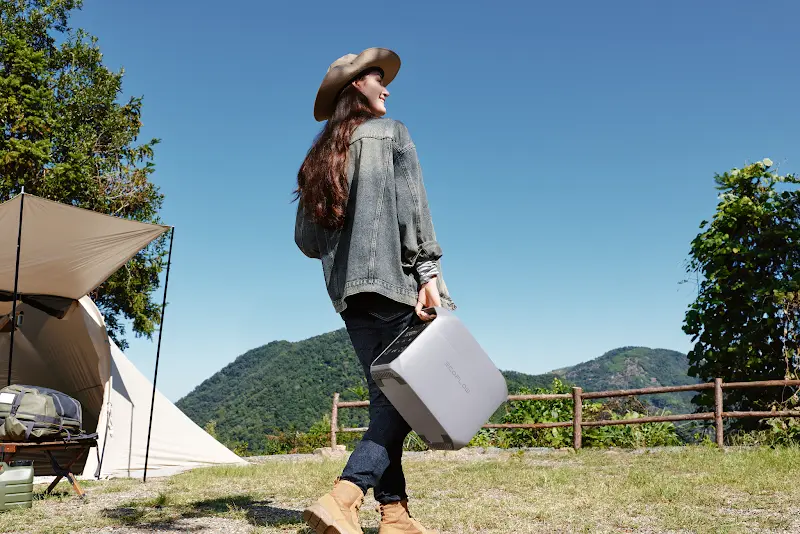
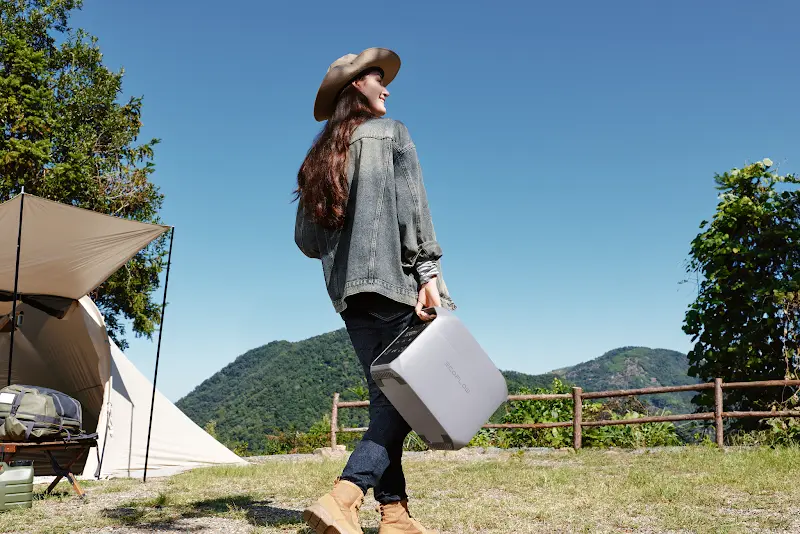
Power rarely makes the packing list until something goes dead an hour from the truck. Spending long days along remote shorelines or out on a boat requires dependable power for phones, fish finders, and handheld GPS units. The EcoFlow DELTA 3 Classic Portable Power Station provides versatile, steady power to run multiple outdoor electronics during fishing sessions, basecamp setups, and road trips. With off-grid charging capability throughout the day, it helps prevent depleted batteries from cutting your trip short, allowing you to focus on fishing.
Tips to Stay Comfortable on a Bass Fishing Trip
A short session can turn into a full day when the fishing is good. Pack with that possibility in mind, especially in fall, when a warm afternoon can make you forget how cold the ride back will be.
Keep Food and Drinks Fresh Outdoors
Cold storage deserves the same planning as tackle once a quick morning becomes a full day out. Fall fishing trips often mean full dawn-to-dusk days on the water, making proper food and drink storage an essential consideration. The EcoFlow GLACIER Classic Portable Fridge Freezer provides reliable off-grid cooling to keep food, lunch provisions, and drinks properly chilled. Having fresh snacks and ice-cold water on hand makes long stretches on the boat or dock significantly more comfortable and self-sufficient.
Dress for Changing Fall Weather
Layers give you room to adjust between a cold boat run and a warm lunch stop. Wear moisture-wicking merino wool next to the skin, with fleece or a packable down mid-layer for insulation and a windproof, waterproof shell ready for a change in weather. Keep a pair of warm neoprene gloves close at hand in a dry bag. Put the extra layer on while you’re still comfortable; warming up takes more effort once you’re chilled and sitting still with a rod in your hands.
Plan Breaks During Longer Fishing Sessions
On a long day out, a shore lunch is a chance to rest your shoulders and lower back, eat something warm, and drink some water. Build it into a session of six to eight hours, especially if you’re hoping to fish through the evening bite.
Conclusion
At the end of a trip, make a note of where largemouth or smallmouth were holding, which lures worked, and what you changed when a fish followed but wouldn’t bite. Those are useful starting points next time you fish that water, even if the tackle box stays small. Before each outing, check the season, licence requirements, and catch limits for the province and waterbody.
FAQ
How to Get Started in Bass Fishing?
A 7-foot, medium-power spinning rod with a matching reel is a practical place to begin. Spool the reel with 10-pound braid, add a fluorocarbon leader, and take a pack of 5-inch soft plastic stickbaits. An accessible weed edge, dock, or rocky point gives you a target while you practise placing the bait and feeling what it does underwater. Add more tackle once you’re comfortable with those basics.
What Attracts Bass the Most?
Movement, vibration, and the appearance of something worth eating can all draw a bass’s attention. Their lateral line picks up pressure changes in the water, so a lure that bumps a rock or deflects off wood won’t go unnoticed. More commotion isn’t always better, though. If fish follow without biting, a quieter presentation may be worth trying.
How Long Can a Bass Be out of Water?
Keep it in the water as much as possible, including while you remove the hook. Ontario’s catch-and-release guidance recommends aiming for no more than 10 seconds of total air exposure from catch to release. Have pliers ready, wet your hands before handling the fish, and support it horizontally with two hands if you need to lift it. If a photo would delay an immediate release required by the rules, skip it.
What Time of Day Are Bass Most Aggressive?
Early morning and late afternoon into dusk are often productive, as lower light can bring bass out of cover to feed. They’re worth planning a trip around, but they aren’t the only feeding windows. Overcast conditions may keep fish active longer, and temperature, cover, and available food also affect when and where they bite.