Family vs. Solo Van Life in Canada: What Are the Differences?
- What Does Van Life in Canada Really Look Like for Families vs Solo Travelers?
- Which Van Life Essentials Matter Most for Family vs Solo Setups?
- How Do Space, Budget, and Daily Routines Differ in Van Life?
- Can a Solar-Powered Van Support Family Travel as Easily as Solo Van Life?
- How to Choose Between Family and Solo Van Life Before You Commit
- Why Is Energy Storage Becoming Essential for Modern Van Life?
- Build a Smarter Van Life Setup for the Long Run
- FAQs
Van life in Canada appeals to people who want freedom, flexibility, and a closer connection to the road. Yet the experience can look very different depending on who is traveling. Solo van life often allows for simpler routines and greater spontaneity, while family van life usually calls for more space, more planning, and more reliable day-to-day systems. Those differences shape everything from comfort and budget to power needs and long-term sustainability.
What Does Van Life in Canada Really Look Like for Families vs Solo Travelers?
In Canada, solo van life is usually easier to manage on a daily basis. One person needs less space, carries less gear, and can change plans more easily. That makes it simpler to deal with long drives, sudden weather changes, and limited overnight options.
Family van life works differently. The same van has to support more people, more belongings, and more daily tasks. Sleeping, meals, clothing, and downtime all take more coordination. Once wet gear, cold evenings, or a fully booked campground enter the picture, the pressure on space and routine becomes much more noticeable.
The biggest difference is not the vehicle itself, but how much support daily life needs. Solo travelers can often adapt as they go. Families usually need a setup with better storage, clearer routines, and fewer weak points. In Canada, that often leads to more planning, a more comfort-focused layout, and a stronger power setup.
Daily Reality Check
Solo van life generally suits travelers who want flexibility and can live comfortably with a simpler setup. Family van life usually suits people who value shared travel and are prepared to give more attention to organization, comfort, and consistency.
Which Van Life Essentials Matter Most for Family vs Solo Setups?
Van life essentials change quickly when more people share the same space. A solo traveler can usually pack light and stay comfortable. A family often needs more backup items, a stronger organization, and a more reliable charging plan to keep daily life running smoothly.
Core Van Life Essentials for Solo Travel
Bedding that dries quickly
A compact cooking kit
One clear storage zone for clothing
Lighting, phone charging, and airflow
A simple first-aid and roadside kit
Extra Van Life Essentials Families Usually Need
Larger food and water capacity
Better organization for daily-use items
More charging points and cables
A stronger plan for wet clothing and shoes
Backup entertainment and bedtime comfort items
A family setup does not need endless gear. It needs the right gear in the right places. That usually means fewer loose items, more stackable storage, and easier access to the things people reach for every day. Van life gets smoother when routine tasks take less effort, especially after a long driving day.
How Do Space, Budget, and Daily Routines Differ in Van Life?
Space is a much bigger issue in family van life than in solo travel. One person can manage with a compact layout and less gear. A family usually needs better storage for clothing, bedding, food, and daily-use items, or the van quickly feels crowded.
Budget is also different. Family van life usually means higher fuel, food, laundry, campground, and build costs. In Canada, busy-season camping often requires earlier booking, which adds another layer of planning. Solo travelers can usually stay more flexible, while families often need a steadier routine to keep the trip comfortable.
| Area | Solo Van Life | Family Van Life |
| Layout | Compact and flexible | Needs zones and better storage |
| Costs | Lower daily spend | Higher fuel, food, and site costs |
| Routine | Easy to change on the fly | Runs better with structure |
| Stress points | Loneliness or fatigue | Clutter, privacy, and coordination |
Can a Solar-Powered Van Support Family Travel as Easily as Solo Van Life?
A solar-powered van can support both styles of travel, yet the size of the power system matters a lot. One person charging a phone, a laptop, lights, and a fan can often stay within a modest daily load. A family tends to cluster energy use into the same evening hours. Lighting, charging, cooling, meal support, and screen time often land in one block. That pushes battery capacity from a convenience item into a comfort essential.
Why Power Needs Can Increase Quickly
A few everyday needs can raise power use much faster than many travelers expect:
A fridge running all day
Several devices charging at once
Longer indoor time during rain or cold
More airflow needs in warm weather
Work or school tasks on the road
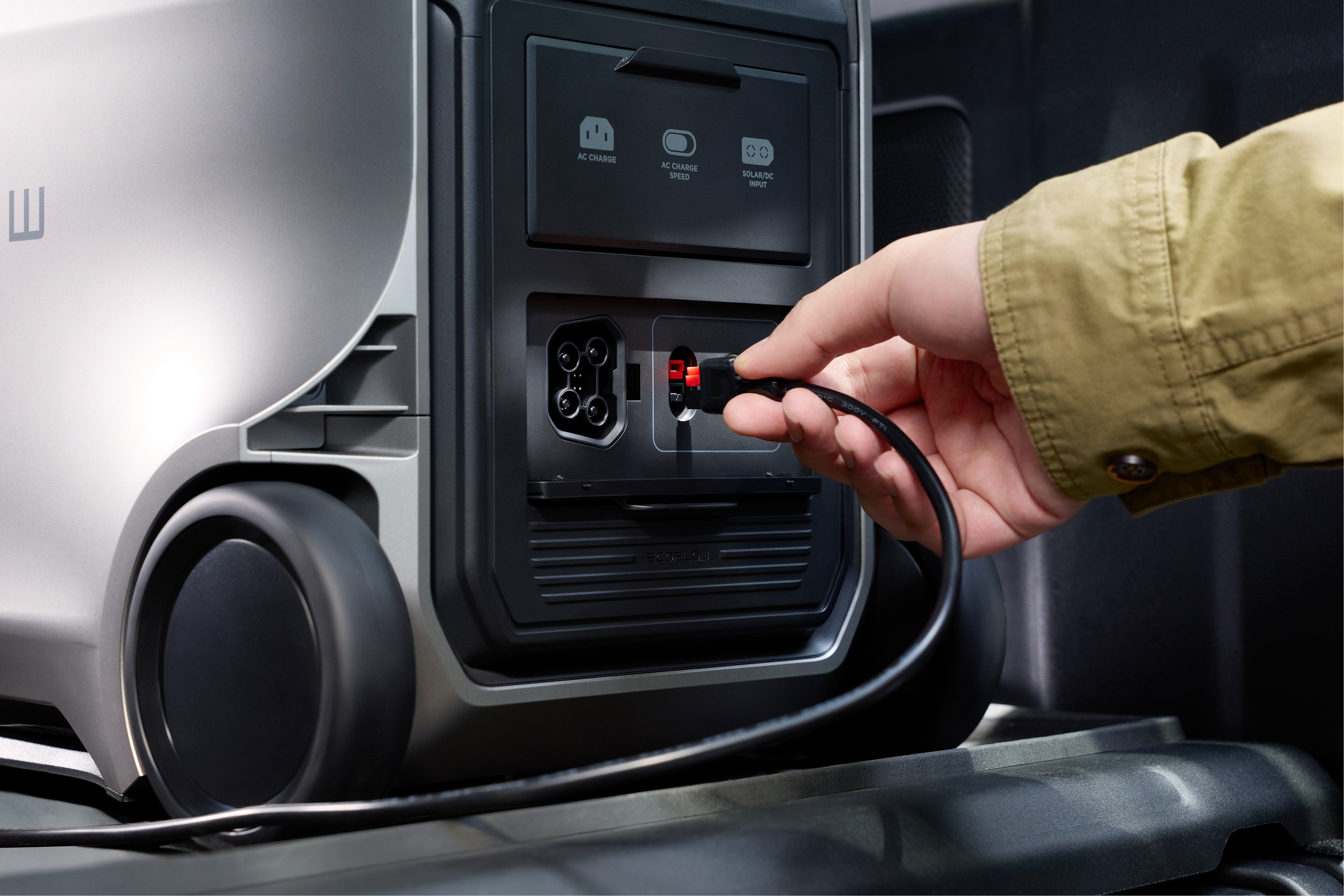
That is also where solar panels for van setups become more useful. Rooftop or portable solar helps collect energy during the day, yet sunlight alone is rarely the full answer for Canadian travel. Cloud cover, tree cover, route changes, and shorter winter daylight reduce charging opportunities. A more dependable arrangement pairs solar input with battery storage and another charging path while driving or parked with access to shore power.
How to Choose Between Family and Solo Van Life Before You Commit
The choice depends on daily needs. Solo van life usually suits travelers who want flexibility, lighter gear, and a simpler routine. Family van life usually suits those who need more space, more organization, and a setup that can support shared daily life more comfortably.
A Practical Decision Filter
Choose solo van life if these points sound familiar:
You want freedom to change routes easily
You can live with a smaller kitchen and less storage
You do not need much privacy from others
Your daily power use stays relatively light
Choose family van life if these points feel closer to home:
Shared travel matters enough to justify extra planning
Comfort and routine shape the trip in a positive way
You need stronger storage, better airflow, and more sleeping support
Your van life setup has to carry more gear and a stronger power system
The right choice depends on how much space, organization, and daily support your trip requires. Solo travel usually works with a simpler setup, while family travel usually needs a layout and power plan that can support more people comfortably.
Why Is Energy Storage Becoming Essential for Modern Van Life?
Modern van life depends on electricity in a way older road-trip setups often did not. Navigation, phones, work devices, lighting, refrigeration, and airflow all compete for power. Once trips get longer or more remote, charging becomes part of the living system rather than a side issue. In Canada, shifting temperatures and long stretches between services can make dependable stored power feel even more important.
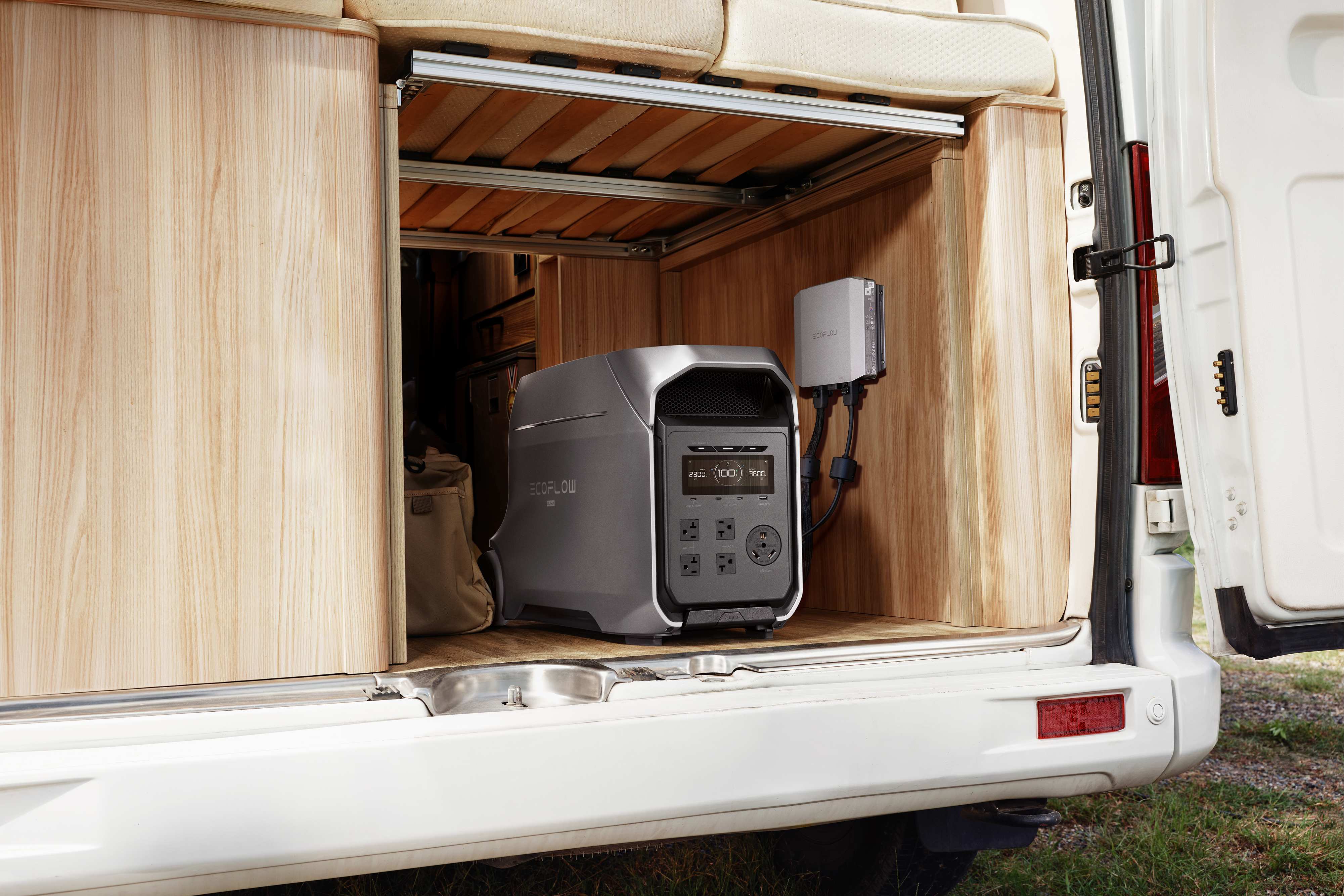
For travelers who want a simpler upgrade, the EcoFlow DELTA 3 Ultra Plus stands out for its expandable capacity, growing from 3kWh to 11kWh, and its 3600W output, which makes it easier to support longer van life stays with changing daily power needs. With a more dependable power setup in place, daily van life becomes easier to manage. Food storage stays reliable, devices remain charged, and the whole trip feels more comfortable during longer stays or less predictable travel days.
Build a Smarter Van Life Setup for the Long Run
The best van life setup is the one that fits how you actually travel. For solo travelers, that often means keeping things simple, flexible, and easy to manage. For families, comfort usually depends on better organization, more usable space, and a stronger power plan. When your setup supports your real daily needs, life on the road feels smoother, less stressful, and far more sustainable over time.
FAQs
Q1. Is van life in Canada realistic during winter?
Yes, but only with the right setup and expectations. Winter van life can work well if your van is prepared for cold weather, moisture control, and shorter daylight hours. It also helps to plan routes around road conditions, available services, and indoor backup options. For many people, shoulder seasons are easier than going fully year-round.
Q2. Do you need a permanent mailing address for van life?
Yes, in most cases, you do. Even if you live on the road, you still need a stable address for registration, insurance, banking, and routine deliveries. Many van lifers use a family member’s address or another trusted long-term solution. Sorting this out early prevents unnecessary stress once you are already traveling.
Q3. Is stealth parking a reliable long-term option in Canada?
No, not as a long-term plan. It may seem convenient for an occasional overnight stop, but rules, enforcement, and local attitudes vary widely. Relying on it too often can make van life feel uncertain and tiring. A more sustainable approach is to combine legal campsites, approved overnight stays, and well-researched backup options.
Q4. Can you work remotely while living in a van?
Yes, but it takes more planning than many people expect. Reliable van life remote work usually depends on mobile signal quality, a practical daily schedule, and a setup that supports focused work time. Many travelers also benefit from having backup work locations, downloaded files, and a clear routine for charging devices before the workday begins.
Q5. Should first-time van lifers rent before buying or building?
Yes, that is usually the smartest move. A short rental or test trip can reveal things that online research cannot, such as how you sleep, cook, store gear, and handle bad weather in a small space. It is one of the easiest ways to avoid spending too much on a layout that does not fit your actual travel habits.