The Ultimate Guide to RV Generators in 2026
- Why RV Generators Matter More Than Ever in 2026
- What Are the Main Types of RV Generators
- How to Choose the Right RV Generator for Your Setup
- What Are the Best RV Generators to Buy in 2026?
- How Can You Operate, Maintain, and Store RV Generators Safely
- Final Recommendations for Choosing the Best RV Generator
- FAQ
If you’re planning a trip along the Trans Canada Highway or setting up camp in a quiet corner of the Rockies, you already know that RV travel today isn’t about “roughing it” anymore. By 2026, powering your adventures has shifted toward smarter, quieter, and more sustainable solutions that fit how people actually travel.
This guide explains why power management has become central to modern RVing, how to choose the right generator setup for your specific rig, and which generator options make the most sense for Canadian roads and campgrounds this year.
Why RV Generators Matter More Than Ever in 2026
Whether you’re set up beside a quiet lake in Ontario or rolling along the rugged coast of BC, your power setup is more than a convenience, it’s your lifeline. Over the last few years, the way people camp and travel by RV has changed a lot, and power expectations have changed with it. As travel habits shift, more RVers are exploring practical ways to power RV off-grid that fit quieter campgrounds and longer off-grid stays.
Changing Camping Rules and Noise Restrictions
Across Canada and the U.S., national parks and private campgrounds have cracked down on noise. In 2026, the old-style contractor generator that rattles the whole campground isn’t just annoying, it often breaks park rules. Quiet operation is no longer a “nice to have,” it’s a requirement if you want to stay welcome.
Growing Power Needs in Modern RVs
RV life today looks very different than it did a decade ago. It’s no longer just a few lights and a coffee maker. Many rigs now run Starlink for internet, induction cooktops, laptops, and efficient air conditioners, all of which need stable, reliable power, not short bursts or noisy surges.
The Shift Toward Quiet, Clean, and Efficient Power
The direction is clear: people want the outdoors without the fumes, vibration, or constant engine noise. More RVers are choosing power solutions that run silently, don’t disturb wildlife, and let you actually enjoy where you’re parked, whether that’s a forest pull off or a crowded summer campground.
What Are the Main Types of RV Generators
Choosing the right power setup really comes down to how you travel and where you like to park. Some RVers hop between serviced campgrounds, while others disappear down a logging road for a few quiet nights off-grid. In 2026, RV generators generally fall into four main categories, each with its own pros and trade-offs.
Inverter Generators for Quiet and Clean Power
Inverter generators are still a solid choice for folks who prefer fuel powered gear but don’t want the noise. They automatically ramp the engine up or down based on demand, which saves fuel and keeps things quiet enough to sit outside with a coffee and have a normal conversation. In most Canadian campgrounds, this is about as loud as you can be without annoying your neighbours, or the park staff.
Conventional Open-Frame Generators for High Output
These are the old school workhorses. They’re powerful and usually cheaper upfront, but they’re also loud and heavy. Because of that, they’ve fallen out of favour for recreational use. You’ll still see them on job sites or used for emergency home backup, but in campgrounds, especially in provincial parks, they’re often restricted or outright banned.
Portable Power Stations and Solar Hybrid Systems
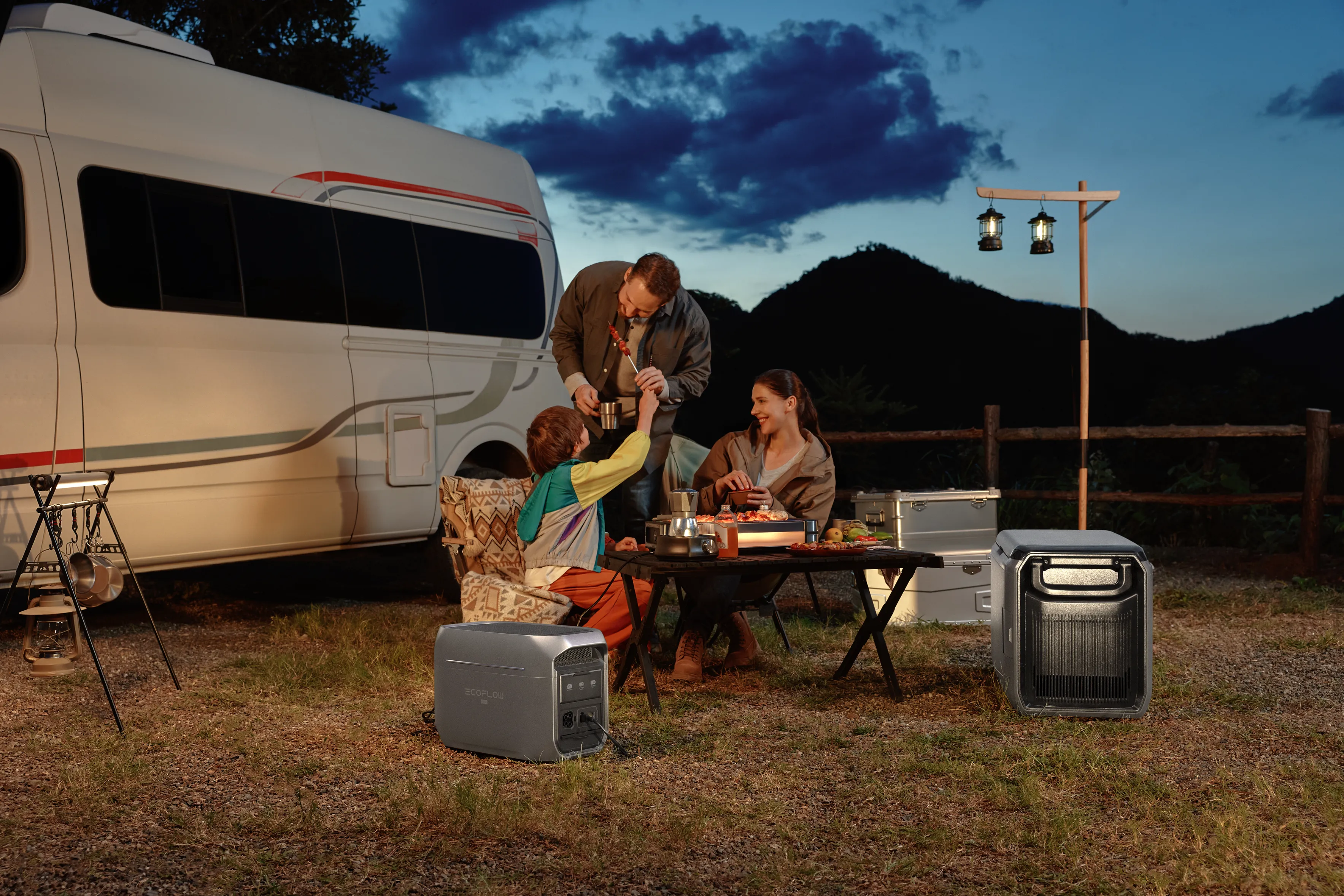
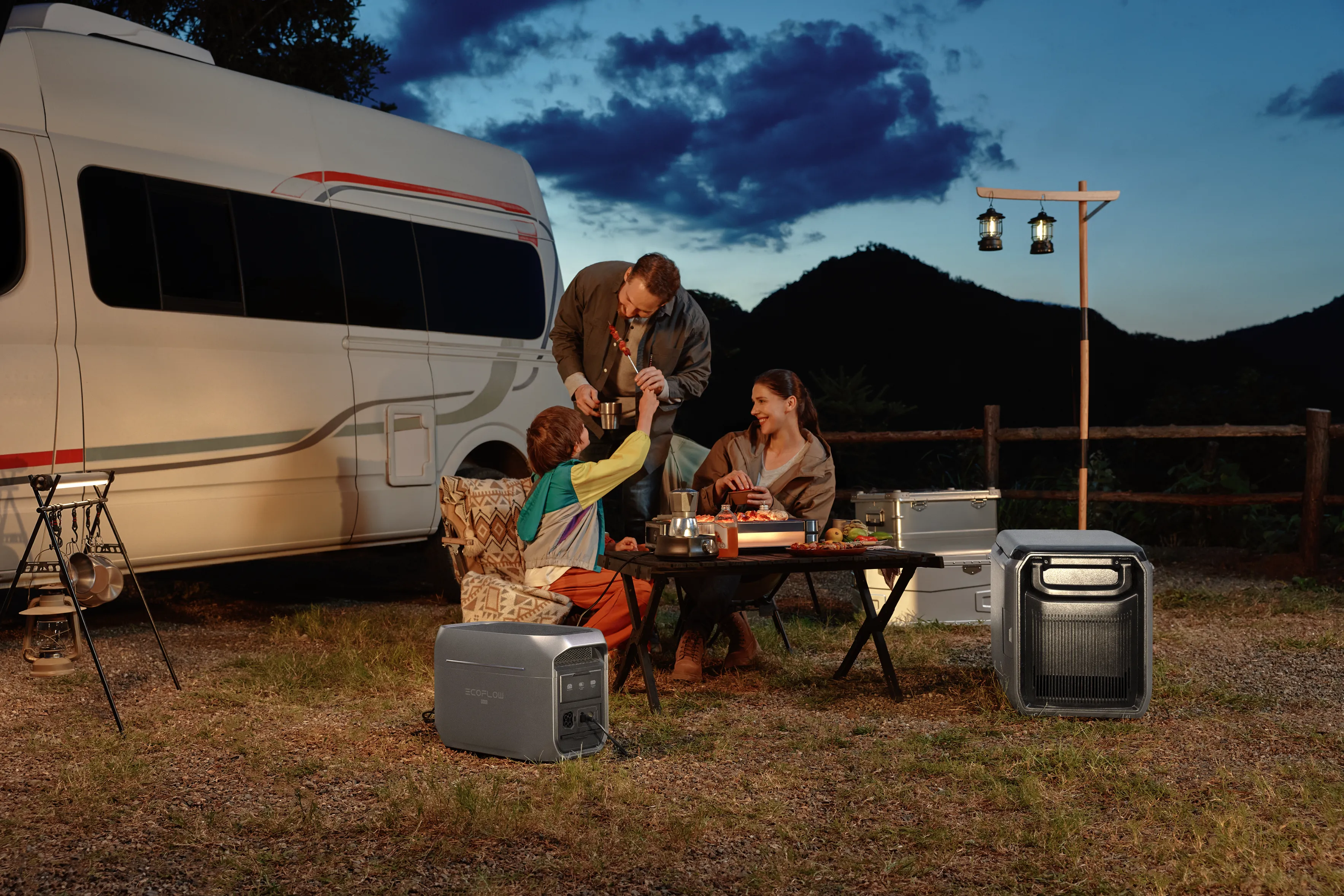
This is where RV power really changes in 2026. Portable power stations and solar hybrids deliver completely silent, fume free energy. You can top them up with solar panels while you’re hiking, paddling, or just enjoying a long summer day. For many Canadians, this setup turns their RV into a small self-sustaining power system, no gas cans, no smells, and no noise complaints.
Built-In RV Generators for Motorhomes
Larger Class A and Class C motorhomes often come with built-in generators that run off the rig’s main fuel tank, usually diesel or propane. They’re convenient and fully integrated, push a button and you’re good to go, but they still involve engine noise and regular maintenance, which isn’t for everyone.
Bottom line: Inverter generators are still popular for traditional fuel users, but for a lot of RVers in 2026, especially those who value quiet nights, simple setups, and campground friendly power, portable power stations and solar hybrids are quickly becoming the go-to option.
How to Choose the Right RV Generator for Your Setup
It’s tempting to grab the biggest generator you can afford and call it a day, but that usually leads to wasted money, extra weight, and gear you don’t really need. The best RV generator is the one that fits how you travel, camp, and live on the road.
Calculate Your Power Needs
Start by listing everything you plan to run at the same time. Lights and laptops are easy, but appliances with compressors, like fridges, air conditioners, or power tools, need a higher starting wattage than their normal running draw. That surge at startup is where a lot of generators fall short. A unit that looks strong on paper can still struggle when real world loads kick in, especially on hot summer afternoons.
Match Generator Output to Your RV
Choosing the right rv generator size starts with understanding how much power your specific rig actually needs, rather than simply buying the largest unit available. Your rig size gives you a pretty good baseline:
Small trailers or camper vans: 1,000W-2,000W is usually enough for lights, phones, and a laptop.
Mid-sized campers: Around 3,000W hits the sweet spot for running a microwave or a single AC unit.
Large fifth wheels: Plan for 4,000W or more if you want to keep everyone comfortable without juggling appliances.
Control Noise and Follow Campground Rules
Noise matters, especially in popular spots. Many Canadian parks enforce quiet hours and decibel limits. If you’re camping somewhere busy like Banff or Jasper, aim for a generator rated under 60dB. That keeps you on the right side of the rules and helps everyone sleep a little better.
Choose Fuel Type and Runtime
Gas is still easy to find, but hauling fuel cans isn’t much fun. More Canadians are moving toward electric power stations, mainly because they’re clean, quiet, and easy to recharge, especially with solar panels during long summer days when the sun sticks around until late.
Balance Safety Features and Budget
Safety shouldn’t be an afterthought. For gas units, look for built-in carbon monoxide shut-off sensors. For electric generators, a solid battery management system (BMS) helps protect your RV electronics from surges and overheating. Spending a bit more upfront on safety can save you a lot of headaches later.
At the end of the day, the right RV generator isn’t about max specs, it’s about getting reliable power that fits your setup, your budget, and the way you like to travel.
What Are the Best RV Generators to Buy in 2026?
If you’re shopping for an RV generator in 2026, you’ll notice a clear shift in the market. High density lithium power stations have taken centre stage, offering serious output without the noise, fumes, or ongoing maintenance that come with traditional fuel generators. For many Canadian RVers, that balance of power and simplicity is exactly what matters most.
1. EcoFlow Delta 3 Max Plus
For off grid travellers who don’t like making compromises, the EcoFlow DELTA 3 Max Plus Portable Power Station (2048Wh) stands out as a true all rounder this year. With a large 2048Wh capacity, it has no trouble handling demanding appliances like microwaves, countertop ovens, or full size RV fridges.
Where it really shines is charging speed. If you’re doing a quick stop at a rest area along the Trans Canada or plugging in briefly at a campground, you can top it up fast and get back on the road without killing your schedule. That extra headroom makes a big difference for full time RVers or families running multiple high draw devices at once.
If your setup leans heavier, long stays, more appliances, or remote camping, the Delta 3 Max Plus gives you that extra breathing room without overthinking power management.
2. EcoFlow DELTA 3 Classic
For smaller campers, converted vans, or weekend trips, the EcoFlow DELTA 3 Classic Portable Power Station (1024Wh) hits a nice balance. It’s noticeably lighter and easier to move around, which matters when storage space is tight and every kilogram counts.
Despite its smaller footprint, it still delivers enough power to keep essentials running, charging devices, running a fridge, and covering basic comforts without fuss. It’s a solid choice for RVers who want reliable backup power without hauling more gear than they need.
In short, if you’re travelling light and keeping things simple, the DELTA 3 Classic makes sense. If you’re living on the road or pushing farther off grid, the Delta 3 Max Plus gives you the flexibility to do more, with less stress about your power supply.
How Can You Operate, Maintain, and Store RV Generators Safely
A bit of regular care goes a long way, especially when you’re camped hours from the nearest town or cell signal. The goal is simple: keep your generator reliable, safe, and ready when you actually need it.
Perform Routine Maintenance
For gas generators, stick to the basics: change the oil, check the air filter, and replace spark plugs as needed. Skipping maintenance usually comes back to bite you when you’re nowhere near a service shop. For portable power stations like the EcoFlow Delta 3, upkeep is minimal. Keep the firmware updated and make sure the vents stay clean so heat can escape properly.
Operate Safely and Prevent CO Risks
Never run a gas or propane generator inside your RV, under an awning, or in any enclosed space. Carbon monoxide builds up fast and is extremely dangerous. Even electric units need airflow. When you’re pulling higher loads, give the unit space so it doesn’t overheat.
Use Proper Cords, Adapters, and Parallel Kits
Use heavy duty, weather-rated extension cords designed for outdoor or RV use. Cheap cords can overheat and fail under load. If your power station supports it, a parallel kit lets you link two units together for higher output, which can be a big help during hot days or longer off grid stays.
Store Generators for Seasonal Use
When camping season winds down and winter sets in, store your generator in a cool, dry place. For battery units, leave them charged around 60-80%. This helps protect the battery over the winter and keeps it ready for the next trip.
Final Recommendations for Choosing the Best RV Generator
In 2026, the best RV generator is simply the one that lets you enjoy the trip without worrying about losing power. Quiet operation, quick charging, and low maintenance matter a lot more than raw specs on paper. That’s why many modern RVers are leaning toward battery-based systems like the EcoFlow Delta 3 series, they’re silent, easy to live with, and don’t need constant attention.
The key is matching the generator to how you actually travel. Pick enough wattage for your real needs, not a worst-case scenario, stay mindful of campground noise rules, and keep things simple. Do that, and you’ll spend more time enjoying the outdoors and less time thinking about power.
FAQ
1. How far should a generator be from an RV?
A generator should be placed at least 20 feet (about 6 metres) away from your RV. This helps prevent carbon monoxide from drifting into the living or sleeping area and also keeps the noise from becoming a problem, especially in campgrounds.
2. How many watts does an RV microwave use?
Most RV microwaves are rated at 700 to 1,200 watts of cooking power, but they actually pull closer to 1,000 to 1,500 watts from a generator while running. That extra draw is important to factor in when sizing your power setup.
3. Can I plug my 30-amp RV into a generator?
Yes. You can connect a 30 amp RV to a generator using a 30 amp RV outlet or a proper adapter. Just make sure the generator can handle your total load, especially if you’re running an air conditioner or other high draw appliances at the same time.
4. What is the 20-20-20 rule for generators?
The “20-20-20 rule” is more of an unofficial guideline shared among RVers, not a formal safety standard. For safe operation, always follow the generator manufacturer’s instructions and any campground or park regulations.
5. Is a 5000-watt generator large enough for an RV?
Yes. A 5,000 watt generator is generally enough to run most systems in a standard RV, including air conditioning. For many families and full time RVers, it’s considered a solid balance between power, size, and fuel efficiency.