Top 10 RV Parks in Canada for Spring Camping (2026 Guide for Canadian RVers)
- 10 RV Parks in Canada for Spring Camping
- 3. Discover Mew Lake’s Year-Round Accessibility
- 4. Stay at Mount Kidd RV Park
- Are RV Parks in Canada Open in Spring? (Full Service Guide)
- What Essential Gear Should You Pack for Spring?
- How to Solve RV Power Limitations Off-Grid?
- Essential Precautions for Your Spring RV Road Trip
- Conclusion
- FAQ
Spring in Canada is less of a season and more of a mood. As the snow thaws and the landscapes begin to stir, thousands of us are already mapping out the first routes of the year. From the rugged coastlines of Vancouver Island to the red sands of PEI, the options are spectacular, but the shoulder season is a different beast entirely. You need a “prepare for everything” mindset to handle the unpredictable weather and power needs.
In this guide, we’ll explore the premier destinations for your home-on-wheels and provide essential tips for navigating the unpredictable shoulder season. Here’s the key: we’ll also dive into how to keep your power needs and safety fully covered when the mercury dips.
10 RV Parks in Canada for Spring Camping
Here are ten top-tier choices that cater specifically to the needs of Canadian RVers in 2026.
1. Visit Banff National Park in Alberta
Tunnel Mountain Village II is the crown jewel for mountain lovers. It offers year round electrical hookups with unparalleled views of Mount Rundle. It’s the perfect basecamp for exploring the Bow Valley before the heavy summer crowds arrive. While the nearby Village I opens in mid-May and the Trailer Court typically opens in early May, Village II remains a reliable year-round anchor for early spring trips.
Type: Year-round National Park Campground
2026 Status: Open Year-Round
Best for: Iconic mountain views & early spring hiking
Hookups: Electricity (15/30 amp standard; select sites up to 50 amp available by reservation), water, and sewer
2. Relax at Pacific Rim, British Columbia
Located within the Pacific Rim National Park Reserve, Green Point Campground offers a misty, coastal escape. Waking up to the sound of crashing Pacific waves and the scent of ancient cedars is a quintessential West Coast experience.
Type: National Park Coastal Campground
2026 Opening: May 1, 2026
Best for: Surfing, storm watching, and coastal rainforest vibes
Hookups: Electricity only (select sites); shared water filling stations
3. Discover Mew Lake’s Year-Round Accessibility
Situated in the heart of Algonquin Provincial Park, Ontario, Mew Lake is a favorite for those who don’t want to wait for summer. With heated comfort stations and many electrified sites, it’s a haven for early-season birdwatchers. Another thing to love is the easy access to the Fat Biking trails that are often still firm in the early spring.
Type: Provincial Park Campground
2026 Status: Open Year-Round
Best for: Wildlife viewing and serene lakefront camping
Hookups: Electricity (30 amp); shared water filling and dump stations (no individual site water/sewer)
4. Stay at Mount Kidd RV Park
Nestled in Kananaskis Country, Alberta, this park offers a premium experience with a dramatic mountain backdrop. It’s highly regarded for its clean facilities and proximity to the Kananaskis Nordic Spa. Here’s the key: in early May, most loops offer “Power Only” to protect pipes from the overnight frost, moving to full services mid-month.
Type: Privately-operated Provincial RV Resort
2026 Opening: Loops open staggered starting May 1 (Full service starts May 17)
Best for: Luxury amenities and access to world-class hiking trails
Hookups: Full hookups (Water, 30/50 amp Power, Sewer, Cable TV)
5. Enjoy the Scenery at Crystal Cove Resort
Located near Tofino, BC, this resort is famous for its beachfront views and well maintained gravel pads. It’s an ideal spot for storm watching in the early spring while staying cozy in your rig. Many popular 2026 dates book up fast, but the gravel pads make it one of the most reliable mud-free spots on the island.
Type: Beachfront RV Resort
2026 Status: Open Year-Round
Best for: Families and pet owners looking for a premium beach escape
Hookups: Full hookups (30 amp Electricity, Water, Sewer)
6. Explore Cavendish Campground in PEI
Experience the charm of Prince Edward Island’s North Shore. Cavendish offers spacious sites just a short walk from the iconic red cliffs and sandy beaches that inspired Anne of Green Gables.
Type: National Park Seaside Campground
2026 Opening: June 10, 2026 (Beach areas open mid-May)
Best for: Red sand beach exploration and historical sightseeing
Hookups: Electricity, water, and sewer (on premium sites)
7. Camp at Living Forest on Nanaimo
This 53-acre park on Vancouver Island combines the best of the forest and the ocean. It’s a full service destination where you can watch eagles soar over the Nanaimo River right from your RV window. For 2026, they’ve launched a new “Rooted in Community” initiative with spring activities running as early as April.
Type: Full service RV Park and Campground
2026 Status: Open Year-Round
Best for: Long term stays and kayaking enthusiasts
Hookups: Full hookups (30/50 amp Power, Water, Sewer, Wi-Fi)
8. Discover Bon Echo in Eastern Ontario
Known for the massive Mazinaw Rock rising out of the water, Bon Echo Provincial Park offers a deep connection to Canadian history and nature. The dedicated RV sites are well shaded and provide great privacy for those early season campfires.
Type: Provincial Park Heritage Site
2026 Opening: May 8, 2026
Best for: Canoeing and viewing indigenous pictographs
Hookups: Electricity (select sites); centralized water and dump stations
9. Experience Forillon National Park in Quebec
Located at the tip of the Gaspé Peninsula, Forillon is where the mountains meet the sea. It offers a unique cultural flavor and some of the best whale-watching opportunities in Eastern Canada. Regular fees apply starting in late May, but it’s worth every cent for those dramatic cliffside sunrises.
Type: National Park Adventure Campground
2026 Opening: May 29, 2026
Best for: Dramatic cliffside scenery and marine wildlife
Hookups: Electricity and water (select sites)
10. Visit Alice Lake for Lakeside Camping
Just north of Squamish, BC, Alice Lake is surrounded by towering mountains and dense forests. It’s a hub for mountain bikers and families, offering a sheltered environment that stays relatively mild in the spring compared to the high-altitude interior.
Type: Provincial Park
2026 Opening: March 13, 2026
Best for: Mountain biking and family friendly swimming
Hookups: Electricity (select sites); shared water access
Pro Tip for 2026 Spring Travelers: Not all “Spring” destinations open at the same time. While parks in BC and the Rockies (like Banff) often have year-round sites, many Provincial Parks in Ontario, Quebec, and the Maritimes don’t fully open until May. Always check the Parks Canada or provincial booking portals for the exact 2026 opening dates before hitting the road. Remember: a quick phone call to confirm water status can save you a very dry weekend.
Are RV Parks in Canada Open in Spring? (Full Service Guide)
While many Canadian parks officially open in May, “spring” in the Great White North is a bit of a moving target. In early 2026, we’ve already seen a 30% jump in some utility rates, making the cost of running a furnace or heated hose more than just a footnote.
Verify Water Hookup Opening Dates
Most campgrounds, especially in the Prairies and Ontario, wait until the risk of a hard frost is zero before turning the taps on. In 2026, many parks are sticking to a mid-to-late May schedule for water hookups. If you’re heading out earlier, fill your freshwater tank at home and grab a heated water hose to prevent midnight line bursts.
Check for Mud-Free Gravel Pads
The “spring thaw” can turn a standard dirt pad into quicksand for a heavy Class A or Fifth Wheel. Look for sites with crushed gravel or paved pads. If you’re in a low lying area, especially in the Maritimes or Northern Ontario, your rig could sink several inches into waterlogged ground by morning.
Confirm Washroom Heating Status
Don’t assume the comfort stations are warm. While many National Parks like Algonquin (Mew Lake) or Banff have heated facilities, smaller provincial or private spots might only offer “seasonal” (unheated) washrooms until Victoria Day. It’s a literal cold start to your morning if you aren’t prepared.
Monitor Seasonal Road Weight Restrictions
This is a big one. As the ground thaws, secondary roads lose their structural integrity. In New Brunswick, for example, 2026 spring weight restrictions are in effect until May 10 in the south and May 17 in the north. If you’re driving a heavy rig, check provincial “Spring Thaw” maps; otherwise, you might find yourself facing a hefty fine or a forced detour.
What Essential Gear Should You Pack for Spring?
Packing for a Canadian spring requires a “prepare for everything” mindset. You might experience four seasons in a single afternoon, especially if you’re crossing provincial lines. After the spring storm that dumped 30 cm of snow on the Coquihalla just on April 15, being “over prepared” is the only way to travel.
Pack High-Quality Heated Water Hoses
A standard garden hose will freeze and crack the second the sun goes down in the Rockies or Northern Ontario. A high quality heated hose is a total lifesaver for those midnight cold snaps, ensuring your water actually flows when you wake up.
Carry Professional-Grade RV Tire Chains
In high altitude passes like the Coquihalla or Rogers Pass, snow is a reality well into June. Carrying chains is not just a safety tip; in BC, the winter tire and chain mandate for mountain highways stays in effect until April 30. If you’re in a heavy rig, it’s a legal requirement to have them on board. Including these safety items alongside your car camping essentials ensures you are ready for any late-season mountain weather.
Store Extra Synthetic or Wool Bedding
When that damp Atlantic air or a dry Prairie wind picks up, your RV’s furnace will struggle to keep up. I always keep a few heavy wool blankets or high tog synthetic duvets on hand. It keeps you warm without draining your propane levels in a single night.
Organize Essential Tools for Minor Repairs
Frost-heaved roads in the spring are brutal. The constant vibration can loosen fittings, screws, and electrical connections. Here’s the key: keep a kit with PEX fittings, a multimeter, and plenty of extra fuses. It’s the only way to handle the small “shake-down” issues that always pop up on the first trip of the year.
How to Solve RV Power Limitations Off-Grid?
The real Canadian wilderness starts where the power pedestals end. However, going off grid in the spring is a unique challenge: days are short, the sky is often a wall of grey, and cold snaps can drain a standard lead-acid battery before the sun even comes up.
Run High-Demand Appliances Without Shore Power
Late April in Canada is a total coin toss. You could be wearing shorts on Monday and waking up to a surprise blizzard in the Rockies on Tuesday. When those temperatures crater, your RV’s standard factory battery is usually the first thing to wave the white flag, especially under the relentless draw of a diesel heater or a CPAP machine.
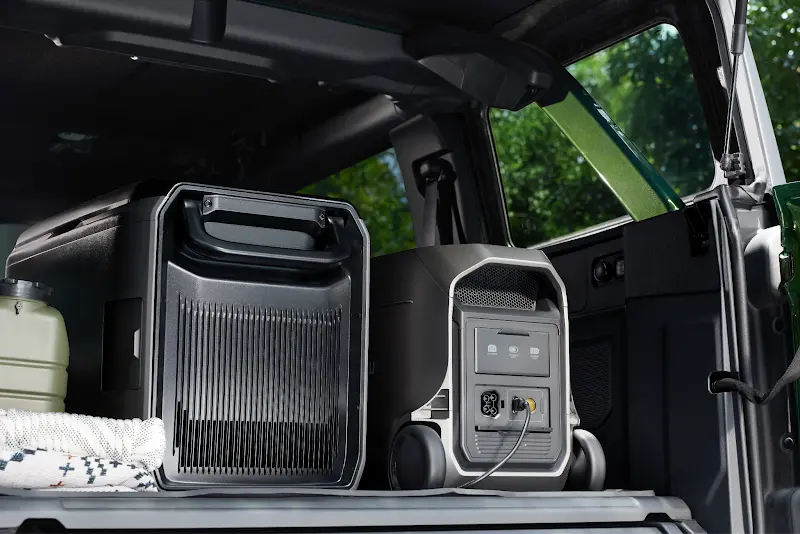
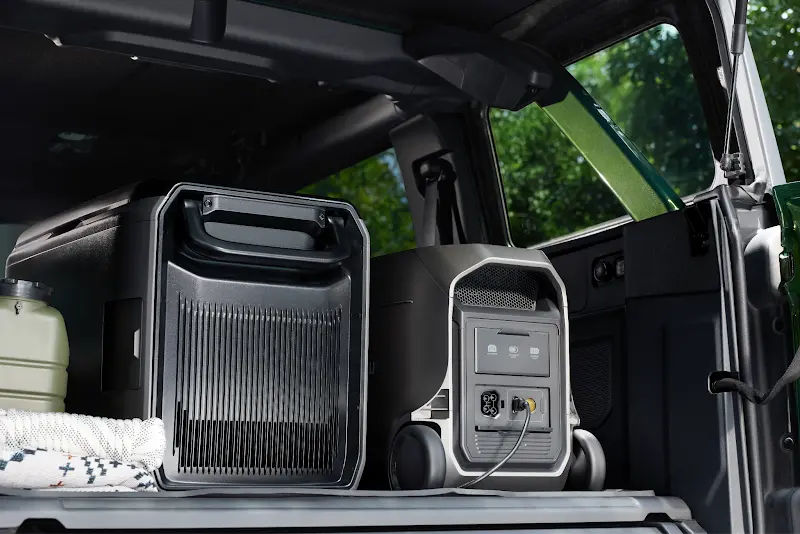
Here’s the key: swapping that weak link for a EcoFlow Delta 3 Ultra Plus Portable Power Station (3072Wh) essentially turns your rig into a mobile power fortress. The standout feature here is the Smart Output Priority. Through the app, you can basically “triage” your electricity. If the juice starts running low at 3:00 AM, the system can automatically kill the non-essential stuff, like your laptop charger or the microwave clock, while keeping the power flowing exclusively to your heater and pipe tapes. It’s the difference between waking up to a cozy cabin or a frozen plumbing nightmare. One more thing to consider is the peace of mind during those long mountain stretches where the grid is just a suggestion. Essentially: you shouldn’t have to choose between a good night’s sleep and a functioning water pump.
Expand Battery Capacity for Long Off-Grid Stays
The best Canadian views usually wait at the end of a long, dusty logging road where power pedestals don’t exist. For those deep-woods stays, the EcoFlow Delta3 Max Plus Portable Power Station (2048Wh) is a game changer because it is not a fixed size. You can stack extra batteries to reach a massive 10kWh of storage. These units are surprisingly slim and slide into those awkward RV storage bays without forcing you to leave the lawn chairs behind. For the “Snowbirds” trekking back north, the recharge speed is a lifesaver. It hits an 80% charge via smart generator in just 43 minutes. Here’s the key: that is exactly the amount of time you need to pull into a Tim Hortons, grab a double-double, and stretch your legs before heading back into the wild with a full tank of electrons.
Recharge Quickly Using Solar or Generator Input
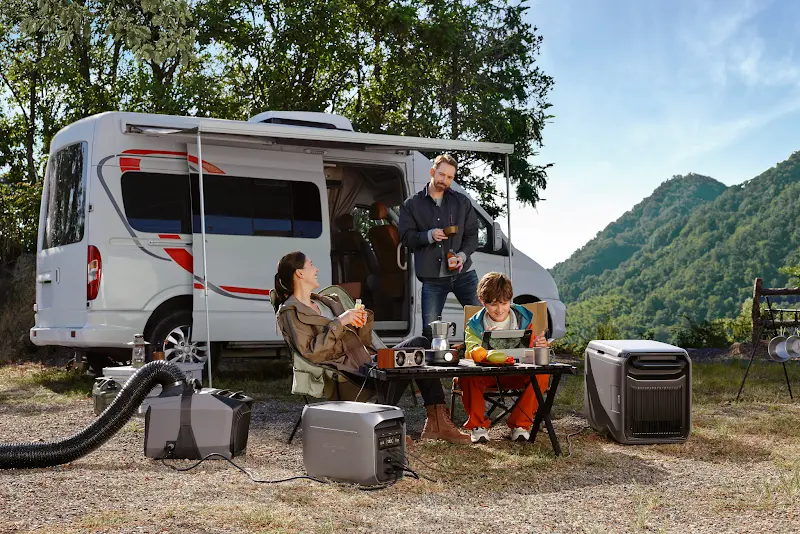
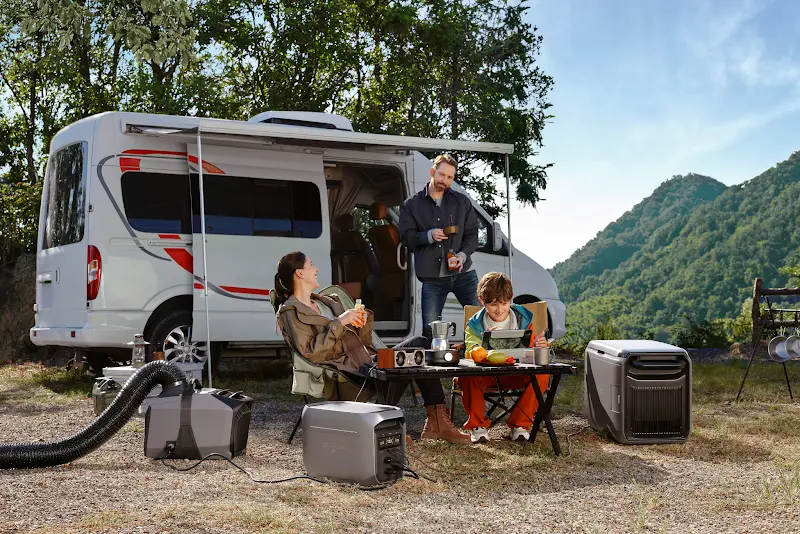
When the sun finally decides to show up in Northern Ontario, you have to move fast. High efficiency portable solar panels are the way to go here. Even a few hours of decent afternoon light can sustain your laptop, Starlink, and fridge for days if you have a station that can actually soak up the watts quickly. One more thing is using Bifacial panels, they catch the reflection off the lingering spring snow, giving you an extra boost when you need it most.
Prioritize Essential Devices During Emergencies
Spring storms in the Maritimes or the Rockies can knock out local infrastructure in a heartbeat. Think of your portable power station as your ultimate insurance policy. Keeping your satellite comms, phones, and emergency lighting charged means you aren’t guessing about weather updates when the grid goes dark. At the end of the day: these units handle the massive surge of a microwave or coffee maker easily, so you can stay fed and connected while you wait out the wind.
Extend Your RV Trips with Modular Power Systems
Modular power means your trip doesn’t have to end just because the house lights are starting to dim. By adding those extra battery packs, you can easily turn a quick three-day boondocking session into a week-long expedition in the heart of the Yukon or Newfoundland. It is about not having to watch the clock or the battery percentage while you’re trying to enjoy the silence.
Essential Precautions for Your Spring RV Road Trip
Safety in the Canadian bush requires a mix of vigilance and a healthy respect for the environment. Spring is the time for a mechanical reality check because the scenery won’t matter if your rig breaks down in the middle of nowhere.
Conduct a Thorough Post-Winter Inspection
Before you even pull out of the driveway, you need to look for unwanted tenants. Squirrels and mice treat RV insulation like a five-star hotel during the winter. Check your gas lines for chew marks and test for leaks. Also, check on your exterior seals; the Canadian freeze-thaw cycle is brutal, and if they’ve dried out and cracked, that first spring rain will end up inside your walls.
Prepare for Unpredictable Spring Road Conditions
Driving requires total focus right now. Between the legendary “pothole season” in Quebec and the lingering black ice in the mountain passes, the pavement is out to get you. Here’s the key: reduce your speed and double the following distance you’d use in July. A heavy rig doesn’t stop on a dime, especially when the asphalt is slick with snowmelt or mud.
Practice Wildlife Awareness During Mating Season
Spring is a high-activity time for our local wildlife. Bears are waking up with a serious appetite, and elk get incredibly defensive during calving season. Learning how to store food when camping in an airtight, bear-proof manner is essential to prevent attracting these hungry animals to your site. Practice constant awareness and never leave even a bag of trash outside your RV for “just a minute.”
Sanitize Your Freshwater System Annually
Stagnant water sitting in your lines all winter is a breeding ground for bacteria. You’ve got to flush the system before that first fill-up. Use a mild bleach solution or a specialized RV water freshener to sanitize the tank and lines. Bottom line: a little maintenance now prevents a very miserable, sick trip later.
Conclusion
Hitting the road in Canada during the spring is a massive win for anyone who actually does the prep work. Watching the sunrise over the red cliffs of PEI or winding through the misty cedars in BC feels a lot better when you aren’t shivering or stressing about a dead battery. Having the right gear and a solid power setup, like the EcoFlow DELTA series, means your trip is defined by the incredible views, not the technical headaches. So, do a final check on those tires, toss in your extra wool layers, and get moving. The Great White North is waking up, and it’s looking better than ever.
FAQ
1. Can You Sleep in an RV Anywhere in Canada?
No, you can’t just pull over and crash wherever you like. Overnight parking is generally restricted to designated campgrounds, specific Crown land areas where boondocking is allowed, and certain Walmarts, though you always need the manager’s green light first.
2. What Is the 3-3-3 Rule for RVs?
It’s a sanity saver for long hauls. You drive no more than 300 miles (480 km), arrive by 3:00 PM, and stay for at least 3 nights. Following this keeps the pace relaxed and ensures you aren’t backing into a dark campsite while exhausted.
3. What Is the Peak Travel Season in Canada?
The madness usually runs through July and August. That’s when the weather is hottest and every national park facility is wide open. Spring is the sweet spot if you want the views without the massive crowds.
4. Do Batteries Discharge Faster in Cold Weather?
They definitely do. Low temperatures slow down the chemical reactions inside the battery cells, which reduces your total capacity. Here’s a tip, remember that if you’re using lead-acid batteries, they can struggle to charge at all when it’s freezing, making a lithium setup like the DELTA 3 series a huge upgrade.
5. Do I Need Winter Tires in April?
In the mountains, absolutely. In BC, the winter tire or M+S mandates stay in effect on major routes like the Coquihalla until April 30th. Even in Alberta, where there is not a hard legal end date, the Rockies can see a massive dump of snow well into June. The long and short of it: keep them on for your spring trip to stay safe and legal.