DC Generator: What It Is, How It Works, and When You Need One
- What Is a DC Generator?
- How Does a DC Generator Work?
- How Is a DC Generator Different From an AC Generator or Alternator?
- What Are DC Generators Used for Today?
- When Do You Actually Need DC Power at Home or Outdoors?
- Frequently Asked Questions
- Modern DC Power Solutions Make Traditional Generators Unnecessary for Most Off-Grid Needs
Not all generators produce the same type of electricity. A DC generator produces direct current, which flows in a single direction, while most generators you'll find today produce alternating current (AC) instead. Understanding the difference matters when you're choosing a backup power option for your home.
Here's what a DC generator is, how it works, and when you actually need one instead of an AC generator.
What Is a DC Generator?
A DC generator converts mechanical energy into direct current electricity. The difference between AC and DC is that DC electricity flows in a single direction, while AC alternates.
There are uses for each type, but direct current is a good option for anything that requires more stability, like:
Battery charging
Industrial equipment
Older home electrical systems
Still, most modern portable and home backup generators produce AC electricity. That’s because most homes and the electrical grid itself use AC, and it’s easier to go with one type of electricity instead of doing constant conversions.
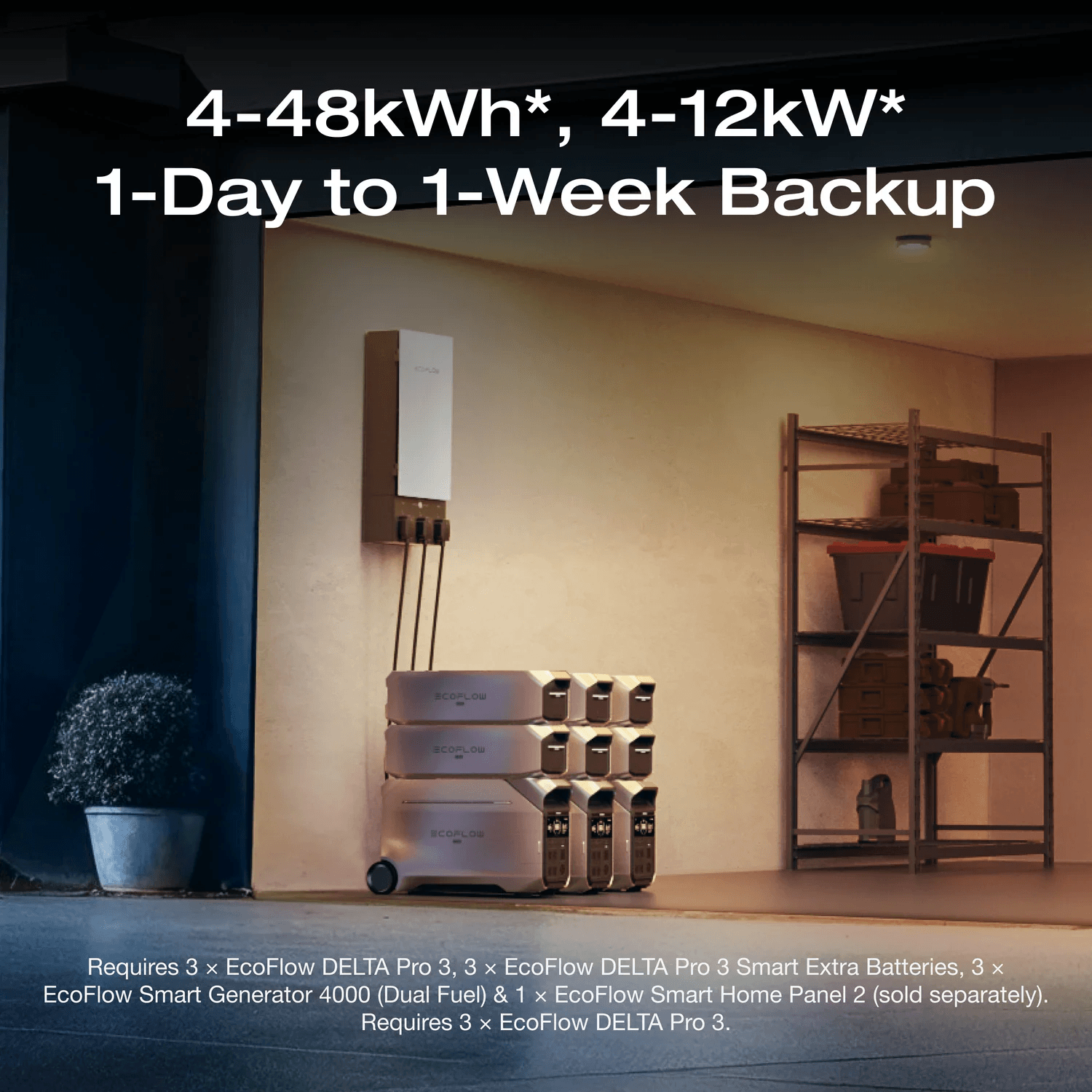
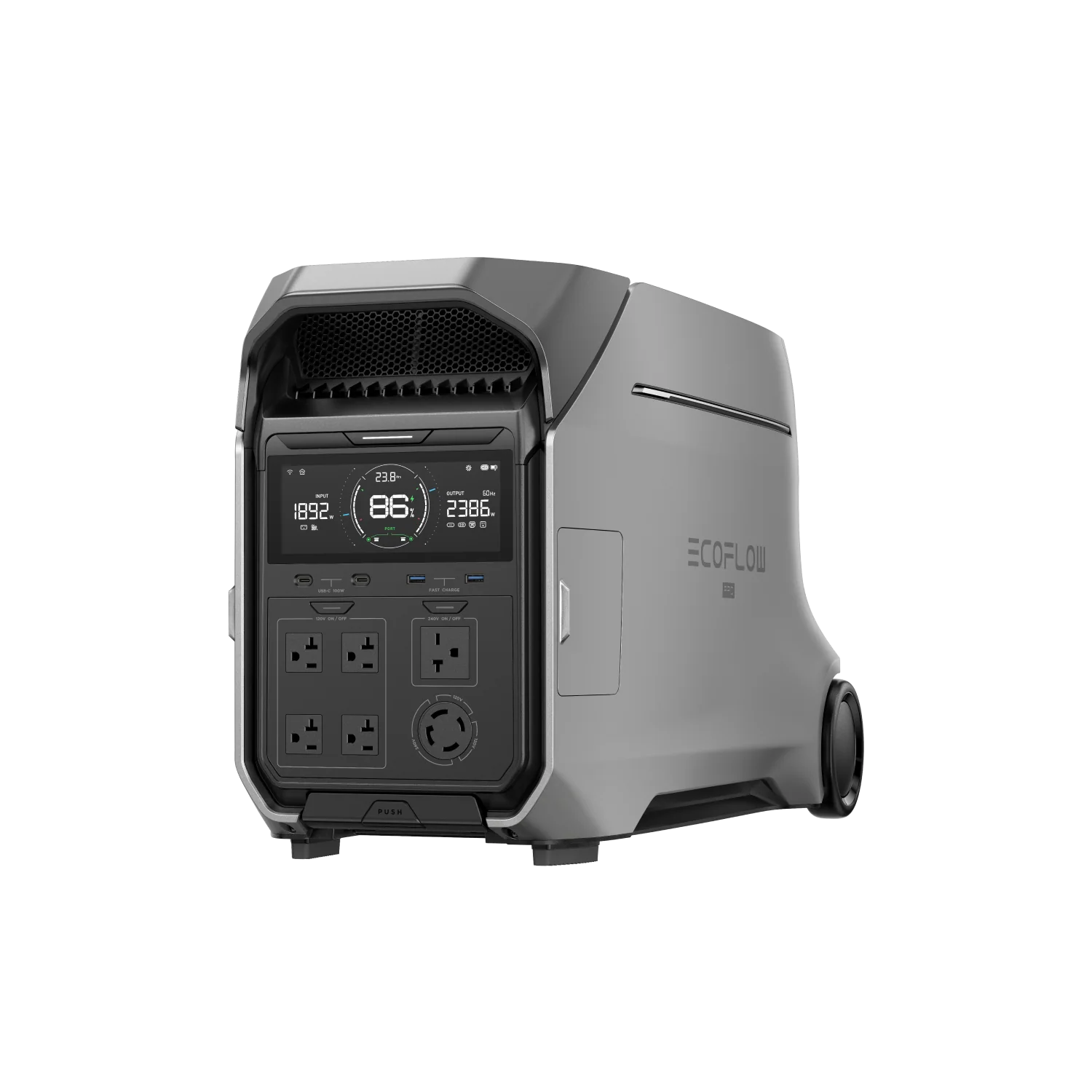
While alternating current is more common, direct current hasn’t gone anywhere. For example, batteries and solar panels produce or store electricity as DC and then convert it to AC for your home to use. Portable power stations like the EcoFlow DELTA Pro 3 Portable Power Station work the same way.
How Does a DC Generator Work?
This type of generator converts energy generated by movement into electricity. The movement can come from a lot of different sources, like:
Wind turbines
Water turbines
Hand cranks
Diesel engines
The process begins when an external force rotates the generator’s rotor inside a magnetic field.
As the rotor spins, it cuts across magnetic field lines, which generates electricity. At this stage, the electricity that’s produced is actually alternating current (AC).
Next, a component called a commutator works with stationary brushes to reverse the electrical connections at just the right moment during each rotation. This mechanical switching changes the alternating current into a one-directional output, producing direct current.
How Is a DC Generator Different From an AC Generator or Alternator?
Direct current generators, alternating current generators, and alternators all convert mechanical energy into electricity, but they’re used for different things.
For most homes and businesses, AC is the standard. That’s why nearly every portable generator, standby generator, and utility power grid delivers alternating current.
If you're using a generator for home backup power, you've already seen this difference in action. The battery inside the unit stores electricity as direct current, while a built-in inverter converts it into alternating current when you plug in household appliances. That's exactly how the EcoFlow DELTA Pro 3 Portable Power Station works: it stores energy as DC, then delivers AC power on demand.
Likewise, solar panels naturally generate DC electricity before an inverter converts it into the AC power your home uses every day.
What Are DC Generators Used for Today?
Direct current generators aren’t as common today, but you might need one in some situations, like:
Battery charging: Batteries store energy as direct current, so a DC generator can supply power without converting the energy into AC first. This is the same principle behind battery-based backup systems like a whole-home generator — the battery stores DC, and an inverter handles the AC conversion when you need it.
Industrial equipment: You might see DC generators if you work in an industrial setting because they offer more precise speed and torque control.
Solar panels: Solar panels naturally generate and store DC electricity.
But powering a home with DC-only devices still means converting that power to AC.
When Do You Actually Need DC Power at Home or Outdoors?
You probably use DC power every day without thinking about it. Your phone, laptop, tablet, and power banks all run on direct current.
At home, you’ll need this type of power for charging or powering battery-operated devices. That’s why portable power stations store electricity as direct current: they can charge electronics directly through USB or 12V ports. But they also use an inverter to provide AC power for household appliances when needed.
For example, the EcoFlow DELTA Pro 3 can power everything from laptops and Wi-Fi routers to refrigerators and power tools. Inside the unit, energy is stored as DC, then converted to AC through a built-in inverter whenever you plug in standard household devices.
This type of power is also helpful outdoors when you’re away from the grid. Off-grid essentials like LED lights, GPS, and portable refrigerators all need DC power. Powering them with DC electricity directly can be more efficient than converting energy back and forth.
Frequently Asked Questions
What Is the Difference Between a DC Generator and an AC Generator?
The biggest difference is the type of electricity they produce. A DC generator produces direct current, where electricity flows in one direction. An AC generator produces alternating current, which changes direction many times per second. Since homes and the electrical grid use AC power, AC generators are more common.
Is a Solar Panel a DC Generator?
Not exactly. A solar panel generates DC electricity, but it doesn’t work the same way as a traditional generator. Instead of converting mechanical energy into electricity through movement, solar panels convert sunlight directly into electricity using photovoltaic (PV) cells. In most home solar systems, an inverter converts that DC electricity into AC power.
Can You Convert DC Power to AC Power at Home?
Absolutely. An inverter converts electricity from batteries or solar panels into the AC electricity that most household appliances use. Many portable power stations have a built-in inverter, allowing you to power everything without separate equipment.
Do You Need a DC Generator for Off-Grid Power?
Usually not. Most off-grid systems today use solar panels, batteries, and an inverter instead of a traditional generator. This setup provides a more efficient way to generate and store electricity. A mechanical generator might make sense for certain specialized industrial applications, but for most homeowners, campers, and RV owners, a portable power station is better.
Modern DC Power Solutions Make Traditional Generators Unnecessary for Most Off-Grid Needs
DC generators used to be the go-to, but today, AC options are more common. Still, there are situations where you may need to use a DC generator instead. Batteries and solar panels naturally use this type of electricity, but inverters make it easy to run the AC appliances and electronics you rely on every day. So, you can run both DC and AC devices from a single unit.
Get versatile power that works at home or on the road. See how the EcoFlow DELTA Pro 3 Portable Power Station is flexible enough to power both DC and AC devices from a single unit.