Best Cold Climate Heat Pumps for Energy-Efficient Homes with EcoFlow Power Solutions
Looking for a clean and cost-effective way to heat your home in the harshest of winter climates without having to rely on the grid or gas-fueled furnaces?
Cold climate heat pumps can effectively heat your home without burning fuel, even when outdoor temperatures plummet below sub-zero. When integrated with a robust backup power solution, these systems offer a continuous supply of winter heat while reducing your bills and carbon footprint.
At this point, you might be unsurprisingly wondering — what are cold climate heat pumps and how can they extract warmth from the freezing outdoors? And, what’s the best way to use them to maximize your energy efficiency? Let’s take a look.
What Are Cold Climate Heat Pumps?
An energy-efficient and cost-effective alternative to home heating systems such as fossil-fueled furnaces, cold climate heat pumps operate by transferring the heat from the outdoor air into your home.
They feature advanced refrigerants that boil at extremely low temperatures. Thus, the heat pump can efficiently extract the energy from cold air, condense it to increase its temperature, and then transfer this heat to your indoors.
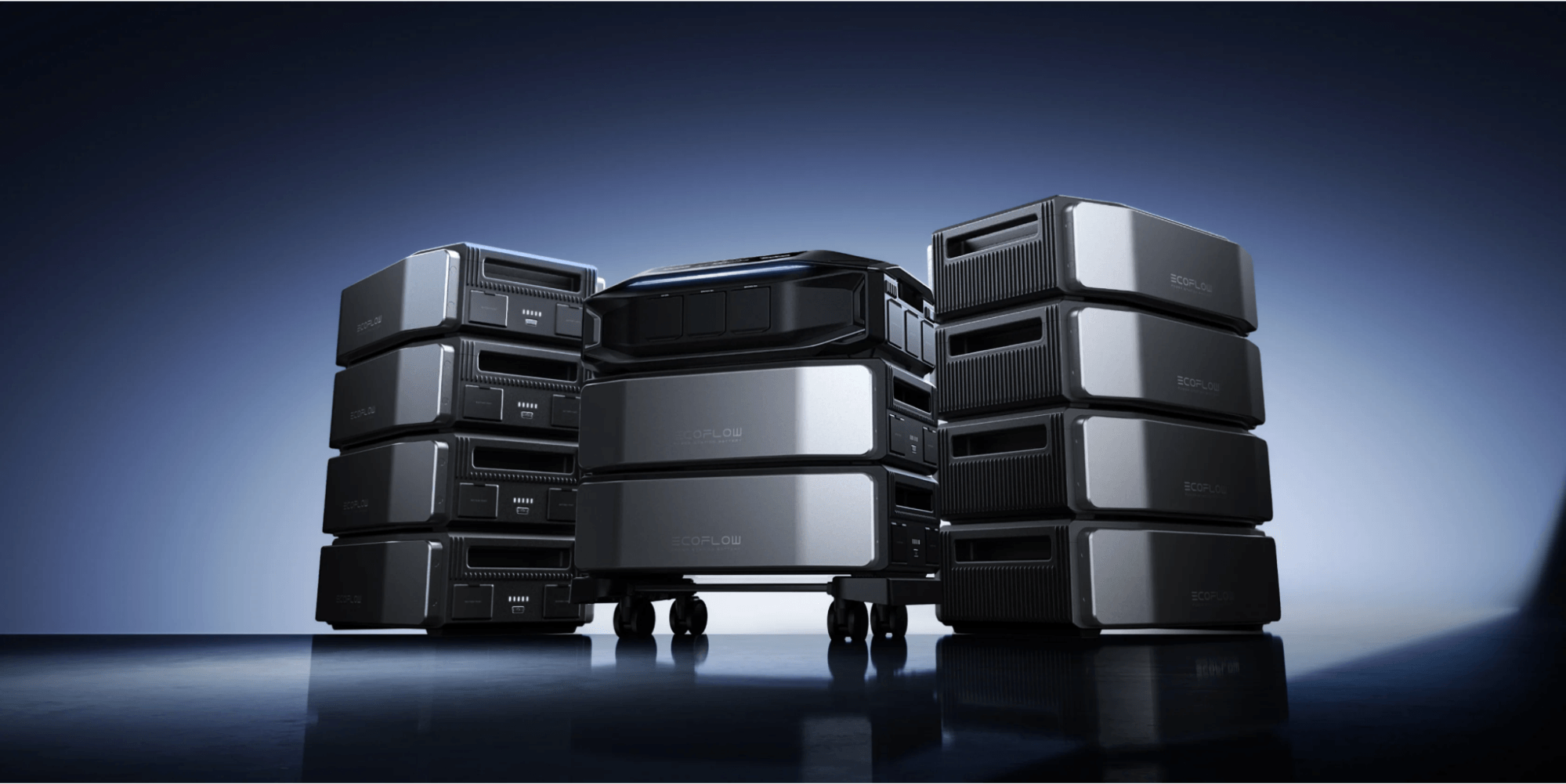
There are many different types of cold climate heat pumps, including air-source heat pumps and geothermal heat pumps. You can also integrate many pumps with auxiliary heat sources and backup power generators, like the EcoFlow DELTA Pro Ultra, to reduce your utility bills, carbon footprint, and reliance on the grid.
Why Are Heat Pumps Effective in Cold Regions?
Compared to traditional heating systems that require the use of fuel, heat pumps can be particularly effective in cold regions.
For starters, unlike conventional heat pumps, cold climate systems can remain efficient in extremely cold temperatures, as low as -22° F (-30° C). They’re also specifically designed and constructed with components and technologies that won’t crack under the pressure of Canada’s winter.
Cold climate heat pumps are among the most efficient home heating systems.
For example, a typical pump can deliver 3 kWh of heat for every 1 kWh of electricity used, giving it an efficiency rating of about 300%. Gas furnaces, conversely, have an efficiency closer to 80%. In other words, compared to furnaces, heat pumps achieve much more with much less.
Geothermal heat pumps are especially effective in cold regions because they extract heat from underground, where temperatures can remain 50° F (10° C) year-round. Ground-source pumps tend to be more expensive to purchase and install than air-source counterparts.
What Should You Look for in a Cold Climate Heat Pump?
As with all technologies, not all cold climate heat pumps are built equal. Keep these considerations in mind when searching for the most suitable system for your home:
Performance at Low Temperatures
As mentioned, some pumps operate in temperatures as low as -22° F (-30° C), but this isn’t true for all systems. Standard models may struggle to remain efficient when temperatures fall below 23° F (-5° C).
Naturally, systems that operate in sub-zero temperatures tend to be pricier than less capable alternatives. However, most systems can operate in tandem with other power sources to make sure you have continuous heat during the cold winter nights.
Energy Efficiency Ratings
When choosing a heat pump, you must check its energy-efficiency ratings to make sure it can withstand the heating demands of your home. Some of the most important energy ratings to check include the:
HSPF (Heating Seasonal Performance Factor)
COP (Coefficient of Performance)
SEER (Seasonal Energy Efficiency Ratio)
In general, the higher the number that accompanies each rating, the more energy efficient the system.
Installation and Compatibility
The most advanced cold climate heat pumps can prove ineffective if they’re incorrectly installed or mismatched to your home.
It’s worth partnering with experts in the field to design the layout and installation of your system. They can assist you with choosing a system with the right ducted or ductless design, electrical capacity, and backup heating system integration. You might want to check whether any heat pump rebates are available to you, as they can significantly reduce the cost of installation.
How Does Backup Power Support Heat Pump Systems?
In extremely cold climates that often burden Canadian households, ensuring you have redundancy and backup heating systems in place is crucial.
With backup power systems, you can make sure your heat pump remains operational during grid power outages. They can also supplement auxiliary systems if the temperature drops too low for your pump to remain functional.
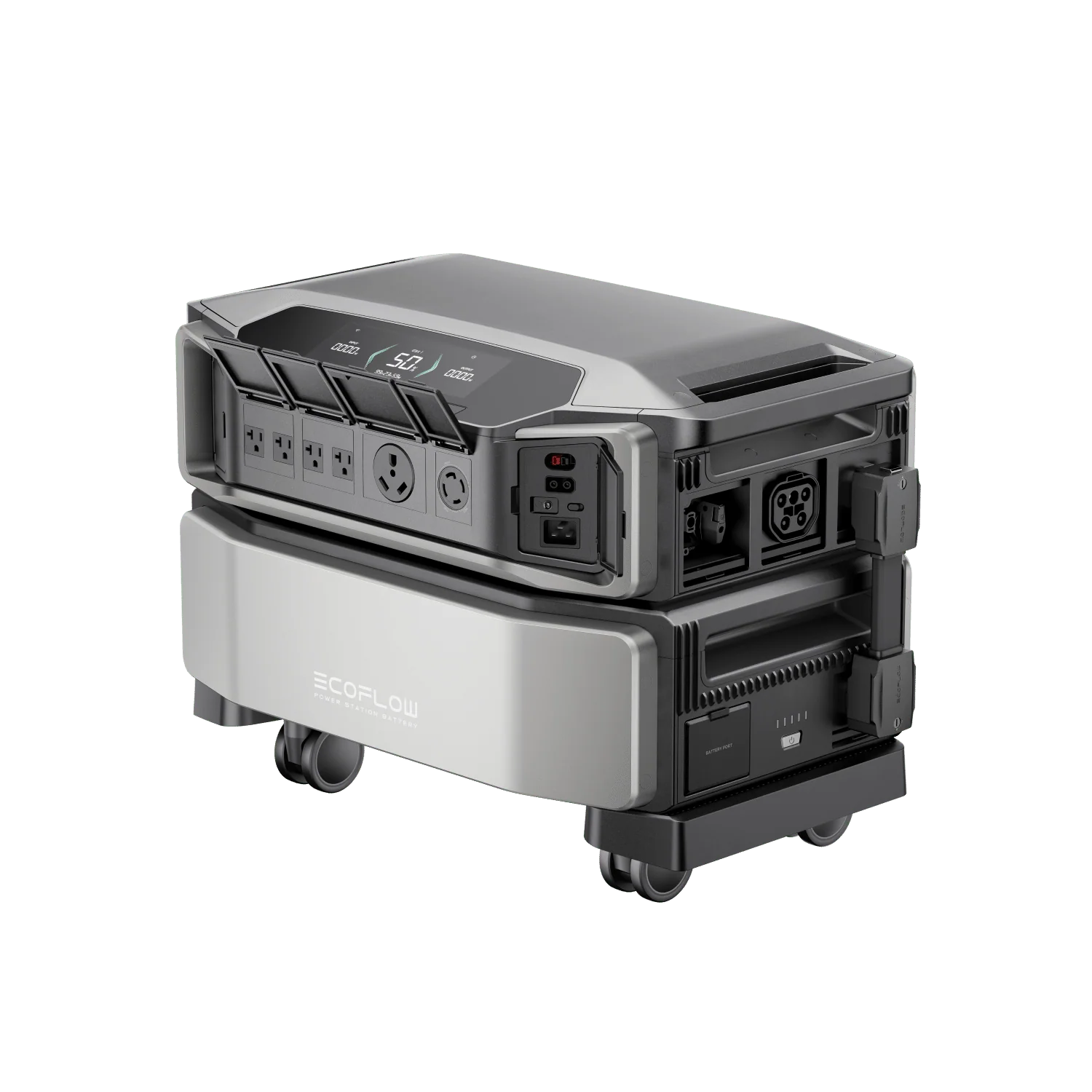
The EcoFlow DELTA Pro Ultra Whole-Home Backup Power Unit features 7.2 –21.6 kW of continuous power output, enough to power an entire home with a central AC system for weeks in the event of an outage.
Even more robust is the EcoFlow DELTA Pro Ultra X, which delivers 12–36 kW of power output and integrates with your home’s electrical system to maximize efficiency.
Frequently Asked Questions
Can You Run a Heat Pump on Backup Power?
Many modern heat pumps can be easily integrated with your backup power solution. Some portable power stations that harness solar power are capable of powering your pump year-round, without you having to rely on the grid, which can reduce your utility bills.
Are Heat Pumps Worth It in Canada?
In nations like Canada that are subjected to cold and harsh climates, heat pumps can be an especially valuable investment. Cold climate heat pumps can extract heat from outdoor air at temperatures as low as -22° F (-30° C). Consequently, they can significantly reduce your reliance on fossil fuels and the grid, giving you a reliable source of heat while slashing your bills in the process.
Efficient Heating and Backup Power Work Together to Reduce Energy Costs
Investing in a cold climate heat pump can result in serious energy savings.
To increase your home’s energy efficiency even more, integrate your pump with a backup power system that can reduce your reliance on the grid and optimize your home’s energy usage using smart technologies. Many people find that the savings on utility bills quickly make up for the initial expense of such systems.
If you're ready to take the next step, explore the EcoFlow range of whole-home backup power solutions, designed to work alongside heat pump systems and keep your home powered through even the harshest Canadian winters.