Energy Efficient Light Bulbs: Save Power at Home with EcoFlow
- What Are Energy-Efficient Light Bulbs?
- How Do LED Bulbs Reduce Energy Use?
- Why Should You Upgrade Your Home Lighting?
- How Much Can You Save with Efficient Lighting?
- How Do You Choose the Right Bulbs for Your Home?
- Frequently Asked Questions
- Energy-Efficient Lighting Is a Simple Way to Reduce Power Costs
All together, the lighting in your home can account for roughly 15% of your electricity use, which is a significant slice of your monthly bill. If your home uses older and less efficient bulbs, they might use even more.
Swapping out your light bulbs for better ones is a simple way to improve your energy efficiency.
Learn what qualifies as an energy-efficient light bulb, how LEDs work, what you stand to save, and how to choose the right ones for your home.
What Are Energy-Efficient Light Bulbs?
Energy-efficient bulbs are very often the first sign of an energy-efficient home. They produce the same amount of light, but they draw less electrical power.
While LEDs are the most dominant option today, CFLs and halogen light bulbs are also more efficient than traditional incandescent bulbs. LEDs are prominent because they are the most widely available, the most efficient, and they have the longest lifespan.
Unlike incandescent bulbs, which release most of their energy as heat, efficient bulbs convert more electricity into light.
More than just popular, they're now the standard as incandescent bulbs have been phased out under Canadian federal efficiency standards, and LEDs have become the practical replacement.
How Do LED Bulbs Reduce Energy Use?
LEDs produce minimal heat and use most of the energy they draw as light by passing the energy through a semiconductor. In comparison, incandescent bulbs release roughly 90% of their energy as heat rather than light.
When you switch from incandescent to Energy Star-rated LED lights, it reduces energy by at least 75%. You get the same brightness output at a fraction of the wattage. For example, a 9W LED matches the brightness of a 60W incandescent.
LED lights also last much longer, around 25,000+ hours, versus about 1,000 hours for incandescent. By replacing them less often, you save on maintenance over time, on top of the savings you already get from more efficient energy use.
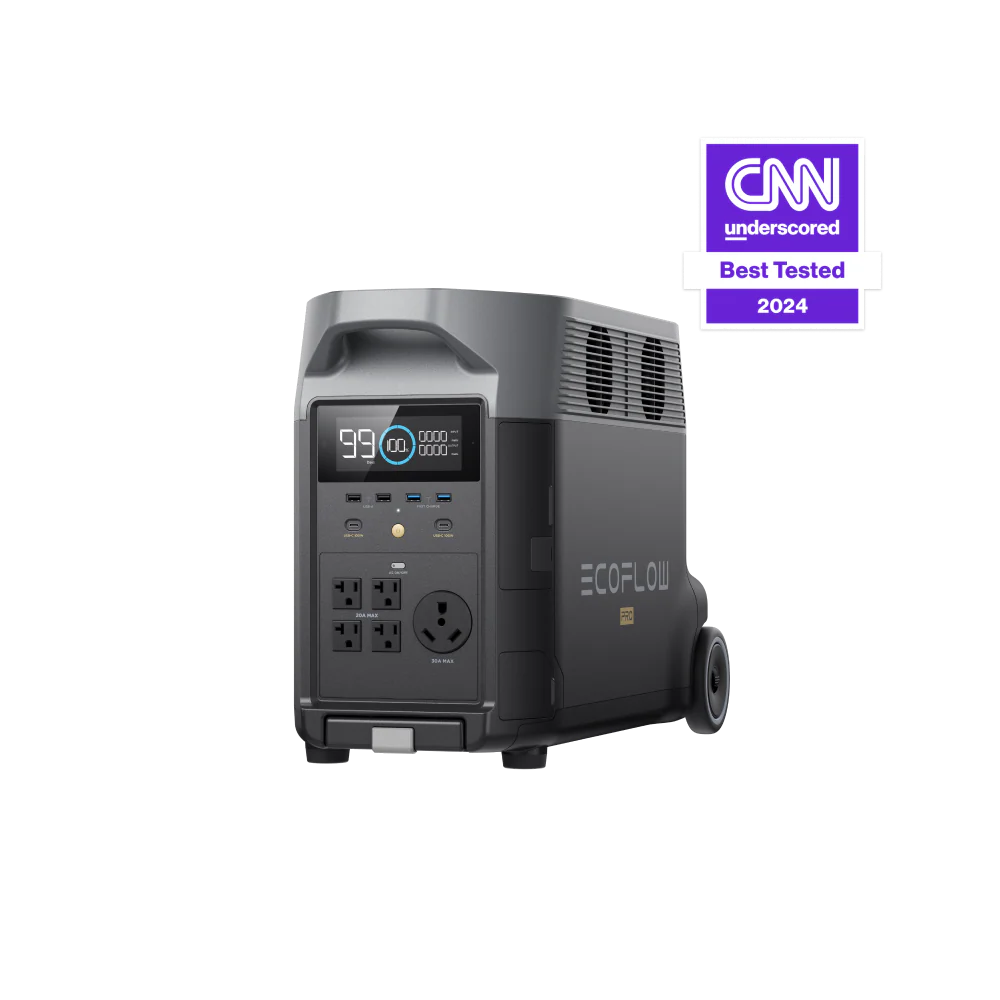
Want to cut costs even more? Pairing simple LED upgrades with other energy-efficient home improvements, like a home battery backup system, such as the EcoFlow DELTA Pro, compounds the impact further, stretching every watt saved into longer runtime for your stored power.
Why Should You Upgrade Your Home Lighting?
The most obvious and direct benefit of an upgraded lighting system is saving money through lower electricity bills. Lighting is one of the easiest line items to cut with minimal effort.
Plus, if you switch from incandescent to LED, you reduce the heat output in the room, keeping your interior space cooler in the summer and easing the AC load. With less frequent shopping for bulb replacements, you'll also enjoy fewer errands to run and less waste.
For those who enjoy the warmth of incandescent lighting, you can find LED options in a full range of colours, from warm to cool to daylight, and even bulbs that allow you to change the colour temperature. For even more customization, many LED bulbs are easily compatible with dimmer switches and smart home systems.
How Much Can You Save with Efficient Lighting?
The average home in Canada has 30 light bulbs, but thanks to impressive energy efficiency gains in light bulb technology, household lighting is only 3.5% of the energy used. By switching these bulbs to energy-efficient options like LEDs, you can save hundreds each year.
The larger your home and the longer you run your lights each day, the more you stand to save.
This is just one of the many energy efficiency upgrades that the Canadian Building Council reports create a $2 return in avoided energy generation costs for every $1 spent.
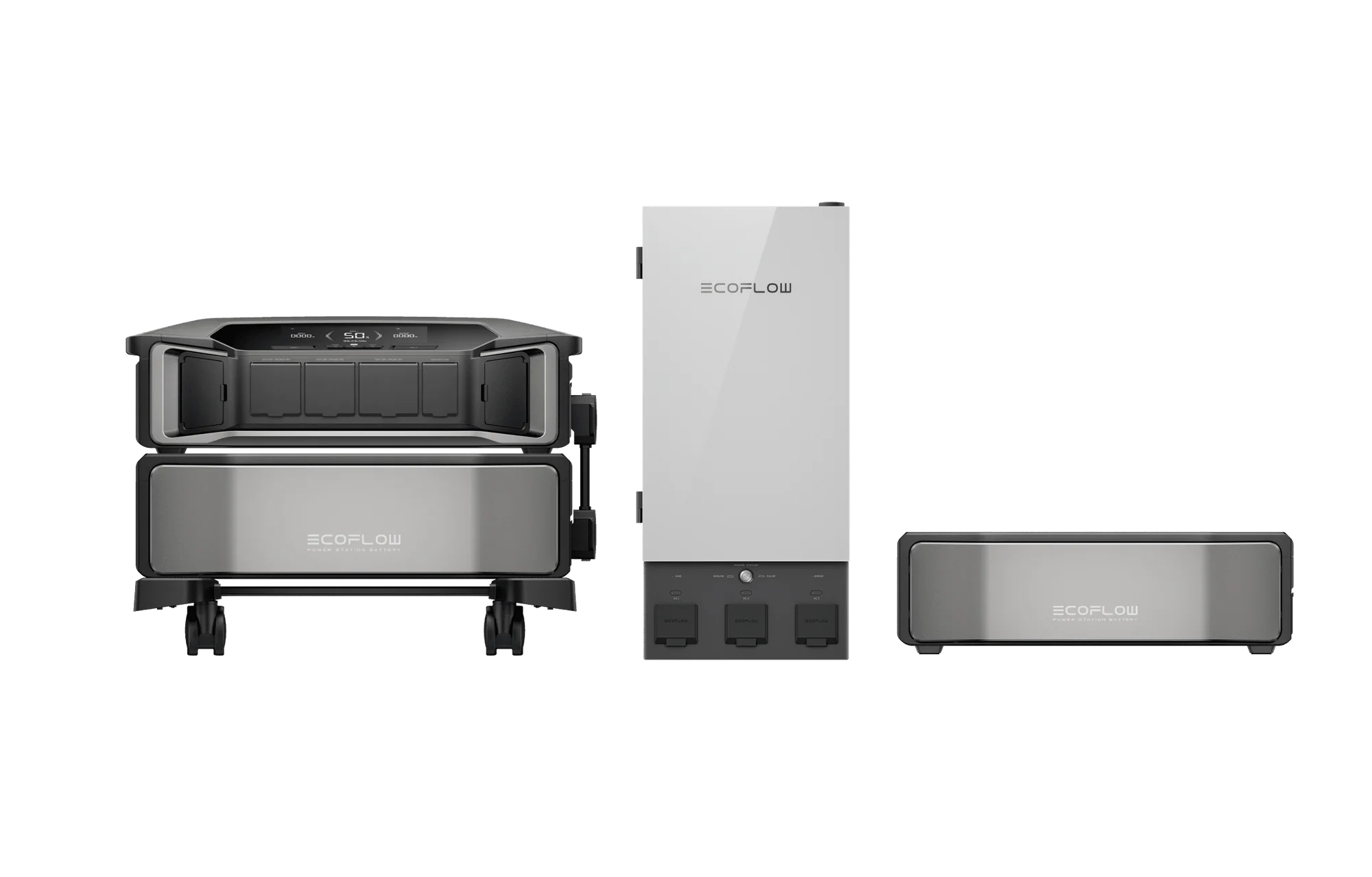
If your household has a solar backup system, like a whole-home generator, you can get more out of every watt saved since efficient lighting reduces the total draw on the system, allowing you to use your stored power for other applications.
How Do You Choose the Right Bulbs for Your Home?
To choose the right bulbs for your home, you need to know a thing or two about their attributes. You might think that starting with watts will tell you how bright the bulb was, but watts only measure energy consumption.
Start with lumens, which measure brightness, to get the glow that you're after.
Then think about the colour temperature:
If you want warmth in your living space, aim for 2700K–3000K.
For a cooler, brighter look for task lighting or your workspace, go for 4,000K–5,000K.
To use a dimmer switch, confirm that the bulb you've chosen says “dimmable” on its labelling, because not all LEDs are compatible. You could also consider investing in smart bulbs for rooms where automated scheduling or remote control adds more value.
For outdoor lighting, look for weather-rated bulbs specifically.
Frequently Asked Questions
Do LED Bulbs Really Save Money?
Yes, LED bulbs have a lower wattage, which means they have a smaller draw on electricity every hour that they run. For example, a 9W LED versus a 60W incandescent bulb that both run 3 hours per day will cost you less than $2 per year for the LED, and over $11 per year for the incandescent bulb.
How Long Do Energy-Efficient Bulbs Last?
An energy-efficient LED can last 25,000+ hours, or about 23 years at three hours/day. Another type of efficient bulb, CFLs, last 7,000–15,000 hours, while halogens fall closer to 1,000–3,000 hours. All of these are still longer-lasting than incandescent, which max out at about 1,000 hours. The longer lifespan reduces replacement frequency and the total cost of ownership.
Energy-Efficient Lighting Is a Simple Way to Reduce Power Costs
Switching to LED bulbs is one of the lowest-effort, highest-reward changes a homeowner can make to cut electricity costs. Remember that small upgrades add up, and this is a practical and simple place to start.
If you're already thinking about broader energy independence, efficient lighting pairs well with battery backup like the EcoFlow DELTA Pro. The lower your home's baseline demand (thanks to lower-draw bulbs), the longer the PPS can run on a single charge.