Canadian Heat Pump Rebates Guide: Slash Winter Hydro Bills with Solar Storage
If you own a home in Canada, chances are you’ve heard about heat pump rebates by now. Between federal programs and provincial incentives, upgrading your heating system has never been more encouraged. But here’s what many homeowners discover after installation: the rebate lowers the upfront cost, it doesn’t eliminate your winter hydro bill.
Heat pumps are highly efficient, especially modern cold-climate models. Still, when January hits with -20°C wind chills and peak electricity rates kick in during dinner hour, your meter keeps spinning. In this guide, we’ll look at how current heat pump rebates work in 2026, why winter bills can still feel high, and how pairing your system with solar battery storage can give you real control over what you pay.
What Are the Key Heat Pump Rebates Programs in Canada?
As of 2026, several rebate programs are still helping Canadians switch to cleaner heating. While the federal Canada Greener Homes Grant has shifted, homeowners can still apply for the Oil to Heat Pump Affordability (OHPA) Program, which offers up to $15,000 for households replacing oil systems.
In Ontario, the Home Renovation Savings Program through Enbridge Gas and Save on Energy provides rebates up to $7,500 for cold climate air-source heat pumps and up to $12,000 for ground-source systems. Eligible homeowners can easily apply for a heat pump rebate in Ontario.
British Columbia’s CleanBC and Quebec’s LogisVert programs offer similar provincial incentives, helping offset installation costs and make high efficiency systems more accessible.
How Do Heat Pump Rebates Work?
Most heat pump rebates in Canada work as reimbursements, not instant discounts. That means you pay for the installation first, then apply to get part of that money back. Before booking anything, you need to confirm that both your home and the heat pump model meet your province’s eligibility rules, often including ENERGY STAR certification and installation by a licensed contractor.
In 2026, some programs have simplified the process. For example, certain Ontario rebate streams no longer require the old pre and post installation energy audits, which used to add roughly $600 in upfront costs. After installation, you submit invoices and required documents through the program’s online portal, and the rebate is issued once approved.
Why Do Winter Hydro Bills Stay High Even After Rebates?
It’s frustrating to upgrade to a high efficiency heat pump and still open a hefty hydro bill in January. Rebates lower installation costs, but they don’t change how electricity is priced or how much energy winter heating requires.
Heat Pumps as Major Electrical Loads
Heat pumps are efficient, but they’re still one of the biggest electricity users in your home. Unlike a gas furnace that mainly powers a fan, a heat pump runs continuously to pull heat from outside air. That steady draw adds up.
Increased Consumption During Subzero Temperatures
When temperatures drop below -15°C during a cold snap, the system works harder. As the temperature gap widens, efficiency (COP) declines, which means more electricity is needed to deliver the same amount of heat.
Peak Rate Pricing During Evening Hours
In many provinces, electricity costs more between 4 p.m. and 9 p.m., exactly when families are home, cooking dinner, doing laundry, and turning up the thermostat. Running your heat pump during this window increases total costs.
Supplemental Electric Resistance Heating
In extreme cold, many households still run supplemental electric heaters, which are a common part of home heating systems. These provide reliable heat but use significantly more electricity than the heat pump.
With rising grid delivery charges and carbon pricing continuing into 2026, managing when you use electricity has become just as important as how efficiently you use it.
How to Reduce Winter Hydro Costs Using Solar Battery Storage
The real savings don’t just come from using less energy, they come from using cheaper energy. Solar battery storage lets you rely less on peak-priced grid power and more on energy you control.
Installing Solar Panels to Offset Winter Grid Usage
Even in December, solar panels can produce meaningful output. Snow on the ground can actually help reflect sunlight (the albedo effect). A 5kW system in Southern Ontario can generate roughly 8-12 kWh on a clear winter day. That can cover a significant portion of daytime heating demand.
Storing Excess Daytime Energy for Nighttime Heating
A battery lets you hold onto the solar power your panels produce in the afternoon and use it later, when electricity costs more. Instead of sending that energy back to the grid, you keep it for the evening heating cycle.
For example, a 6 kWh battery can realistically offset about 3-4 kWh during peak hours. Under Time-of-Use pricing, that can translate to roughly CAD $0.60-$1.20 per day in avoided peak charges. It may not sound dramatic, but over a full heating season, it adds up.
A typical 2,000 sq ft Canadian home might use 12-15 kWh overnight just for heating in winter, and 25-30 kWh per day when you include lights and appliances. Shifting even part of that load from peak grid power to stored solar can reduce total grid reliance by 15-20%, without changing how warm you keep the house.
Shifting Peak-Time Consumption to Battery Power
This approach is called peak shaving. Instead of pulling electricity from the grid during the most expensive hours, usually 4:00 p.m. to 9:00 p.m., you program your battery to supply your home during that window. Your heat pump keeps running, but you’re not paying peak pricing for it.
In Ontario, the Ultra-Low Overnight (ULO) plan makes this strategy even more effective. Electricity can drop to around 2.8¢/kWh between 11:00 p.m. and 7:00 a.m., then climb to roughly 28.6¢/kWh during the evening peak. Charging your battery overnight and discharging it later creates a wide price gap.
You’re not using less heat, you’re just using cheaper electricity. Over the course of a winter, that difference can noticeably soften those January hydro bills.
Choosing the Right Solar Storage Size
Not every Canadian home needs a full scale system. Some households invest in a whole home battery backup to protect against extended winter outages, while others size smaller for daily peak shaving. The right battery size depends on how much of your heating load you want to shift, and whether you’re targeting peak savings, outage protection, or both.
| Heating Type | Battery Capacity | Typical Use Case |
|---|---|---|
| Mini-Split / Single Zone | 3-6 kWh | Bedrooms, home offices, small additions |
| Partial / Zoned Heating | 6-12 kWh | Basements, second floors, medium-sized areas |
| Whole-Home / Central Heat Pump | 12-90 kWh | Full-house winter heating, peak shaving, storm backup |
If you’re only running a ductless mini-split in one area, a modest battery can make a noticeable dent in peak pricing. For full central systems, capacity planning becomes more technical.
Integrating Solar Storage with Heat Pumps
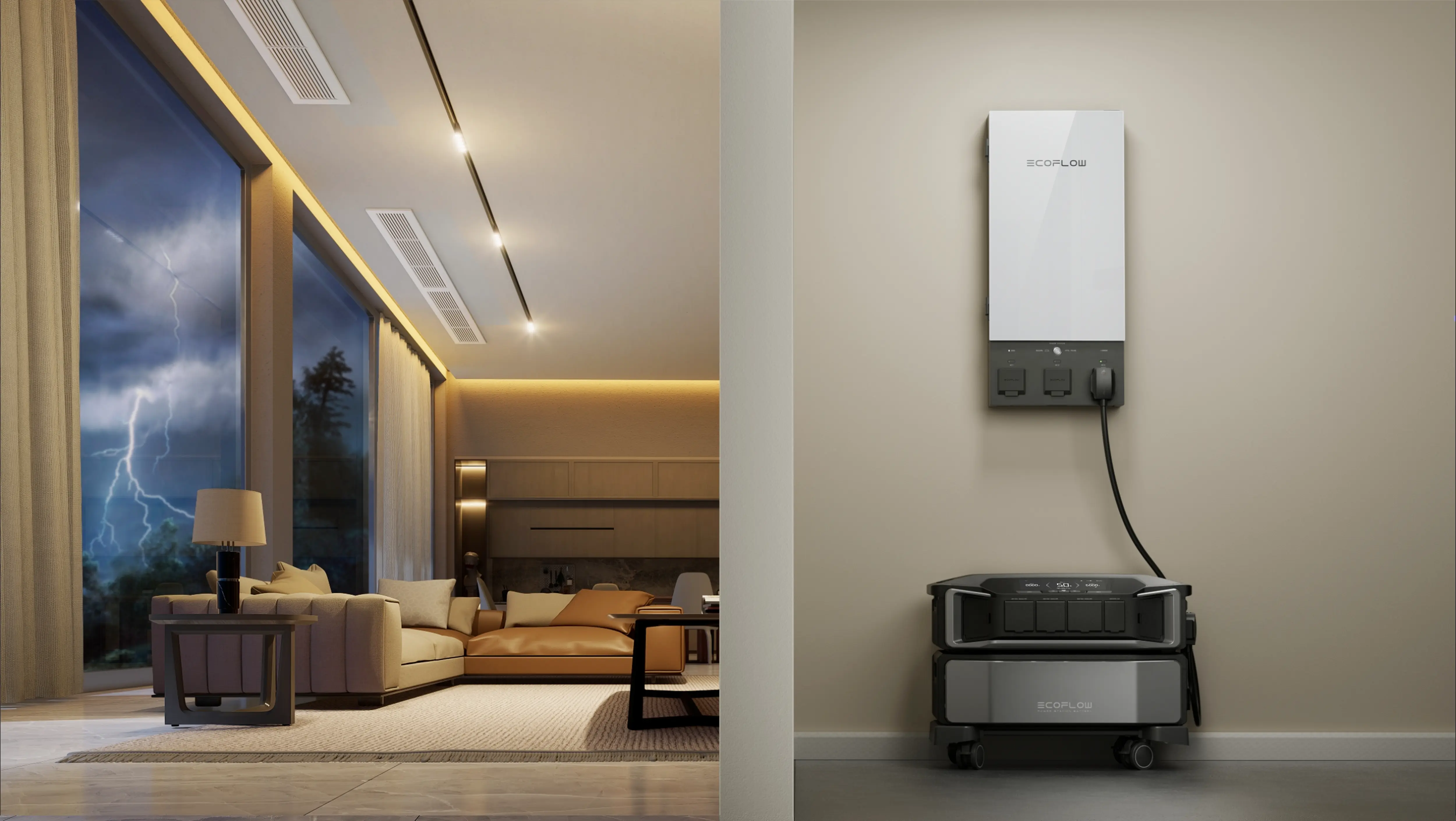
For larger setups, systems like the EcoFlow DELTA Pro Ultra Whole-Home Backup Power offer 7.2kW to 21.6kW output, which is strong enough to handle the startup surge of a central heat pump when properly configured. Full house integration should always be professionally sized and installed to ensure inverter compatibility and safe connection.
Its self heating LFP batteries are built to operate in cold garages or basements, something that matters during a Canadian winter when temperatures dip well below freezing.
Monitoring Winter Energy Usage with Smart Apps
Modern battery systems include apps that show real time usage. You can see exactly how much your heat pump is drawing and adjust discharge schedules based on your utility’s rate structure. That visibility turns guesswork into strategy, and strategy is what keeps winter hydro bills under control.
Which Storage System Fits Ductless or Partial Heating Needs?
Not every home needs a full scale, whole home backup setup. If you’re only heating certain zones, like a basement, addition, or home office, a smaller, flexible storage system can make more sense.
Backup Power for Mini Split Heat Pumps
Mini-splits are common in older Canadian homes or new additions where ductwork isn’t practical. Since they draw less power than central systems, a mid-sized battery can keep them running during peak-price hours or short outages. That means comfort without paying top tier rates.
Reliable Energy for Basement or Zoned Heating
Basements are often the chilliest rooms in the house. Instead of cranking up the main thermostat, powering a basement mini-split with dedicated storage lets you heat that space directly, without increasing whole home consumption.
Dedicated Support for Home Office Heating
With so many Canadians working remotely, keeping one room warm during the day matters. A portable power station can run a small heater or zoned heat pump, helping you avoid firing up the entire system just to stay comfortable at your desk.
Compact High-Output Backup Solutions
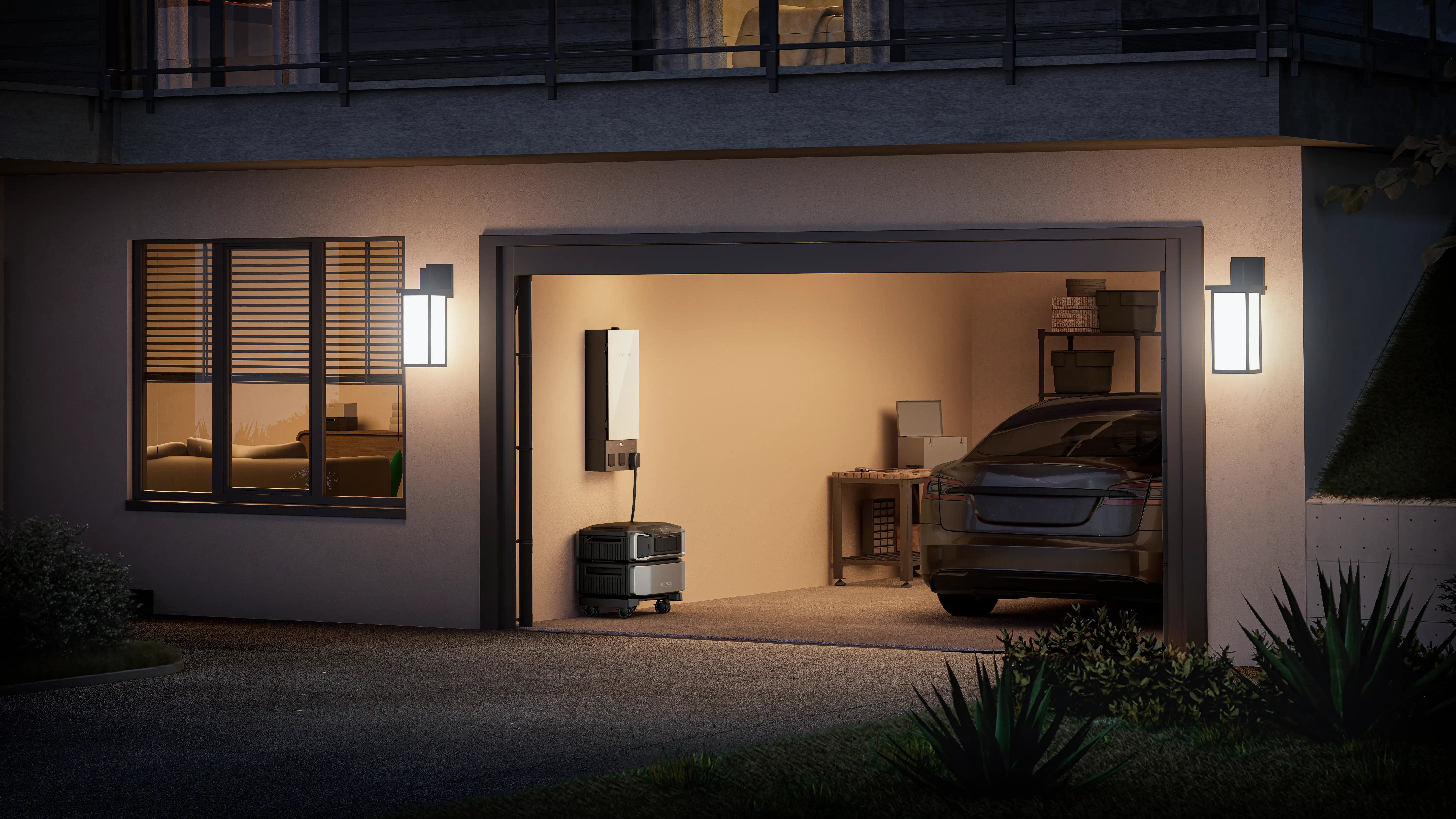
For condos, townhomes, or targeted heating needs, the EcoFlow DELTA 3 Ultra Plus Portable Power Station (3072Wh) offers a balanced option. It supports fast solar charging and delivers enough output for mini-splits or localized heating units.
Its EV-grade LFP batteries include self-heating functionality, which is important during freezing Canadian winters. Compact enough to store neatly, but powerful enough to reduce reliance on peak grid rates, it gives homeowners more control, especially during those expensive evening hours.
Conclusion
In Canada, lowering winter energy costs isn’t just about installing better equipment, it’s about using it smarter. First, take advantage of available heat pump rebates to upgrade to a high efficiency system. Then, protect yourself from rising hydro rates by adding solar storage and shifting when you draw power.
When you store your own electricity and avoid peak pricing, your heat pump stops being just an efficient appliance. It becomes a controlled, cost effective heating strategy, one that works with the grid instead of being at the mercy of it.
FAQ
1. Are heat pump rebates still available?
Yes. In 2026, rebates are still available through both federal and provincial programs. The Oil to Heat Pump Affordability (OHPA) Program remains active, and provinces like Ontario, BC, and Quebec continue offering utility backed incentives.
2. How do heat pump rebates differ by region?
Rebates vary depending on provincial energy goals and local utilities. Provinces such as BC, Quebec, and Ontario often provide their own “top up” incentives, which can sometimes be combined with federal support to reduce upfront costs further.
3. How much does it cost to put a heat pump in a 2000 sq ft house?
In 2026, most installations range from CAD $12,000 to $20,000. Premium cold climate systems with ductwork upgrades can exceed $25,000 before rebates. With stacked incentives, many homeowners significantly reduce that upfront cost.
4. Do heat pumps increase electricity bills?
They can increase your hydro bill if you’re replacing gas or oil, since heating shifts entirely to electricity. However, total annual energy spending often decreases because heat pumps are much more efficient overall.
5. What is the 20 degree rule for heat pumps?
Older models lost efficiency below about -7°C. Modern cold climate heat pumps used in Canada are designed to operate efficiently down to -25°C or lower.
6. What should you turn off to save electricity?
During peak hours, limit high drain appliances like electric dryers, dishwashers, and supplemental baseboard heaters. Shifting those loads outside peak pricing windows can noticeably reduce your hydro bill.