Energy Efficient Windows: How They Reduce Power Use in EcoFlow-Powered Homes
- What Are Energy-Efficient Windows?
- How Do Energy-Efficient Windows Reduce Power Use?
- Why Do Windows Have a Big Impact on Energy Efficiency?
- How Do Energy-Efficient Homes Use Less Power Overall?
- How Does Backup Power Work Better in Efficient Homes?
- Frequently Asked Questions
- Energy Efficient Windows Help Reduce Power Use and Improve Backup Performance
Windows are often one of the weakest thermal points in homes, accounting for a great deal of energy loss. For homeowners investing in EcoFlow backup power, this inefficiency translates to larger battery requirements and greater power demands.
Energy-efficient windows reduce power consumption significantly. Discover how the upgrade can make backup power systems more effective and affordable while delivering greater comfort and savings.
What Are Energy-Efficient Windows?
Energy-efficient windows incorporate advanced materials and design features to minimize heat transfer between indoor and outdoor environments.
Unlike traditional single-pane options that offer very little insulation, modern, efficient alternatives use multiple technologies to control internal temperature.
Multi-pane construction is at the basis of efficient windows. Double-pane options consist of two glass panes separated by a sealed airspace, typically filled with argon gas to reduce heat transfer. The gas is colourless and odourless, providing improved insulation without affecting visibility.
Triple-pane windows add a third layer for further insulation.
Low-E, or low-emissivity, coatings also improve efficiency. It consists of a thin metallic layer that reflects infrared energy while allowing visible light to pass through.
In colder climates, Low-E coating can be used to reflect interior heat back inside, preventing it from escaping. In hotter climates, they can be used to reflect exterior heat away, keeping the home cooler.
Frame materials influence thermal transfer. Vinyl, fibreglass, and composite frames insulate far more effectively than traditional aluminum frames, which rapidly conduct heat.
Warm-edge spacers use low-conductivity materials to separate glass panes, reducing heat loss through the window’s perimeter.
How Do Energy-Efficient Windows Reduce Power Use?
Energy-efficient windows reduce energy consumption by reducing the heating and cooling load required to maintain comfortable interior temperatures. In winter, traditional windows let heat escape rapidly, requiring heating systems to run longer and more frequently. Efficient alternatives curb this heat loss, allowing heating systems to run less often and consume less energy.
The U-value of a window measures the rate of heat transfer through a window, indicating its insulation performance. The lower the U-value, the better the insulation.
Single-pane windows have a U-value of around 1.0.
Double-pane windows have a U-value ranging from 0.25 to 0.50.
The U-value of triple-pane options ranges from 0.15 to 0.20.
Simply upgrading from single-pane to double-pane windows can cut heat loss in half.
Solar Heat Gain Coefficient (SHGC) measures how much heat from the sun passes through the window. In warmer climates, low SHGC values prevent excessive solar heat gain, while in cooler climates, high SHGC ratings provide passive solar heating.
Air leakage contributes to energy consumption, too.
Efficient windows feature advanced weatherstripping and tighter construction to prevent drafts. Even small air leaks can force HVAC systems to work continuously to compensate. Quality structures achieve air leakage ratings below 0.3 cubic feet of air per minute per square foot of window area.
Why Do Windows Have a Big Impact on Energy Efficiency?
Windows occupy a significant amount of exterior wall area in most homes, and they offer much less thermal resistance than walls.
Even if walls are heavily insulated, inefficient windows create weak points that heavily increase heat loss. They can create drafts that make inhabitants uncomfortable and cause them to raise the thermostat setting, even when the interior temperature is adequate.
Solar heat gain through glass can overwhelm air conditioning systems during the summer. Windows without proper Low-E coatings allow intense solar radiation to enter homes, forcing air conditioners to work harder to remove this heat.
Efficient windows with appropriate SHGC values prevent this solar heat gain without blocking natural light.
How Do Energy-Efficient Homes Use Less Power Overall?
Energy-efficient homes utilize several strategies to reduce energy consumption.
While efficient windows play a central role, the rest of the building’s envelope — walls and roof — also affect heat transfer. Well-insulated walls and reflective roofs deliver optimal energy efficiency when paired with efficient windows.
Reduced heating and cooling loads allow homeowners to install smaller, more affordable HVAC systems.
Efficient homes utilize passive heating and cooling more effectively to further reduce the strain on these systems.
How Does Backup Power Work Better in Efficient Homes?
Backup power faces significantly different demands in an efficient home compared to an inefficient one. An efficient home's lower draw means a battery system can run heating and cooling for considerably longer on the same charge.
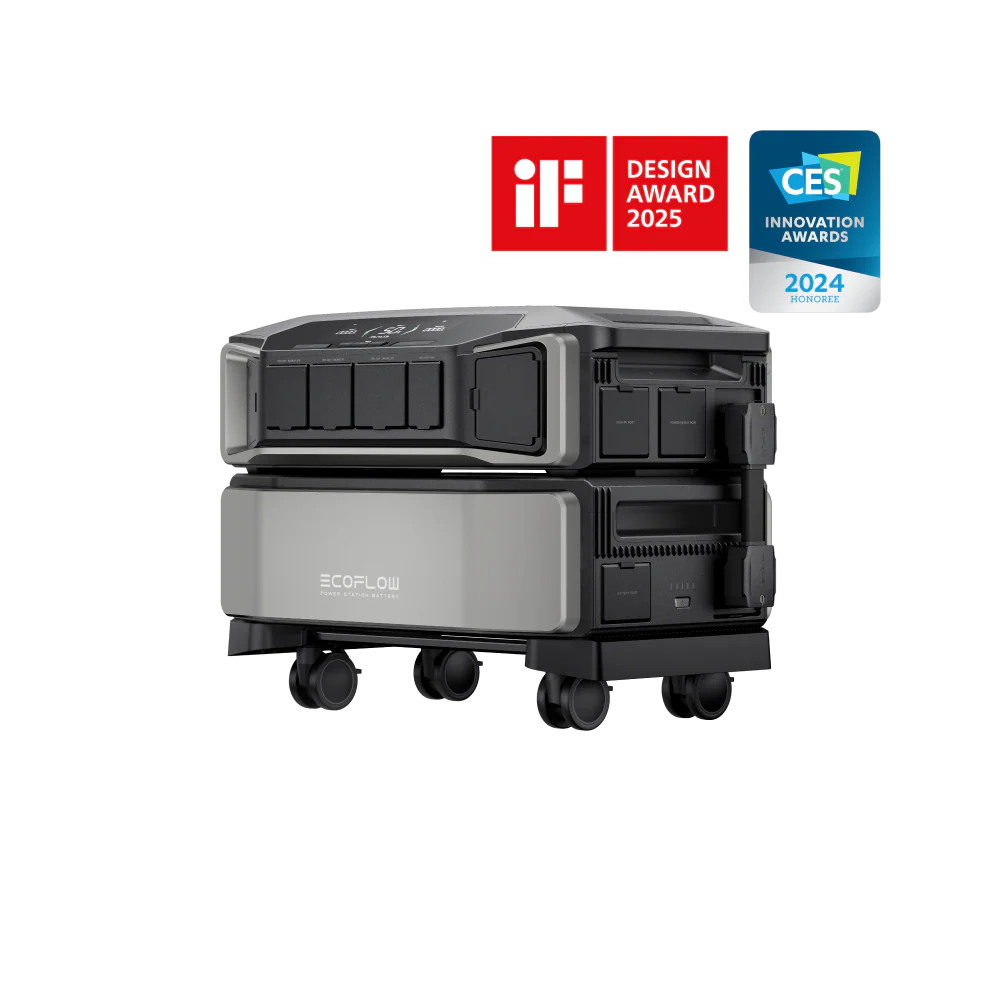
The EcoFlow DELTA Pro Ultra is well-suited to efficient homes, and it’s part of a broader range of whole-home backup power solutions designed to scale with your energy needs.
Its base unit starts at 6kWh with 7.2kW output, and scales up to 90kWh across 15 stackable batteries, meaning you can start with a foundation that covers essentials and expand as your needs grow.
In an efficient home, that base unit goes considerably further than it would in an inefficient one.
Smaller backup power systems also become more viable in efficient homes. While an inefficient home may require several expansion batteries to support its demands, an efficient home can be supported by the base unit as its runtime is significantly extended.
Solar charging works more effectively in efficient homes, too. Because power consumption is lower, solar panels can fully recharge batteries more efficiently. Load prioritization during outages also becomes less critical, while inefficient homes must carefully manage each watt.
Frequently Asked Questions
Do Energy-Efficient Windows Really Lower Energy Bills?
Yes, energy-efficient windows lower utility bills by minimizing heat transfer and reducing the load on heating and cooling systems. Homes in extreme climates — very hot or very cold — experience the greatest amount of savings.
How Much Energy Can You Save with Better Windows?
The amount of energy you can save depends on your current windows. Replacing single-pane windows with double-pane upgrades can reduce heat loss by roughly half, saving you 45% on energy bills, according to Natural Resources Canada.
Are New Efficient Windows Worth the Investment?
Whether efficient windows are worth investing in depends on your living conditions. Homeowners in extreme climates benefit the most from the minimized heat transfer. However, homeowners in temperate climates may see benefits by eliminating drafts and cold spots.
Energy Efficient Windows Help Reduce Power Use and Improve Backup Performance
Energy-efficient windows are one of the most effective upgrades for reducing a home’s energy consumption, especially when paired with insulated walls. The reduced heat loss also improves backup power performance by reducing demands on the unit.
With lower baseline power demands, a backup system like the EcoFlow DELTA Pro Ultra runs your home's essentials for significantly longer on a single charge. Starting at 6kWh with 7.2kW output and expandable up to 90kWh capacity, it's a system that grows with your home's needs.