A Complete Guide to Home Electrification
Homeowners are looking for new choices because of rising energy costs and occasional power outages. By switching to more modern electric systems, electrification can give you more control over your energy source, make your home more efficient, and even save you money in the long run. Are you ready to look at your choices?
What is Home Electrification?
Home electrification means switching from systems that use gas, propane, or oil to ones that use electricity. This includes upgrading furnaces, water heaters, stoves, and vehicles to run on electricity.
Modern electrification uses both high-efficiency electric equipment and renewable energy sources, like solar panels on the roof and batteries for storage. Electric heat pumps can be used to heat and cool homes, induction cooktops can be used instead of gas ranges, and electric cars can be charged at home. According to Natural Resources Canada, residential electrification is growing rapidly as homeowners seek greater energy efficiency and independence. This shows that technology is improving and people are becoming more interested in these options.
The Benefits of Home Electrification
There are many useful benefits to switching to electric systems, including:
More control over your energy use: Solar panels and battery systems can power your home during power outages and make you less vulnerable to changes in utility rates. You have more power over how much energy you use and how much it costs.
Better safety: Taking out the gas lines gets rid of the risks of carbon monoxide, nitrogen dioxide, and gas leaks. Electric systems in your home don't create combustion byproducts.
Up-to-date performance: Heat pumps today keep your whole house at the same temperature. Induction cooktops heat up faster and let you set the temperature more precisely. Running an electric car costs less per mile and needs less upkeep than a gas-powered car.
Good for the environment: Electric appliances that use less energy can cut down on home emissions by a lot, especially if they get their power from renewable sources. Electric appliances get cleaner over time as the grid adds more renewable energy. You don't have to make any changes to your home.
These benefits add up over the 15 to 20 years that this equipment lasts. More builders are making homes that are ready for electric power, which may appeal to people who want to buy a modern, energy-efficient home in the future.
How Do You Get Electric? Key Systems to Upgrade
Electrification is the process of switching major home systems to electric ones. The goal is to make the switch at your own pace, since most homes already have some electric appliances.
System | Current Option | Electric Alternative | Key Benefit |
Heating/Cooling | Gas furnace + AC | Air-source heat pump | Single unit handles both, higher efficiency* |
Water Heating | Gas water heater | Heat pump water heater | Improved efficiency, lower operating costs |
Cooking | Gas range | Induction cooktop | Faster heating, precise control, better air quality |
Laundry | Gas dryer | Heat pump dryer | Uses less electricity, gentler on clothes |
Transportation | Gas vehicle | Electric vehicle + home charger | Lower fuel costs, less maintenance |
Electrical Panel | 100-150 amp service | 200+ amp service | Supports increased electric capacity |
*Efficiency measured by SEER rating (cooling) and HSPF (heating). SEER ratings measure cooling efficiency, while HSPF measures heating efficiency. Modern heat pumps typically achieve SEER2 ratings of 16 or higher, significantly outperforming standard older AC units.
HVAC systems account for the largest energy use in most homes. Air-source heat pumps can be used all year, even in cold places, and can heat and cool with just one system. If your furnace is more than 15 years old or if repair costs are more than half the price of a new one, you might want to think about getting a new one.
Water heaters can be upgraded to heat pump models, which heat water twice as efficiently as standard electric resistance models. More people are using these more efficient systems because efficiency standards have been updated.
Kitchen appliances can benefit from induction technology. These cooktops use electromagnetic fields to heat cookware directly. They boil water faster than gas and make the air in the kitchen healthier.
EV chargers complete the transportation transition. Level 2 chargers can fully charge vehicles overnight at home, so you don't have to go to gas stations as often or at all for daily driving.
Electrical infrastructure determines your home's capacity for new electrical equipment. If your main breaker shows 100A or 150A or if there are fewer than 10 available spaces for circuit breakers, you might need to pay $2,500-$5,000 CAD depending on location and complexity to have your panel upgraded to meet CSA standards.
The Role of Solar Home Electrification
Solar panels let you make your own electricity, which makes the benefits of home electrification even better. This gives you more freedom from utility companies. This set-up gives you the most power over your energy supply and costs.
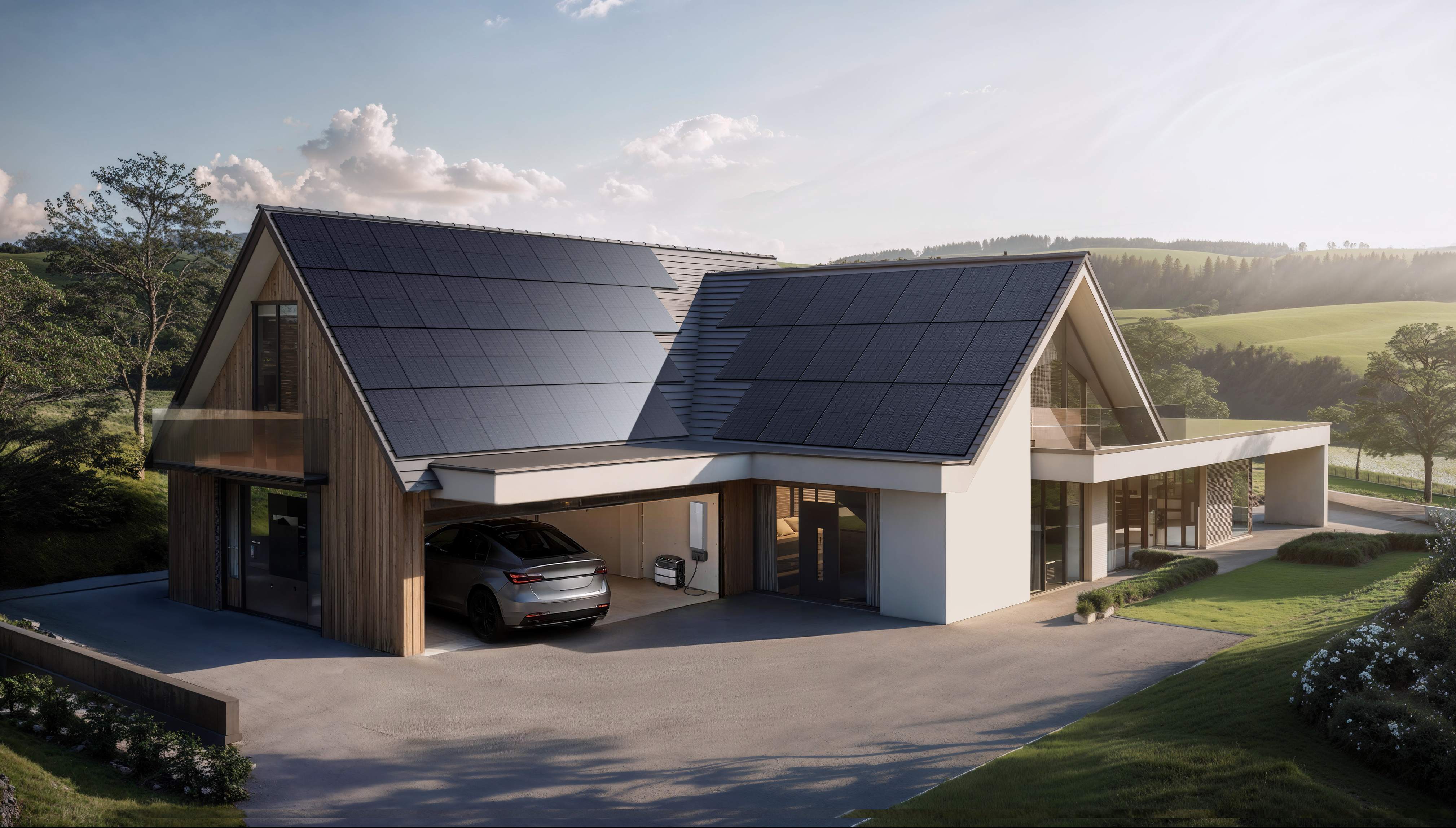
Solar panels on roofs make electricity that powers electric appliances, cars, and HVAC systems. When it's sunny, extra power can be sent to batteries to be stored for use in the evening or when the power goes out. This method can cut regular utility bills by a lot, or even get rid of them completely, while protecting you from rate increases.
While solar panels generate power, true independence requires a robust storage solution to bridge the gap during nights or grid failures.
Whole-home backup systems fill in the gaps between solar panels and help maintain power during outages. With a 7.2kW output (expandable to 21.6kW with three inverters), the EcoFlow DELTA Pro Ultra is a reliable backup power source that can run everything from lights to high-demand electric systems. Its automatic switchover within 20ms helps maintain power when the grid goes down. Start with 6kWh of backup power for essentials, and as your needs grow, you can expand up to 90kWh of capacity—additional batteries can be connected without rewiring. Smart energy management helps optimize the use of solar power, battery storage, and grid power. The system works with existing rooftop solar panels and can store excess power for later use.
Solar plus electrification is a combined approach in which panels make electricity, batteries store it, and energy-efficient electric appliances use it well.
Achieving Net-Zero Energy with Home Electrification
If your home has net-zero energy, it produces as much electricity as it uses in a year. Getting electricity makes this goal easier for most homes to reach.
The three-element approach:
- Electric appliances run on electricity rather than burning gas or oil on-site
- Solar generation uses the sun to make electricity
- Battery storage lets you use solar power day and night
To figure out how much electricity you'll need, look at your electric bills from the last 12 months to get an idea of how much you've been using. Then, look into how new electric appliances usually use electricity. Talk to solar installers about how big an array you need based on how much energy you use and how the sun shines where you live. If you get the right size system, it can cover most or all of your yearly electricity needs.
Switching from gas heating, gas appliances, and gasoline cars to electric options stops on-site combustion. Electric systems that are very efficient can use a lot less energy overall than older systems, especially when they are powered by solar generation.
Practical Steps to Electrify Your Home
A methodical approach helps you make smart choices and get the most out of your investments.
Step 1: Conduct an Energy Audit
Professional audits identify gaps in the insulation, air leaks, and problems with the ductwork. Auditors check how efficient your home is by using blower door tests (which measure air leakage rates), thermal imaging (which finds places where heat is being lost), and duct pressure testing. If you take care of these problems first, you may not need as much or as expensive new equipment.
Energy audits are often subsidized or free through provincial programs like EfficiencyPEI, Efficiency Manitoba, or Save On Energy (Ontario). Provincial and utility rebates vary widely—some provinces offer substantial support for heat pumps and solar installations, while others focus on financing programs. Check with your provincial energy authority and local utility for current incentives.
Step 2: Upgrade Electrical Infrastructure Early
If your main breaker shows 100A or 150A or if there are fewer than 10 empty circuit breaker slots, you probably need to get an upgrade. A 200A panel works for most fully electric homes. Even if you don't plan to update all of your appliances right away, having an electrician install all of the circuits they need in one visit will save you money and avoid future service calls.
Step 3: Replace High-Impact Systems First
HVAC systems and water heaters use the most energy in most homes. The fastest way to lower your energy bills is to switch to high-efficiency electric heat pumps. As old systems hit the end of their useful lives, many homeowners replace them to save money and bring their homes up to date. It might make sense to move faster if your current equipment isn't working well or if there are limited-time incentive programs available.
Step 4: Install Solar Panels and Battery Storage
With your electric appliances in place, you can get a good idea of how much electricity you need and avoid buying a solar system that is too big or too small. Work with installers to plan your solar array based on how much energy you use and how the sun shines where you live. Keeping batteries in hand lets you use all the electricity that the sun gives you and gives you power when the power goes out.
Step 5: Complete Remaining Upgrades
Finish your transition with kitchen appliances, dryers, and vehicle charging equipment. These changes complete your electric home and make it more energy-efficient as a whole.
The timing is still flexible. Some people get their homes electrified within a few months, while others do it over a few years, replacing equipment as it naturally wears out. Both ways work well. The important thing is to plan ahead so that each upgrade fits with your budget and overall goals.
Make the Switch on Your Timeline
You have more control over energy costs, reliability, and efficiency when you switch to electric systems. Each upgrade gives you instant benefits and moves you toward greater energy independence. EcoFlow offers backup power solutions that work with solar systems. This way, your home will stay powered when the power goes out and your daily energy costs will be lower.

FAQs
Q1: Can I electrify my home if I live in a cold climate?
Newer air-source heat pumps work well even when it's below zero, but older types had trouble when it was below freezing. Cold-climate heat pumps can now extract heat from outdoor air at temperatures as low as -25°C or colder thanks to advanced compressor technology. Most of the time, these systems have extra heating parts in case of bad weather.
However, most of them can work on their own when it's just cold outside. The right size and proper installation of a heat pump are more important than your climate zone. A properly sized heat pump can maintain comfortable temperatures year-round while using less energy than a traditional furnace. Many provinces offer rebates for cold-climate heat pump installations—amounts vary widely from $1,000 to over $15,000 depending on province, income level, and whether you're switching from oil heating. Check with your provincial energy authority for current programs.
Q2: Will my electric bill increase after electrifying?
Electric appliances today use energy more efficiently than many gas systems. This means that even though they use more electricity, your electric bills often go down. For every unit of energy used, heat pumps can heat or cool two to three times better than regular furnaces. Heat pump water heaters use energy more efficiently than many gas models in the same way.
When you add solar panels, your energy costs can be significantly reduced or even eliminated, depending on system size, net metering policies—which vary by province (BC generous, Ontario limited, Quebec minimal export rates)—and your energy consumption patterns.
Q3: Do I need to electrify everything at once?
The process of getting electricity to most homes can be done in stages. You can save money and avoid throwing away working items too soon if you replace them as they break down naturally. HVAC and water heating are the things that many people put first on their list because they save the most energy. Proactively upgrading your electrical panel saves on labor costs by preparing your home for future circuits in a single visit.
Q4: What happens during a power outage with an all-electric home?
Without backup power, an all-electric home can't work when the power goes out, just like gas systems need electricity for the fans, controls, and ignition. Thankfully, battery backup systems take care of this. They start providing power automatically as soon as the grid goes down. Based on how they are used, systems that hold 12 to 24 kWh can power the fridge, lights, internet, and well pump for one to three days. Bigger systems (48–180 kWh) can keep homes running for a long time when the power goes out, including the HVAC. When batteries are paired with solar panels, they can be charged during the day. This makes them more useful during power outages that last more than one day. The cost of backup systems depends on what features they have and how much power they can hold. However, they protect your power during outages and lower your daily energy costs by smartly combining grid, solar, and battery power.