The Cheapest Way to Fuel Your Car in Canada Isn’t Gas - It’s Your Home Outlet
Gas prices are reaching numbers unheard of. Even a temporary federal excise tax suspension hasn’t kept costs from burdening household budgets. However, there’s a fuel source most Canadians already have at home that costs a fraction of what you pay at the pump: electricity. Learn why gas is so expensive, how much home charging saves, and what you can do to reduce fuel costs in the meantime.
Why Gas Still Feels So Expensive in Canada
Several factors driving gas prices up are entirely out of your control. The global price of crude oil has risen significantly, immediately impacting pump prices. Despite the temporary suspension of the fuel excise tax, Canadians still have to pay the federal Goods and Services Tax, provincial fuel and sales taxes, and in some provinces, transit levies and other surcharges.
Despite a range of external factors driving fuel prices upward, there are still some measures you can take to reduce the burden. Fill up earlier in the week to avoid the price increase during weekends. Don’t wait until your low-fuel light turns on before filling up, as doing so will force you to pull into the nearest station and possibly pay more. Gas stations right off highway exits typically have higher prices than those a few blocks away.
The Cheapest Fuel Option: Charging an EV From Your Home Outlet
The cheapest fuel source available to Canadian drivers is home electricity. Charging an electric vehicle costs $0.10 to $0.18 per kilowatt-hour (kWh). A typical EV uses 15 kWh per 100 km. At $0.12 per kWh, the EV could drive 100 km for $1.80. An average car uses 7.5 litres of gas per 100 km.
At the national average gas price of $1.80 per litre, the driver would spend $13.50 to drive 100 km—more than seven times as much as the EV driver. Saving will vary by province, as electricity rates and gas prices change.
For EV owners who drive less than 50-80 km a day, Level 1 (120V) charging is a practical starting point. At 5-8 km of range per hour, an overnight charge could provide enough to get you through the day. For anyone driving more than that or needing a full charge in less than eight hours, a Level 2 (240V) charger would be worth the investment.
How to Cut Fuel Costs If You Still Drive Gas
Not every driver is ready to switch to an EV, but fuel costs can still be reduced with a few efficient habits. The biggest detriment to your fuel mileage is your driving style.
Aggressive driving can increase fuel consumption dramatically. This style of driving includes hard acceleration and hard braking. Accelerating gently, coasting toward red lights rather than slamming the brakes, and maintaining steady highway speeds all reduce the amount of fuel your engine burns.
Tire pressure is an often-overlooked maintenance item that can reduce fuel efficiency. Underinflated tires create rolling resistance, forcing your engine to work harder. Monitor your tire pressure regularly, ensuring each tire is filled to the appropriate PSI listed on the sticker inside the driver’s door.
Timing your fill-ups can shave several cents off your fuel costs. Prices typically spike Thursday through Sunday, then settle earlier in the week. Stations away from highway exits and major intersections typically have lower prices. Gas price tracker apps can also help you scout the cheapest station within a reasonable distance.
Turn Home Power Into “Fuel” With Backup and Load Management
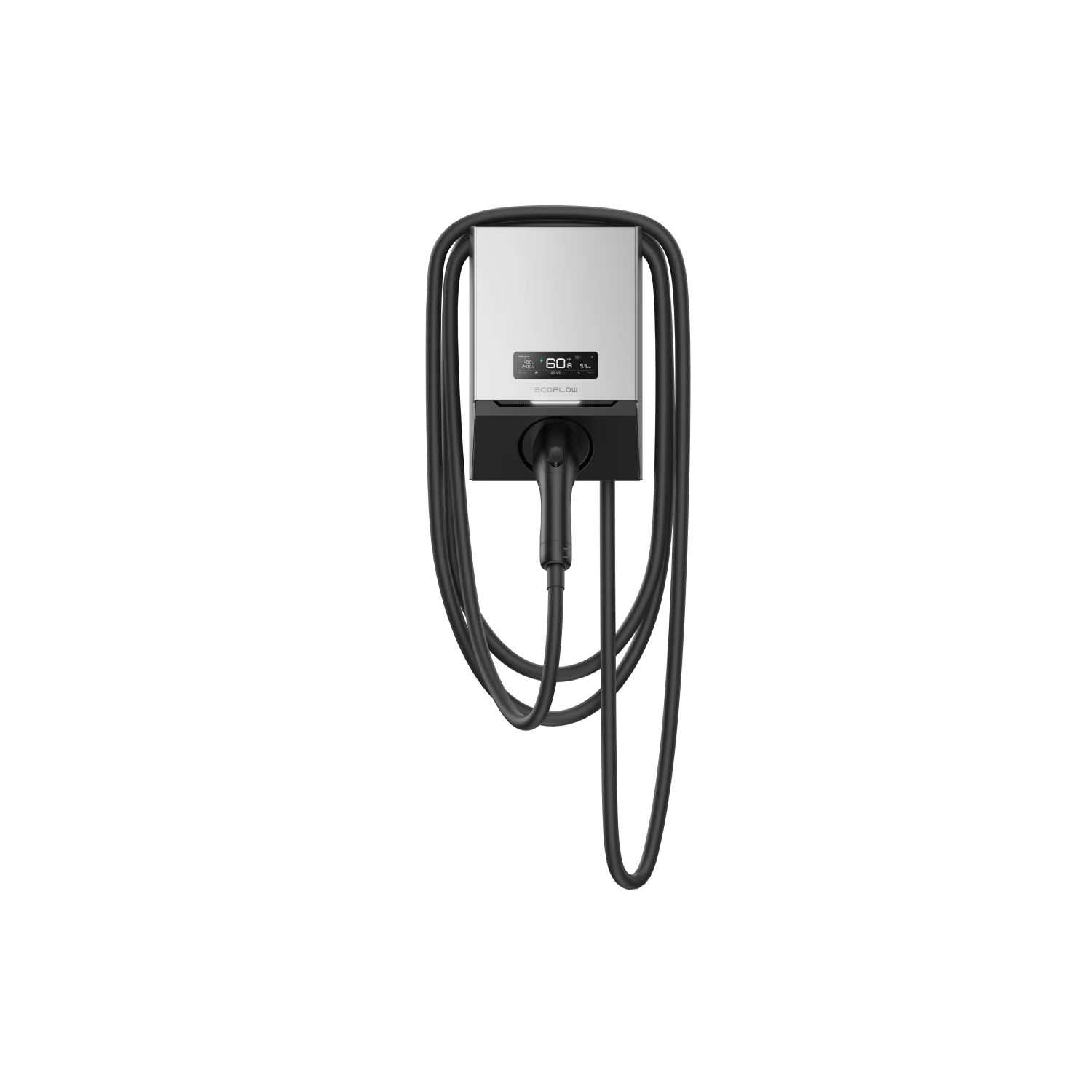
A huge advantage of home EV charging is that electricity can be stored. The EcoFlow PowerPulse EV Charger delivers 9.6kW of power, adding roughly 60 km of range per hour. Pairing it with a reliable power station can deliver uninterrupted charging, no matter what is happening with the grid.
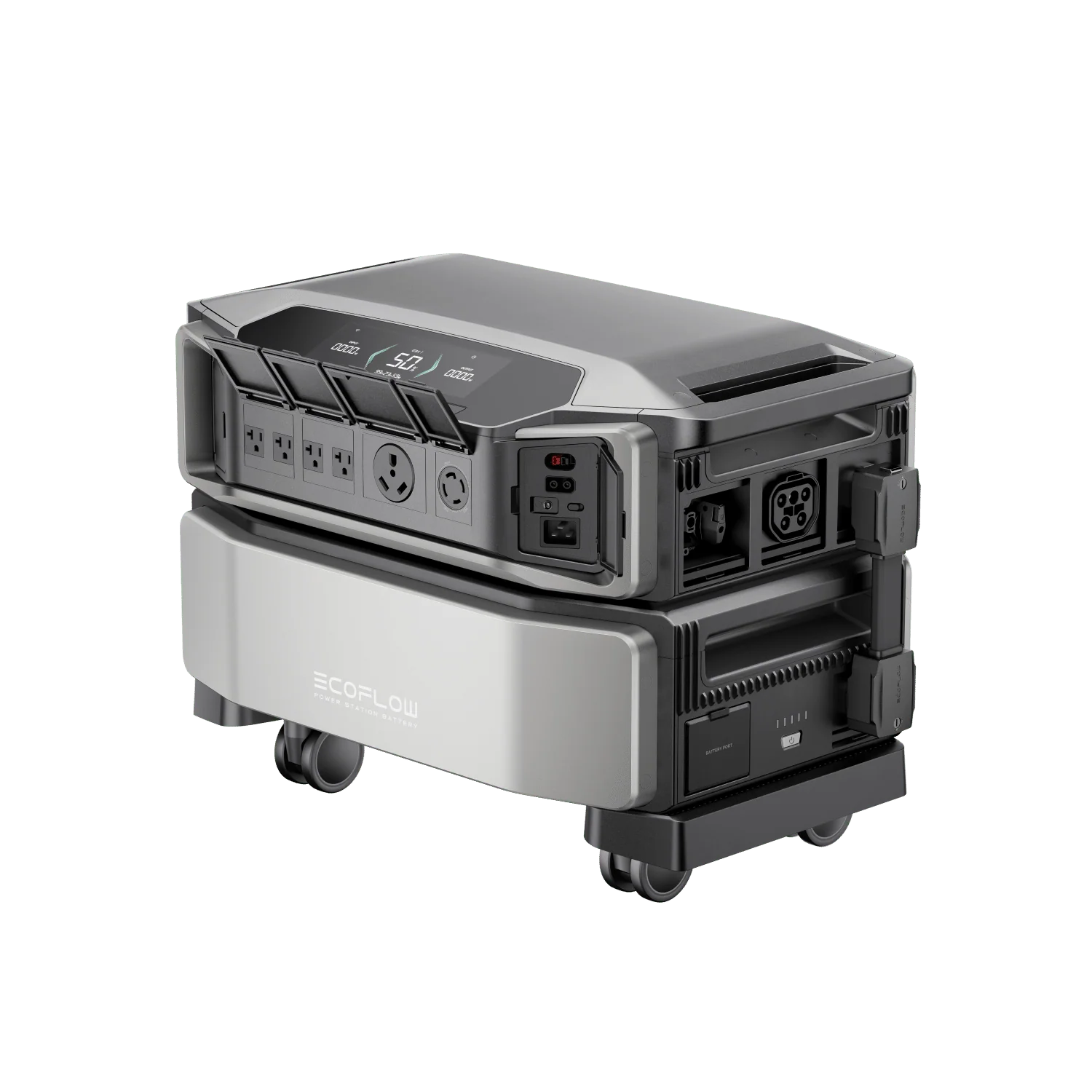
The EcoFlow DELTA Pro Ultra upgrades the home energy system even further. The whole-home backup power system can be paired with solar panels or charged from the grid during off-peak hours to power your home and your car, even during outages.
Frequently Asked Questions
Is it really cheaper to charge an EV at home in Canada than to buy gas?
Yes, charging an EV at home in Canada is significantly cheaper than buying gas. Home charging is roughly seven times cheaper per kilometre than filling a gas tank.
Can I charge an EV from a regular 120V outlet?
Yes, a standard 120V outlet delivers Level 1 charging, which adds approximately 5-8 km of range per hour. For drivers covering less than 80 km a day, overnight Level 1 charging is sufficient. Anyone who drives more than that or wants a full charge in a few hours will benefit from Level 2 charging.
Can a home backup battery keep EV charging going during a power outage?
Yes, a home backup battery can keep your EV charging during a power outage as long as the setup is right. A portable power station like the EcoFlow DELTA Pro Ultra stores energy and can continue supplying your EV during outages.
What are the best Canadian incentives and tax credits for EVs and home charging?
The federal Electric Vehicle Affordability Program (EVAP) provides up to $5,000 off a new battery-electric or fuel cell electric vehicle, or up to $2,500 off a plug-in hybrid. Several provinces add their own EV rebate programs. For home charging equipment, provincial rebate amounts vary.
Save More on Every Drive With Home Charging
Home charging is substantially more cost-effective than filling at the pump. Gas drivers who aren’t ready to make the switch can still save money by practicing smooth driving habits, maintaining tire pressure, and filling up smartly.
Drivers who invest in a Level 2 charger like the EcoFlow PowerPulse, paired with a home energy system like the EcoFlow DELTA Pro Ultra, not only save money on fuel but also gain resilience, allowing them to keep charging no matter the grid status.