Ontario Home Renovation Savings Program 2026: Does Battery Storage Qualify and How to Apply
- Ontario Home Energy Rebates in 2026: What’s Actually Available?
- Home Renovation Savings Program Basics: Who Runs It and What It Covers
- Does Battery Storage Qualify in 2026, and What “Eligible” Usually Means
- How to Apply without Losing Your Rebate
- Choosing a Battery Setup That Supports Rebates and Real-World Resilience
- Frequently Asked Questions
- Save Money, Improve Comfort, and Build a More Outage-Ready Home
The Ontario Home Renovation Savings Program is a great way for those in Ontario to make energy-efficient upgrades to their homes, without breaking the bank. However, many homeowners wonder whether battery storage qualifies or not.
This guide covers that, as well as other important details like how to apply, what it covers, how to choose the right setup for your needs, and more.
Ontario Home Energy Rebates in 2026: What’s Actually Available?
While several federal clean energy programs have ended, there are still plenty of home energy rebates for those in Ontario. Residents access most of these rebates through the province's Home Renovation Savings (HRS) Program.
It's important to keep in mind that renovation rebates differ from tax benefits. Rebates are direct post-purchase cash payments applied to eligible upgrades, while tax benefits lower the total income tax you owe when you file.
There's no universal bill rebate in Ontario, as the province splits incentives into two distinct paths. You can receive an upfront installation rebate if you qualify, or opt for ongoing net metering benefits. Many cities throughout Ontario also offer financing and loan programs alongside these options.
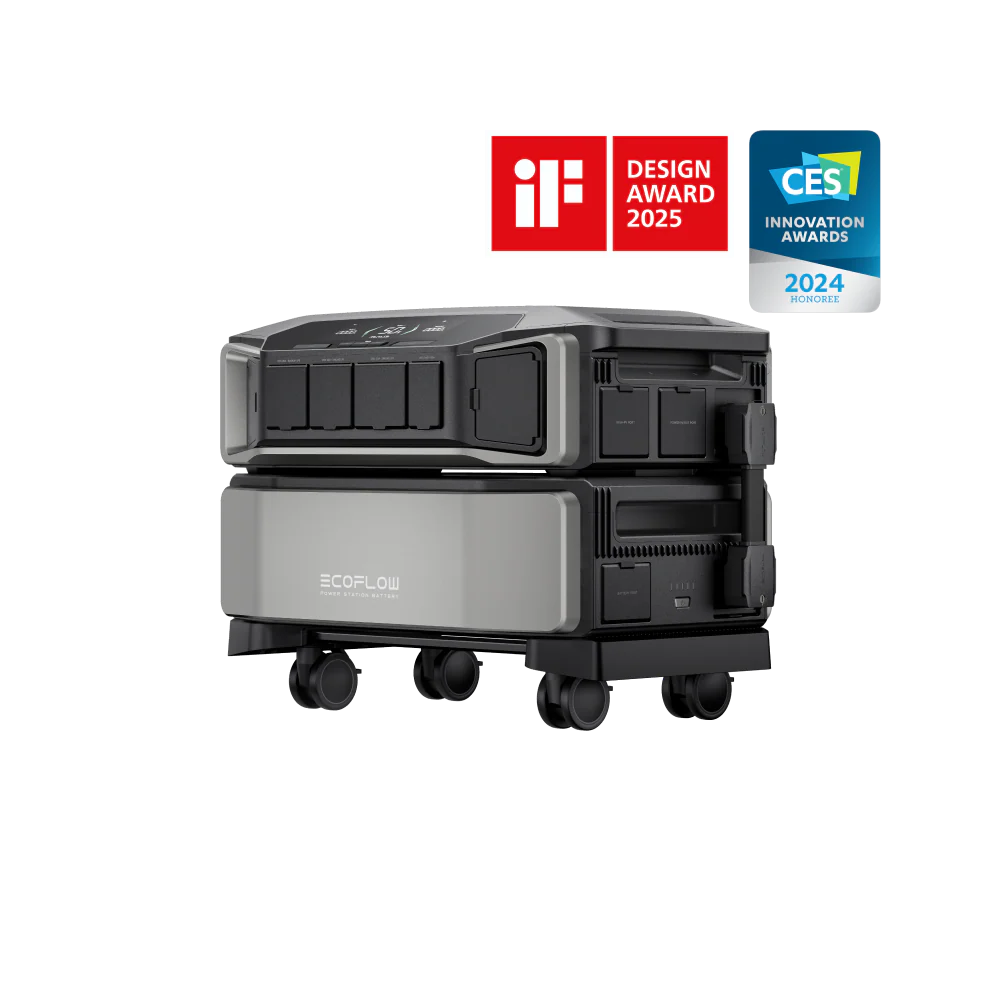
For homeowners considering solar-paired battery storage, systems like the EcoFlow DELTA Pro Ultra can potentially qualify under the HRS Program, making it possible to offset a meaningful portion of the purchase and installation cost through rebates.
Home Renovation Savings Program Basics: Who Runs It and What It Covers
The Home Renovations Savings Program is run by Enbridge Gas and Save On Energy, with support from the Ontario Government. It’s a program that offers cash rebates for a variety of energy-saving changes that people make to their homes. Specifically, the program covers:
Solar panels
Battery storage
Insulation
Efficient appliances
Smart thermostats
Windows and doors
Heat pump water heaters
Air sealing
The program covers both the purchase and installation costs. How exactly Save On Energy, Enbridge Gas, and your local utility determine what you can claim depends on the type of upgrade. For solar, you may be entitled to up to $10,000.
For non-solar upgrades, eligibility factors include your home's energy source, property type, the improvements made, and whether those upgrades meet the program's approved standards.
Does Battery Storage Qualify in 2026, and What “Eligible” Usually Means
Yes, battery storage can qualify for HRS Program rebates in 2026. However, to be eligible, battery storage must be paired with a new solar PV system and be appropriately sized for that system.
All equipment, including the solar panels and battery storage system, must be new, owned by the program participant, and purchased in Canada. Equipment must also comply with applicable ANSI/CAN/UL/CSA/IEEE/CEC standards.
After installation, your installer or contractor must submit the required documentation on your behalf. This typically includes the invoice, proof of a successful inspection, photographic proof of the installation, the pre-installation approval form, and a copy of your connection agreement.
How to Apply without Losing Your Rebate
Here’s a quick breakdown of the general steps to follow to apply and get through the installation process without losing your rebate.
Check to ensure your home is eligible, and that the program covers the type of upgrades you want to make.
Figure out whether you need a pre-renovation energy assessment or not. You’ll generally need one if you’re applying for rebates for windows, doors, insulation, or air sealing, but not if you’re only installing solar panels and battery storage. If you require the assessment, make sure to book it before beginning any work.
Gather quotes and choose your contractor, and ensure quotes itemize materials, labour, and equipment separately
Once you’ve chosen a registered contractor, have them submit for pre-approval. They’ll submit a pre-installation application, and you mustn’t purchase equipment or start work until you get approval to move forward.
Once approved, your contractor can begin the renovations and installations, making sure to install everything properly and according to the required standards. Make sure you also get plenty of photos of the finished installation, and collect all important documents like invoices.
After gathering all the necessary documentation, your contractor submits the paperwork, and you’ll eventually get sent your rebate.
Choosing a Battery Setup That Supports Rebates and Real-World Resilience
Making sure your system is eligible for rebates, whether that's through the HRS Program or other incentives like the Enbridge thermostat rebate, can reduce your total installation costs significantly. But cost savings alone shouldn't drive the decision.
The system also needs to meet your home's real demands. During winter storm outages, grid stress events, or extended blackouts, you want to know that your battery can handle the load.
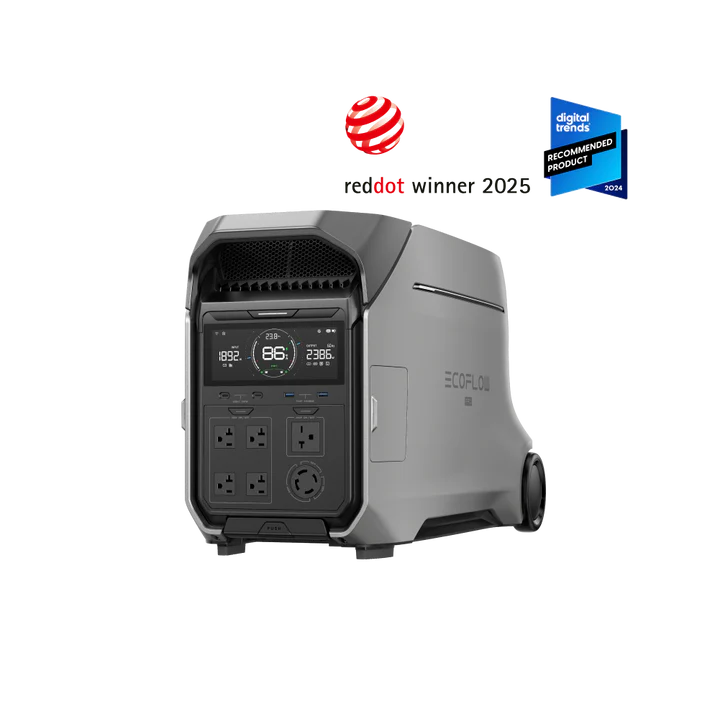
For homeowners focused on keeping essentials running (lighting, a refrigerator, key devices), the EcoFlow DELTA Pro 3 offers solid capacity in a portable, flexible form. If your home has higher energy demands, or you want a whole home backup power solution that can carry a heavier load during an extended outage, the EcoFlow DELTA Pro Ultra is designed for that scale.
Beyond capacity, factor in the size of your solar array, the physical space available for installation, and warranty terms before committing to a system.
Frequently Asked Questions
Does the Home Renovation Savings Program Cover Battery Storage on its Own?
No, for battery storage to be eligible for coverage, you need to pair it with a new solar PV system.
Do I Need Approval Before Installation to Qualify for a Battery Rebate?
Yes, mandatory pre-approval is required before any installation takes place. If the battery is installed before you get approval, you forfeit the ability to get the rebate.
Can I Combine Ontario Rebates with a Federal Tax Credit for Solar and Batteries?
Yes, you can combine Ontario rebates with federal incentives to stack your benefits and reduce your costs.
How Long Do Rebates Take to Process Once My Project is Complete?
Rebates usually take up to 60 days to process once the project is complete and the final paperwork is submitted.
Save Money, Improve Comfort, and Build a More Outage-Ready Home
The Ontario Home Renovation Savings Program helps residents make energy-efficient home upgrades for less. Between heat pump rebates, solar incentives, battery storage rebates, and more, the program makes meaningful upgrades more accessible for Ontario homeowners.
If you're looking at solar panels and battery storage, understanding the eligibility rules upfront, and choosing a system built to perform when the grid goes down, is what separates a smart investment from a costly mistake. Browse EcoFlow's whole home backup power solutions to find a setup that fits your home and your budget.